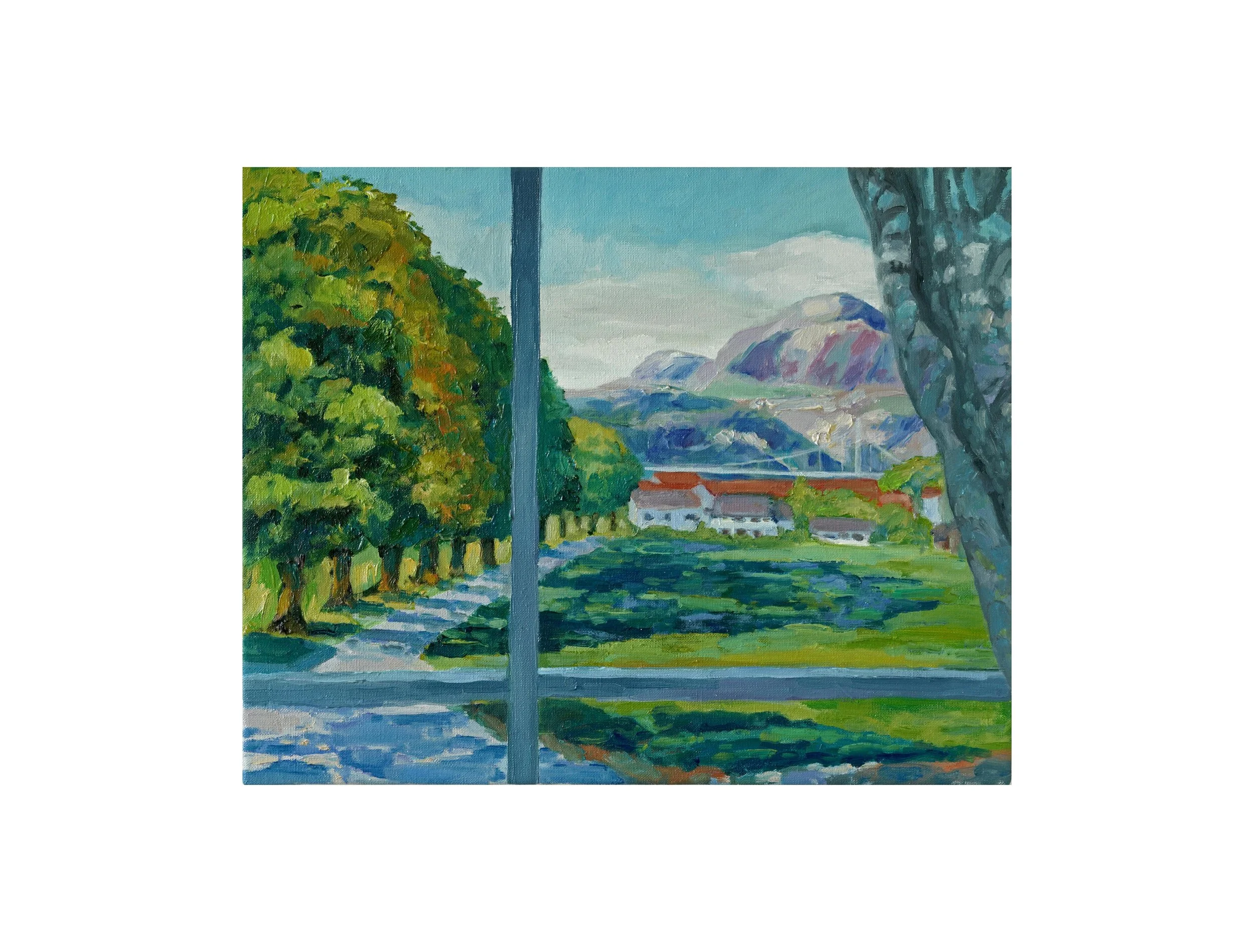
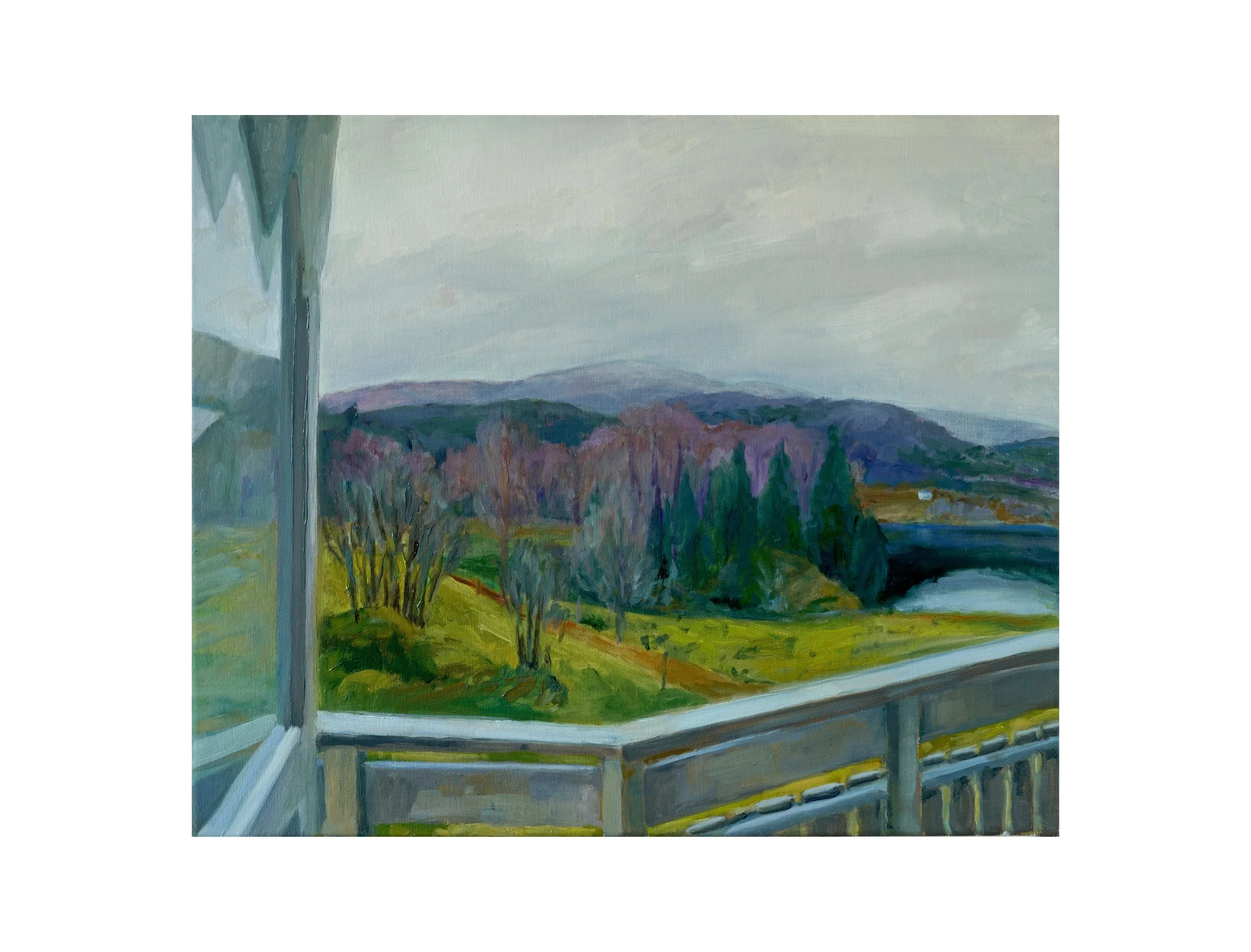
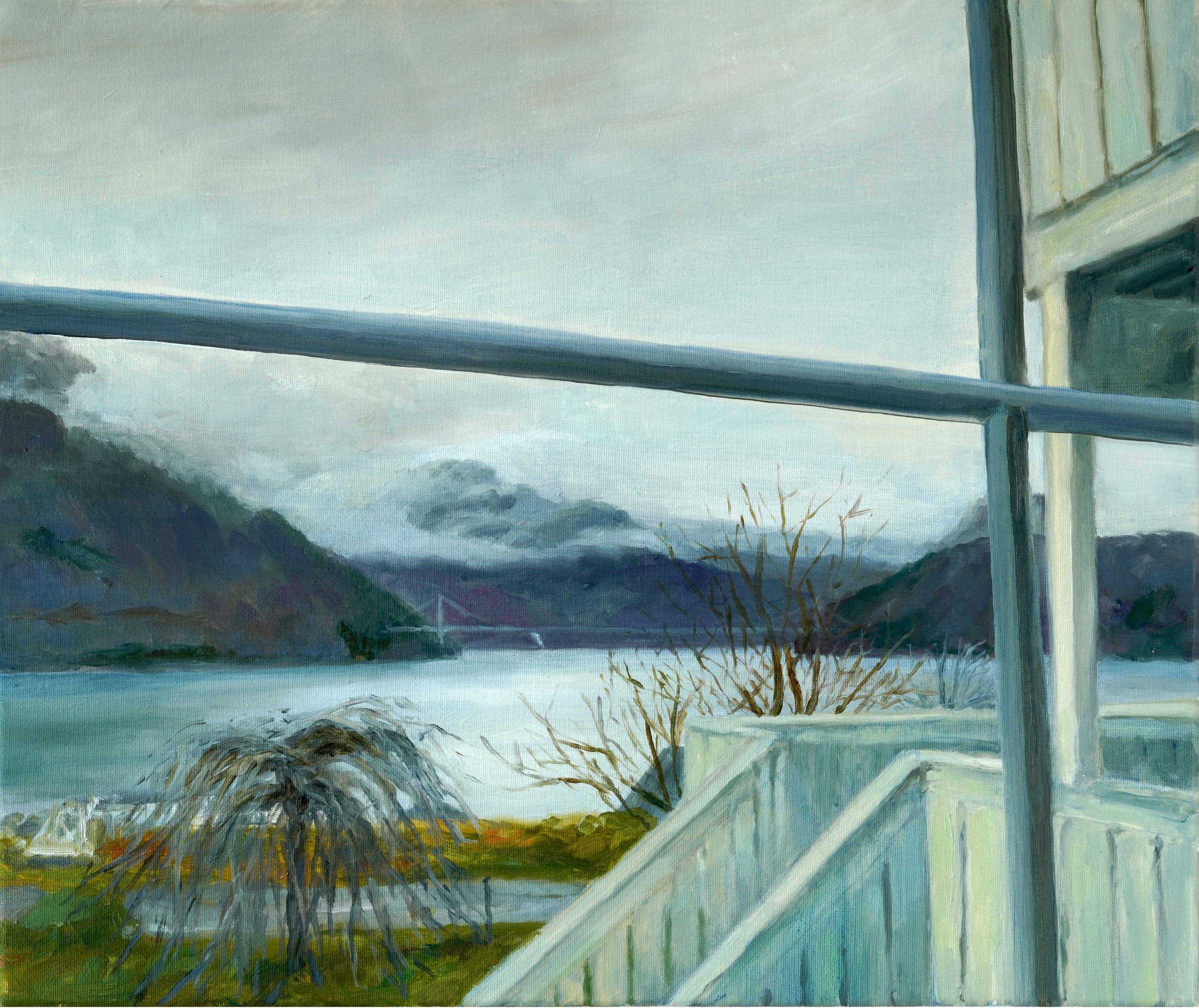
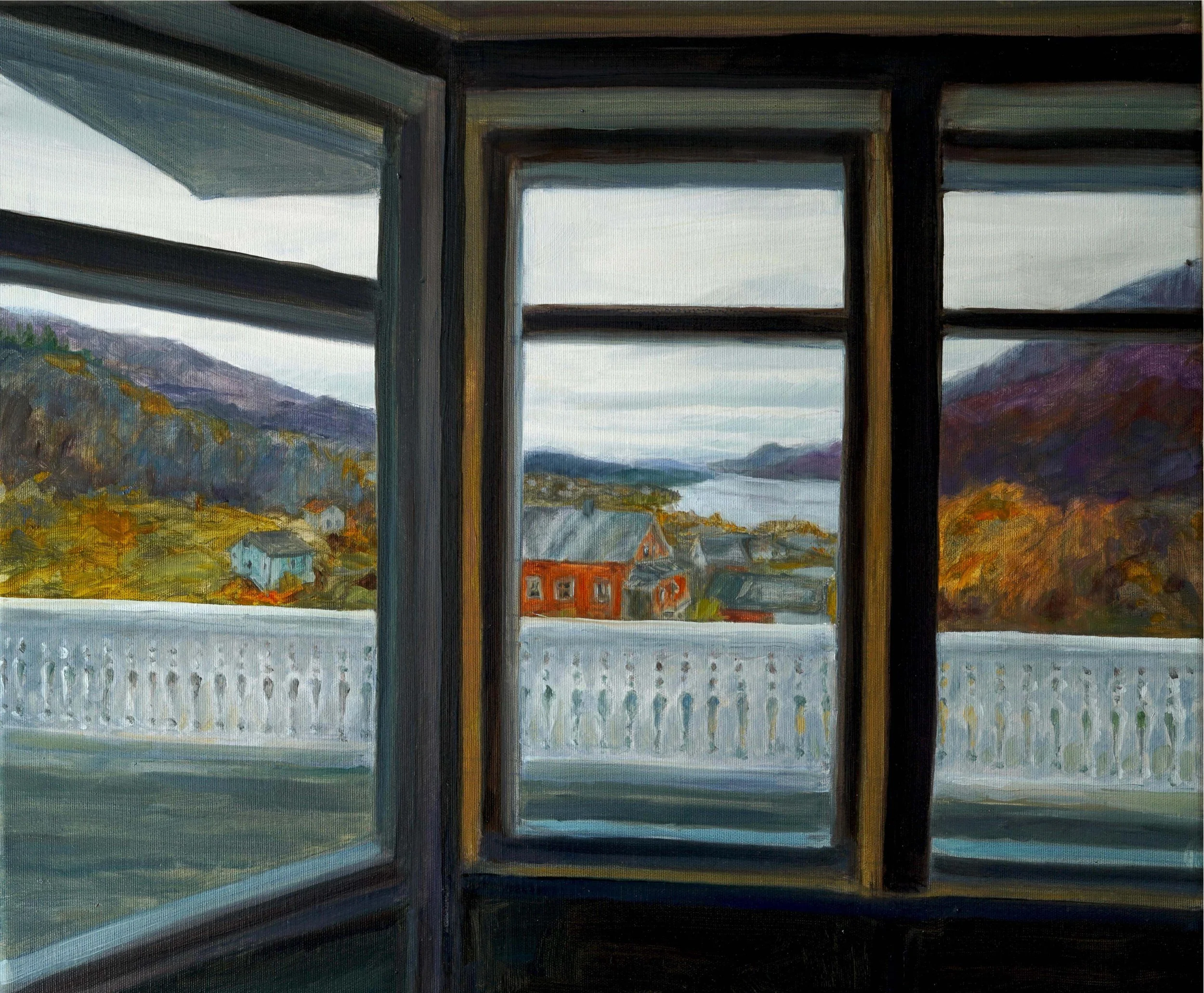
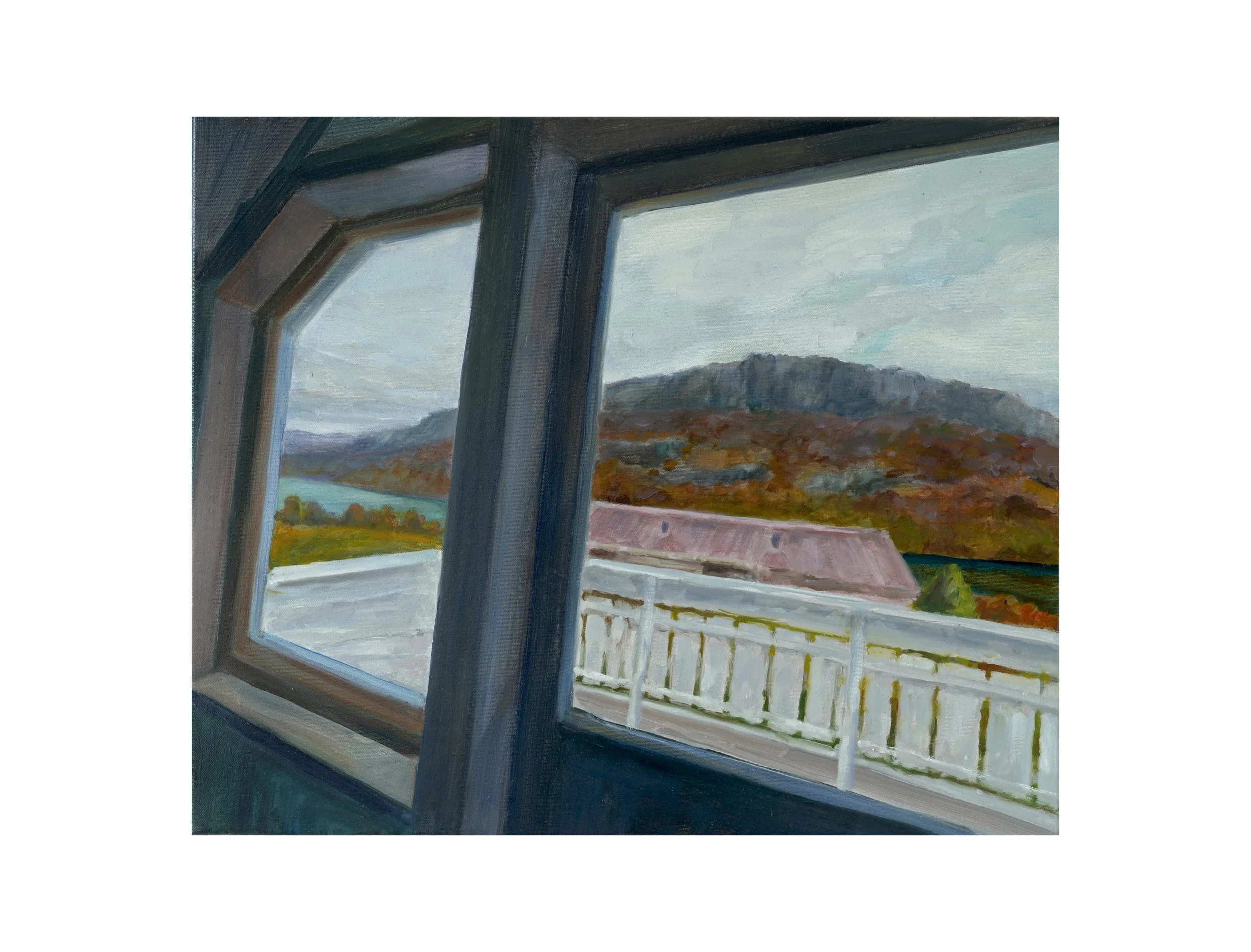
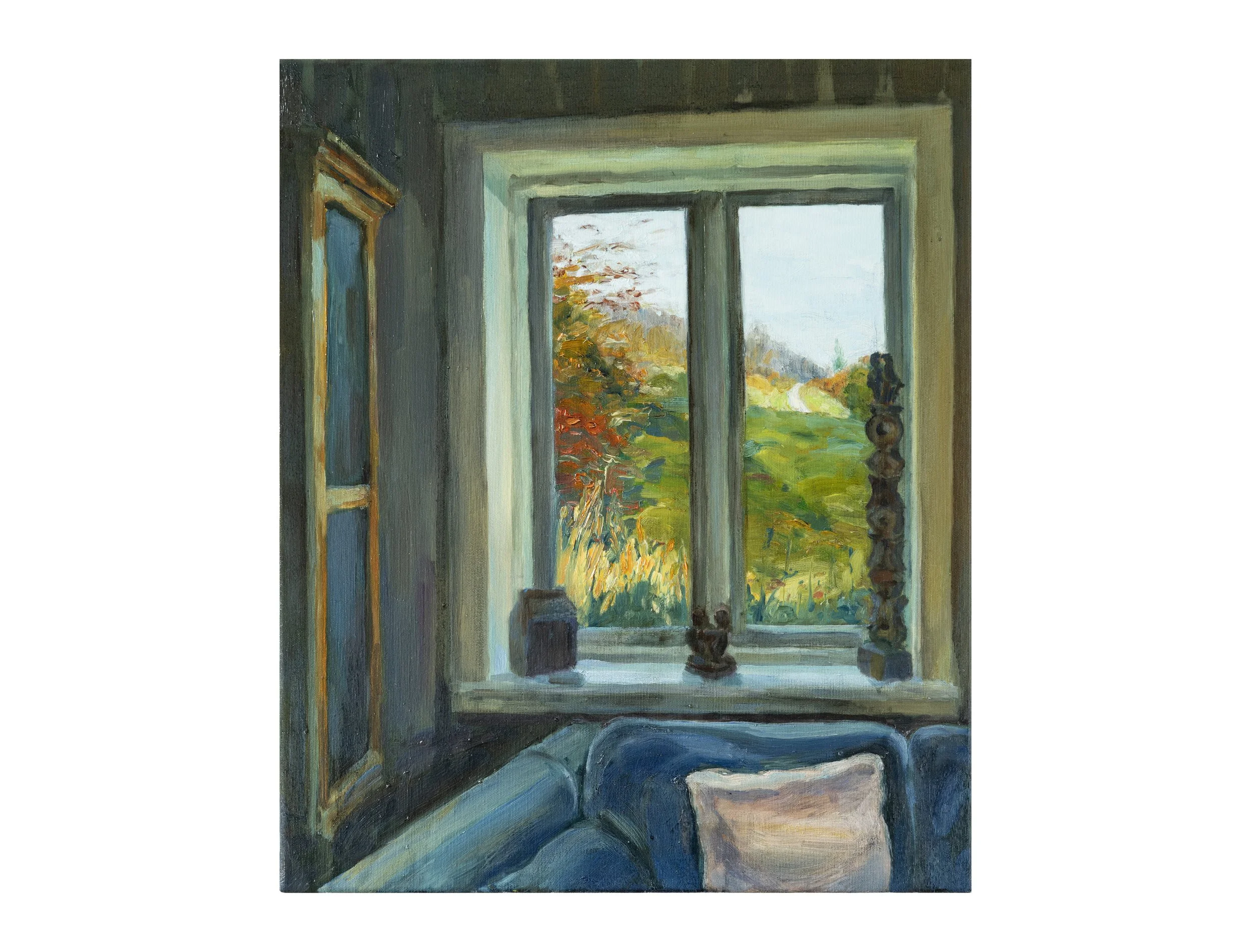
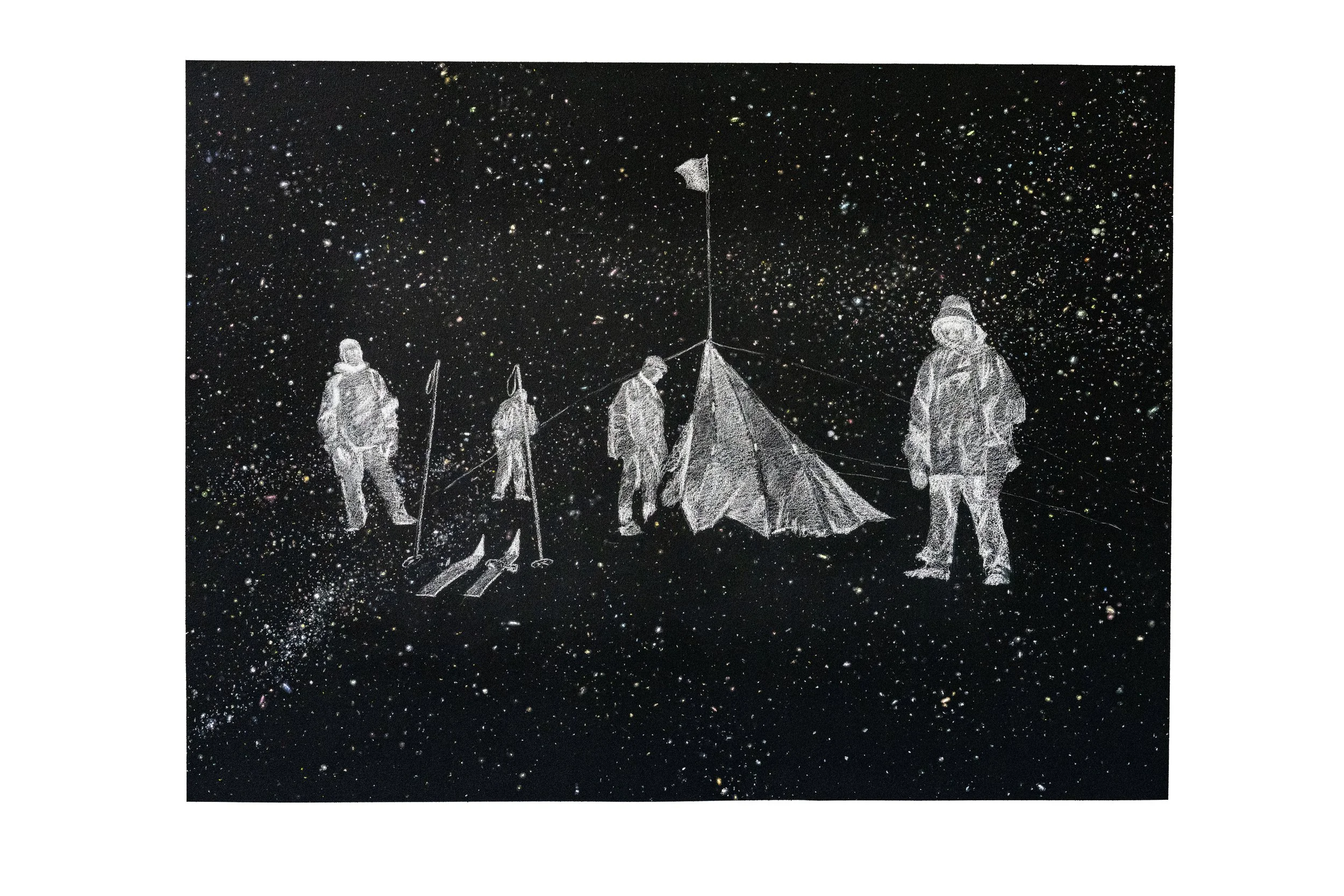
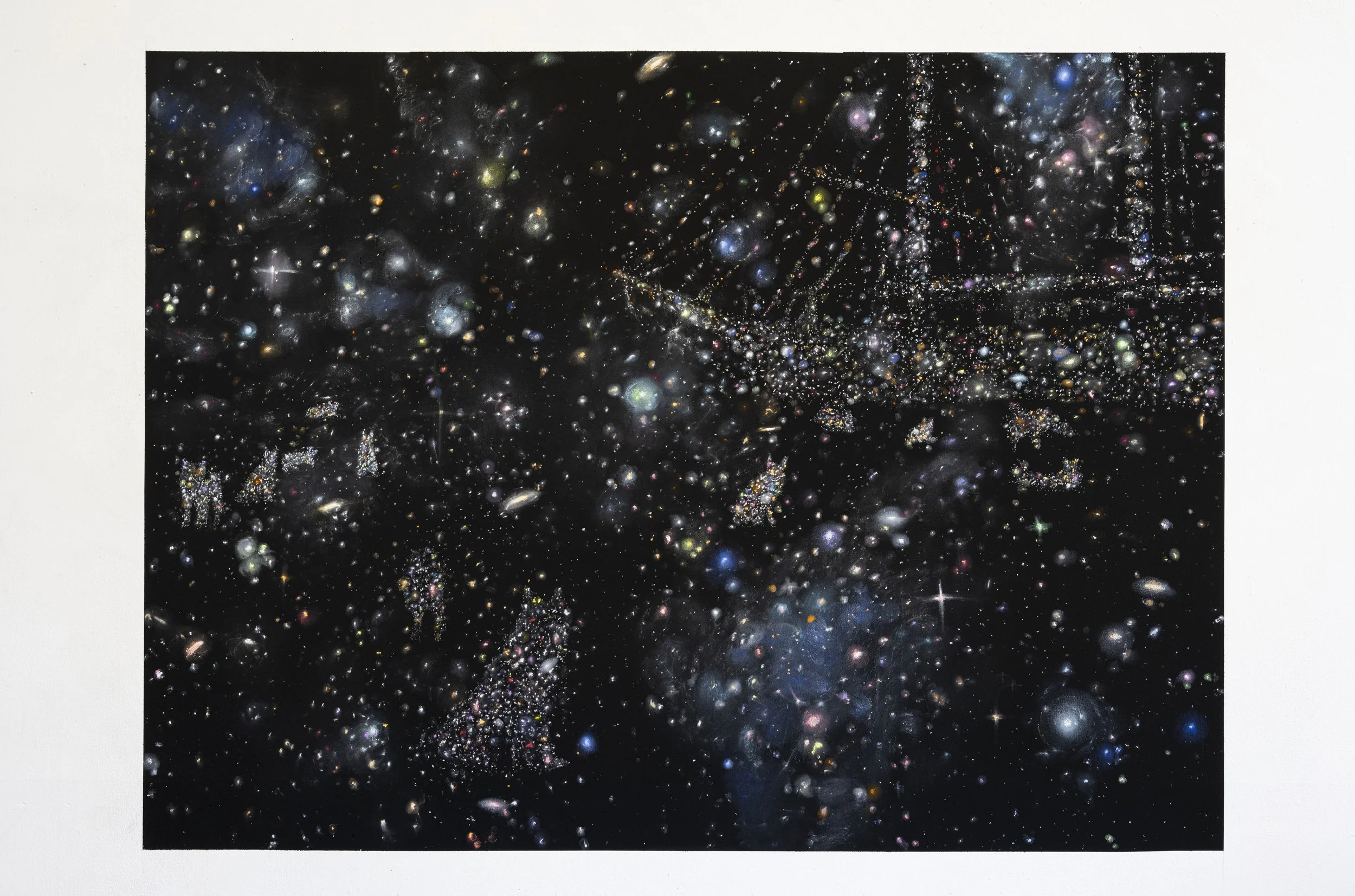
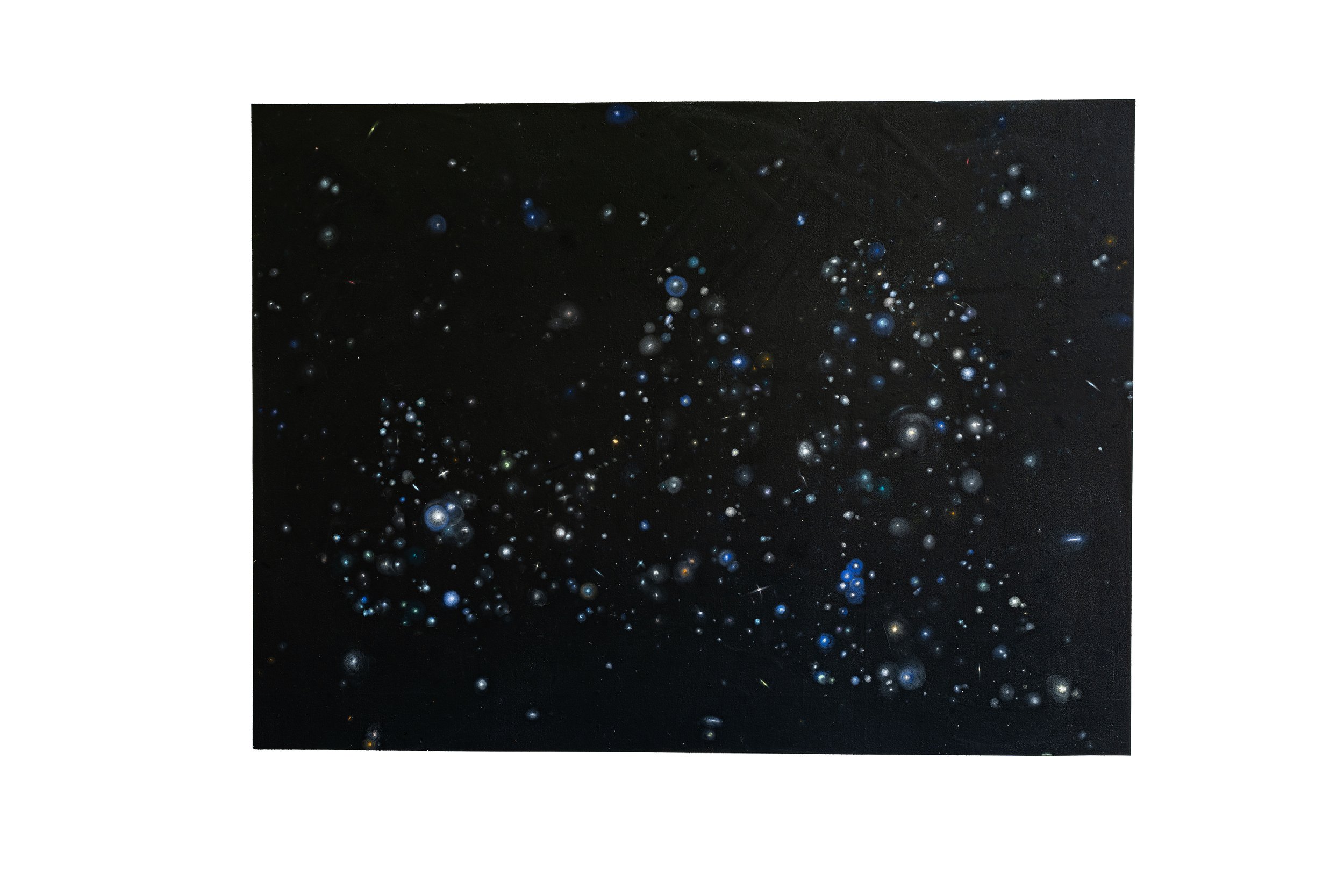
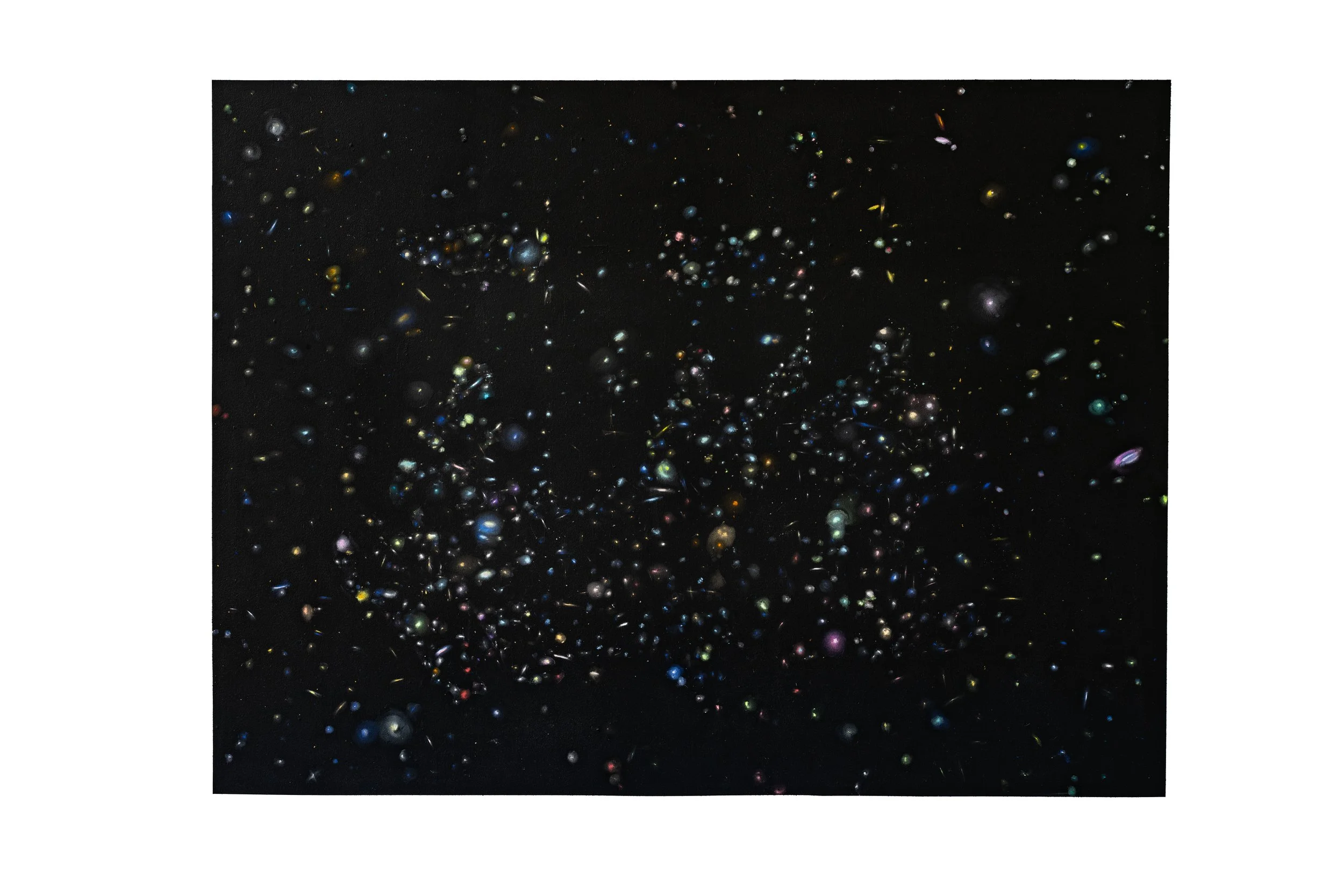
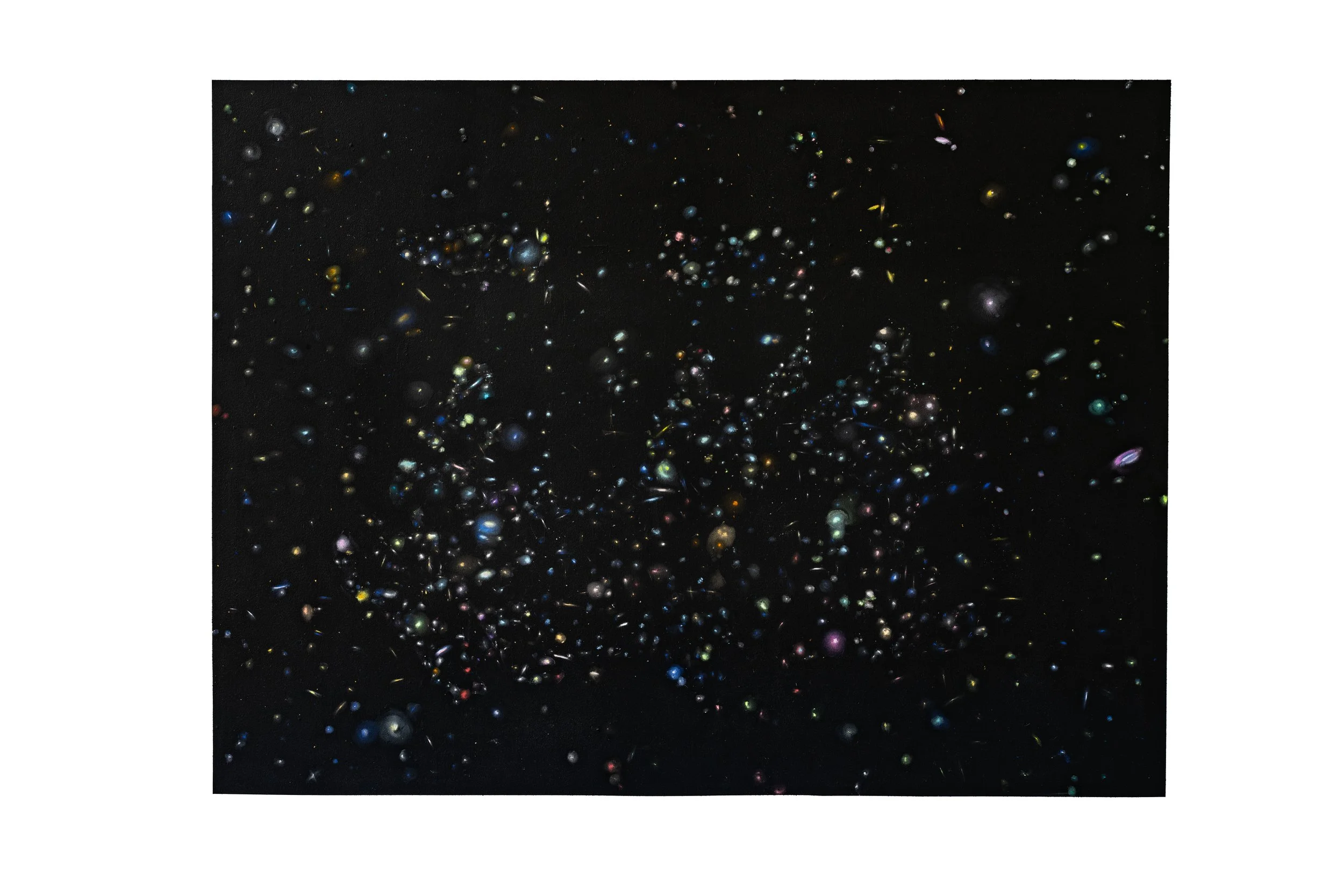
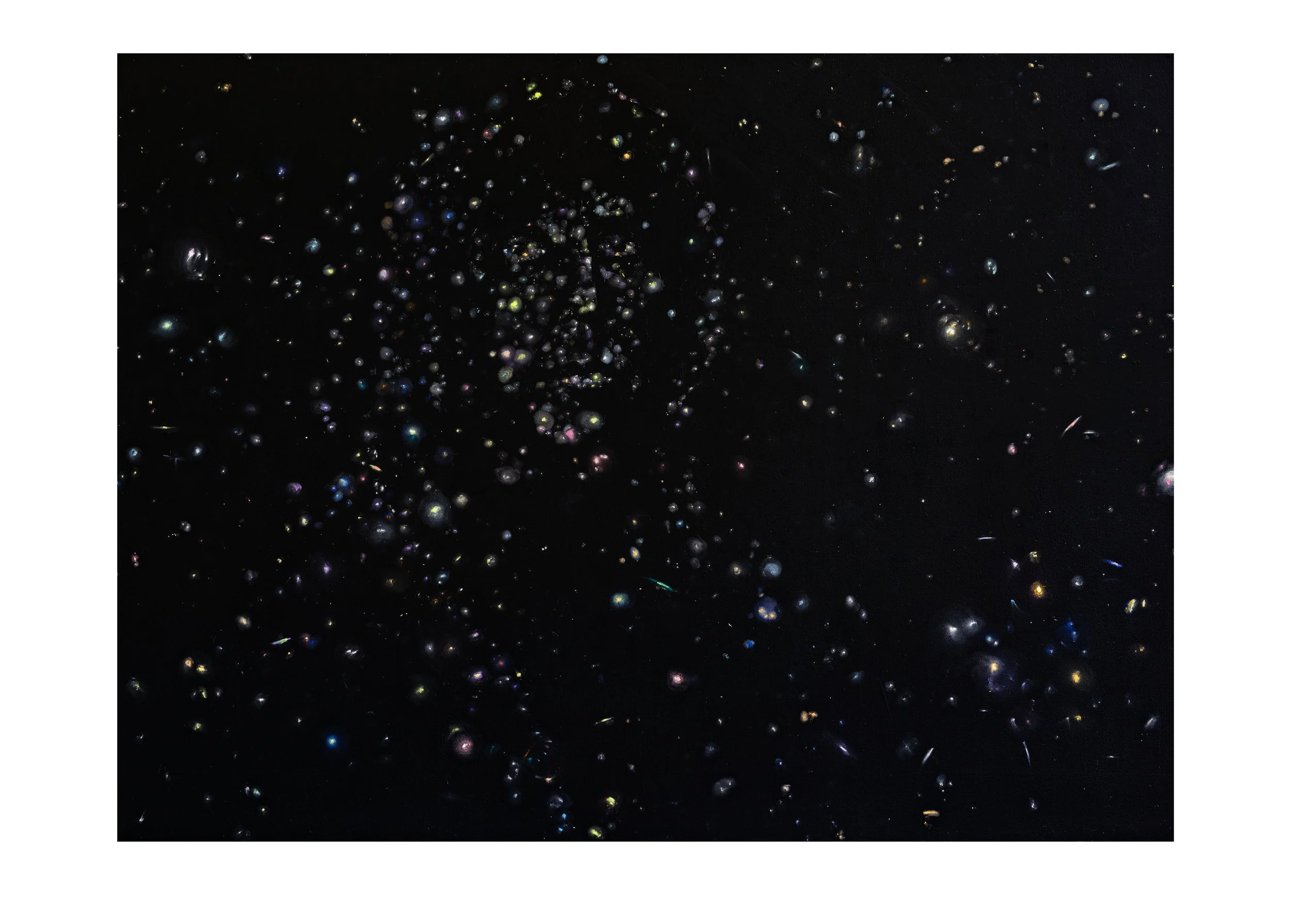
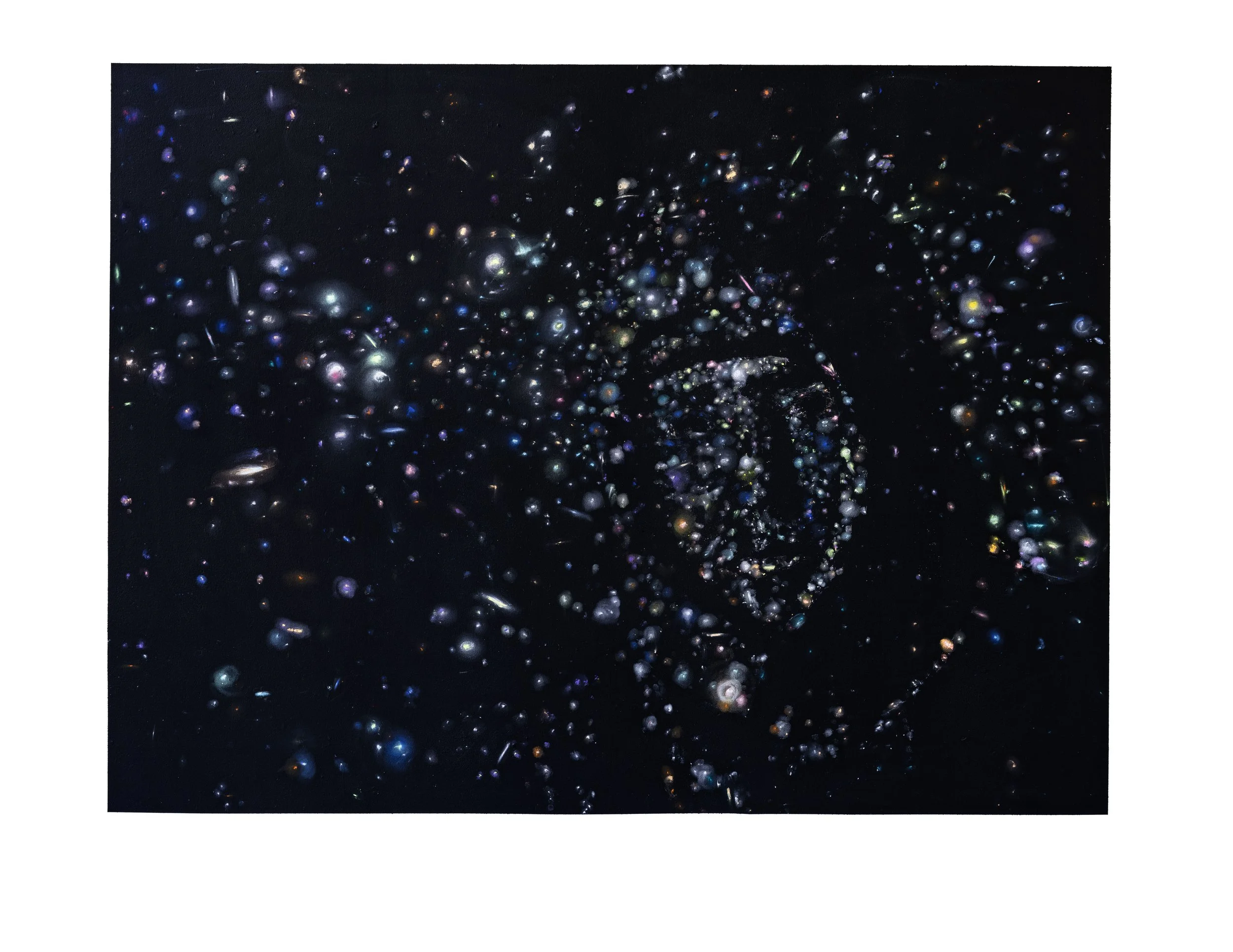
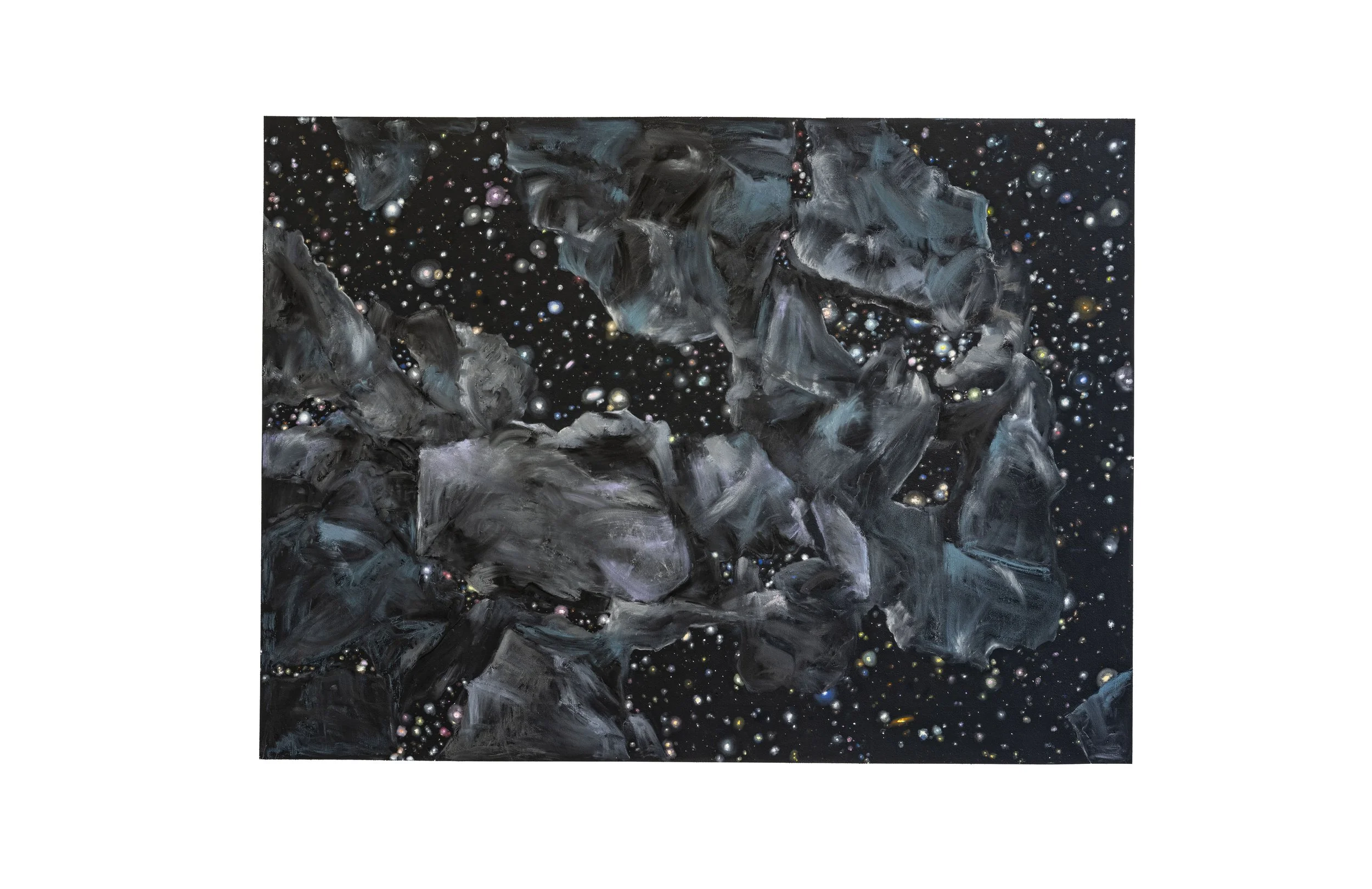
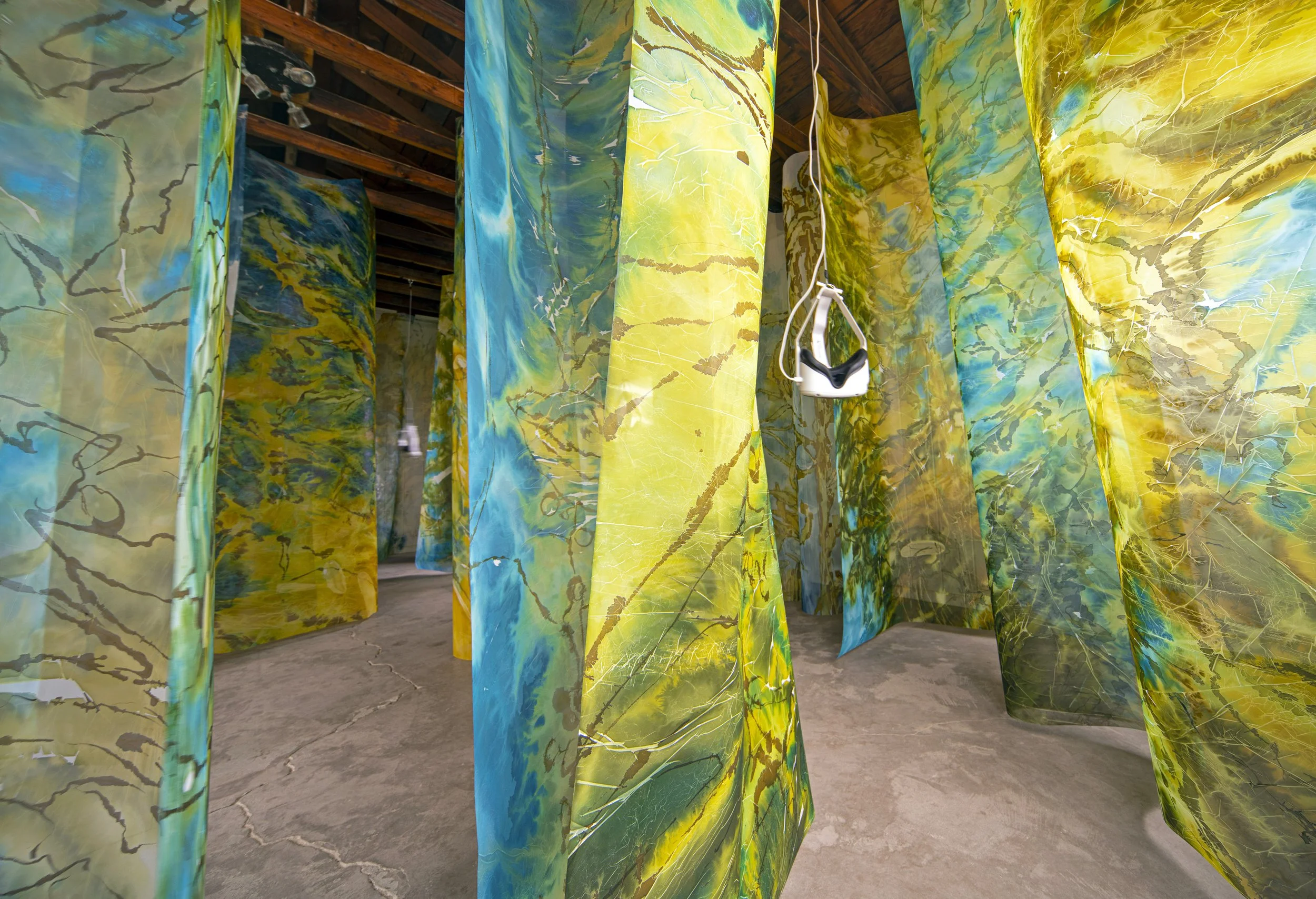
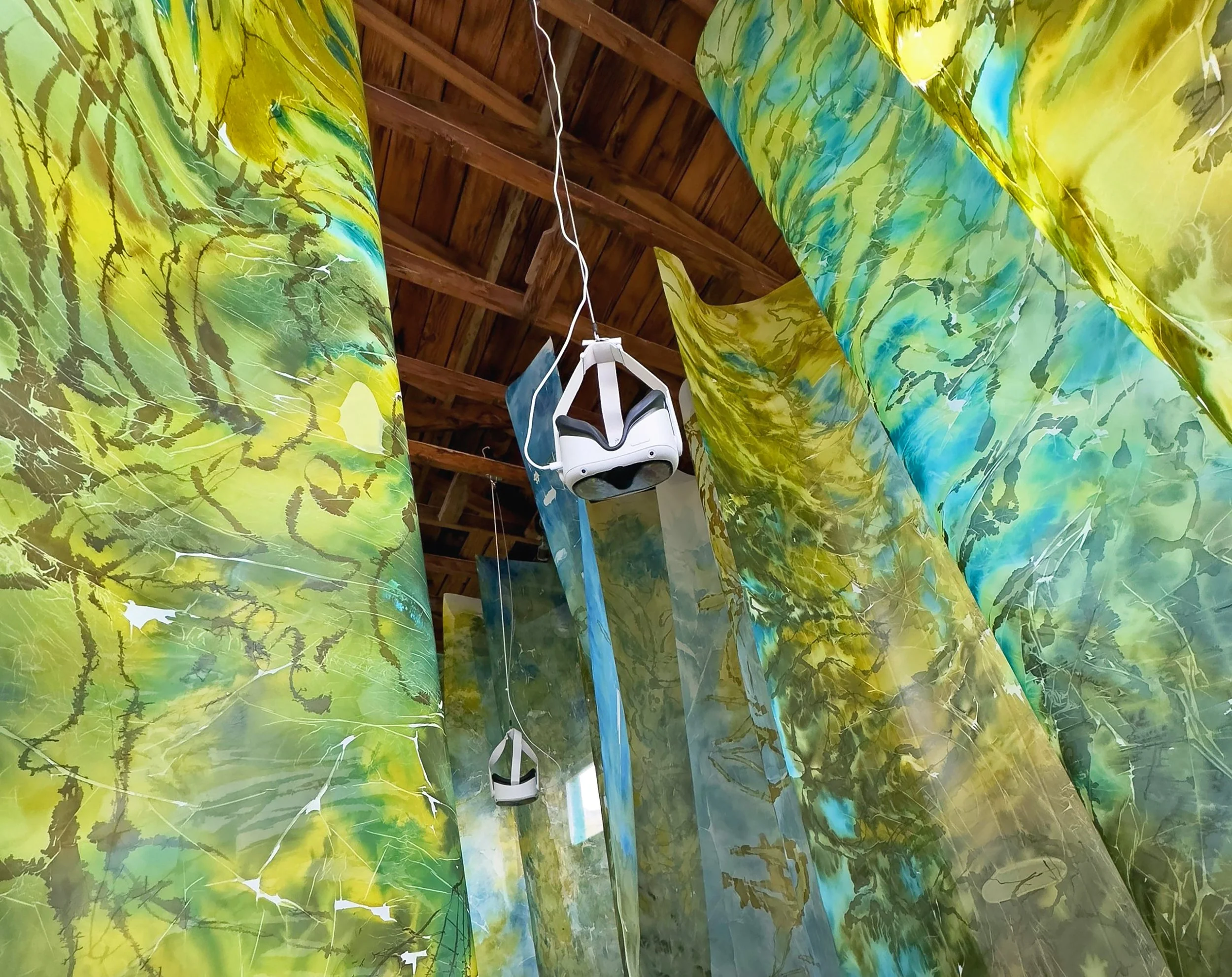
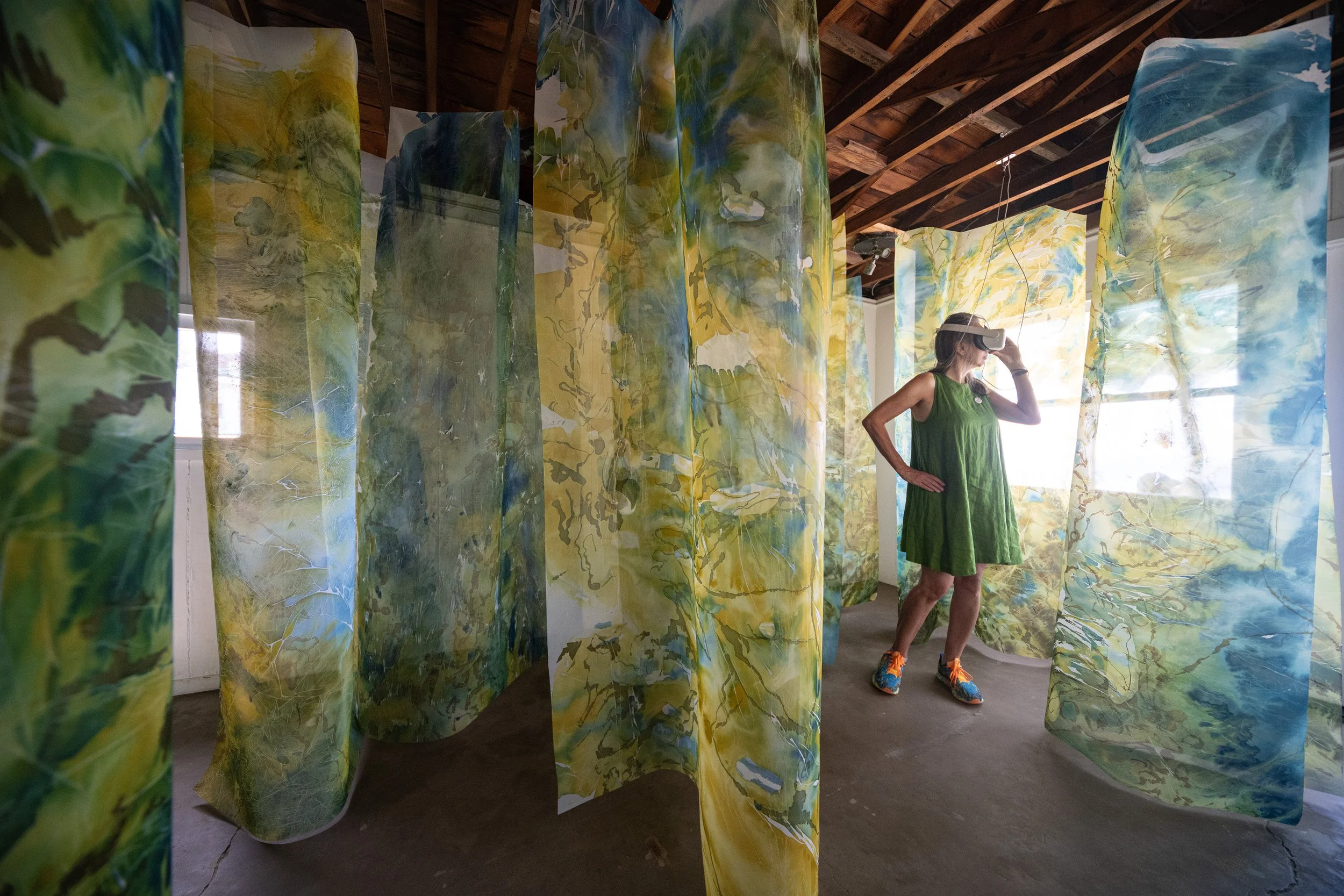
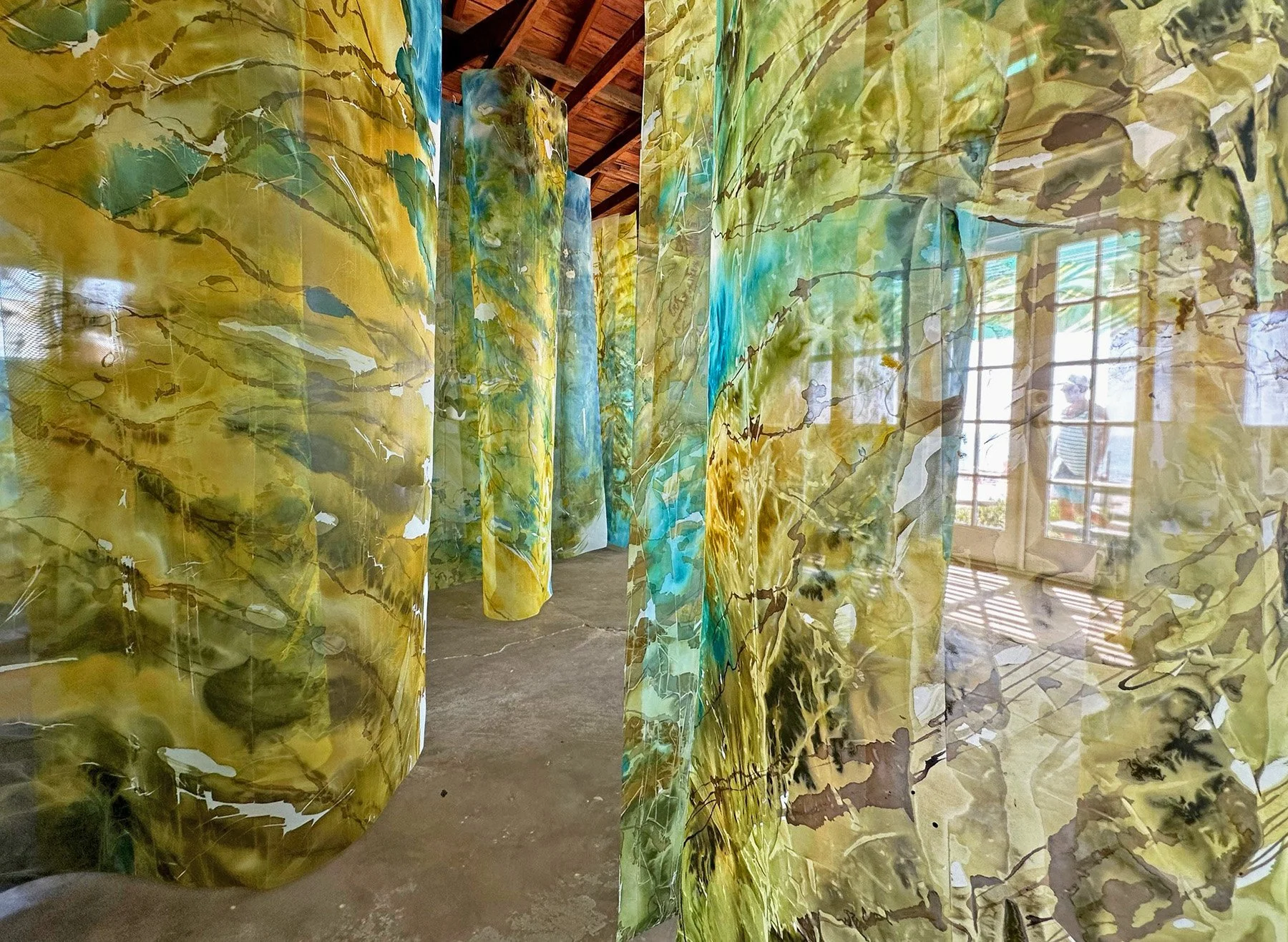
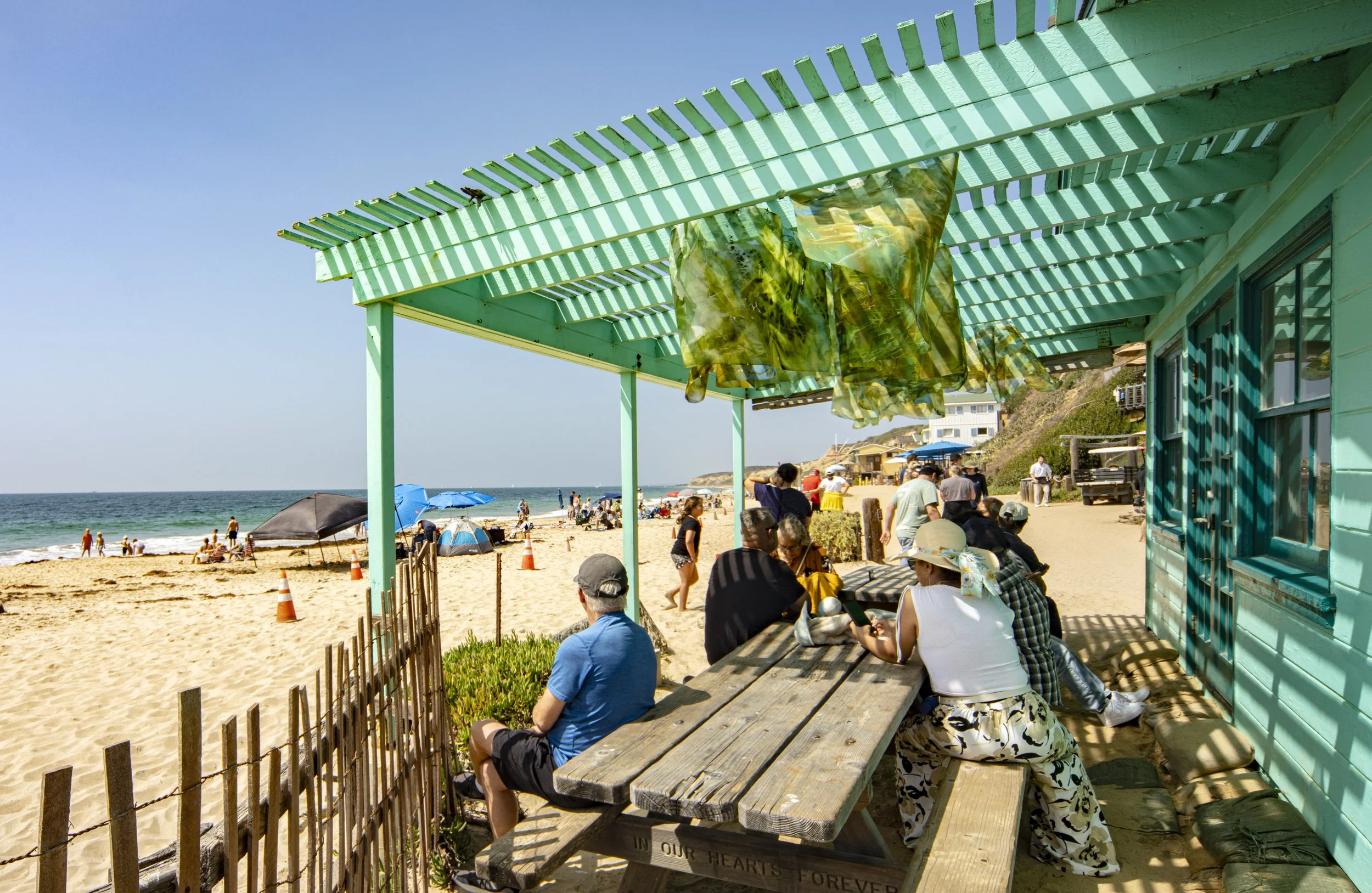
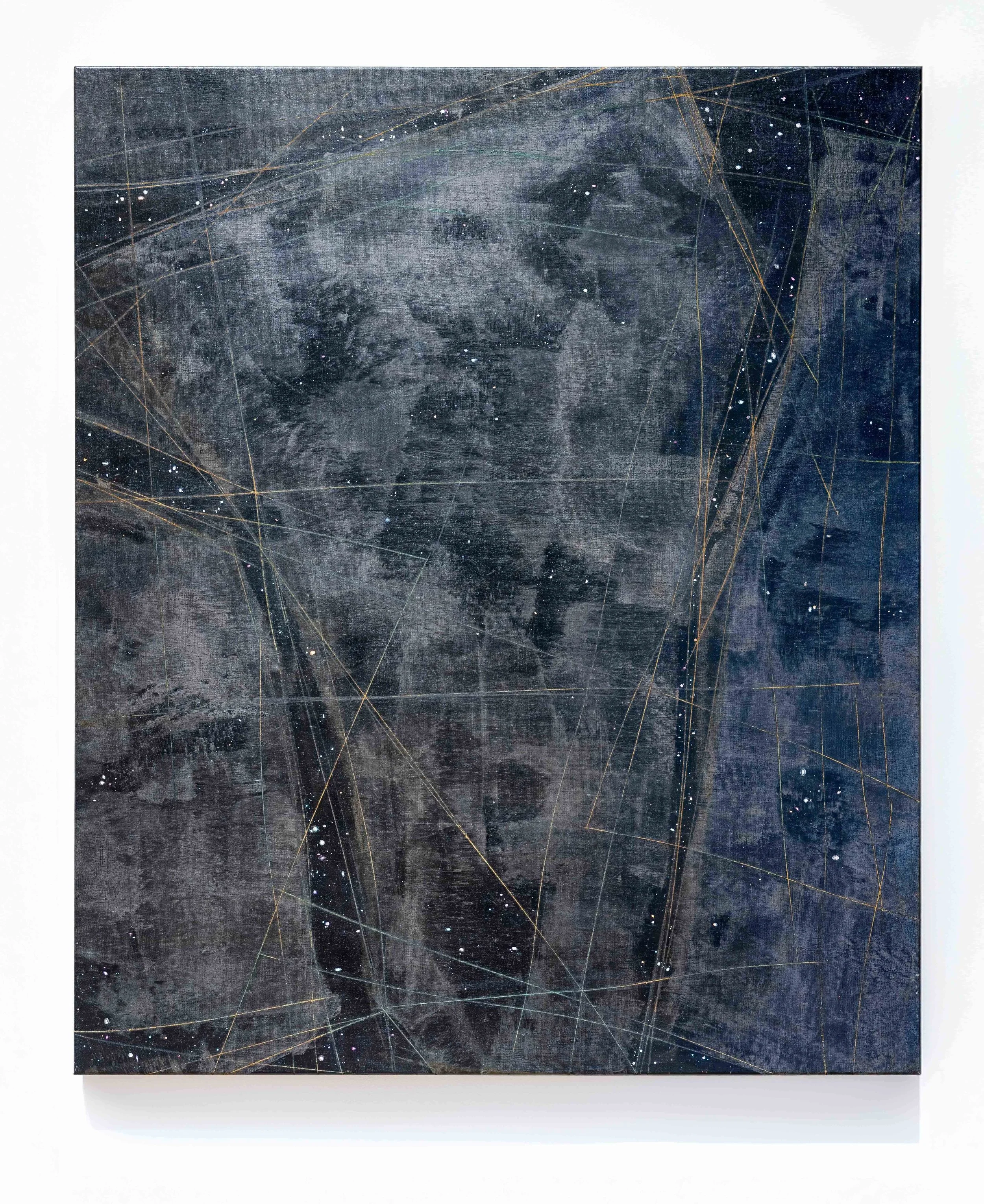
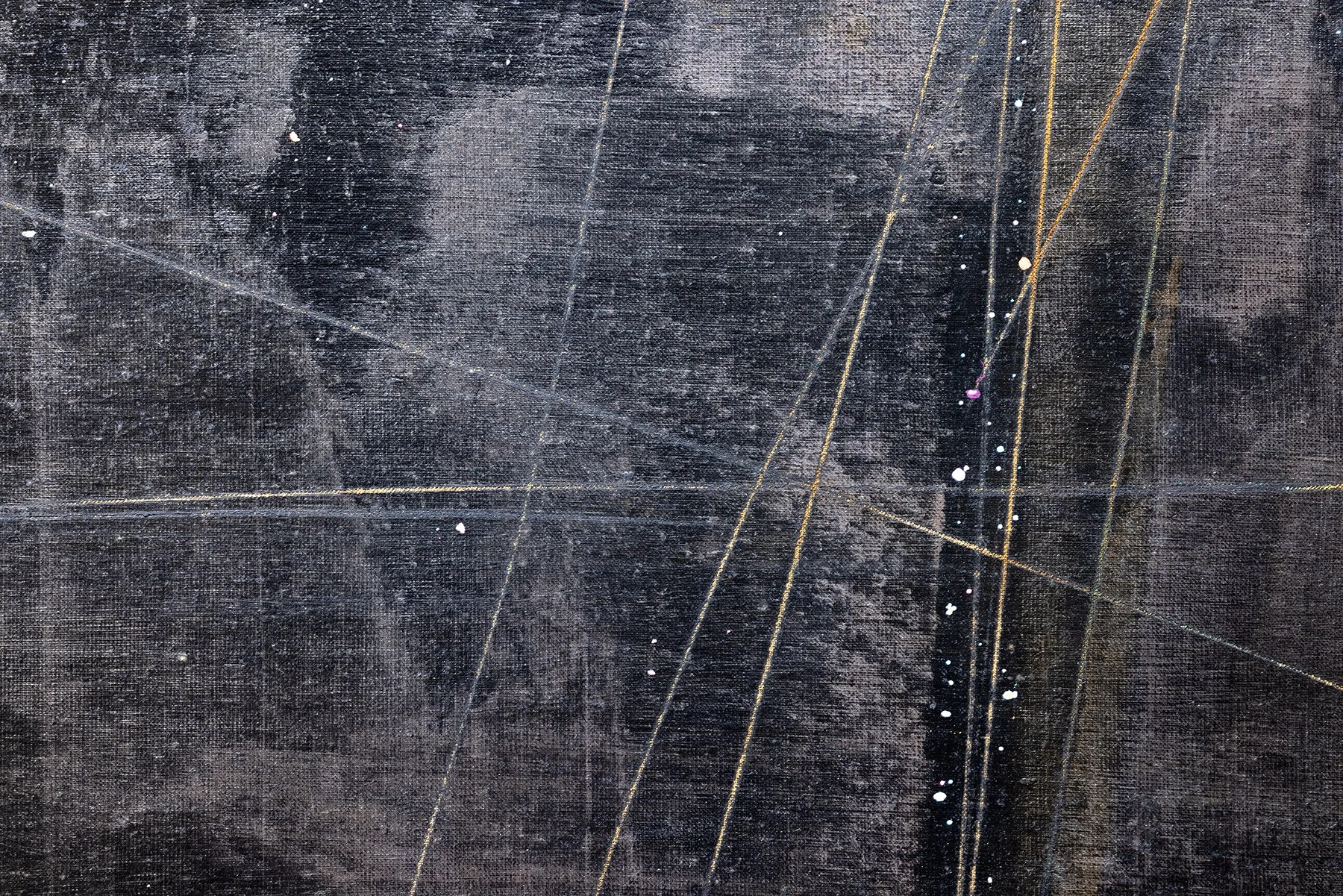
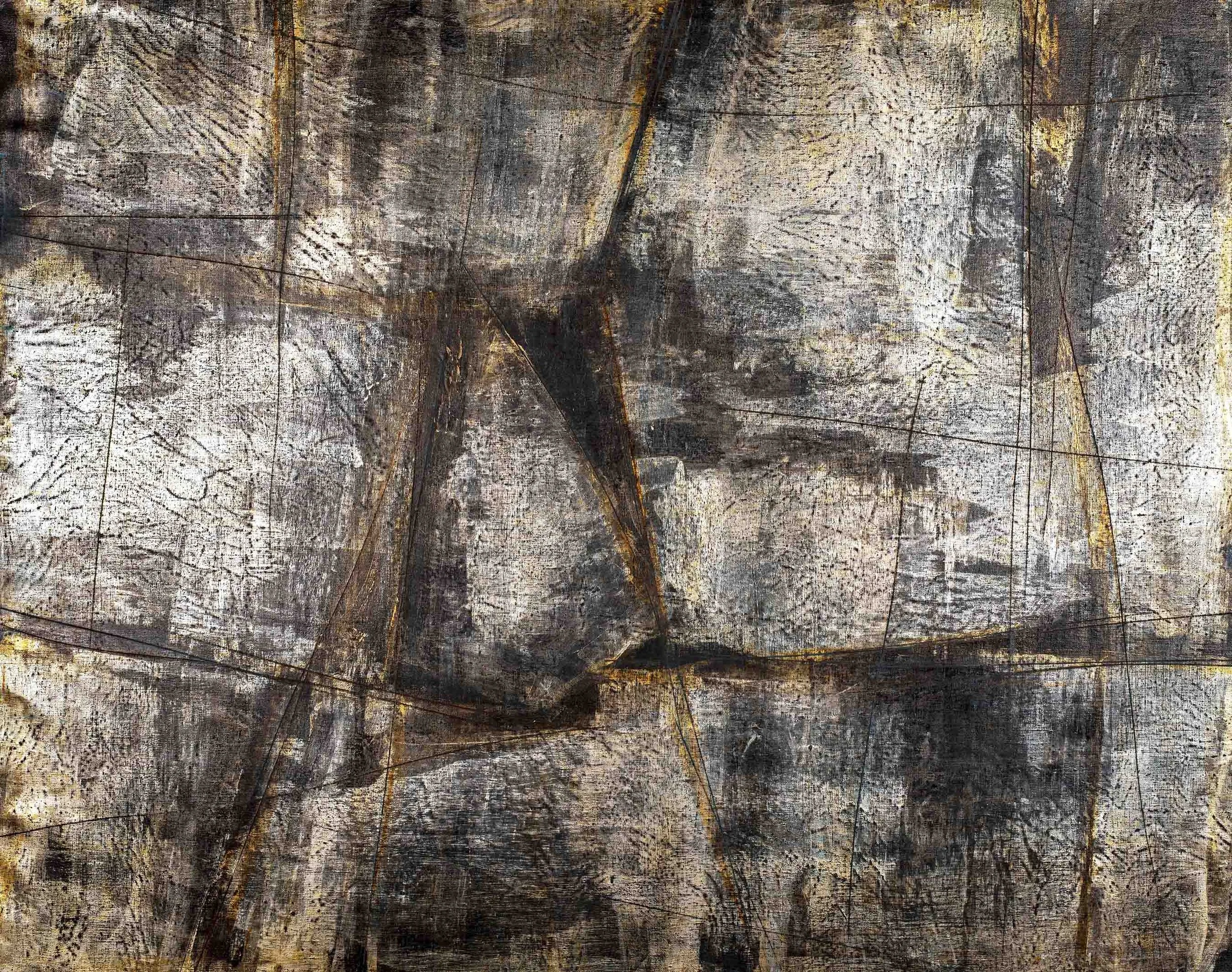
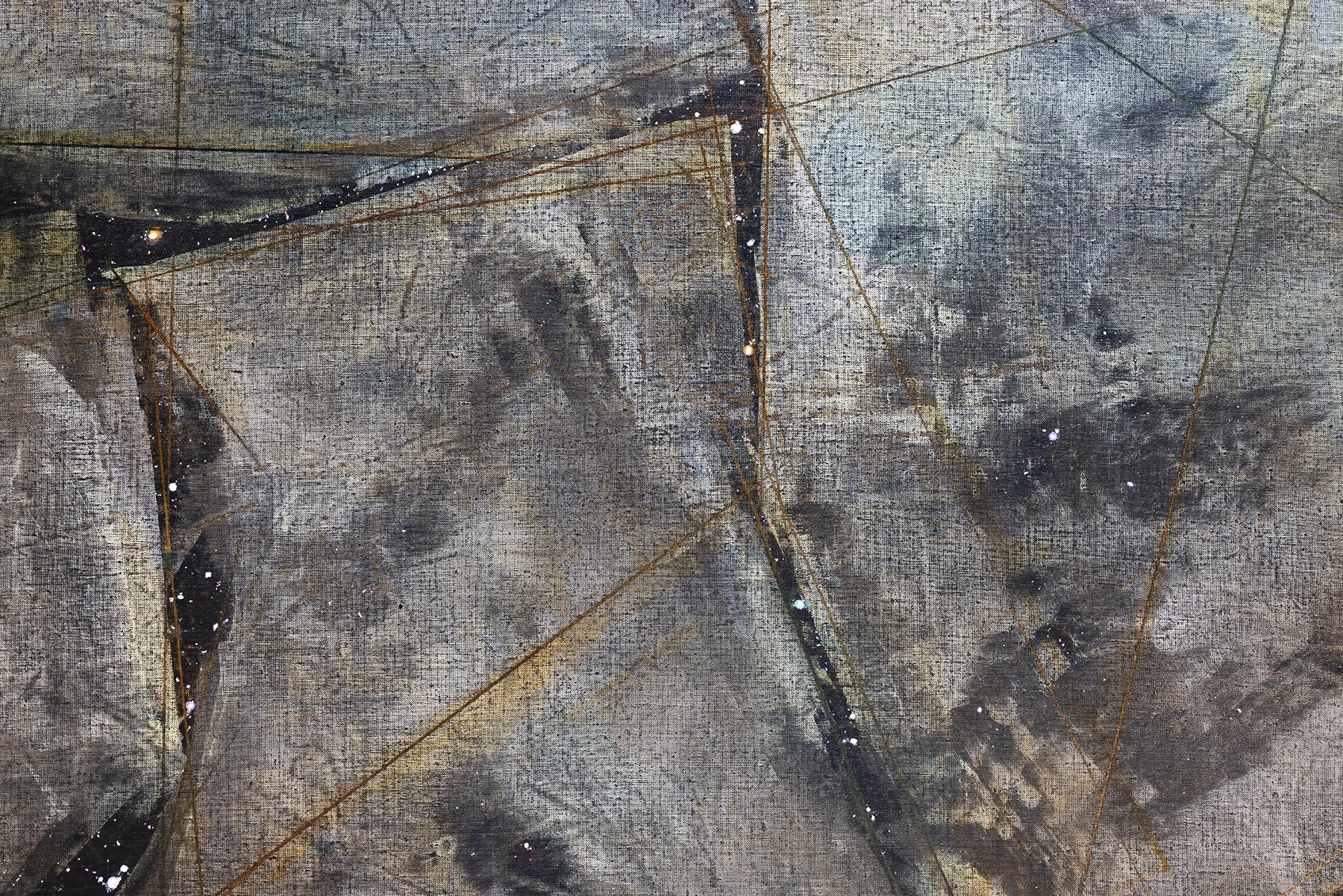
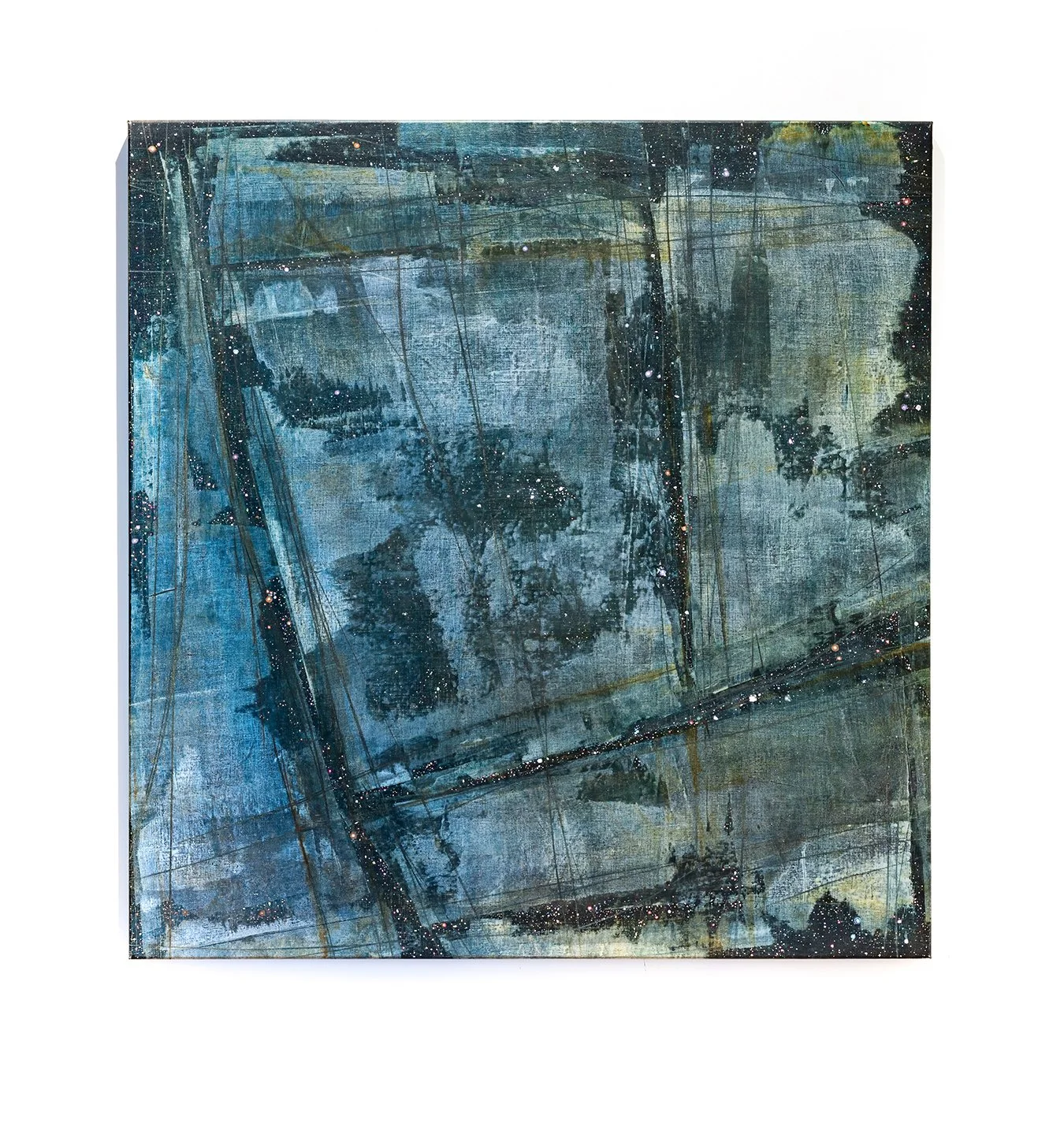
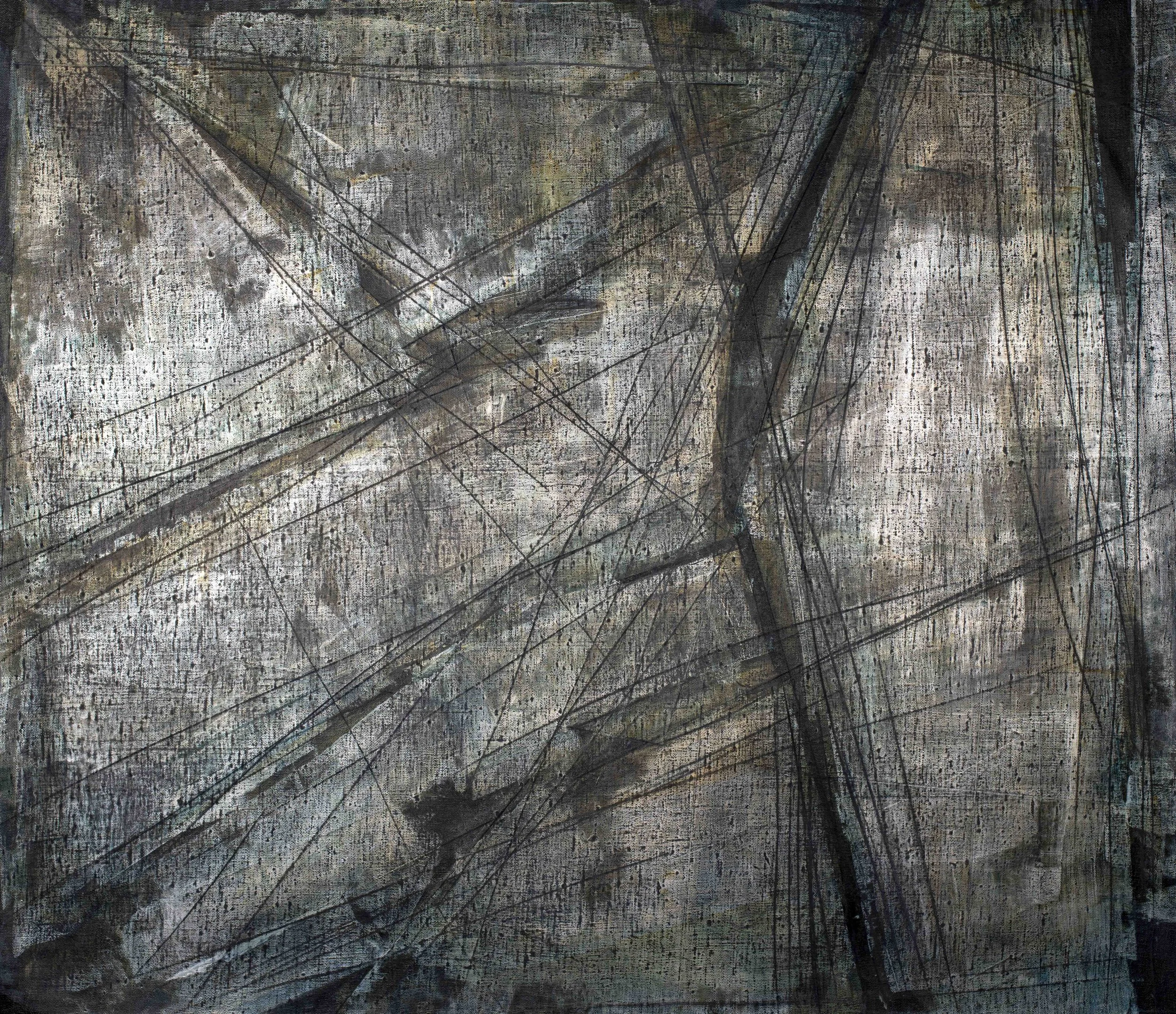
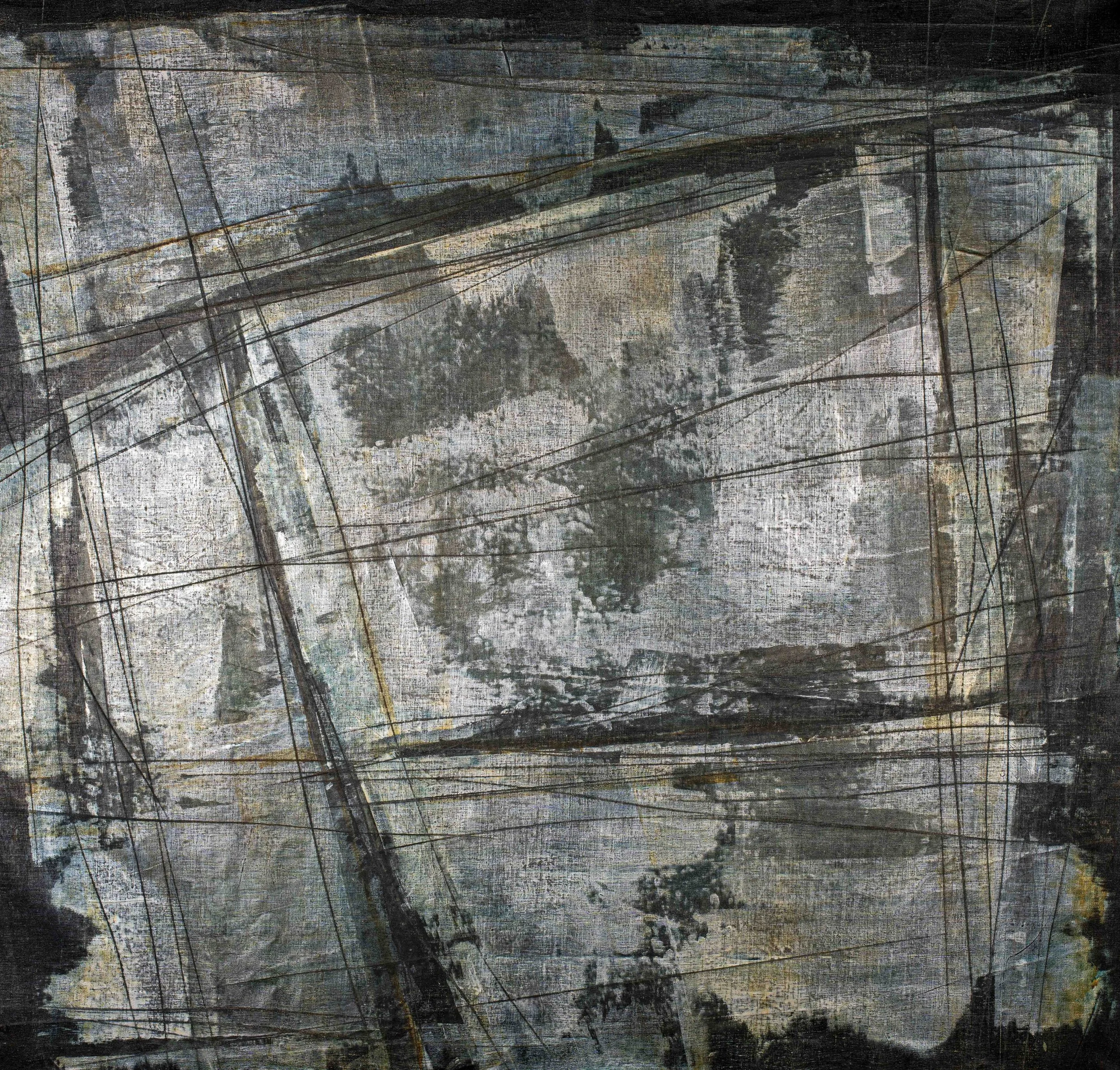
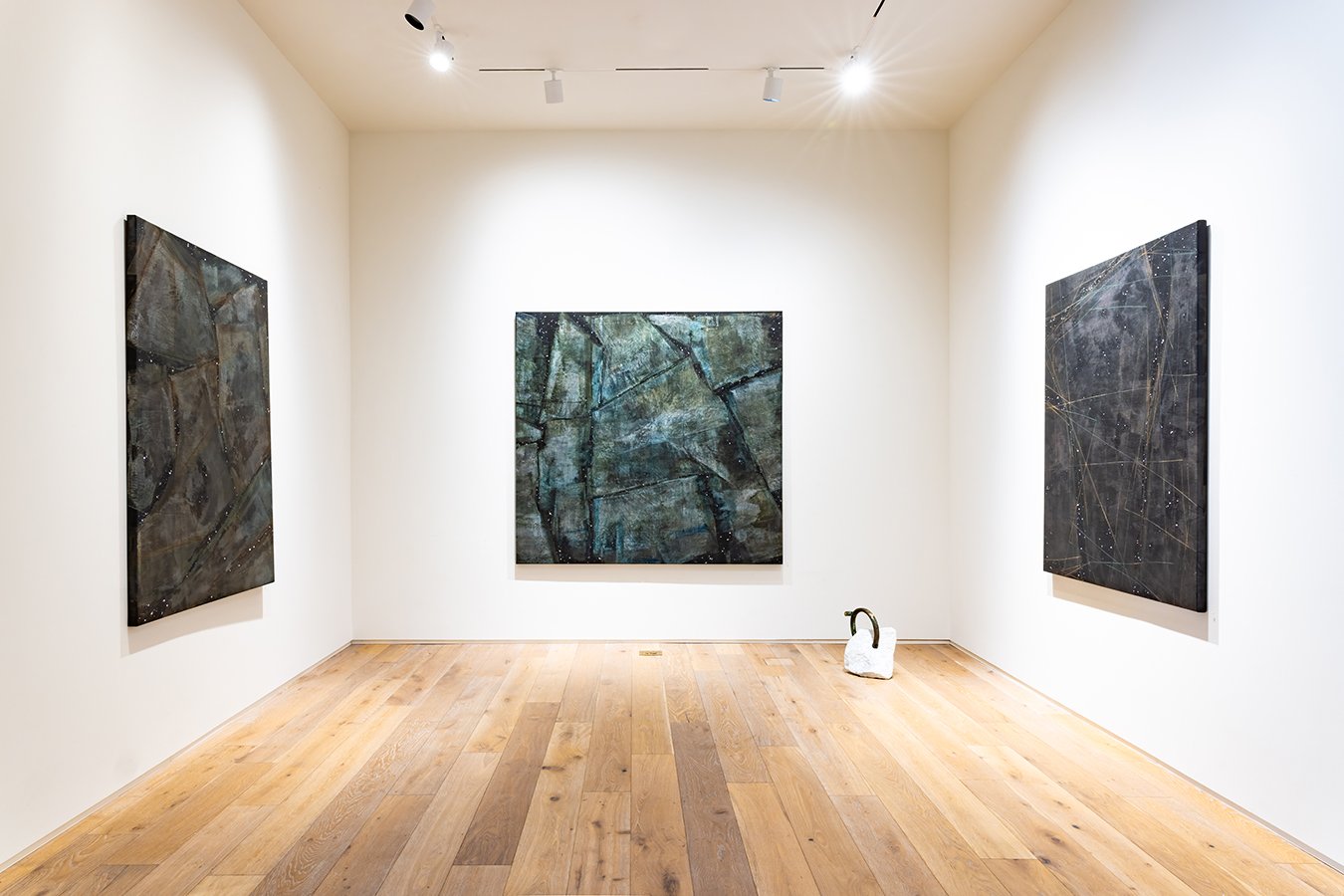
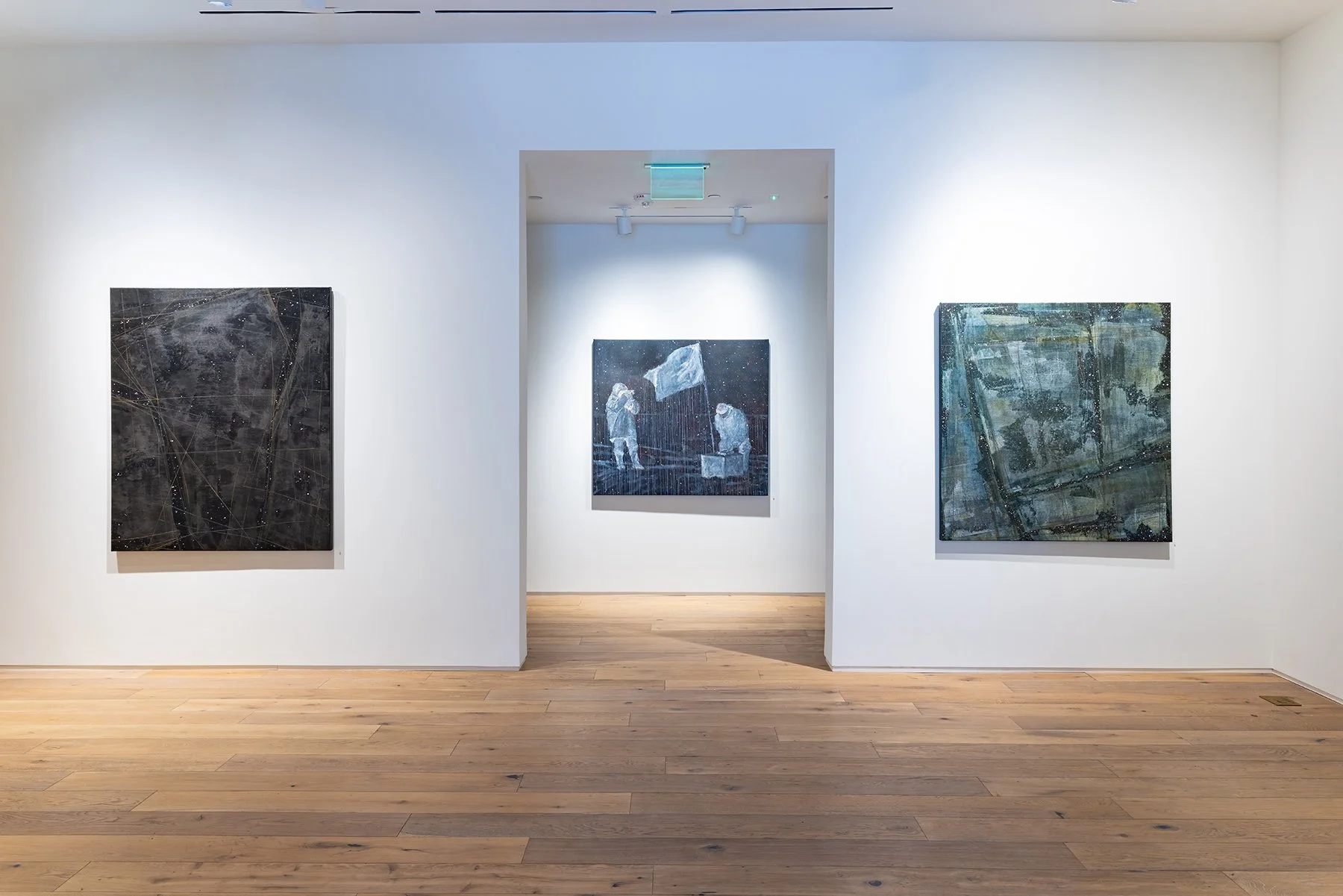
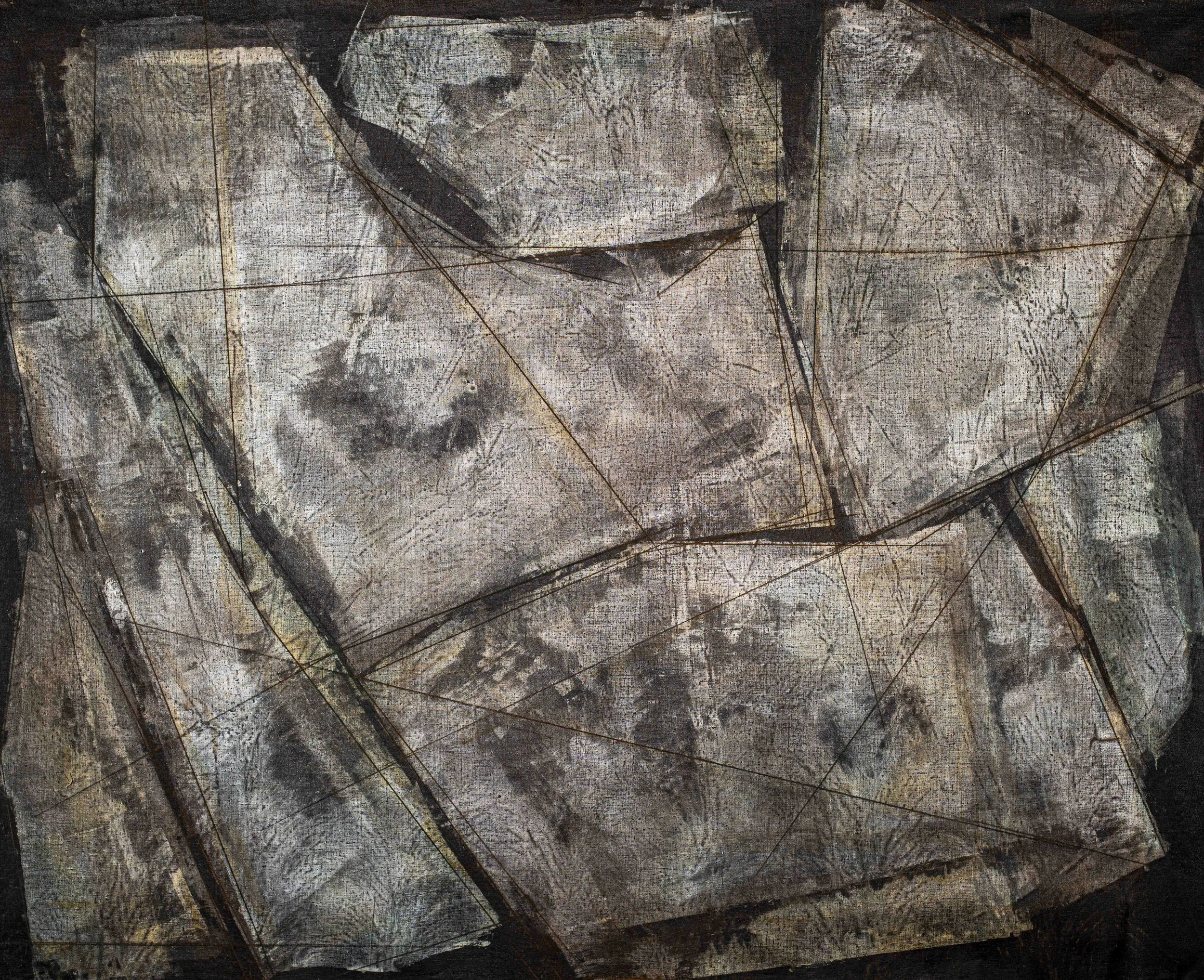
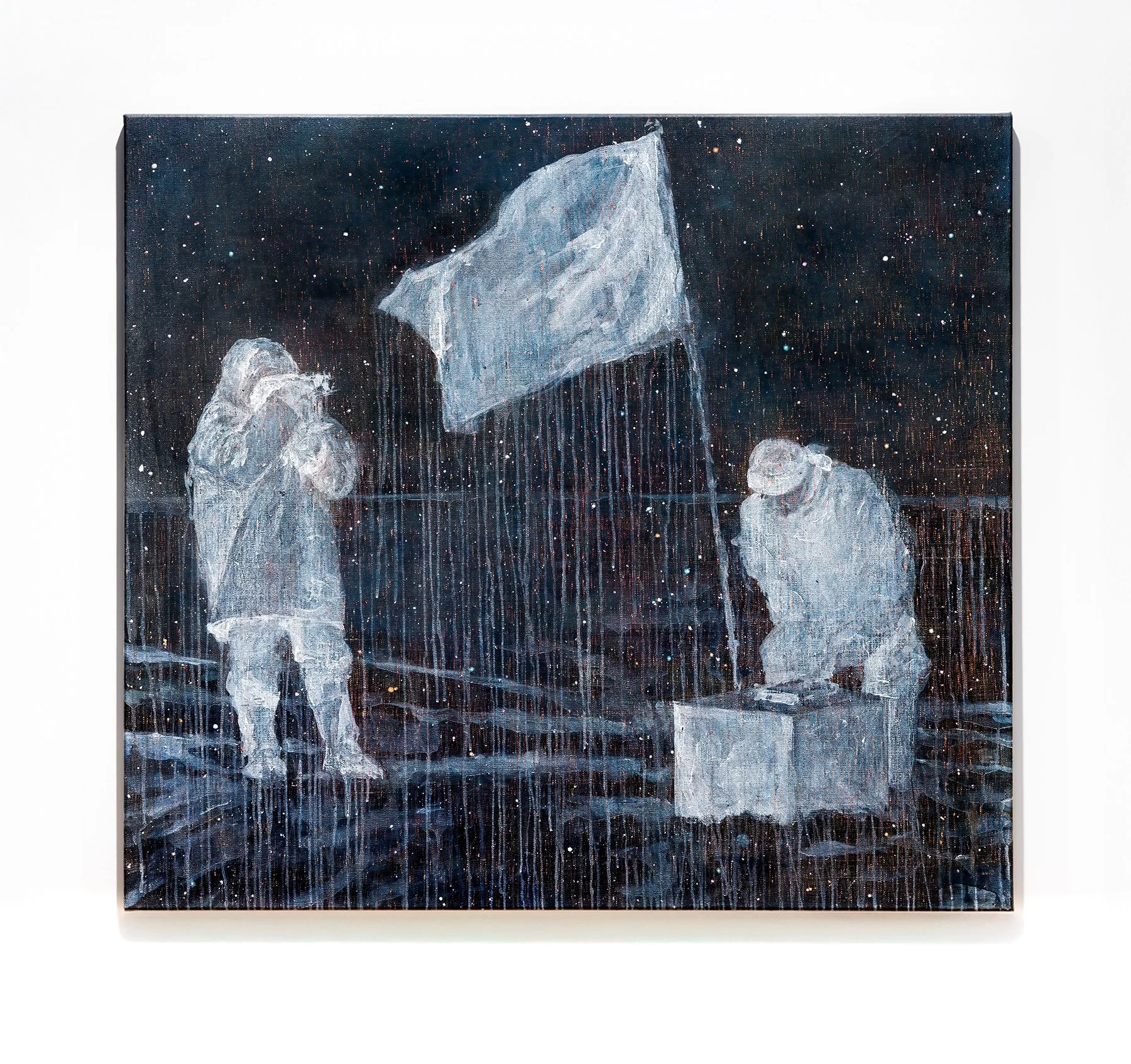
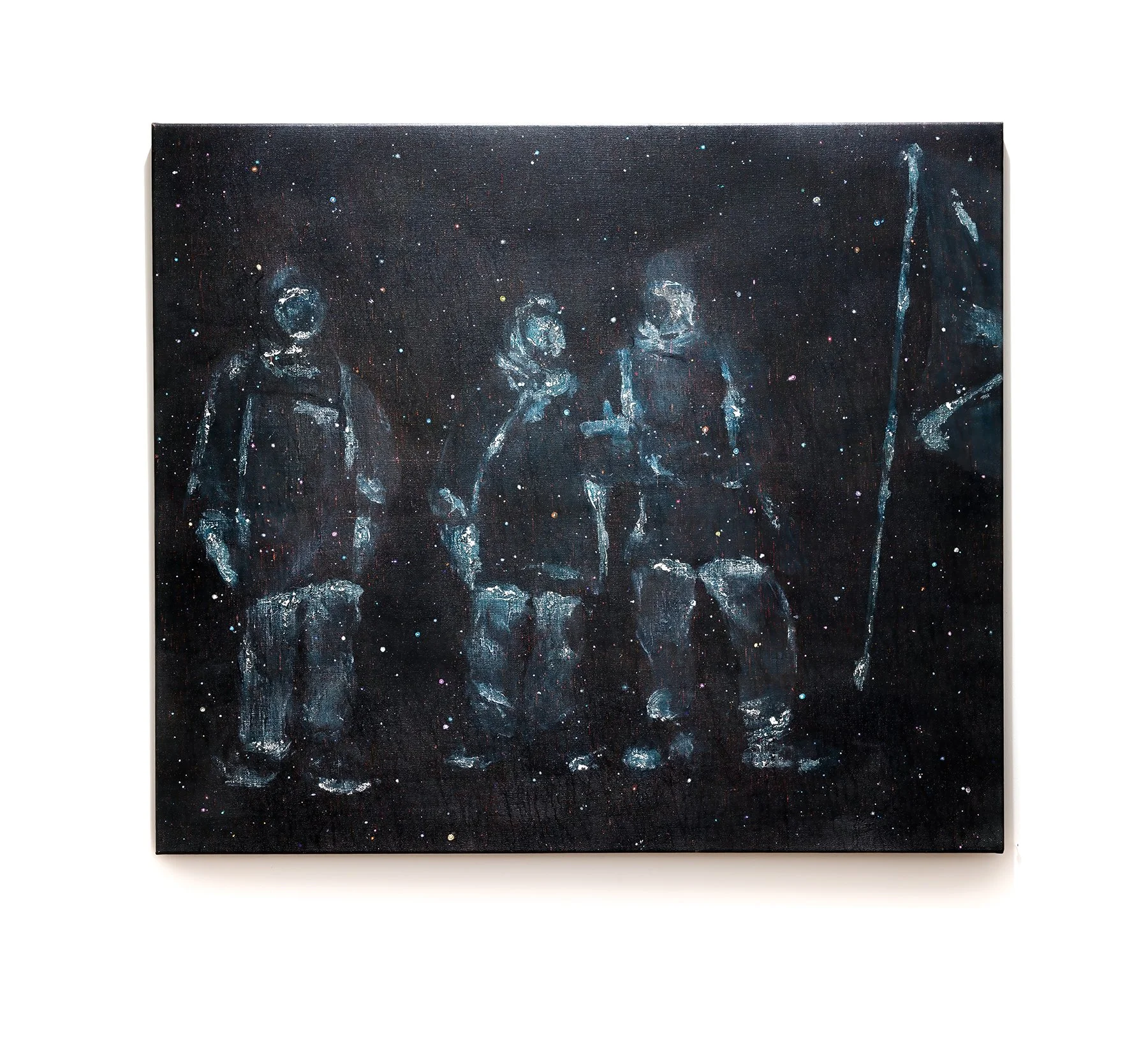
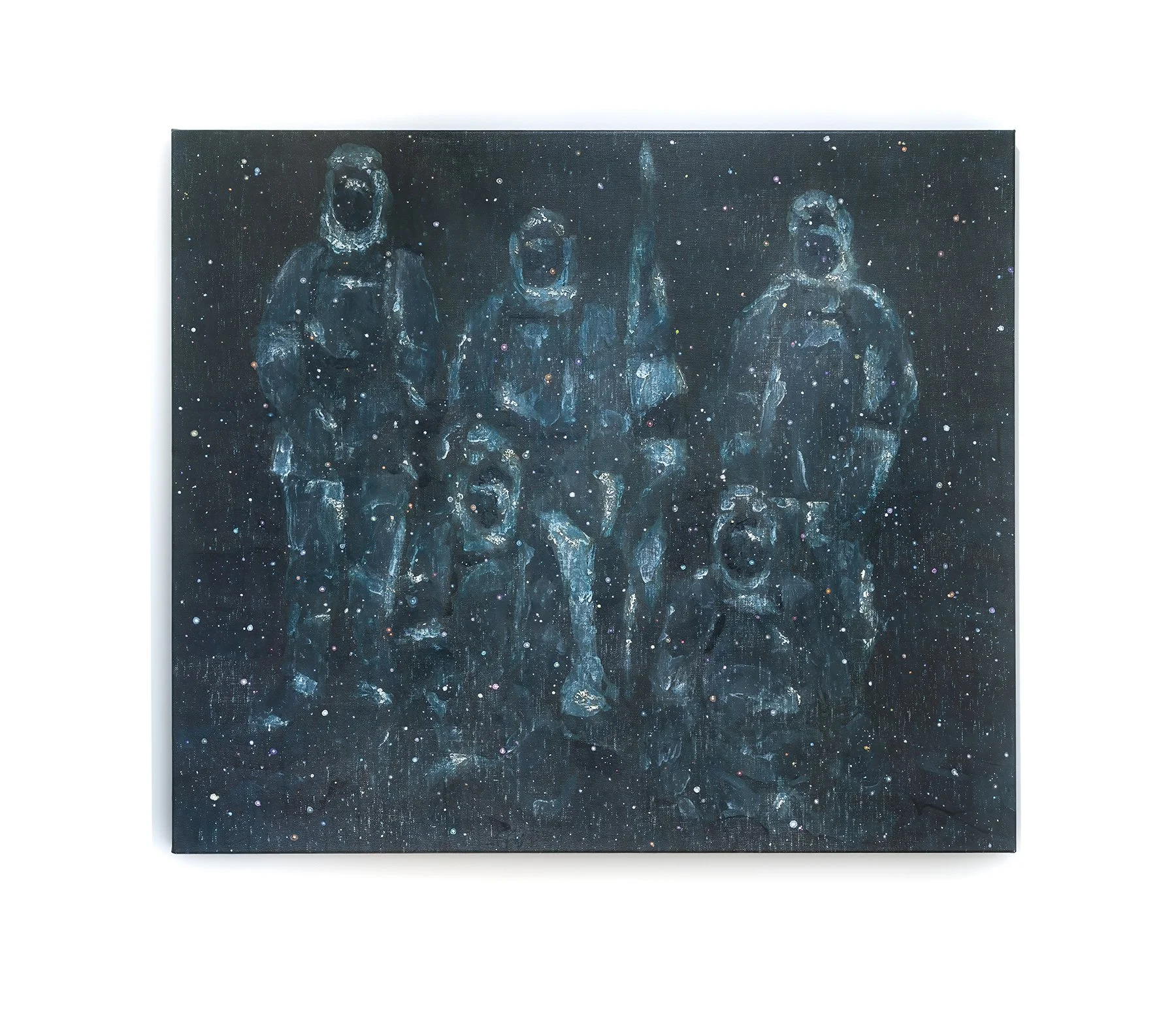
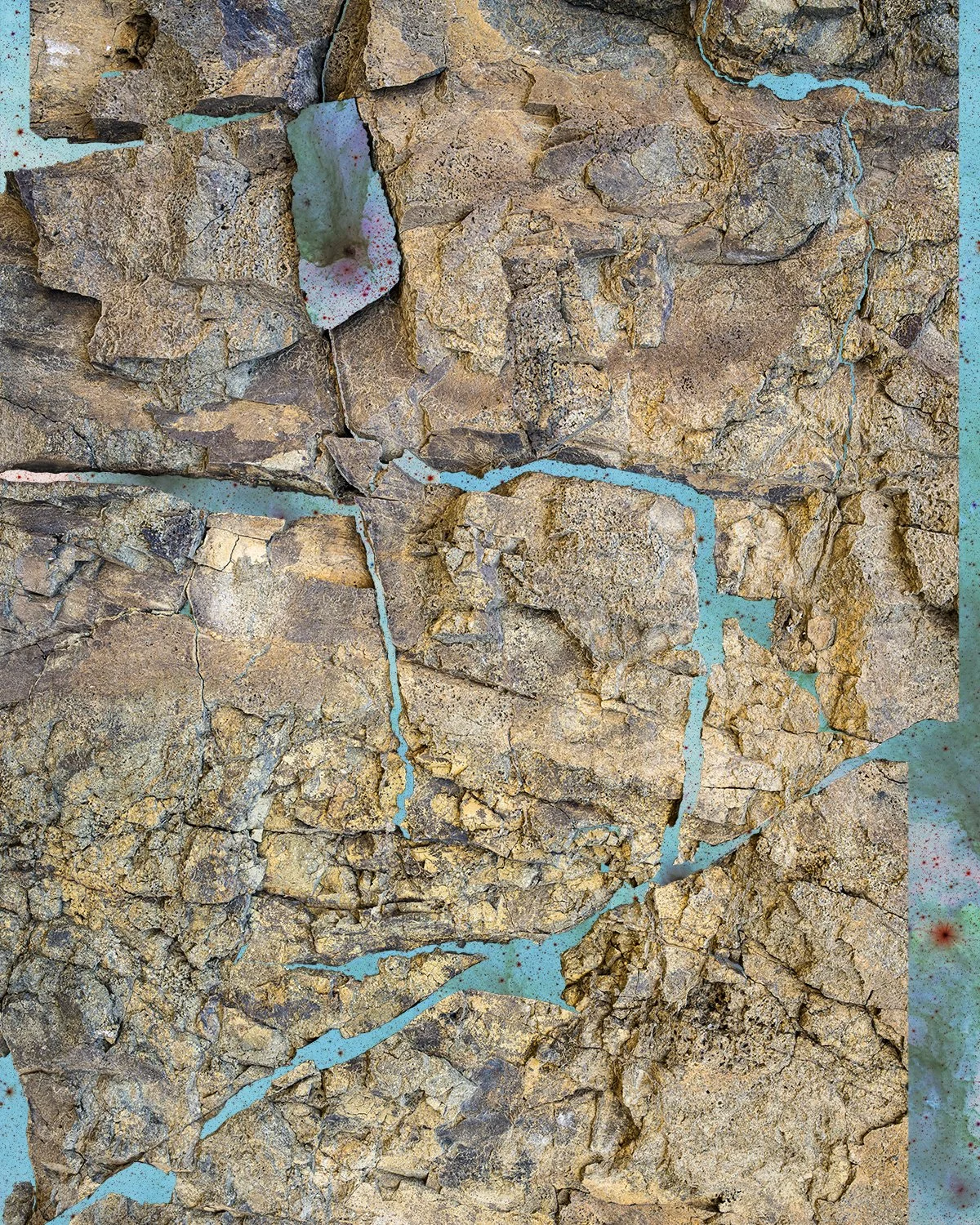
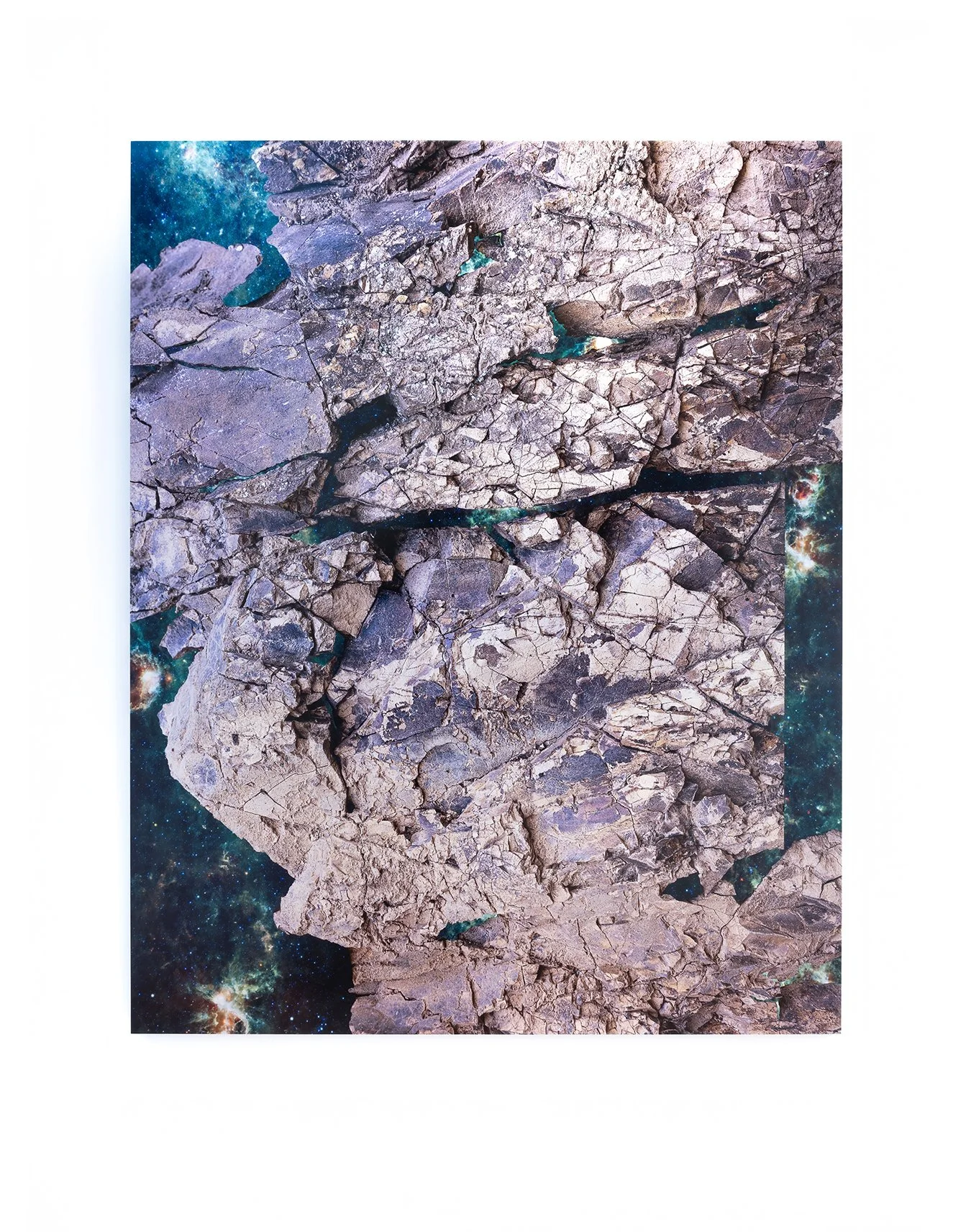
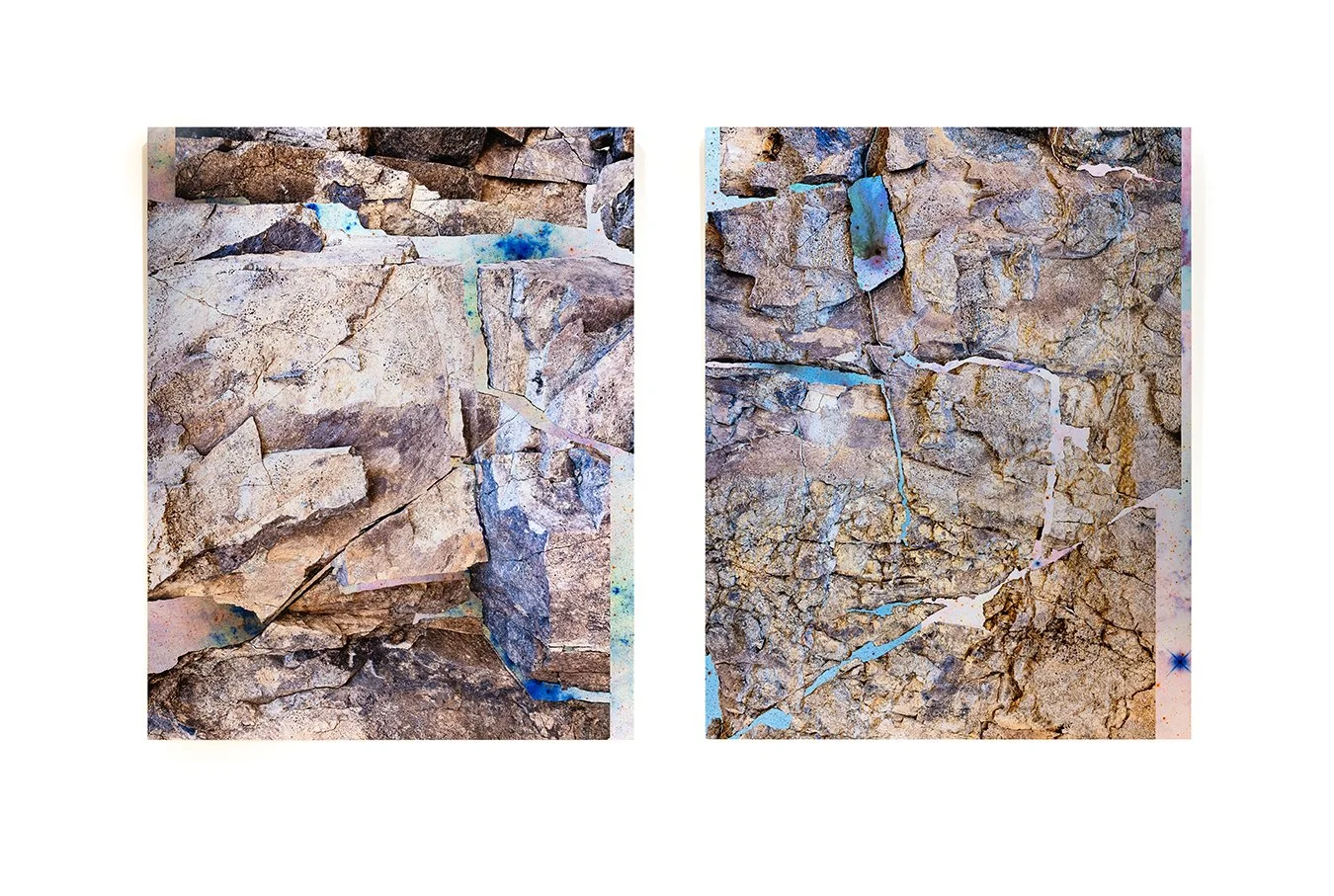
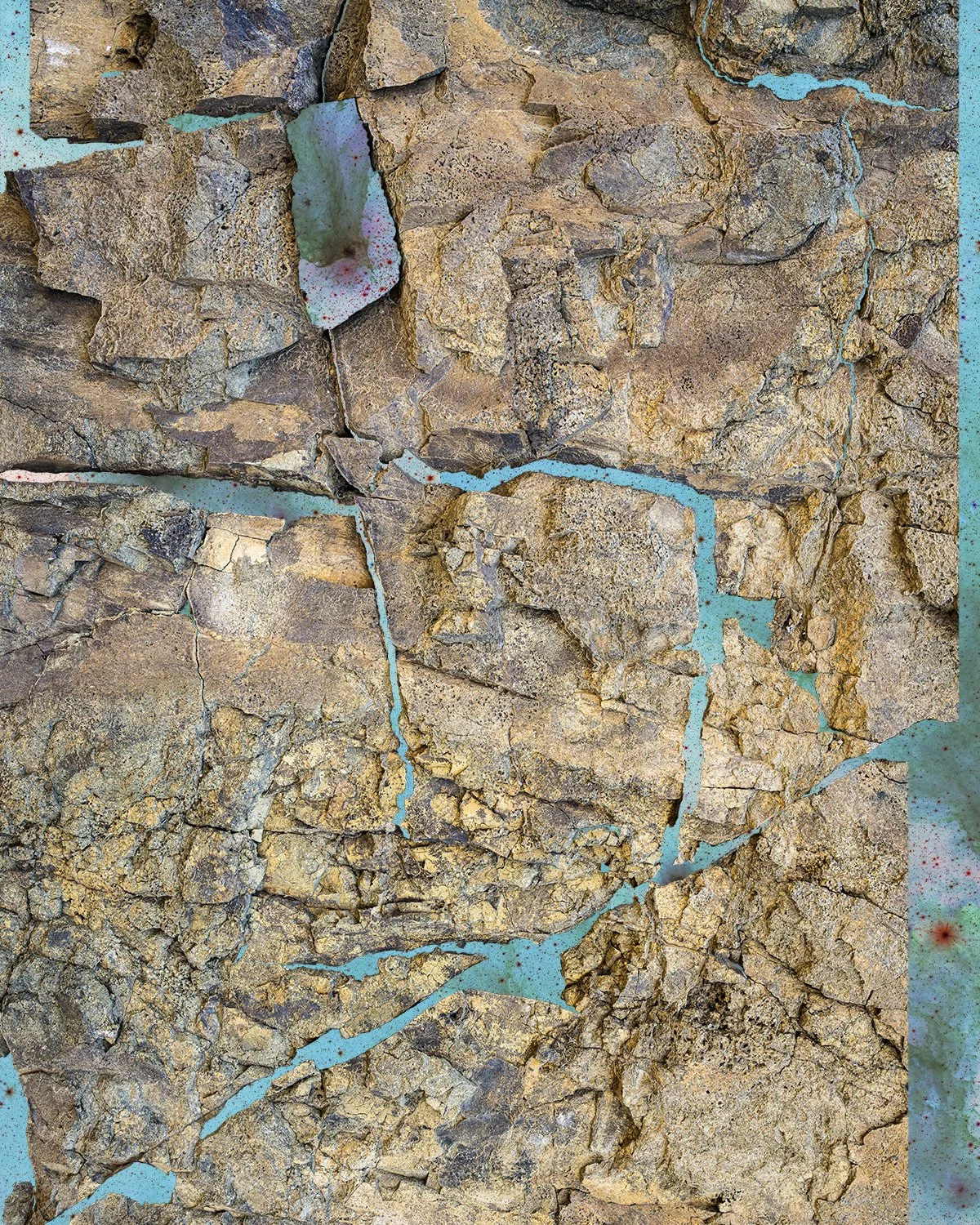
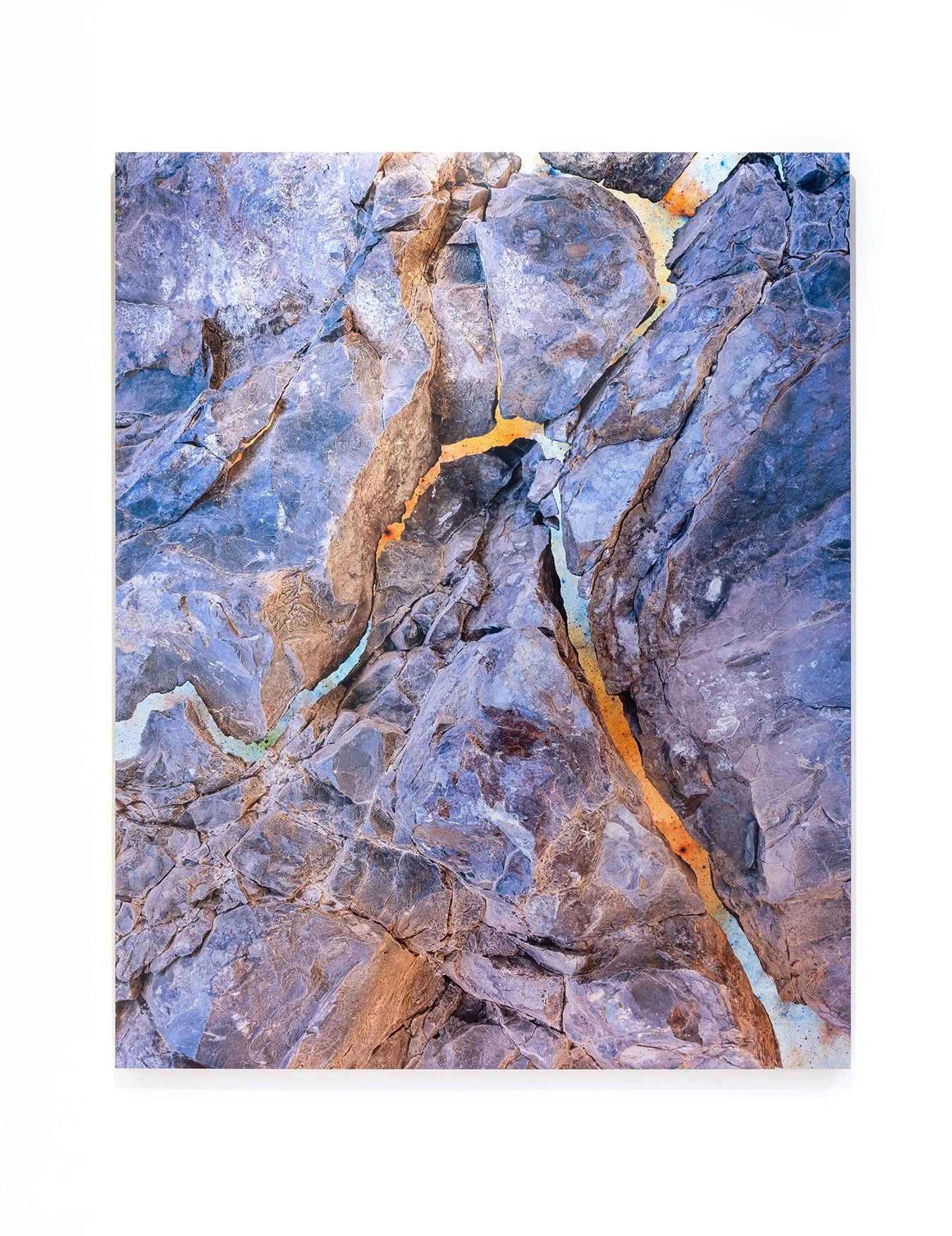
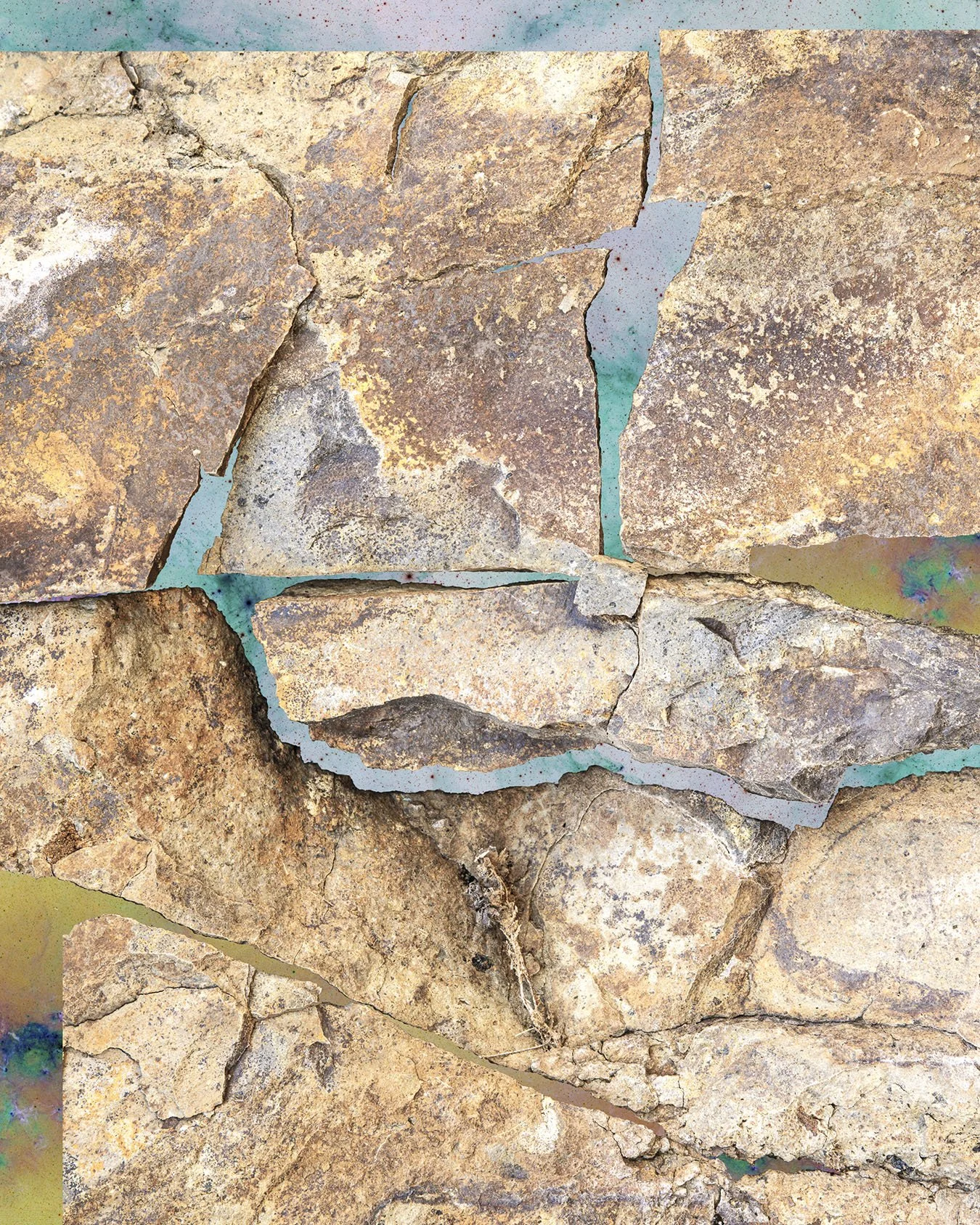
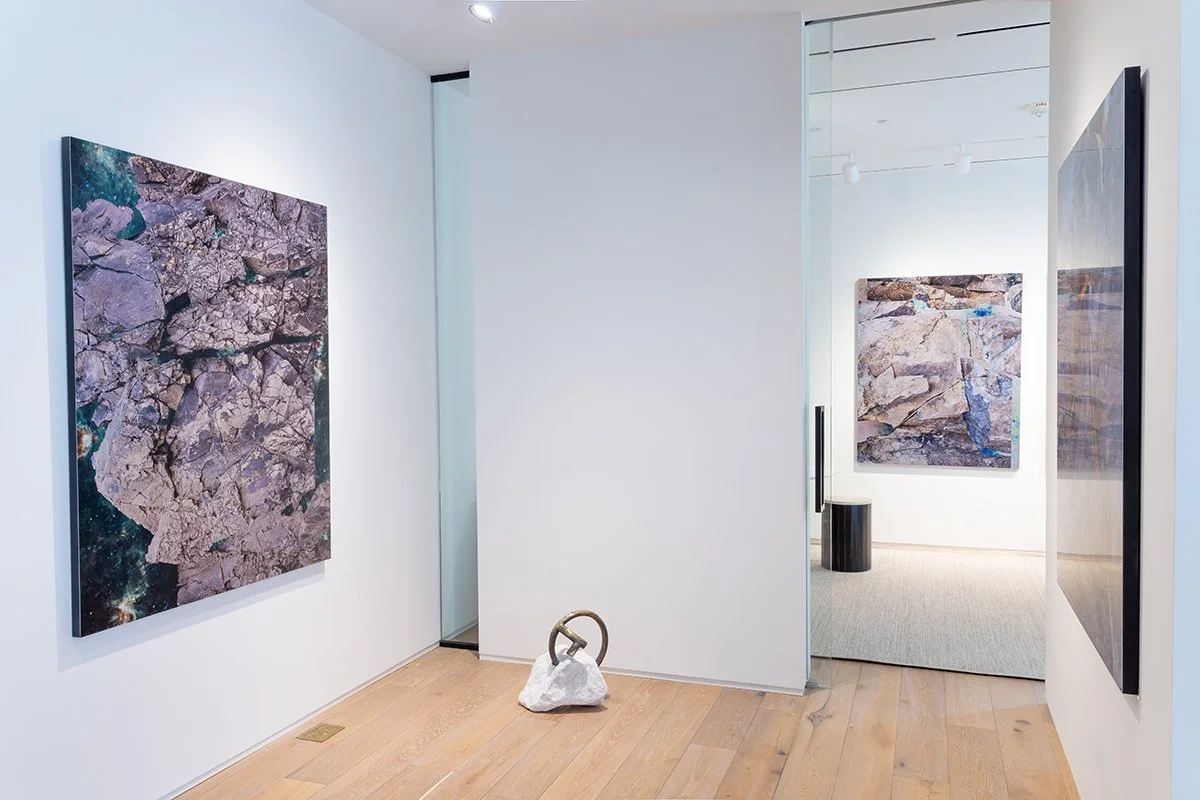
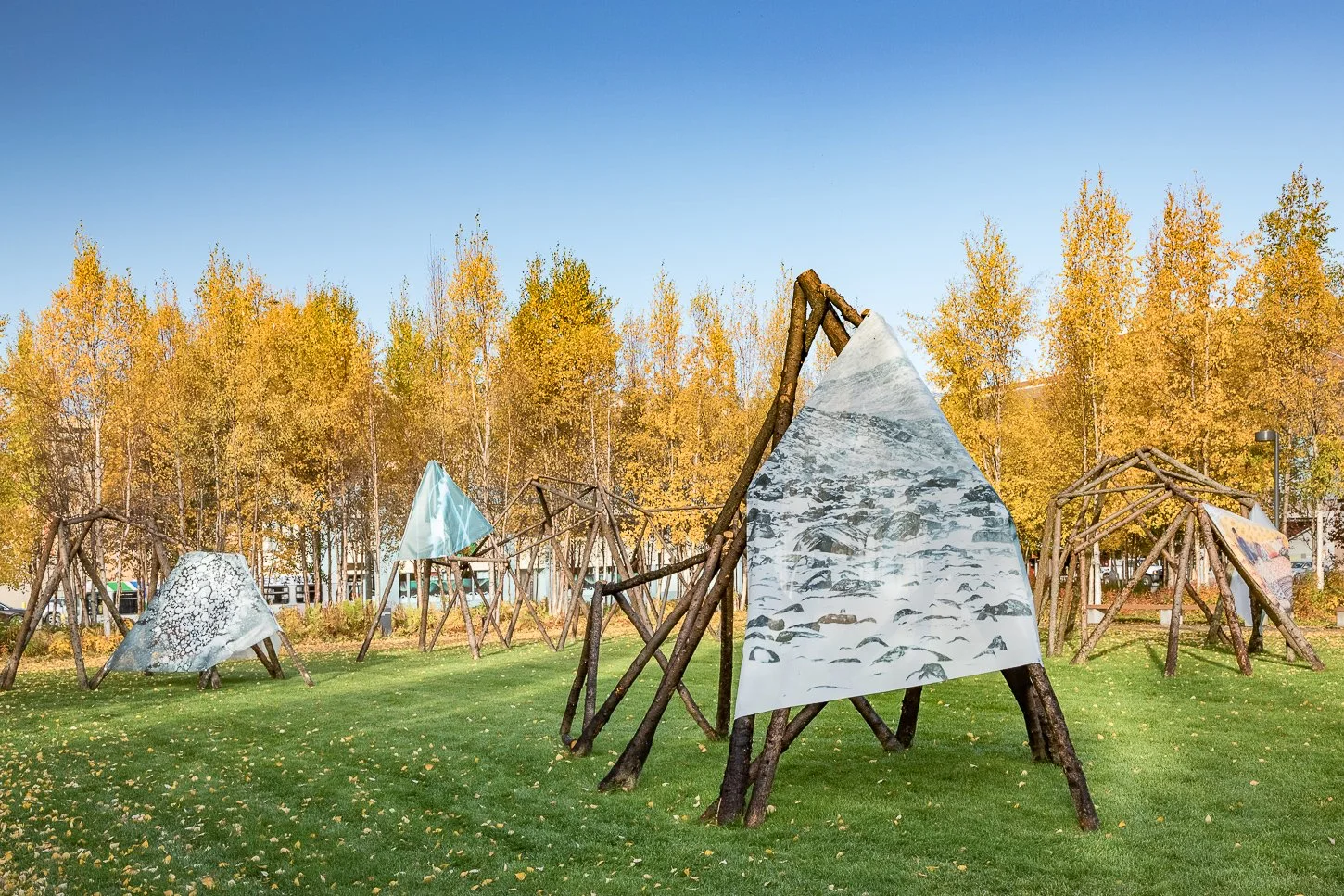
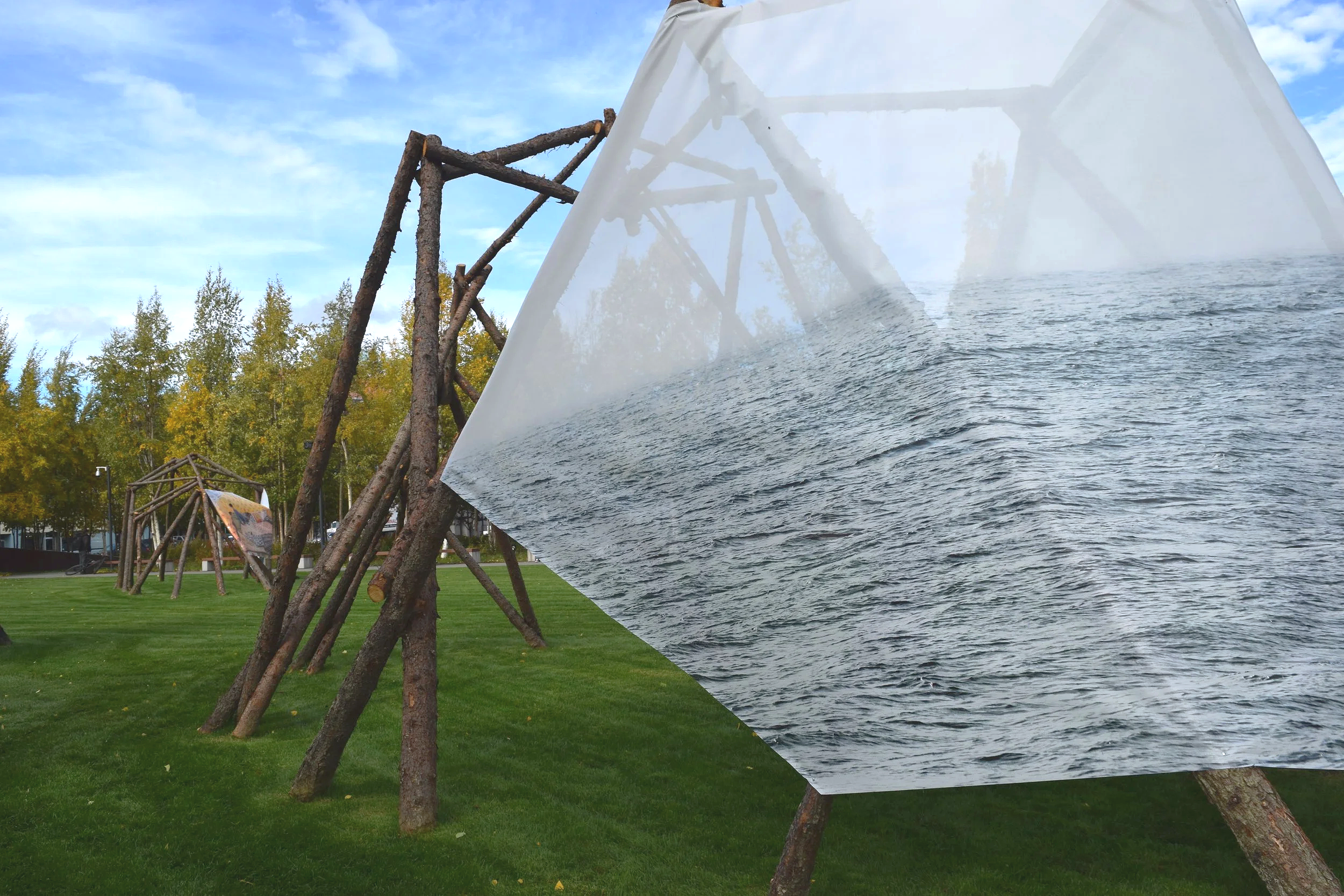
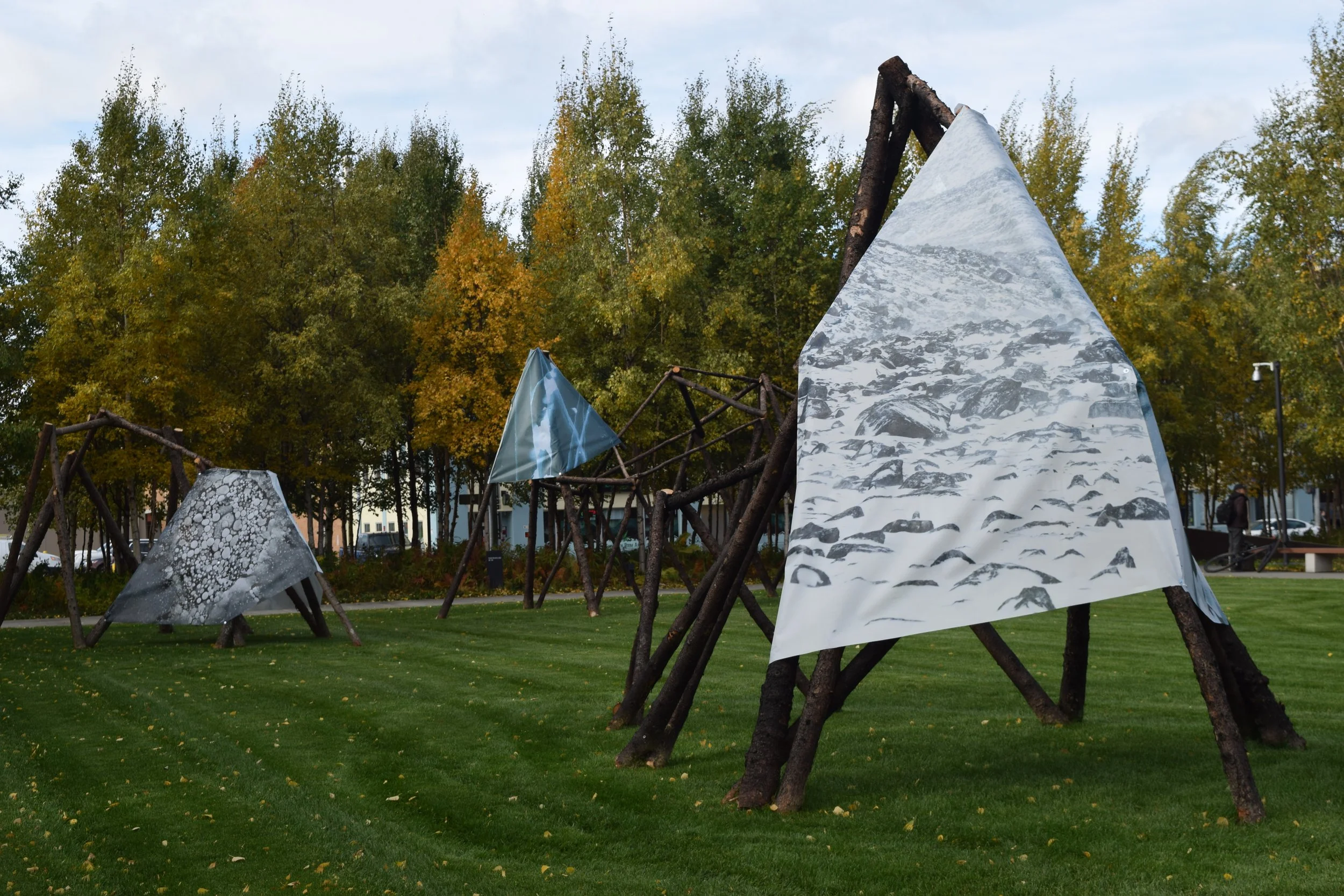
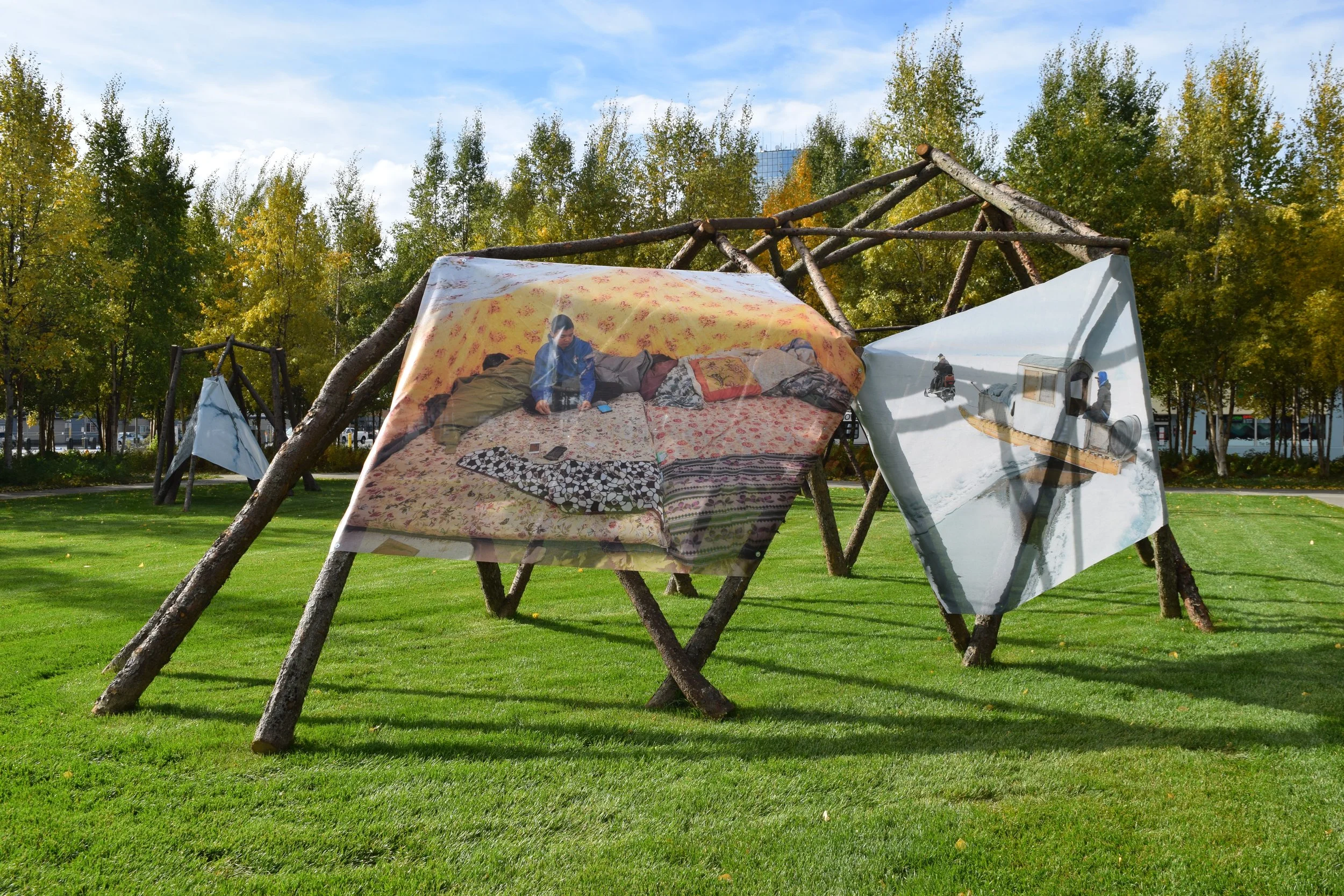
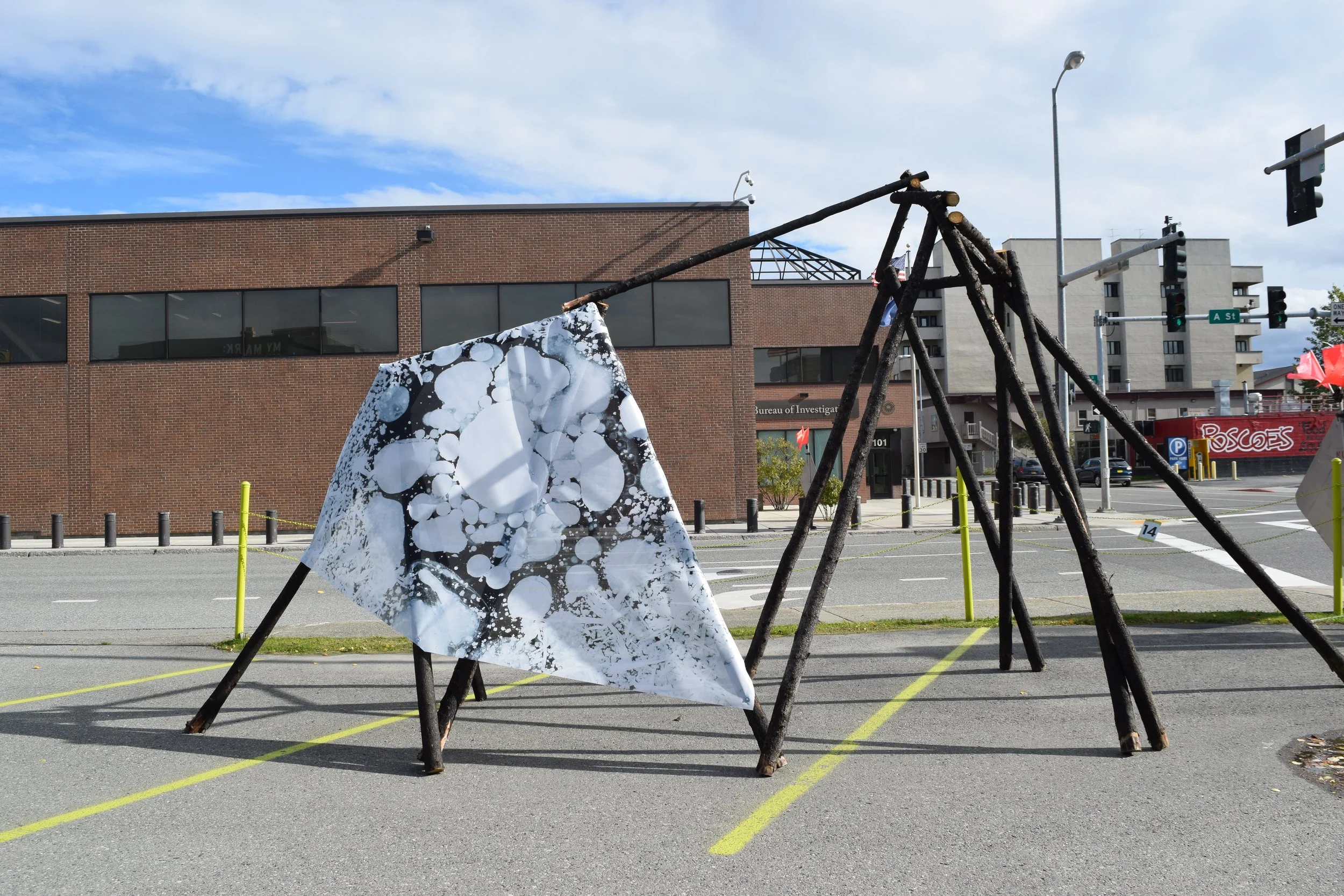
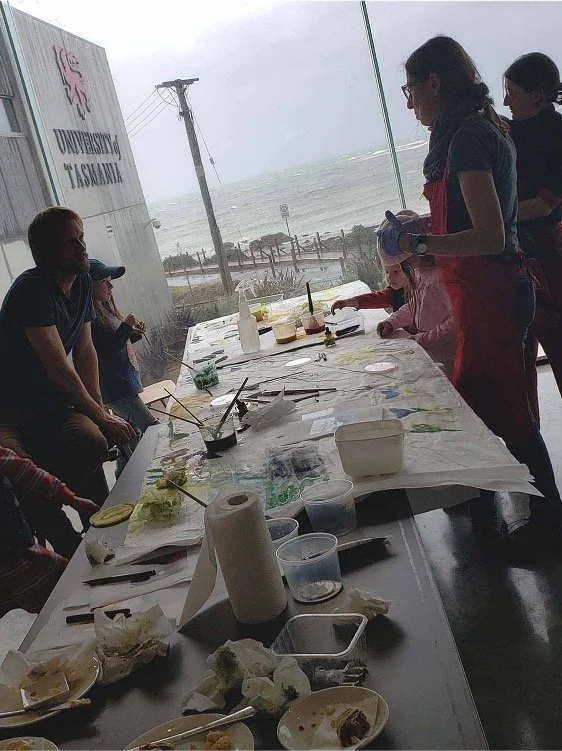
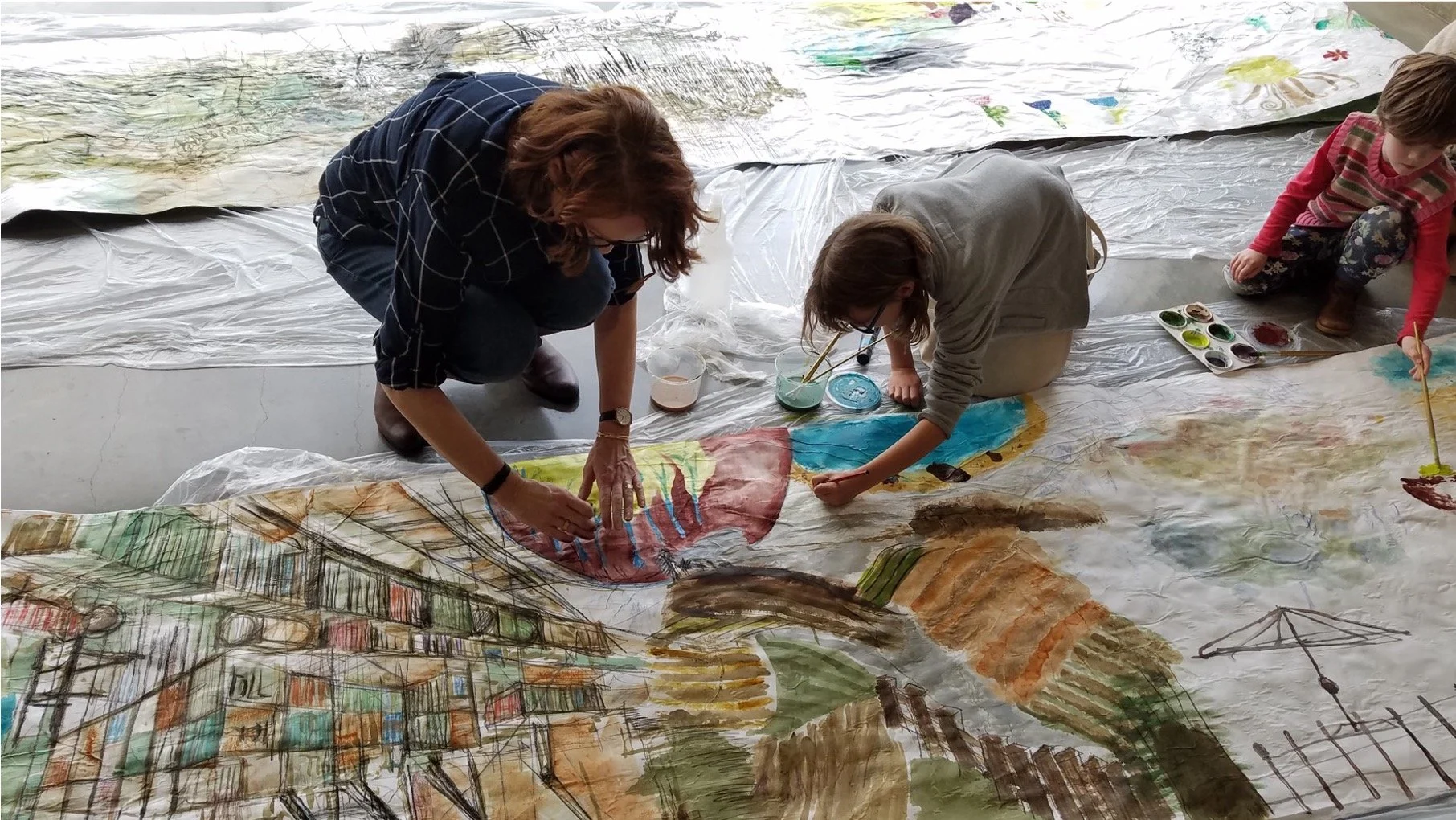
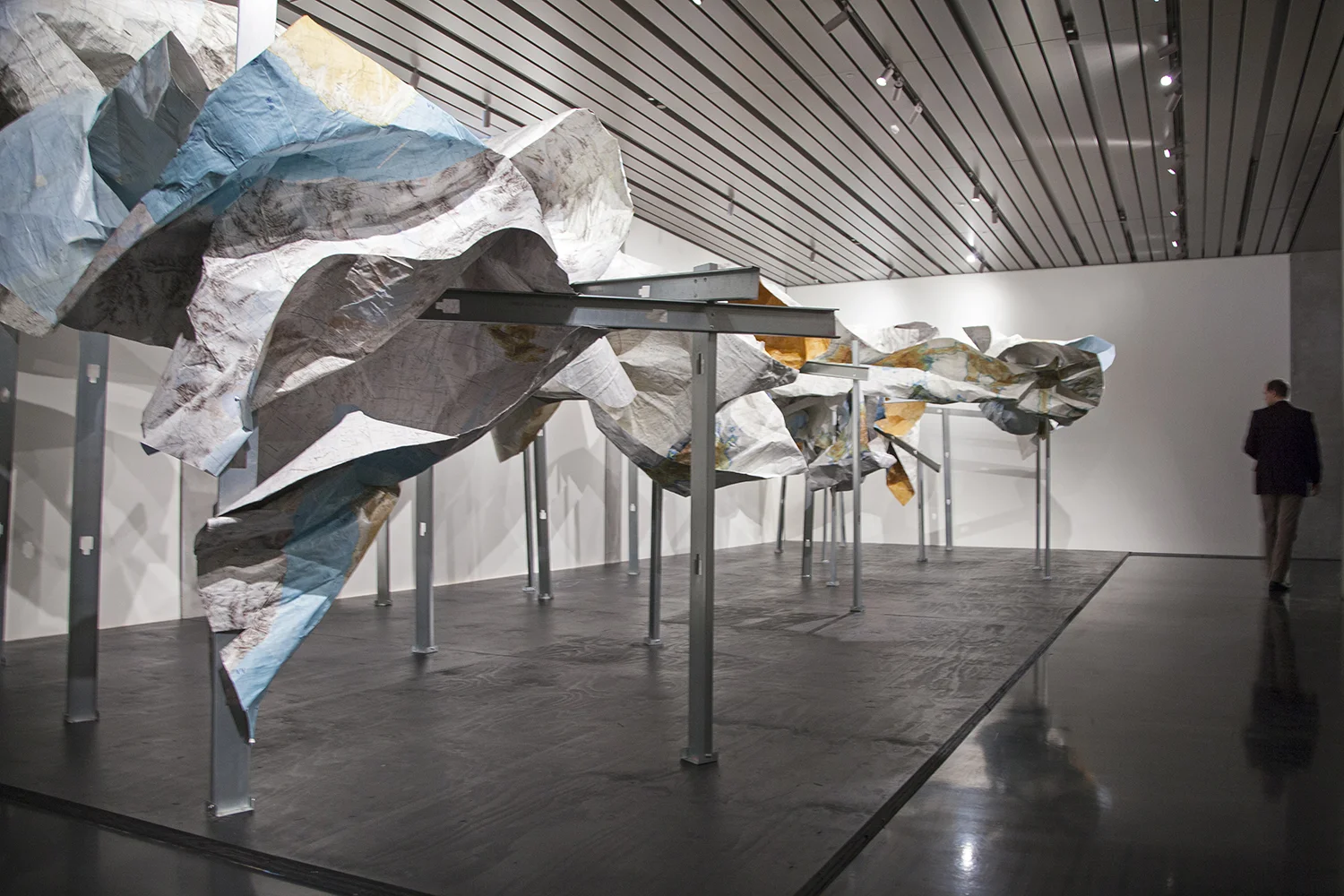
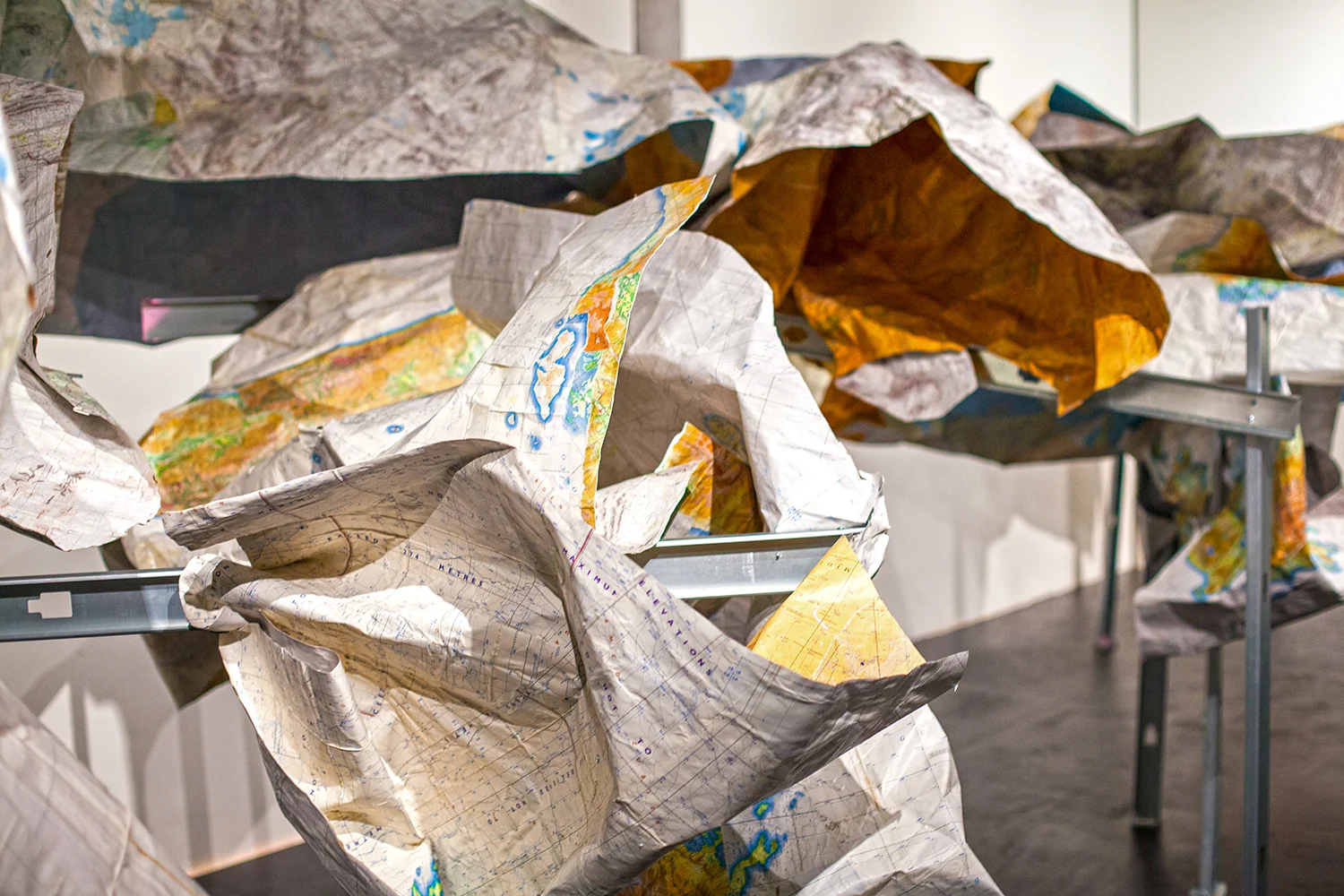
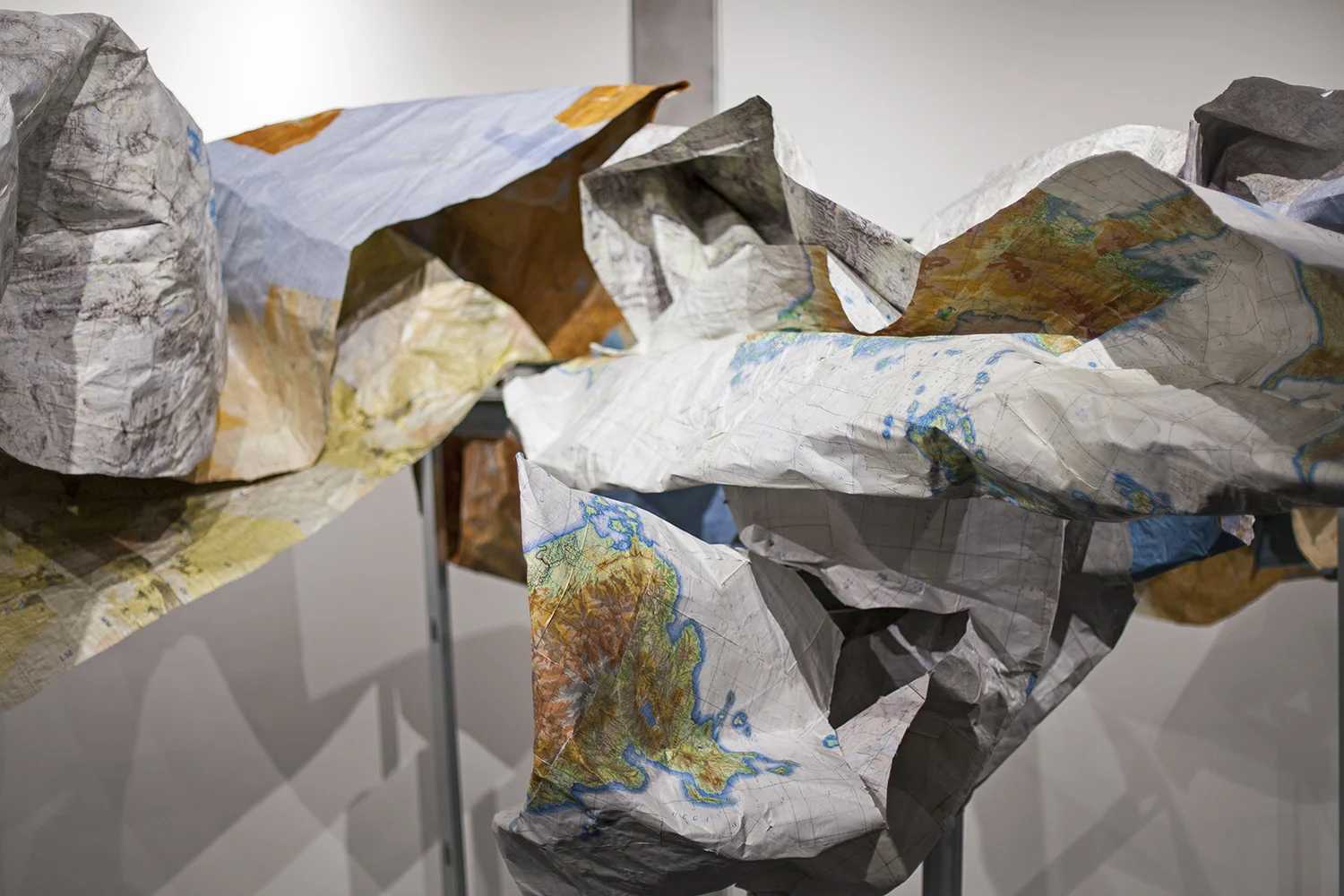
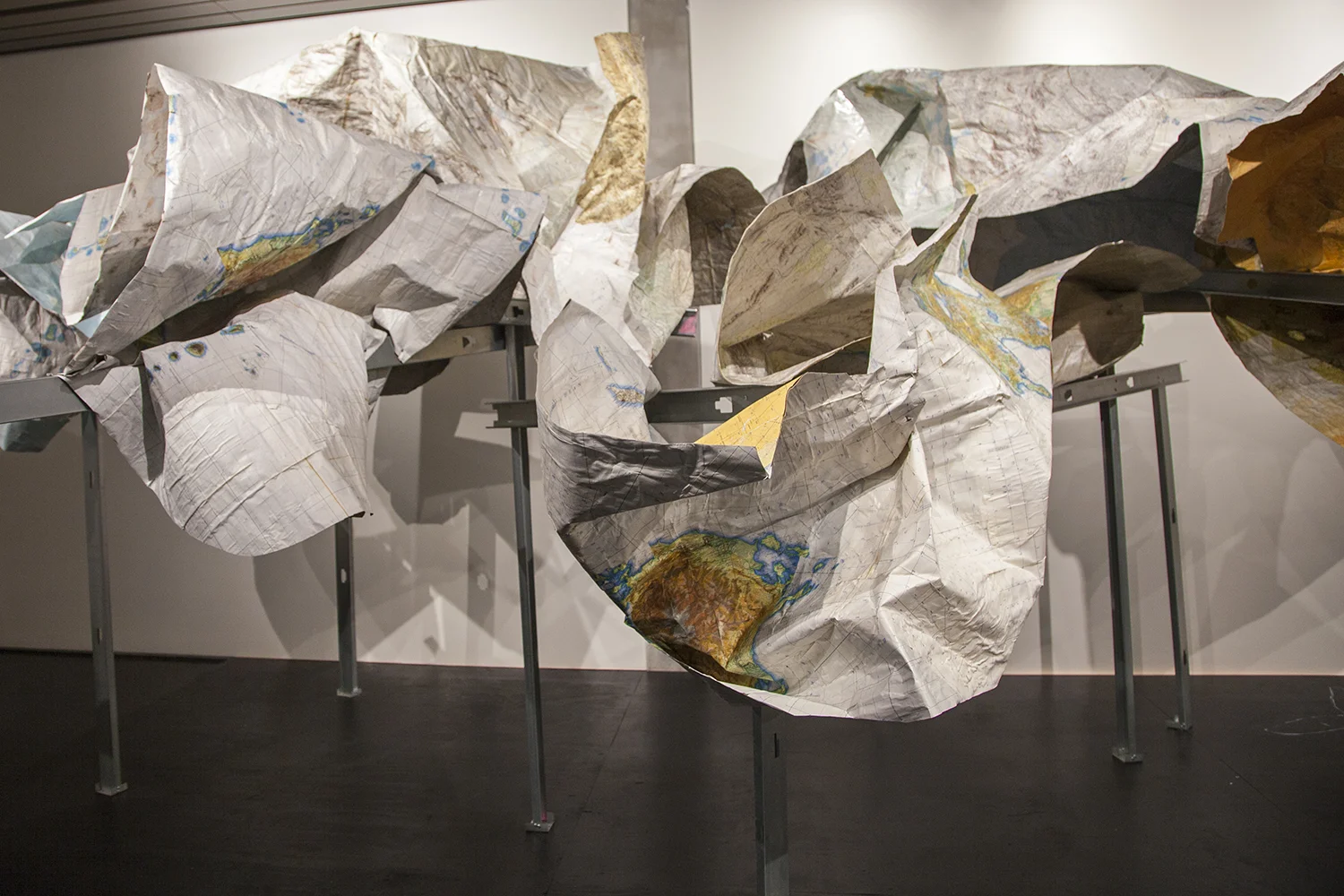
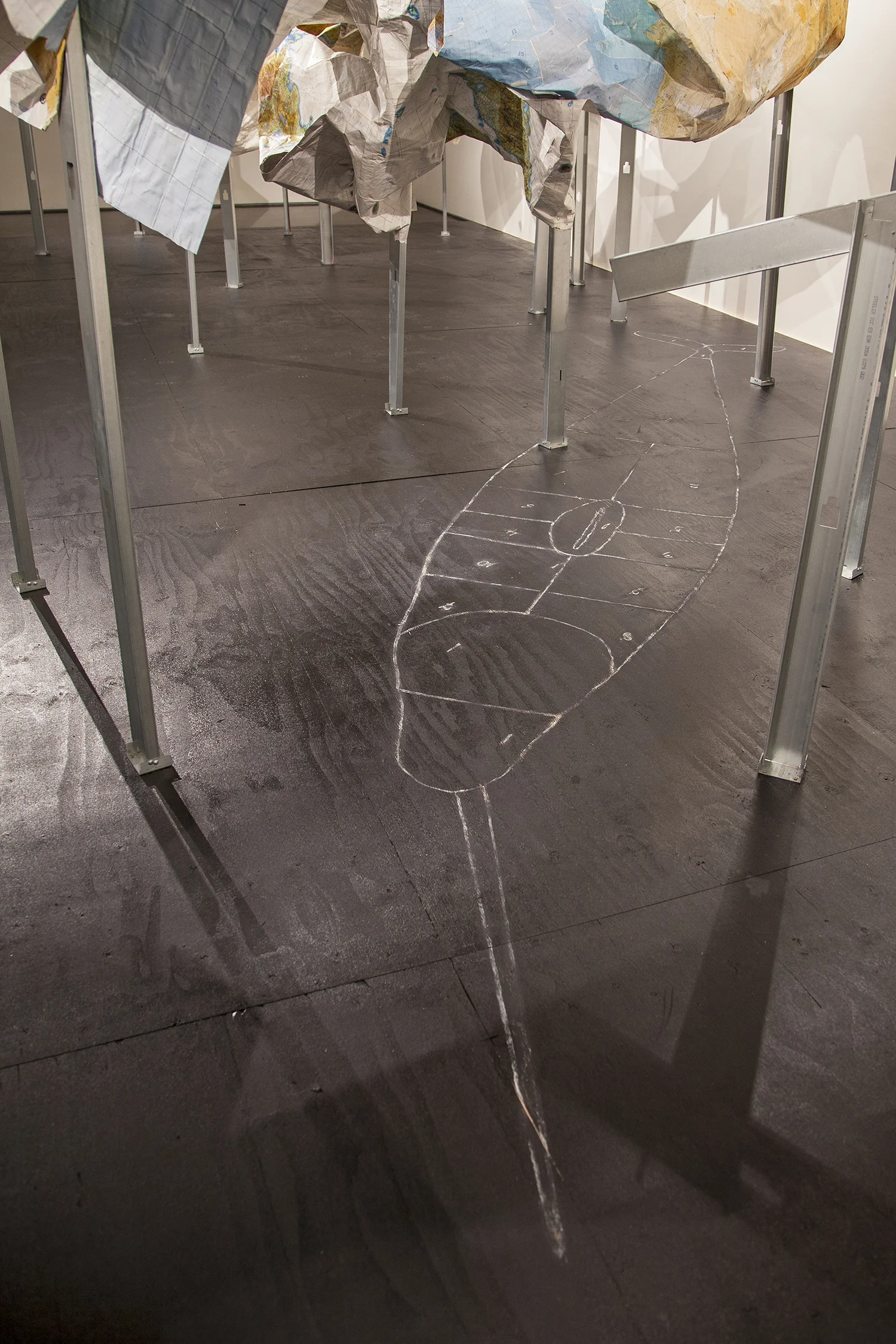
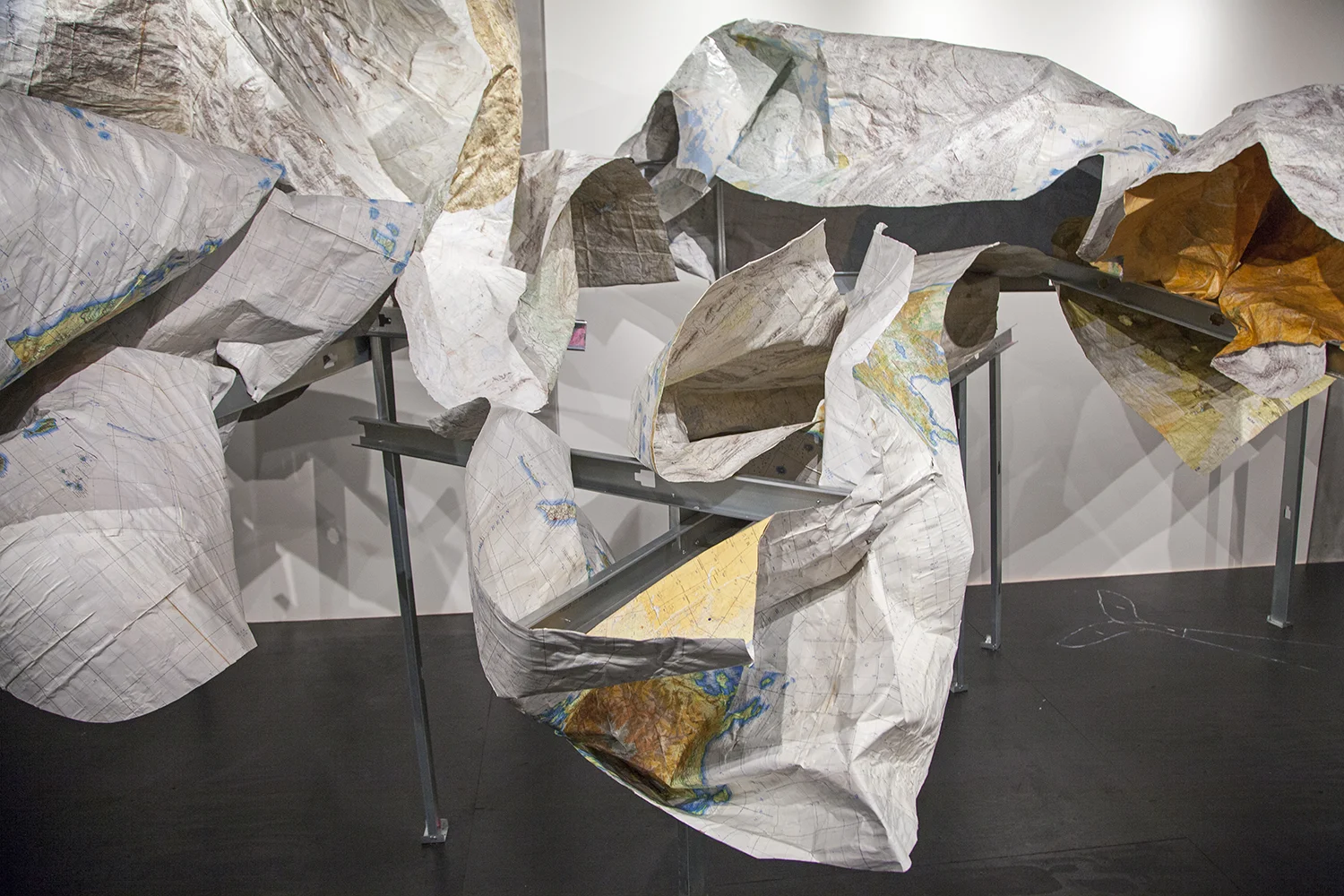
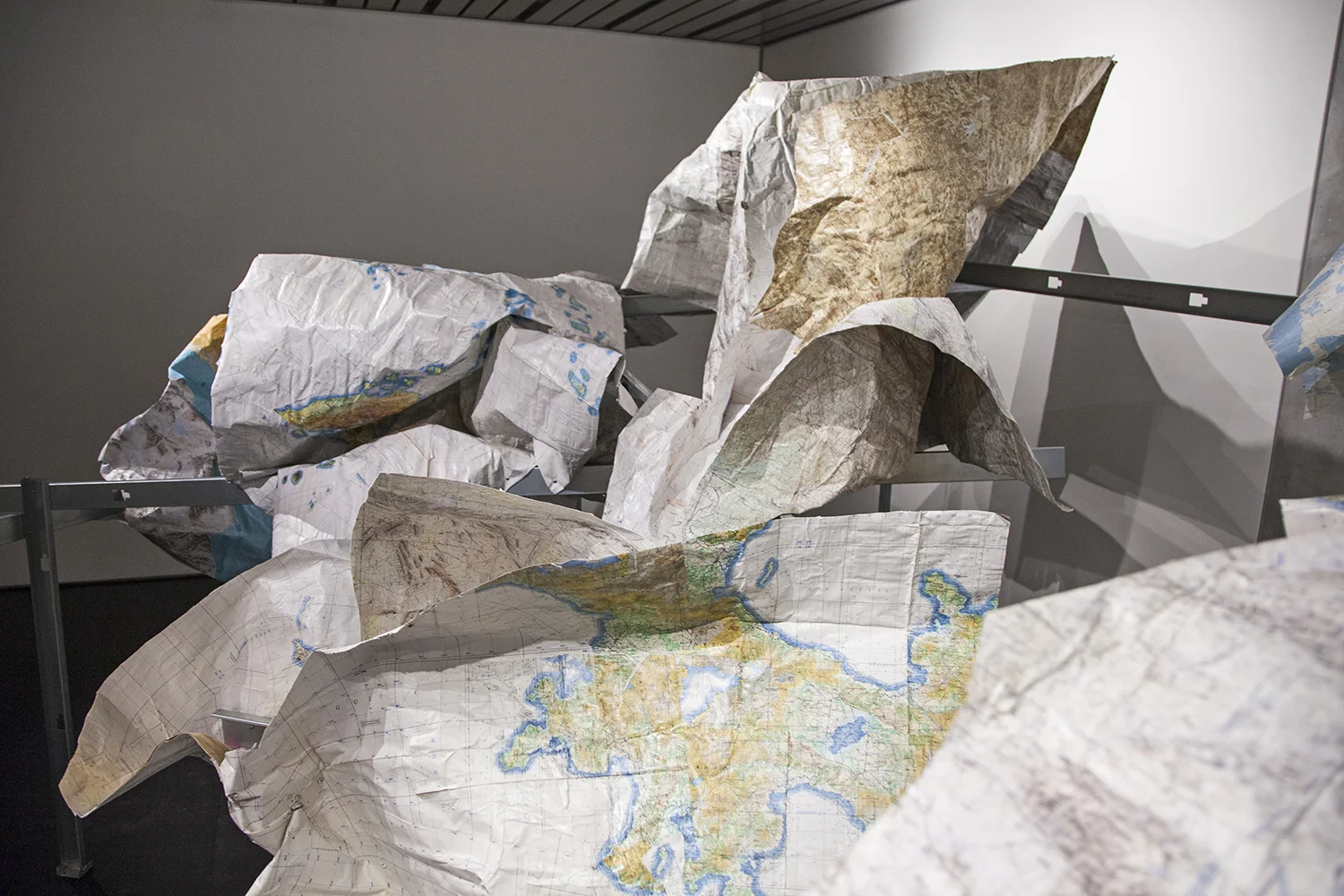
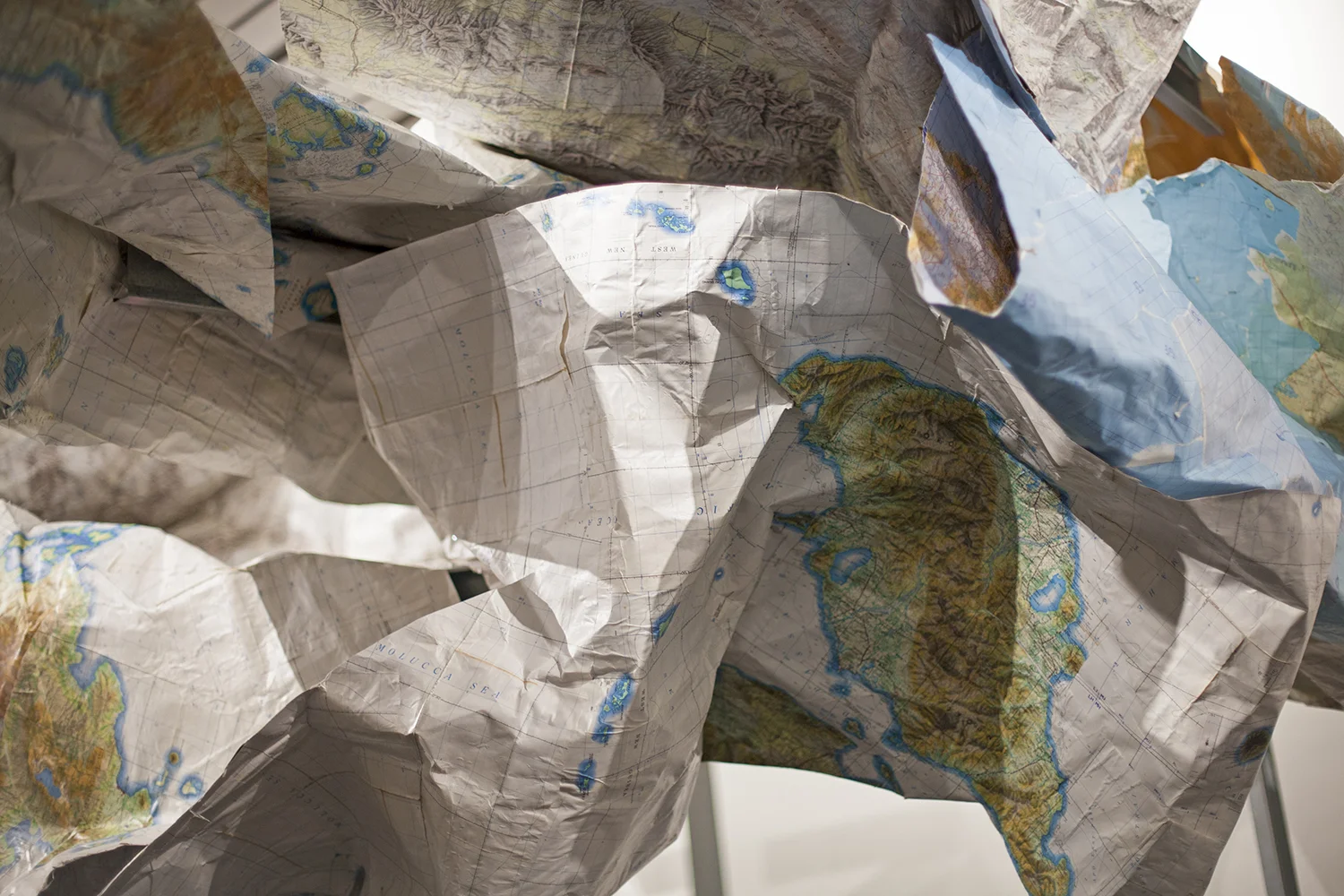
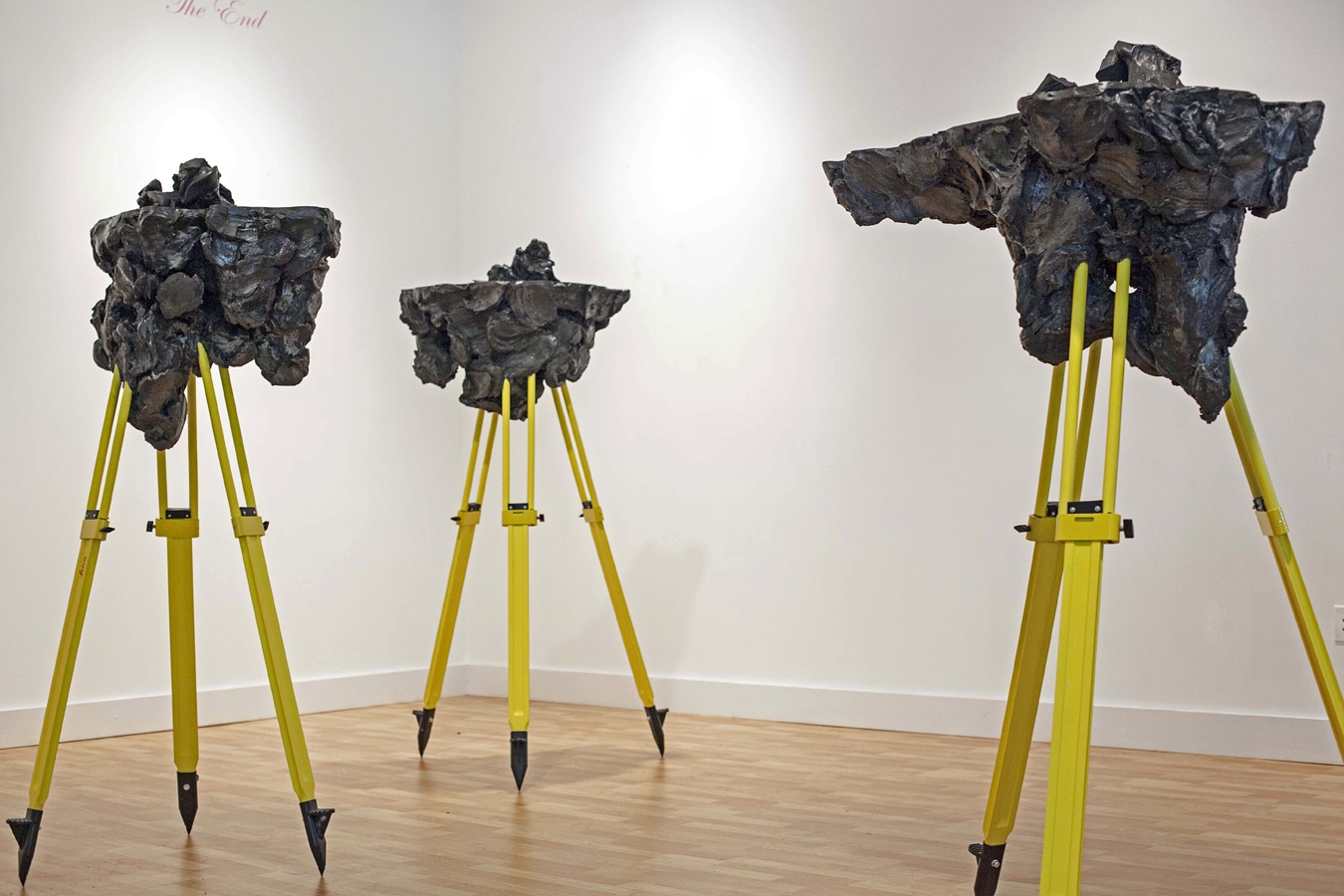
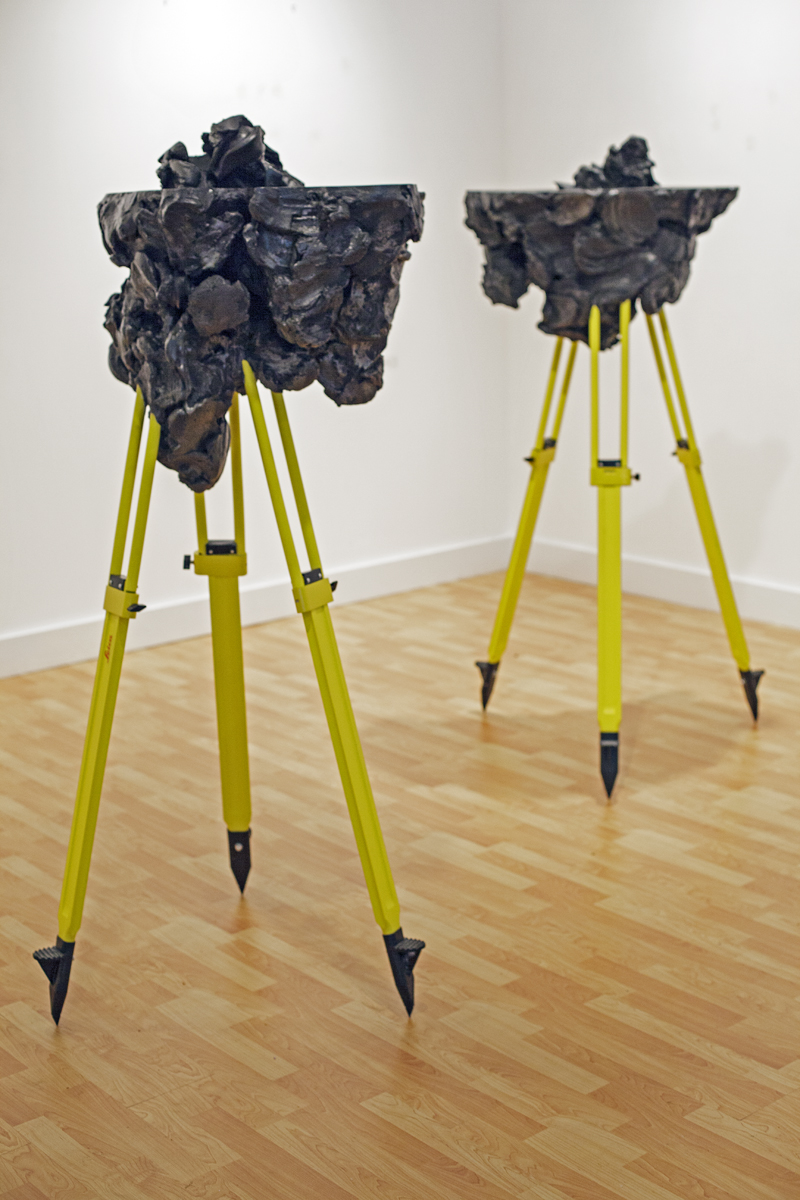
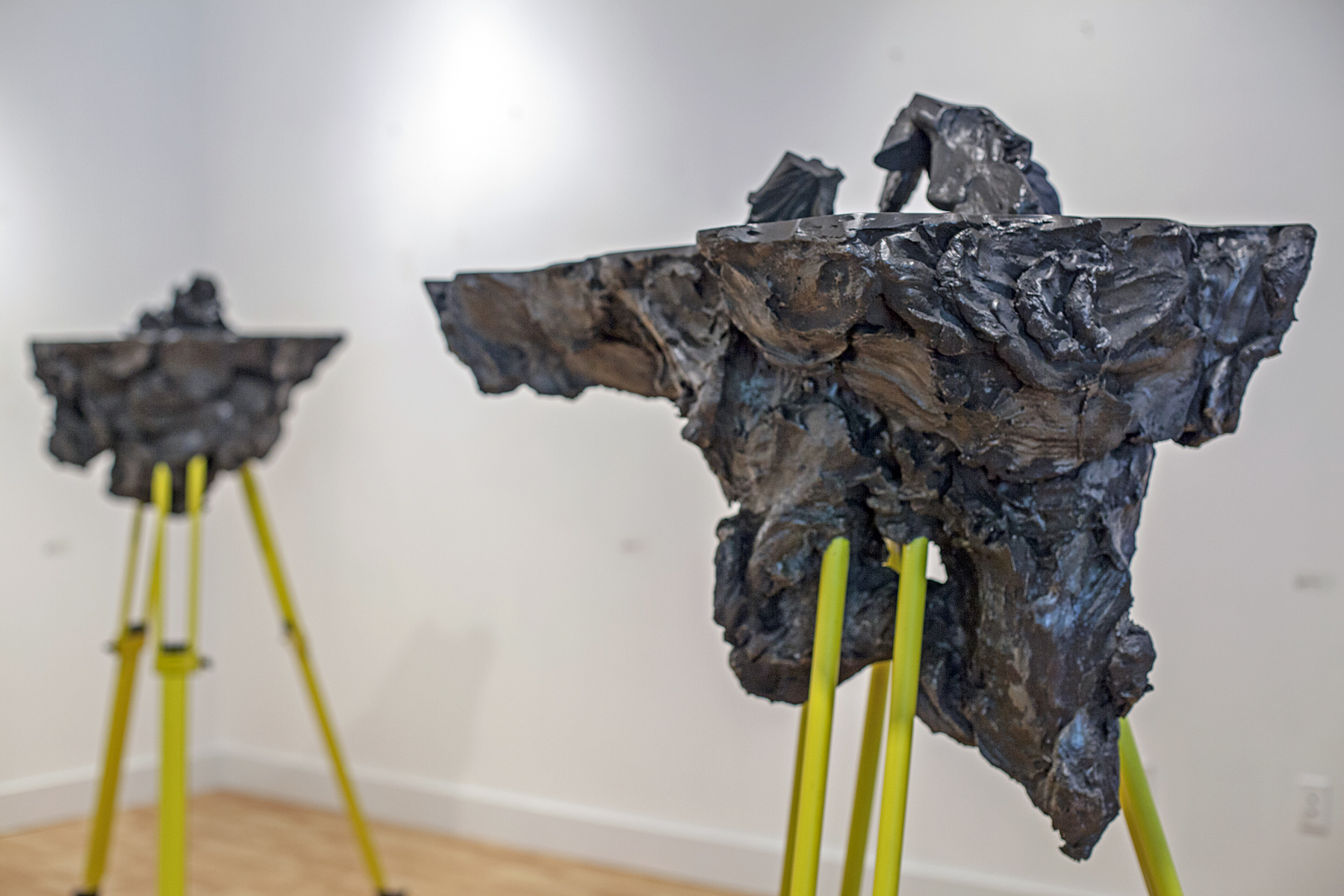
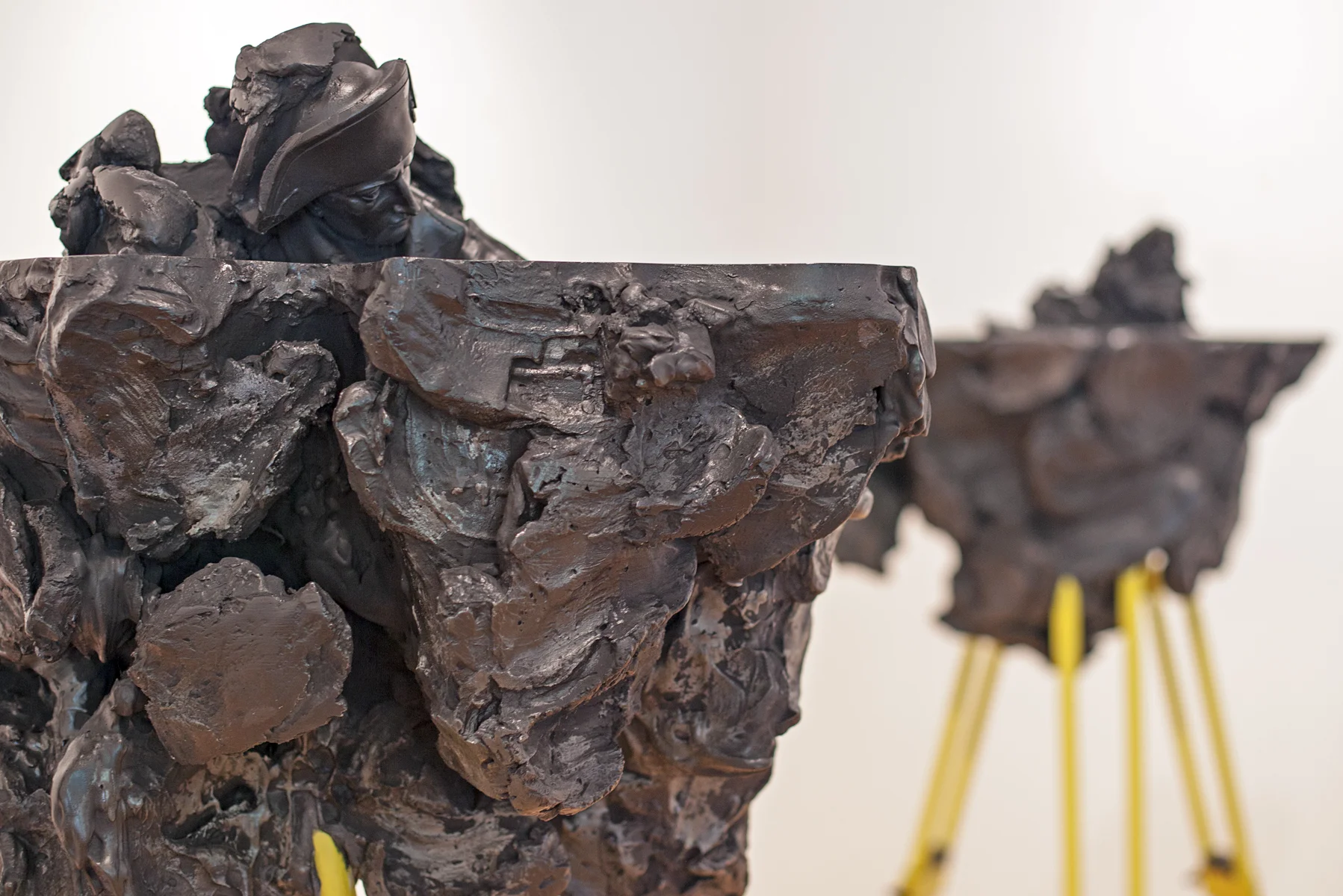
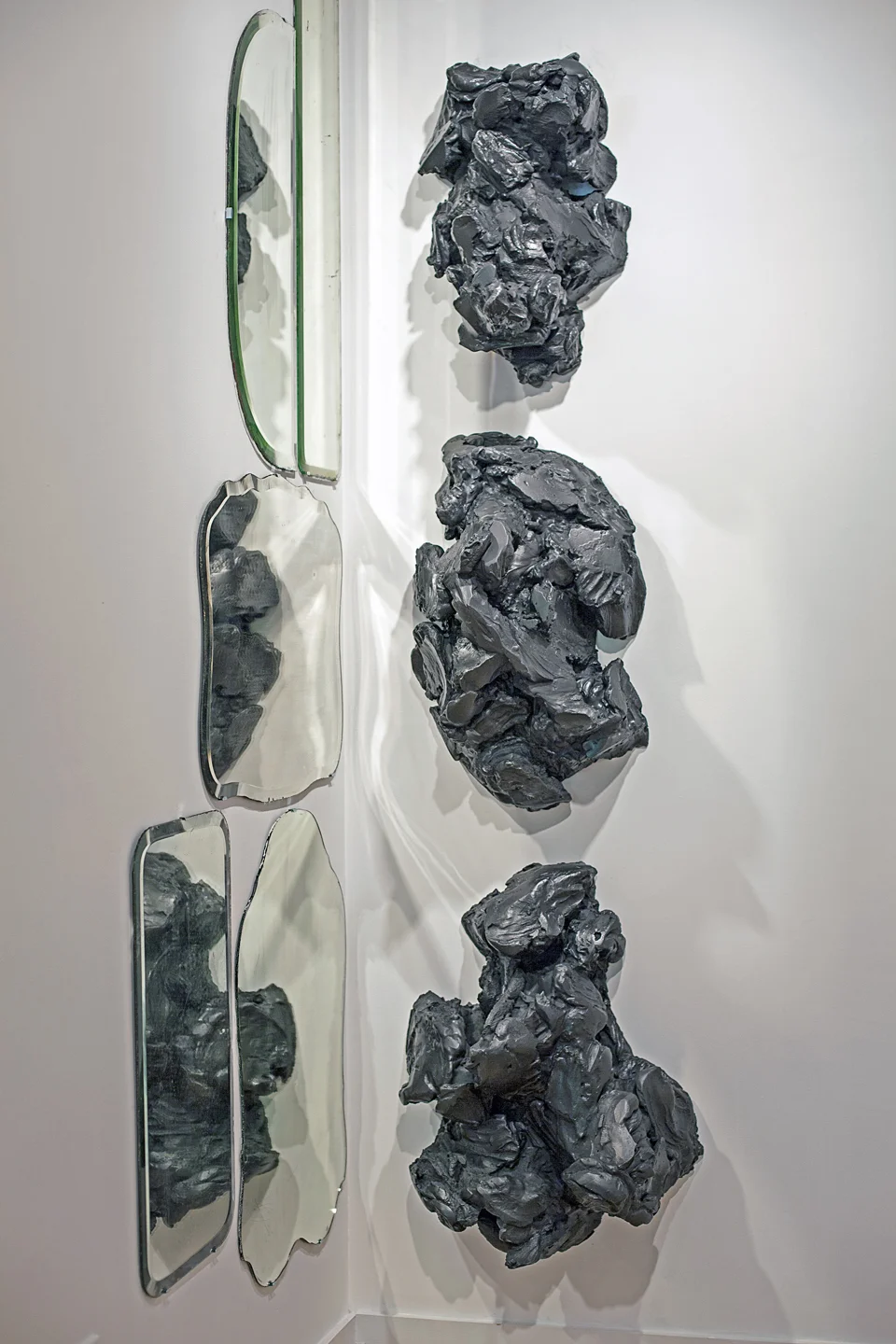
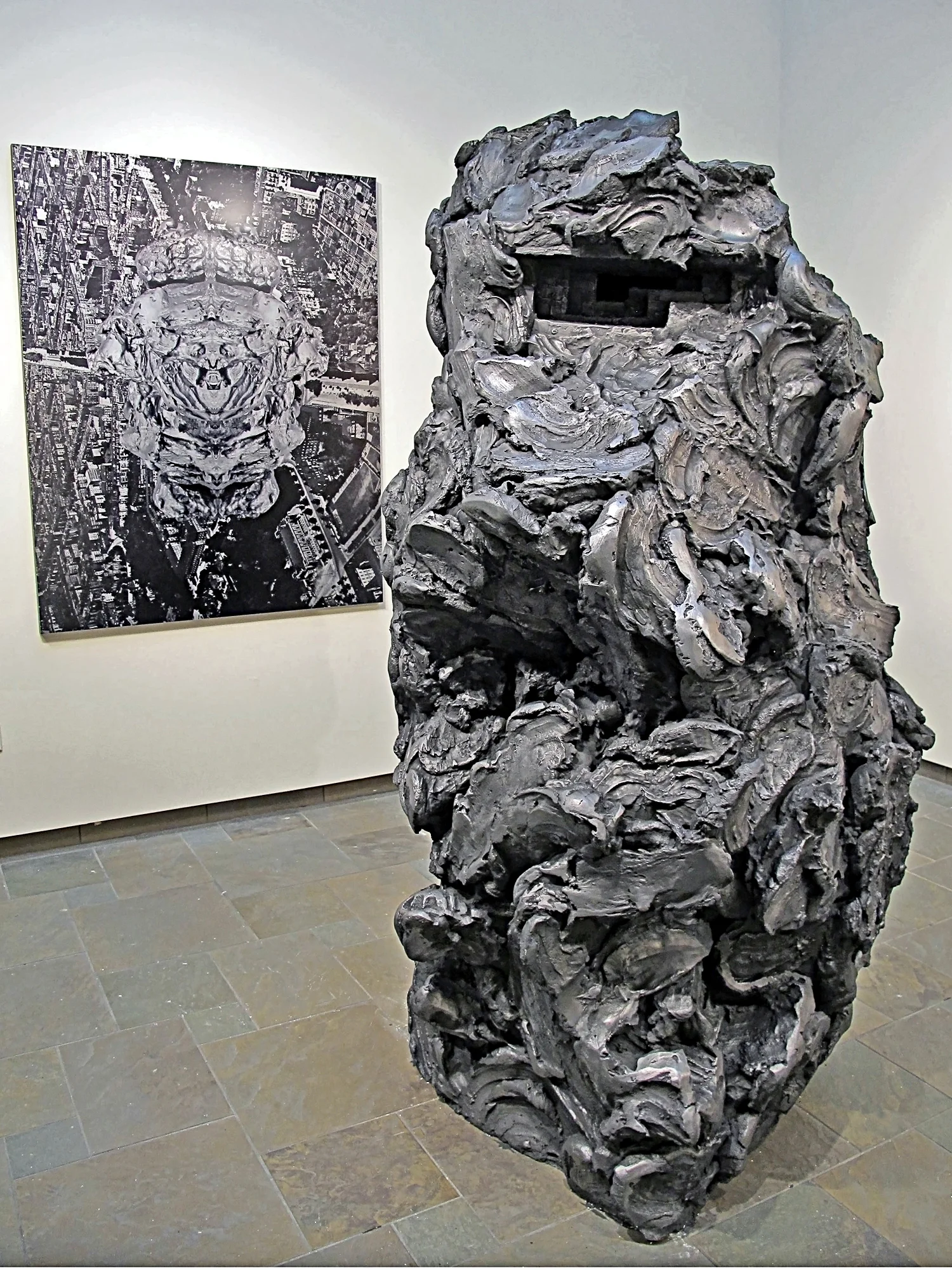
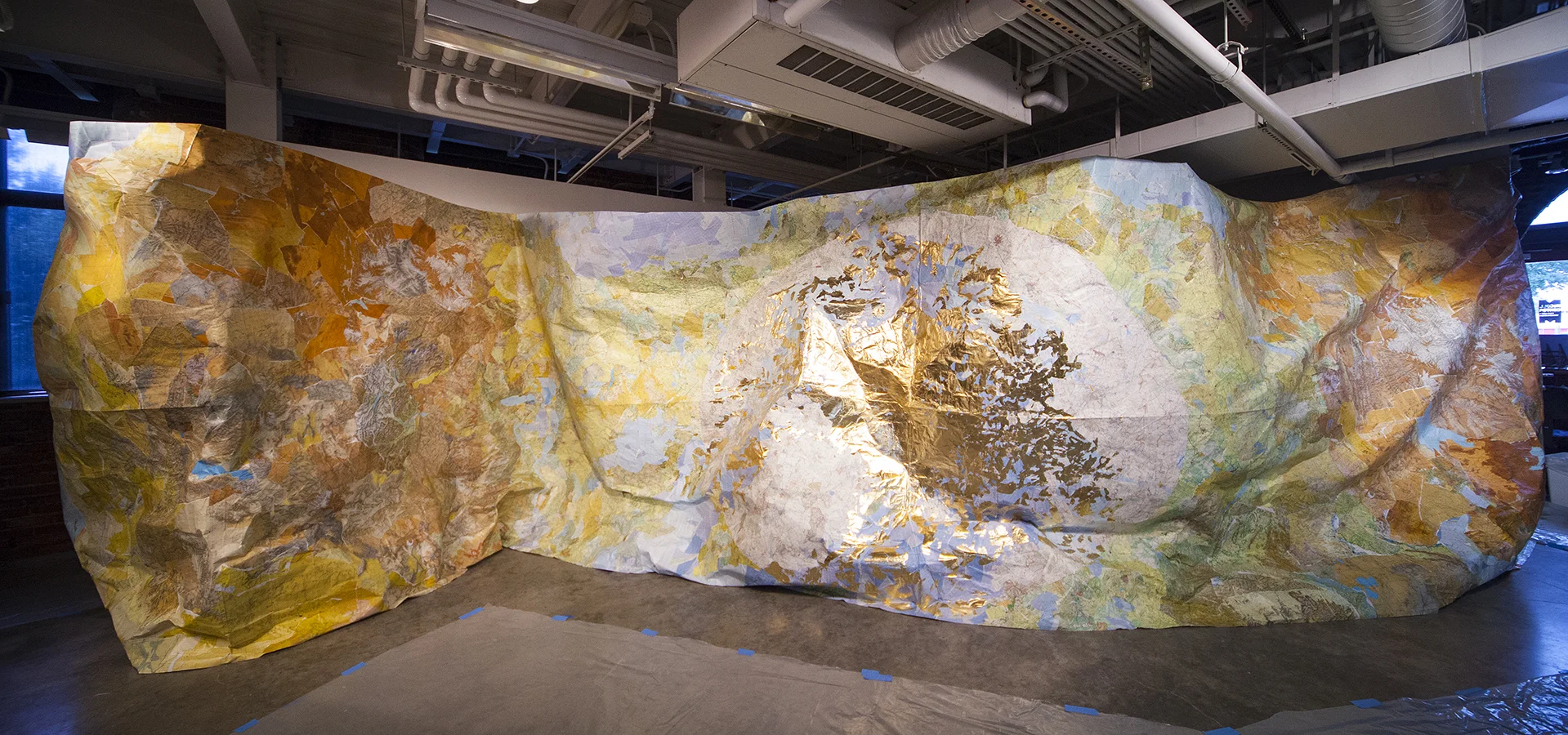
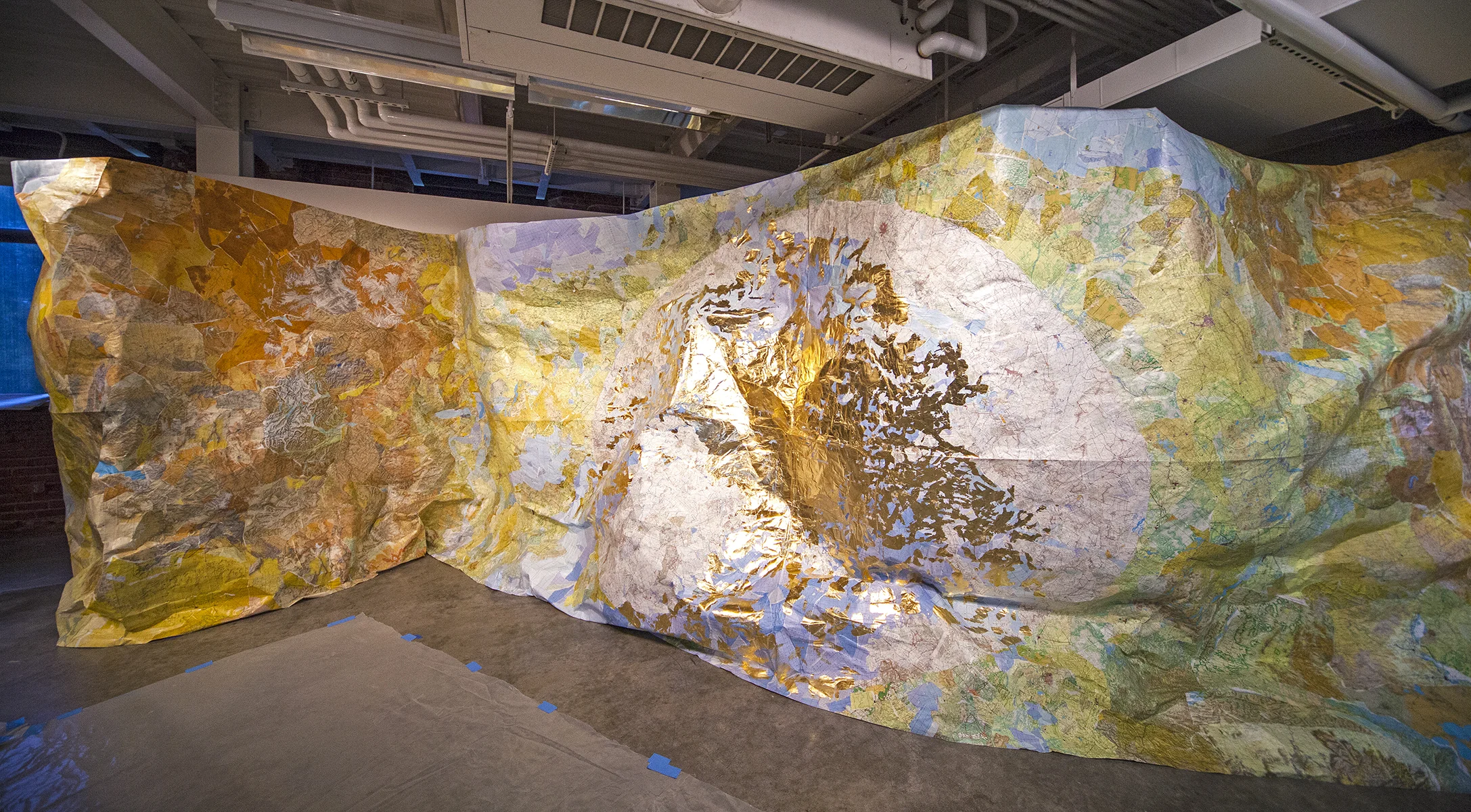
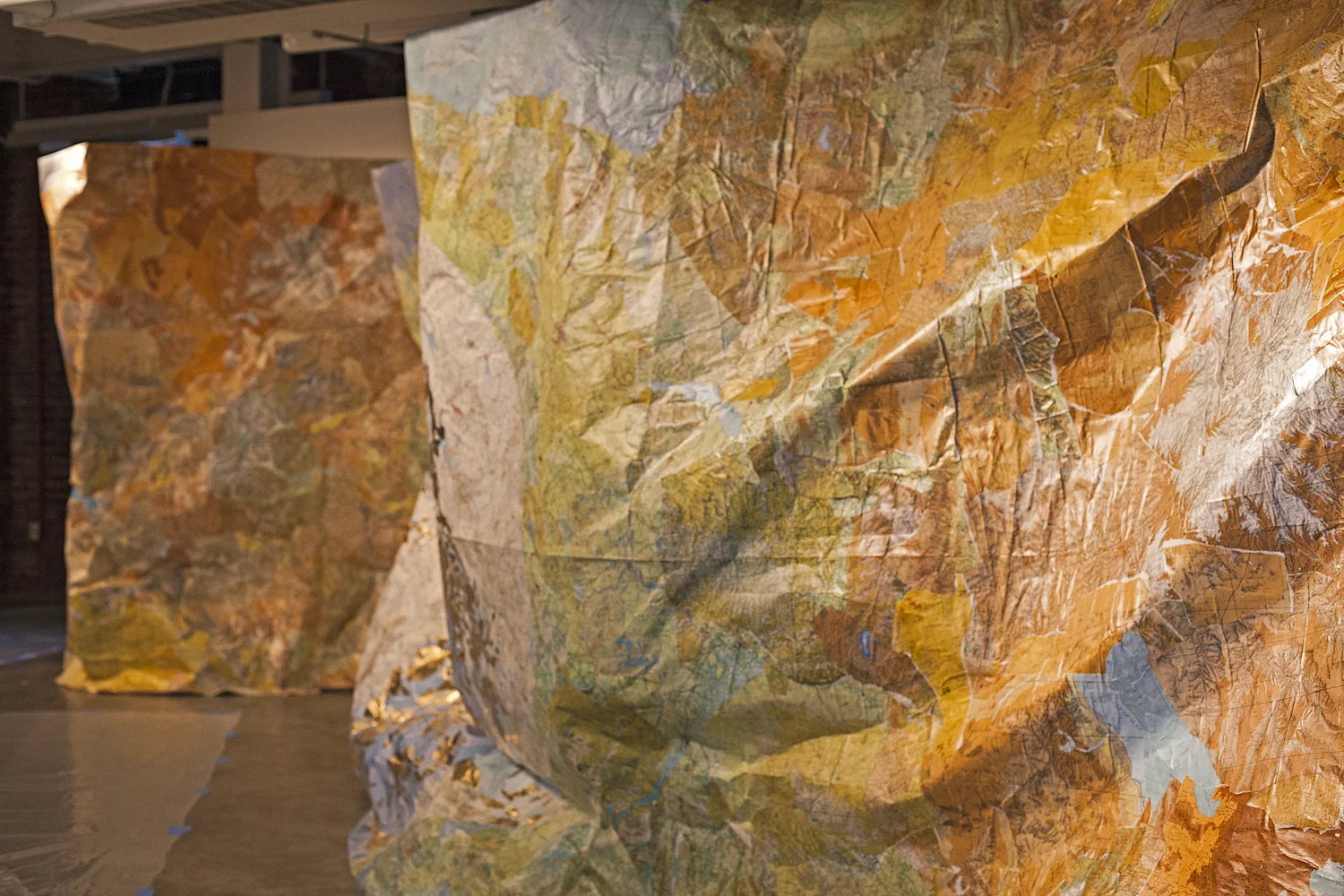
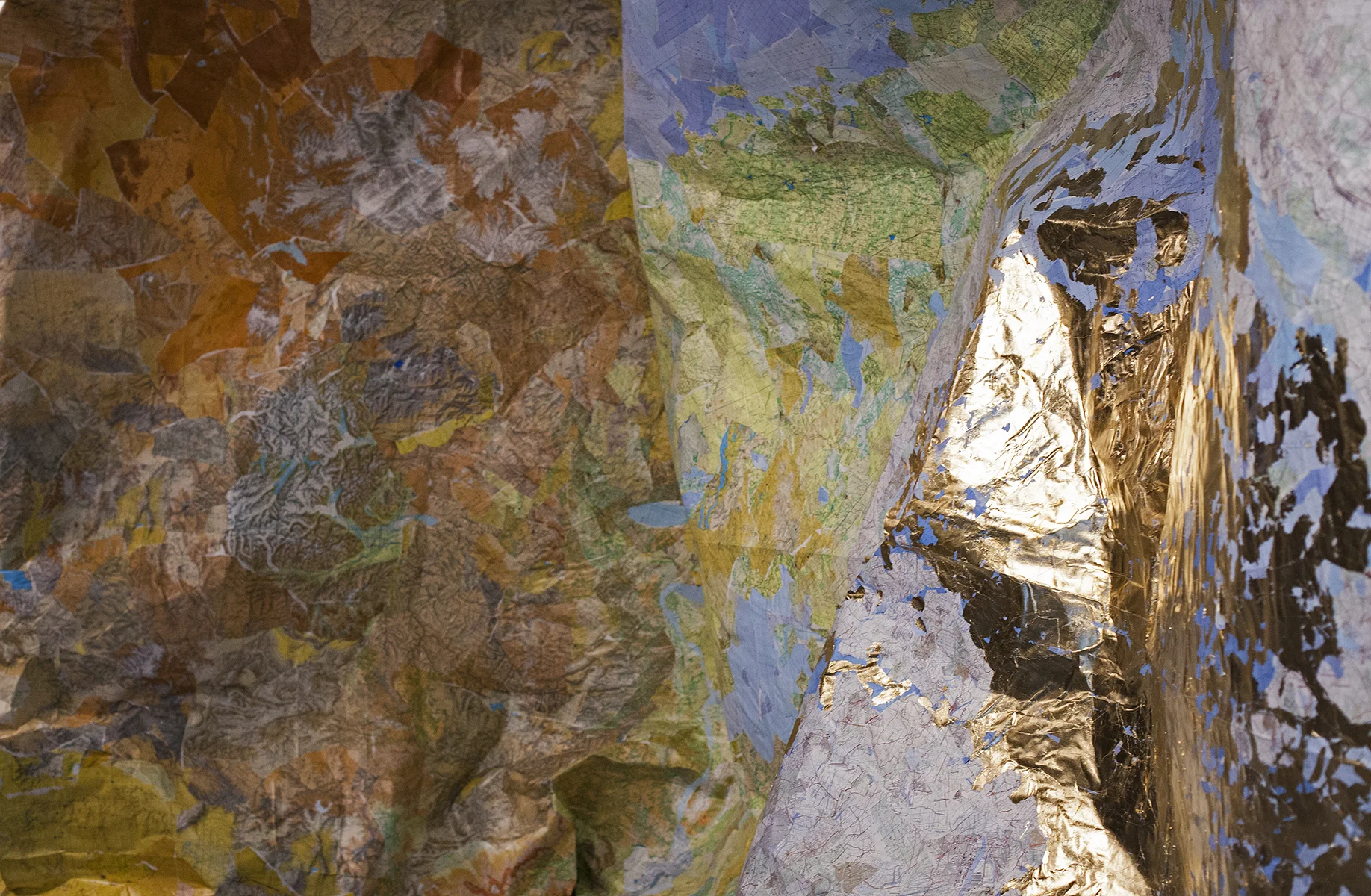
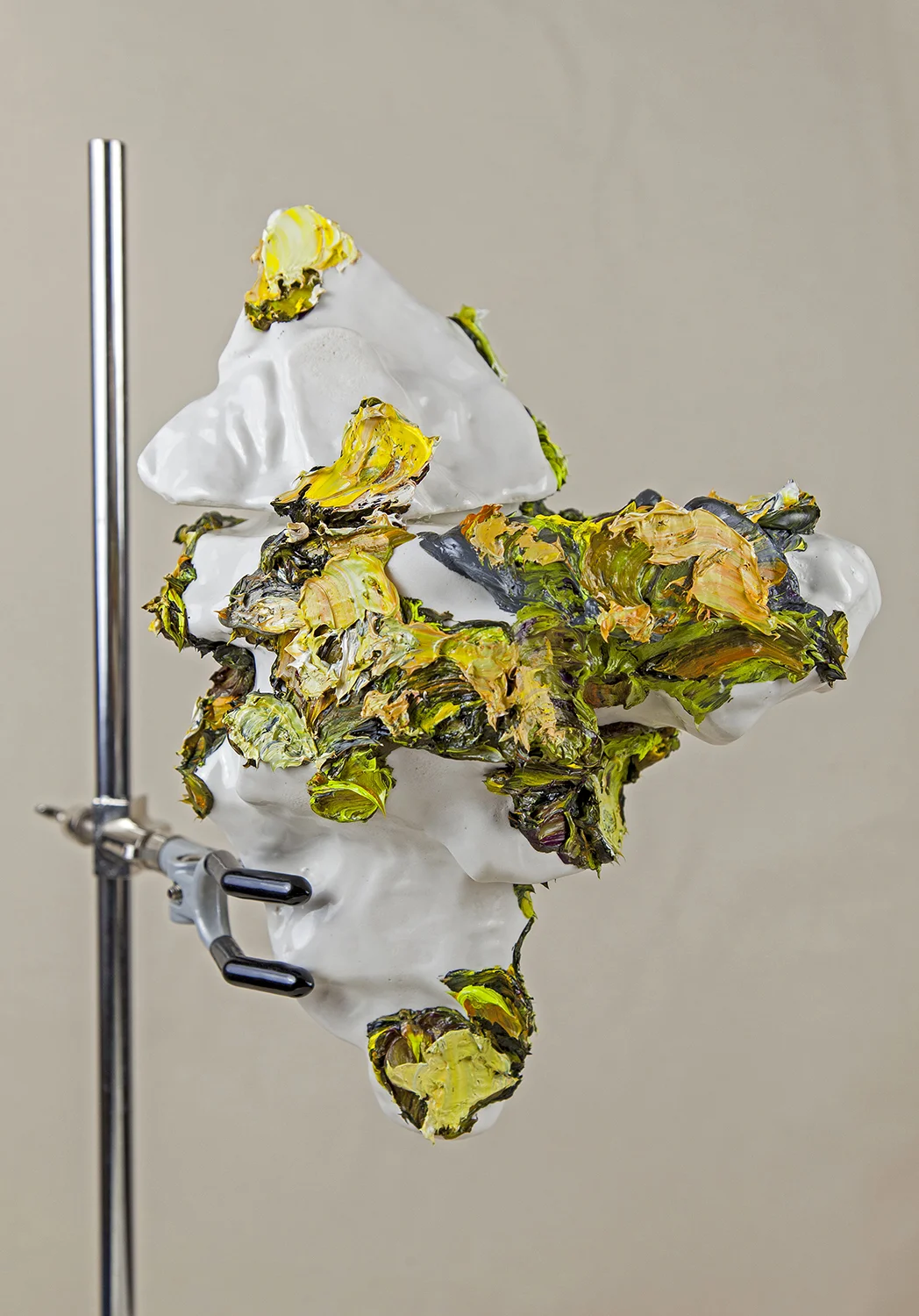
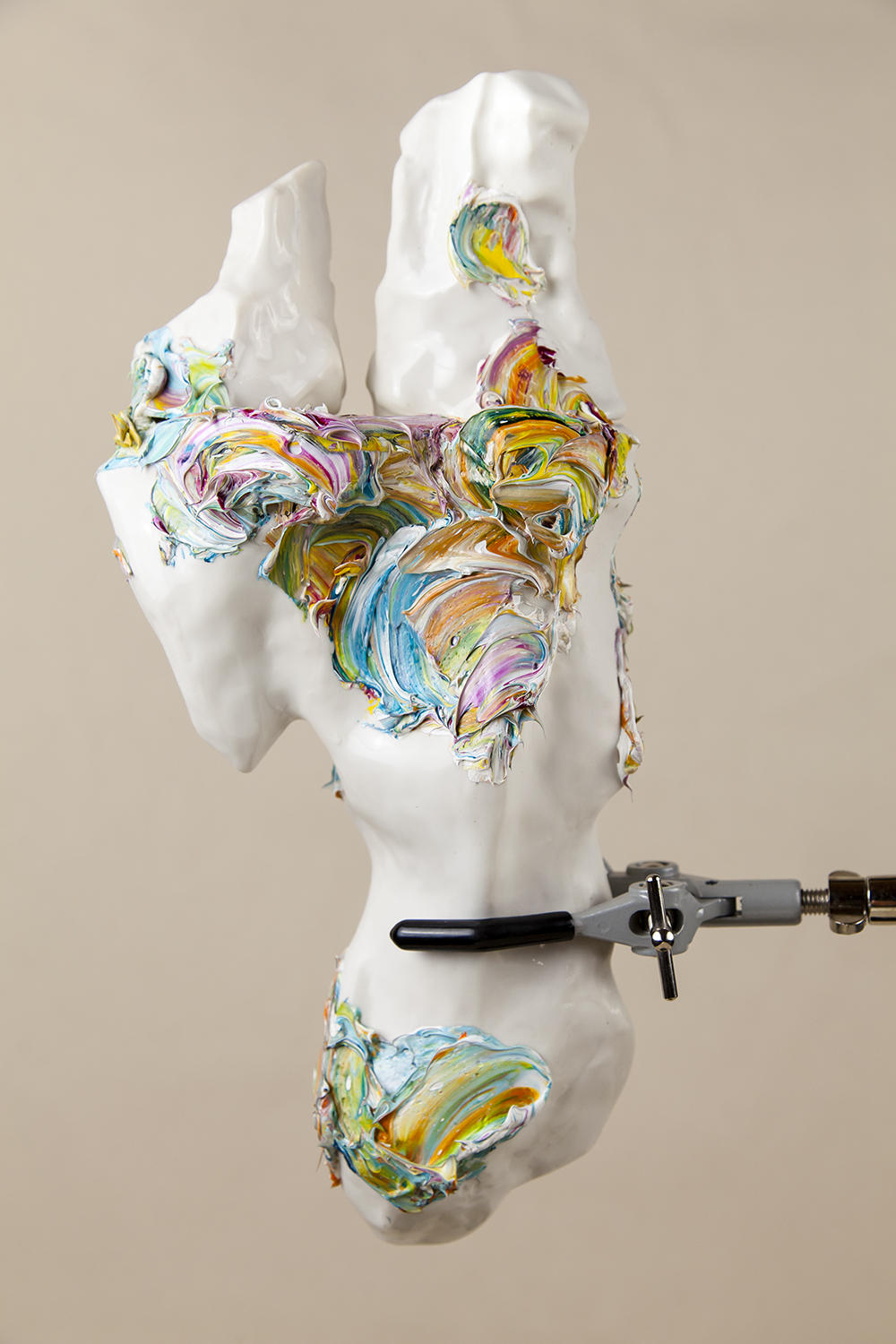
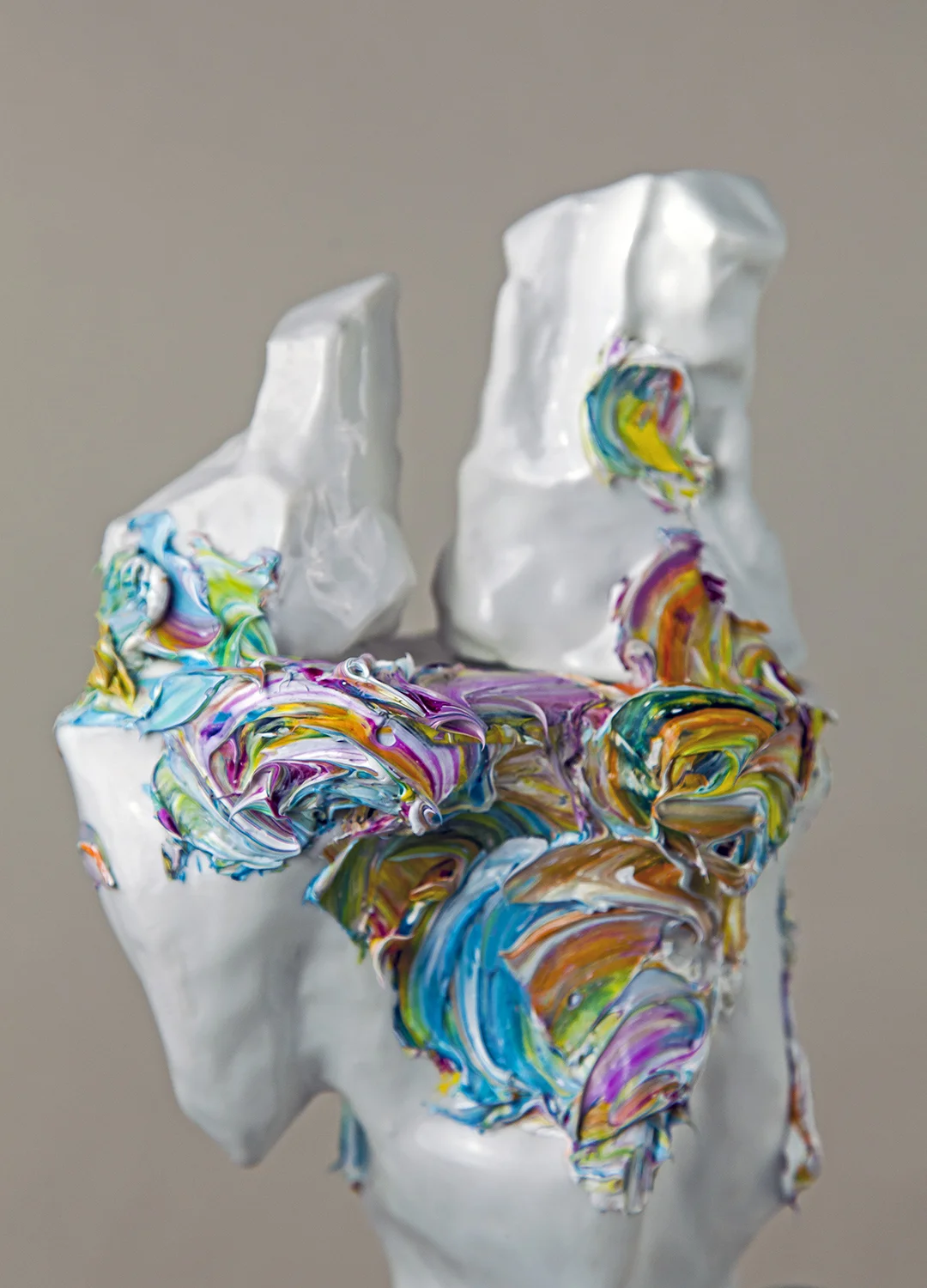
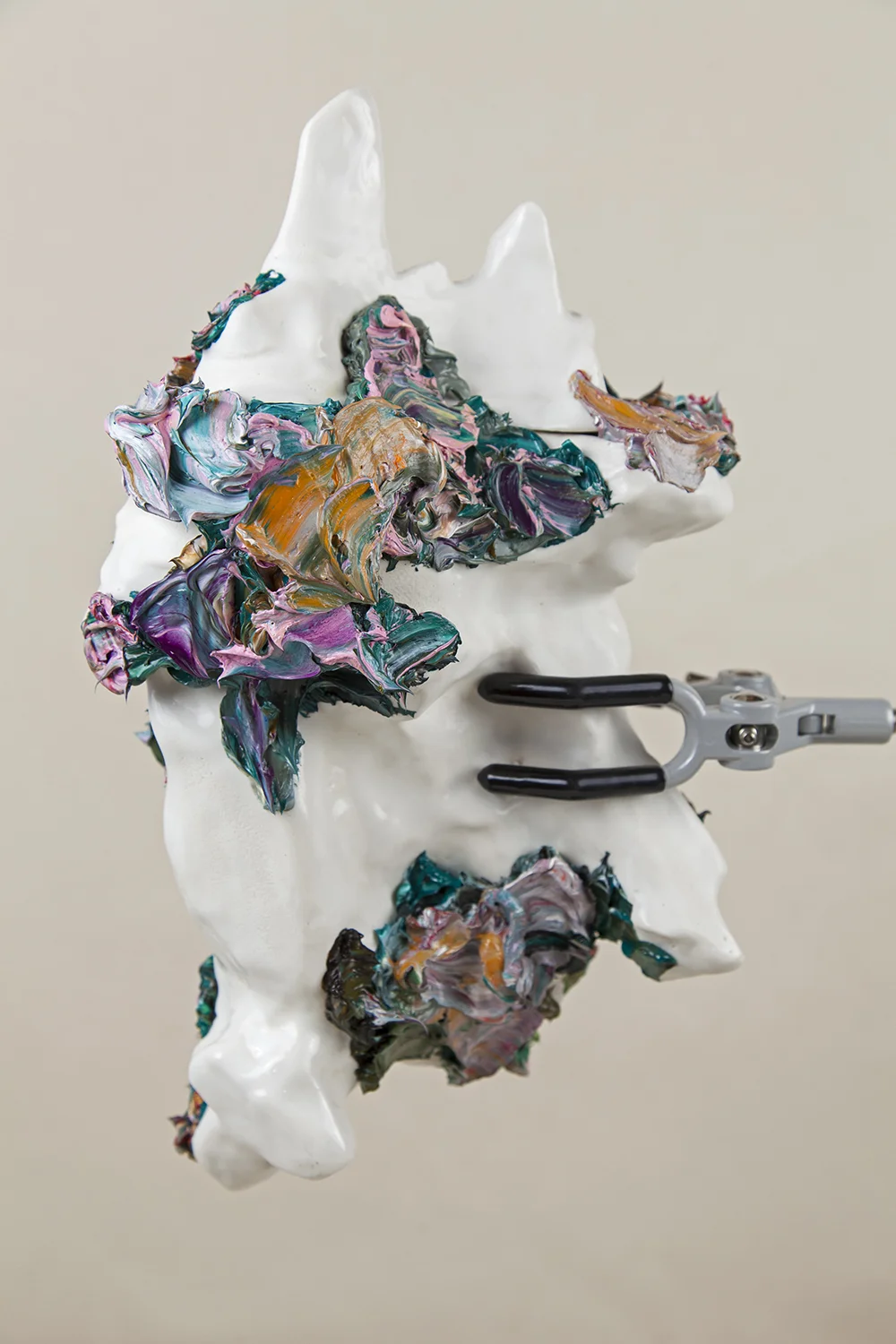
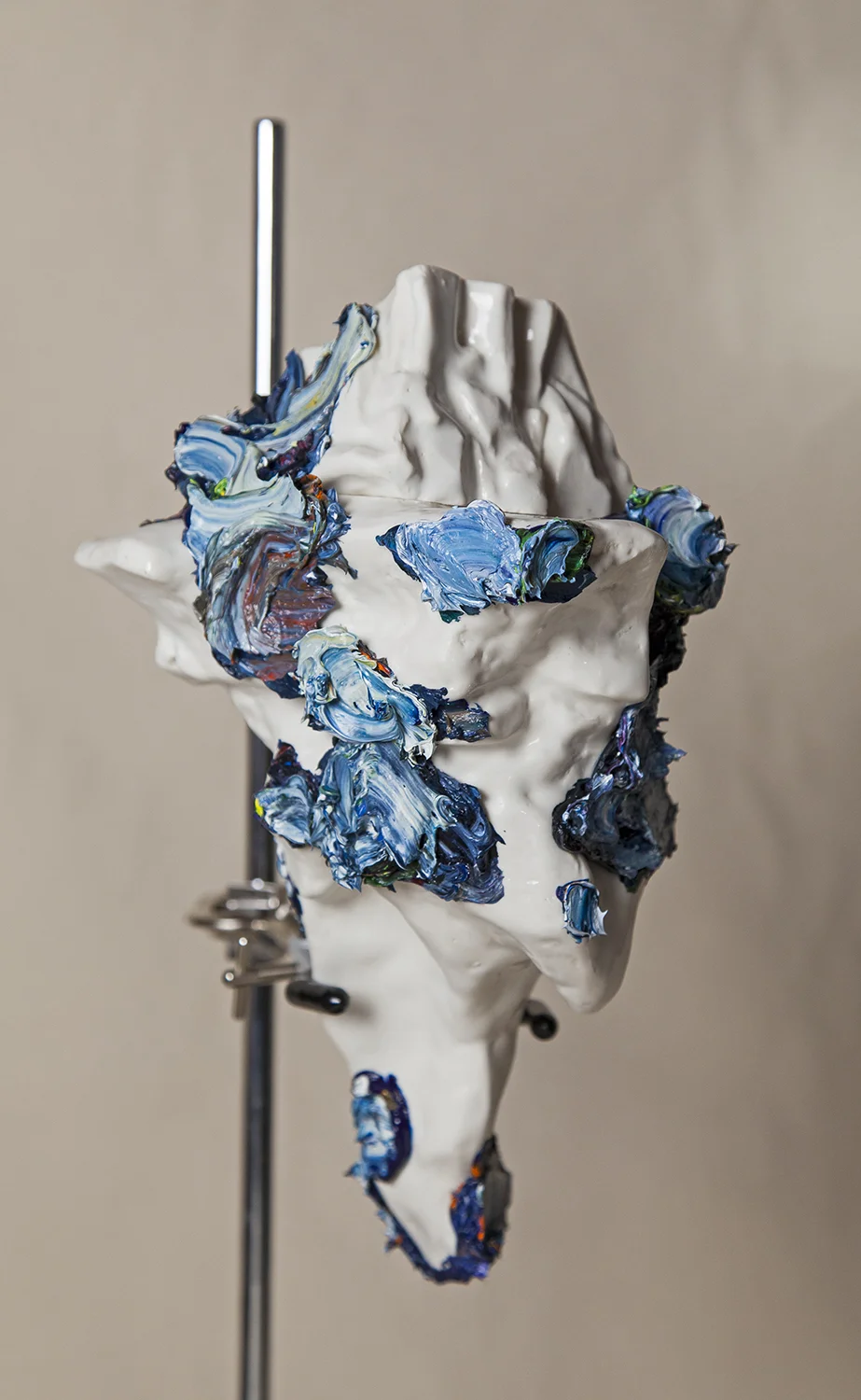
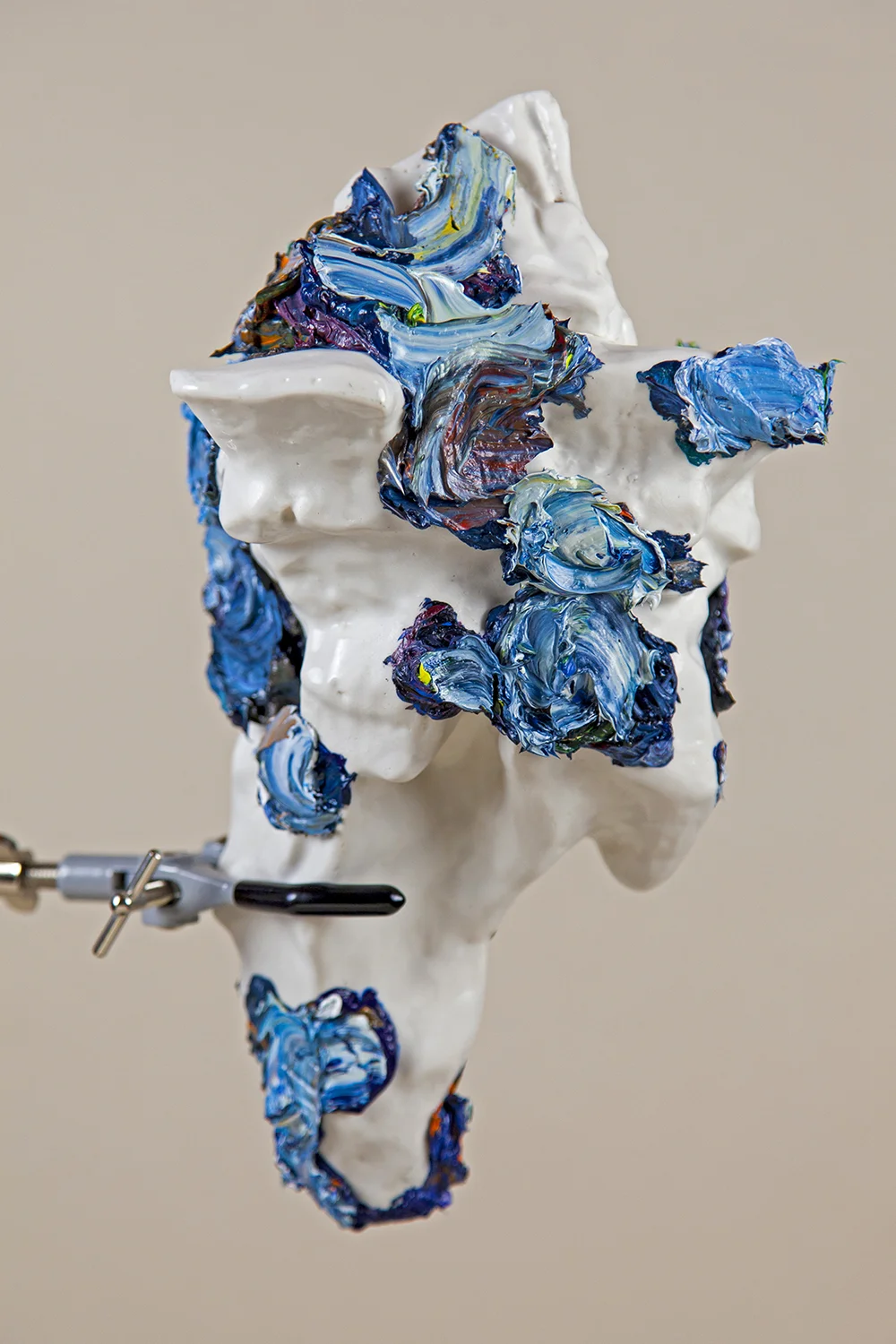
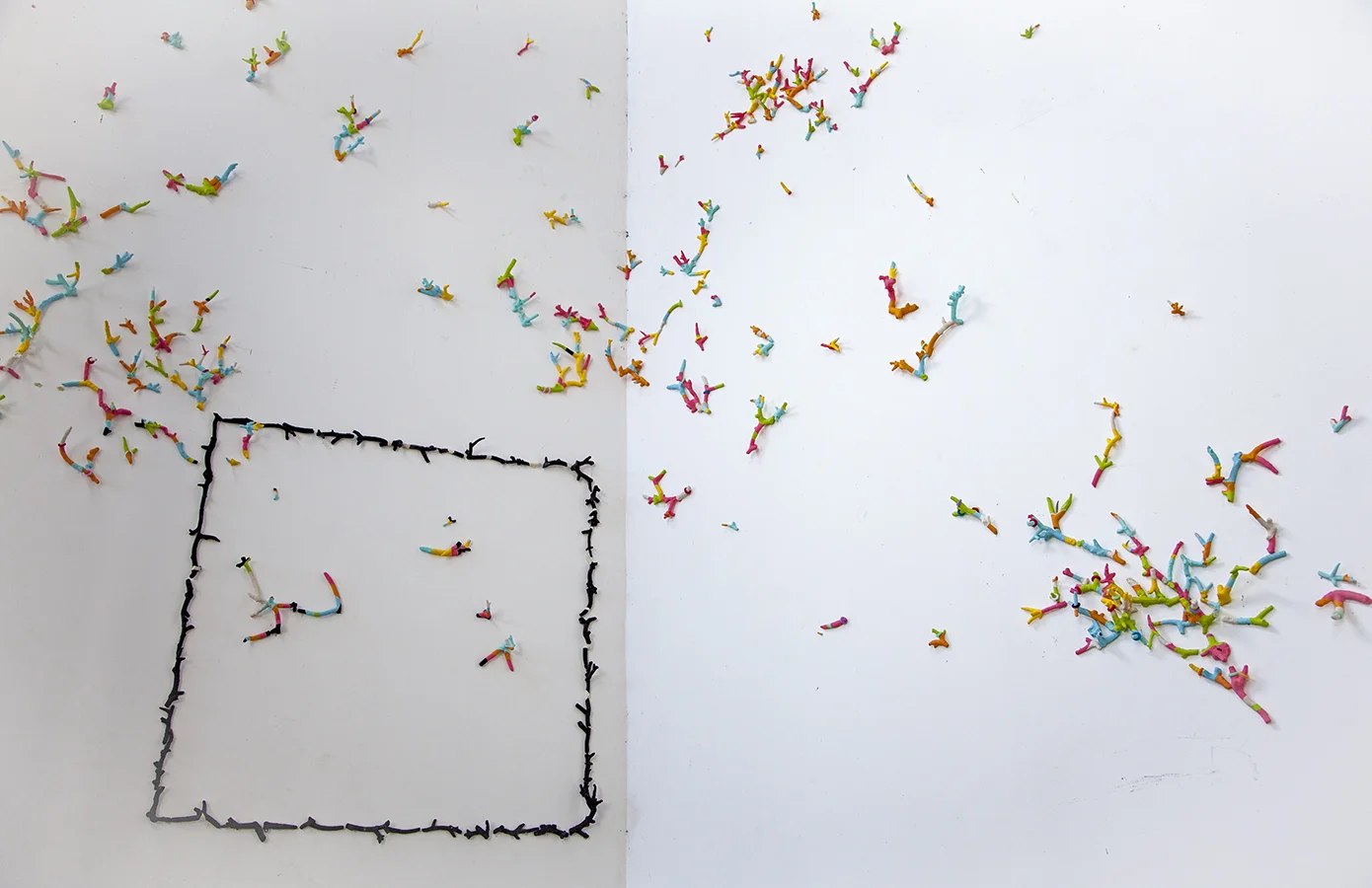
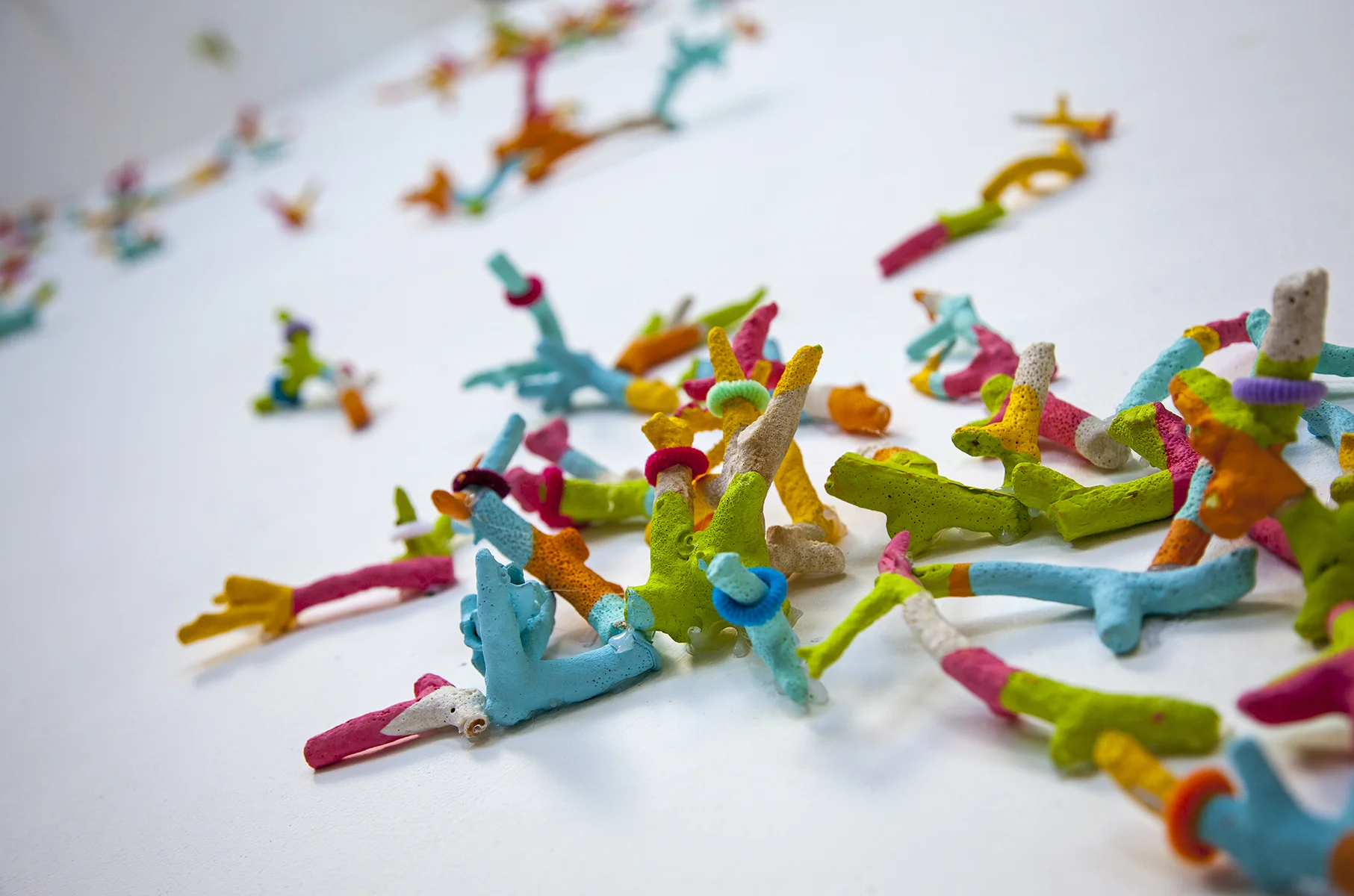
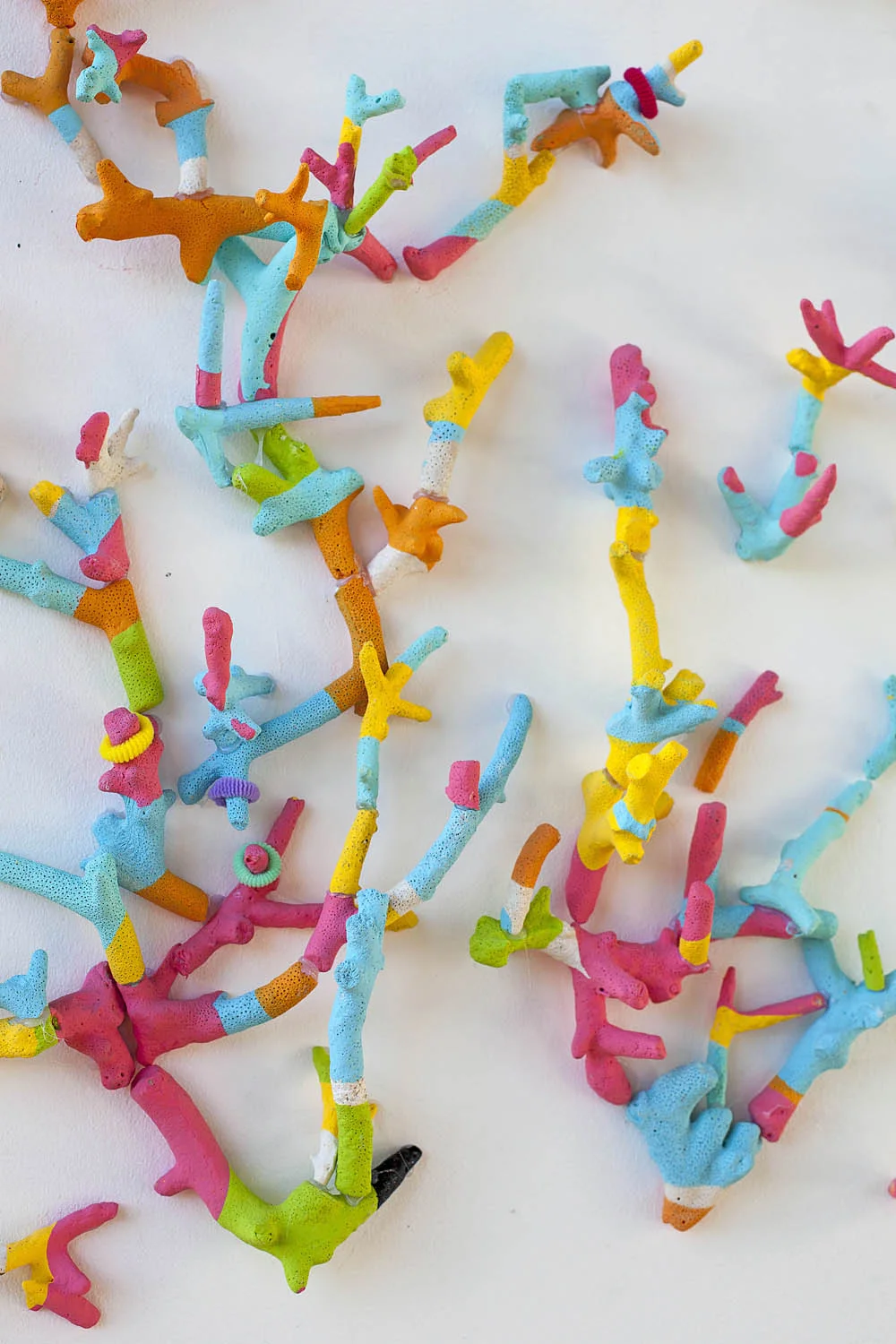
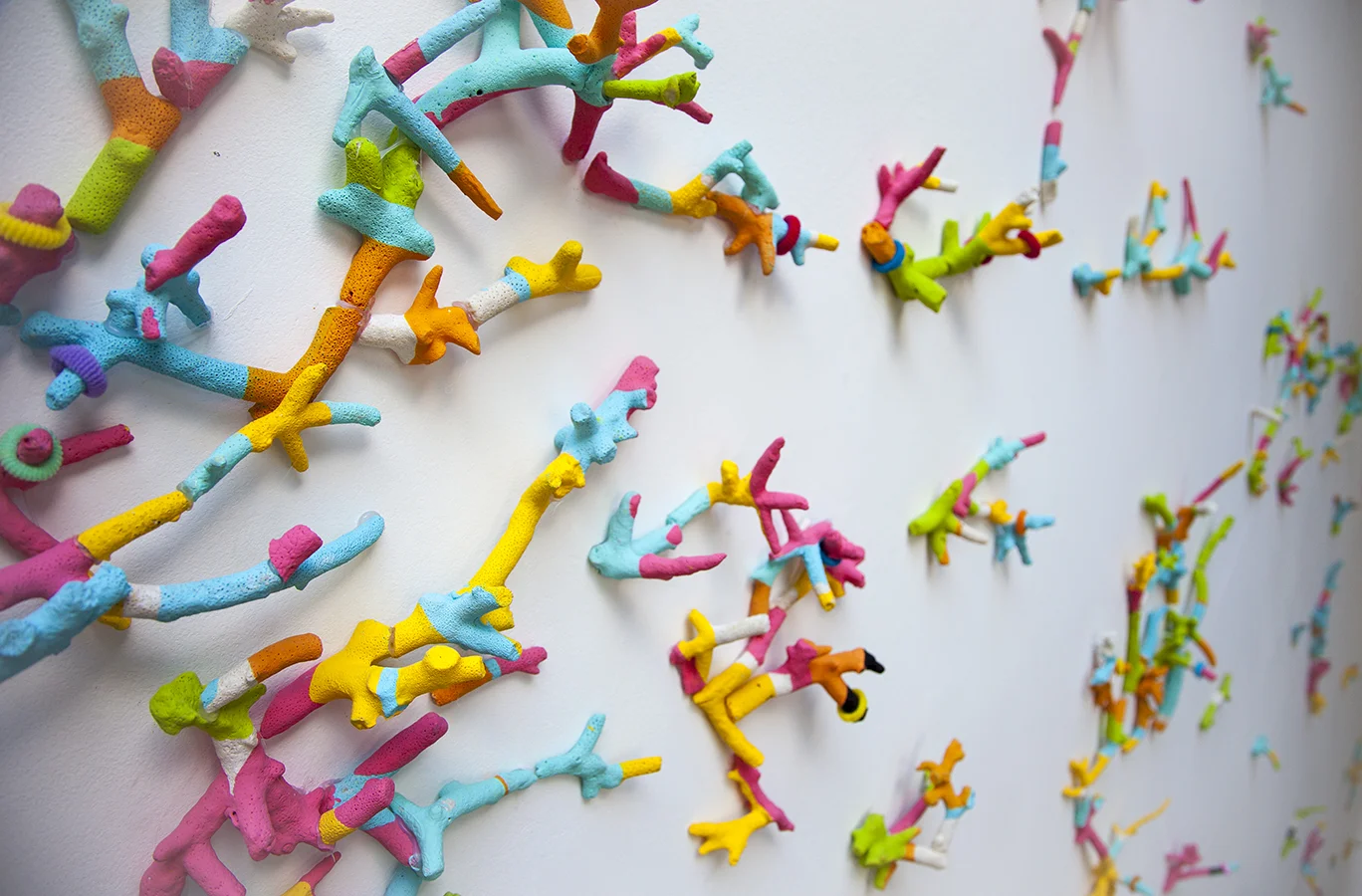
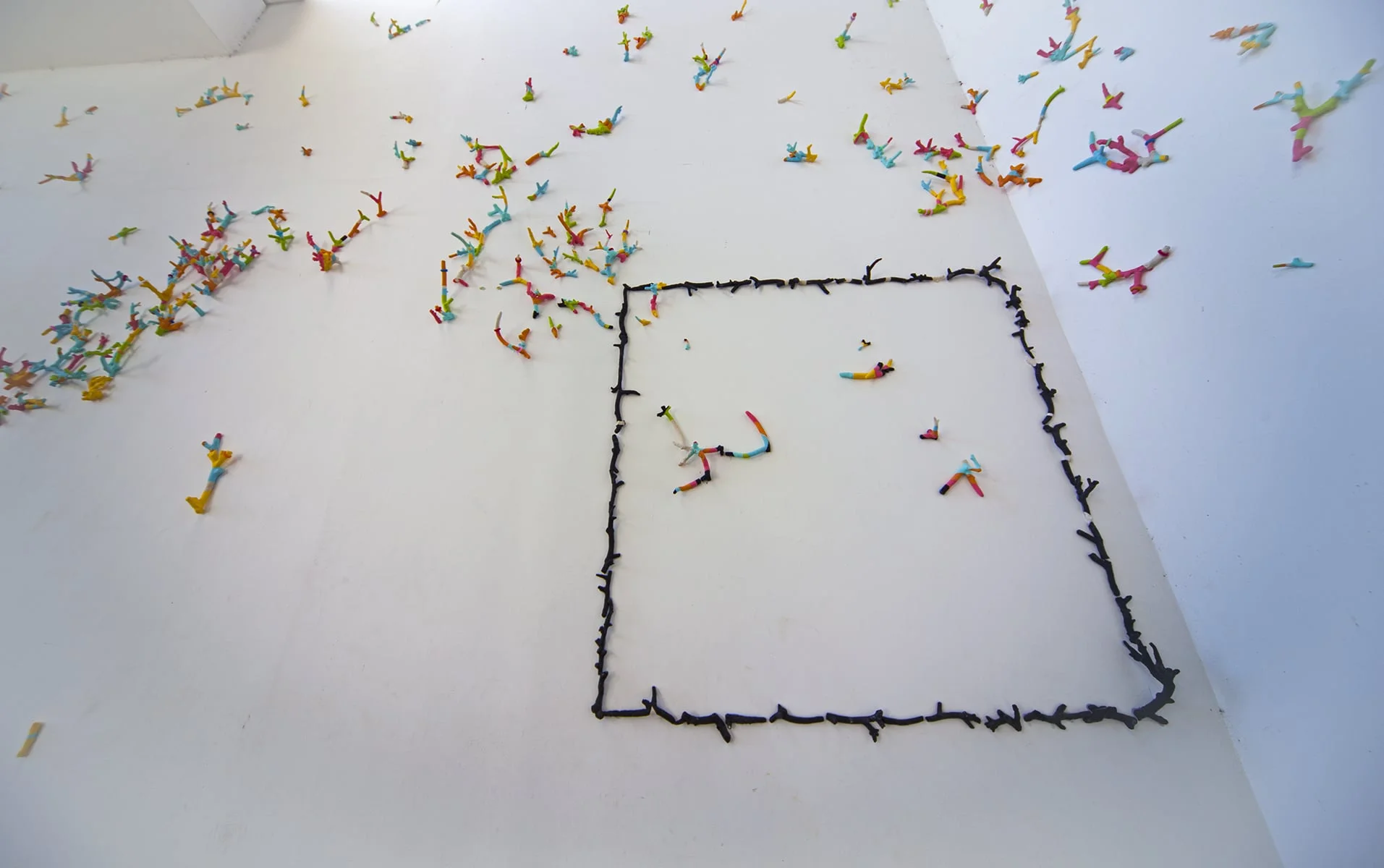
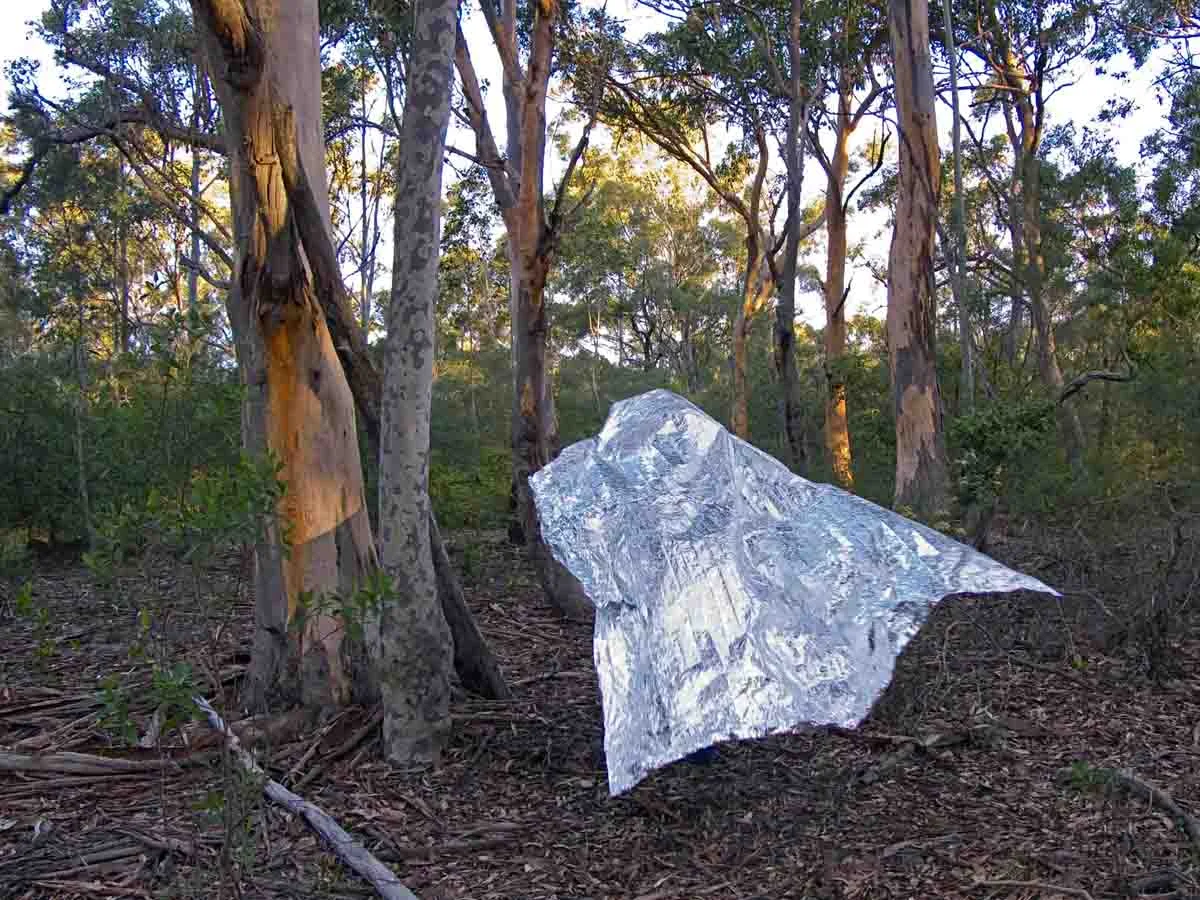
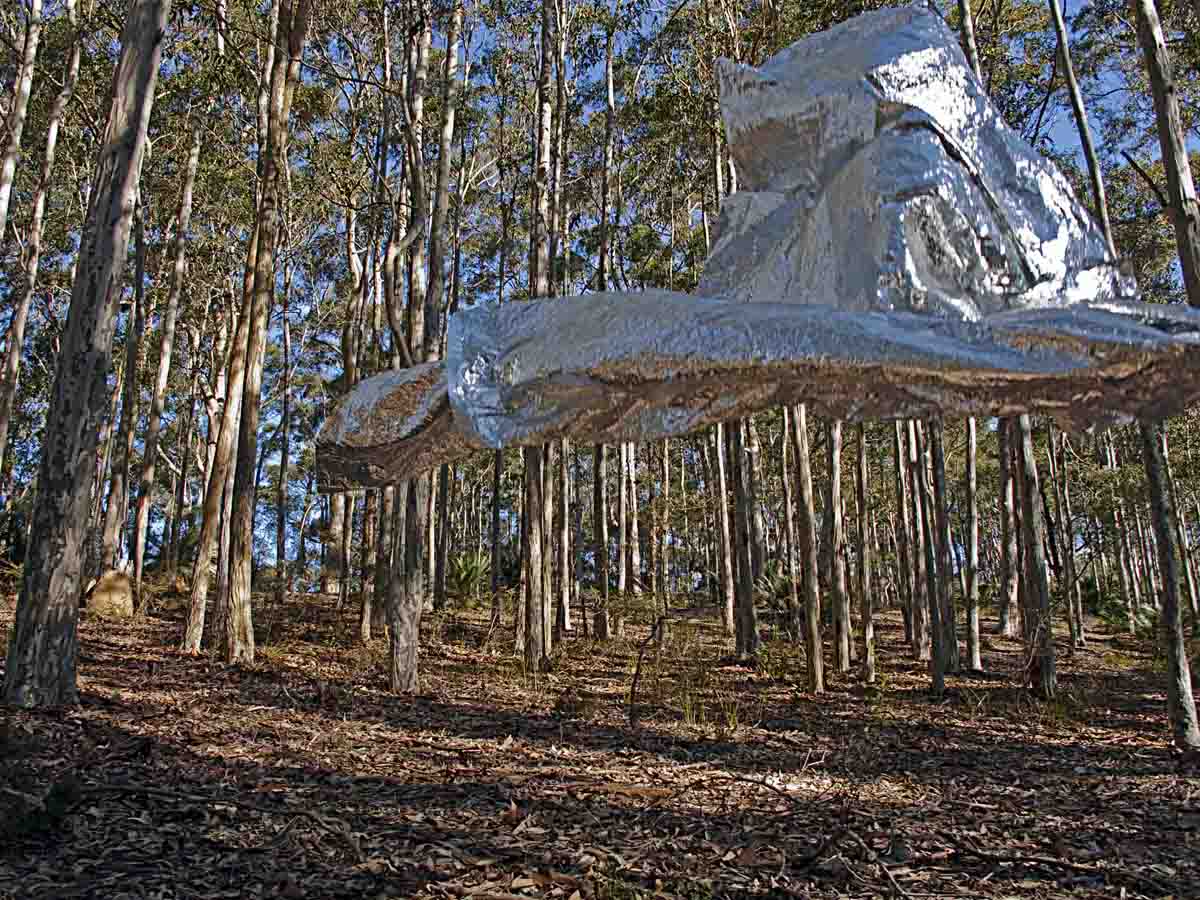
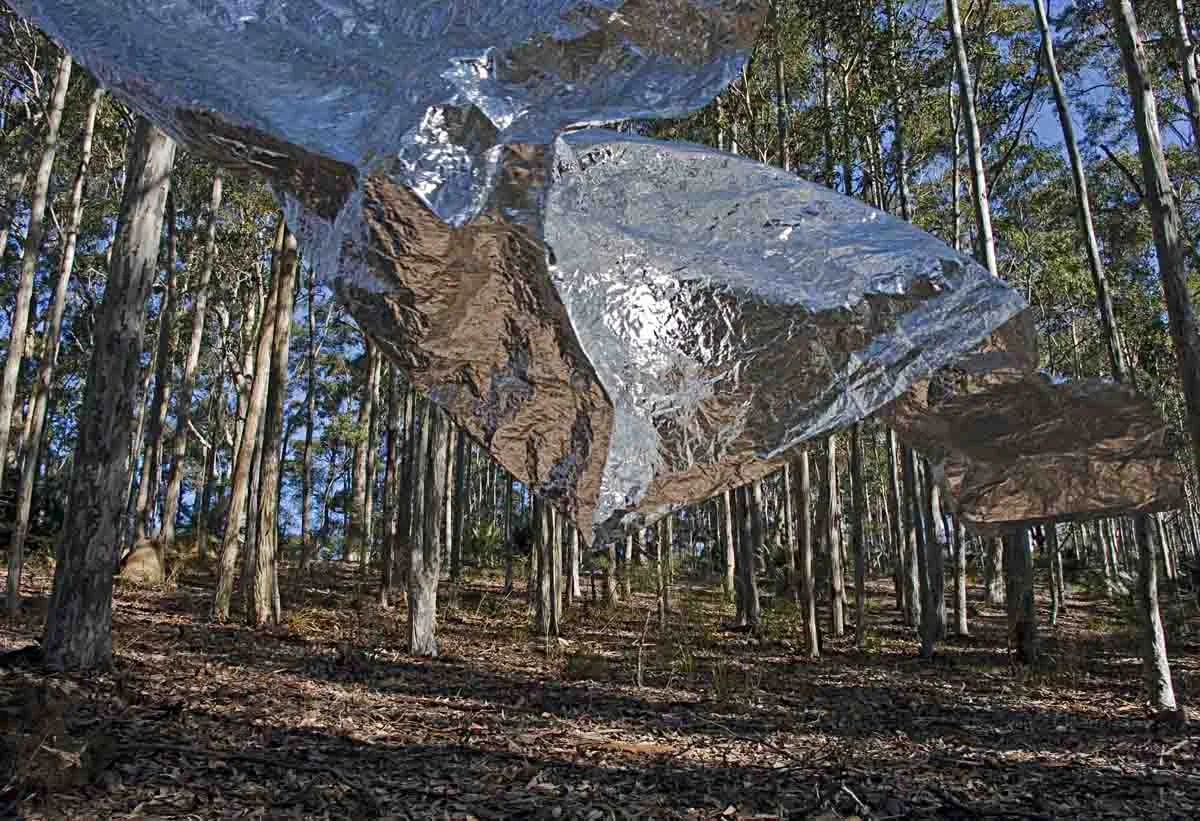
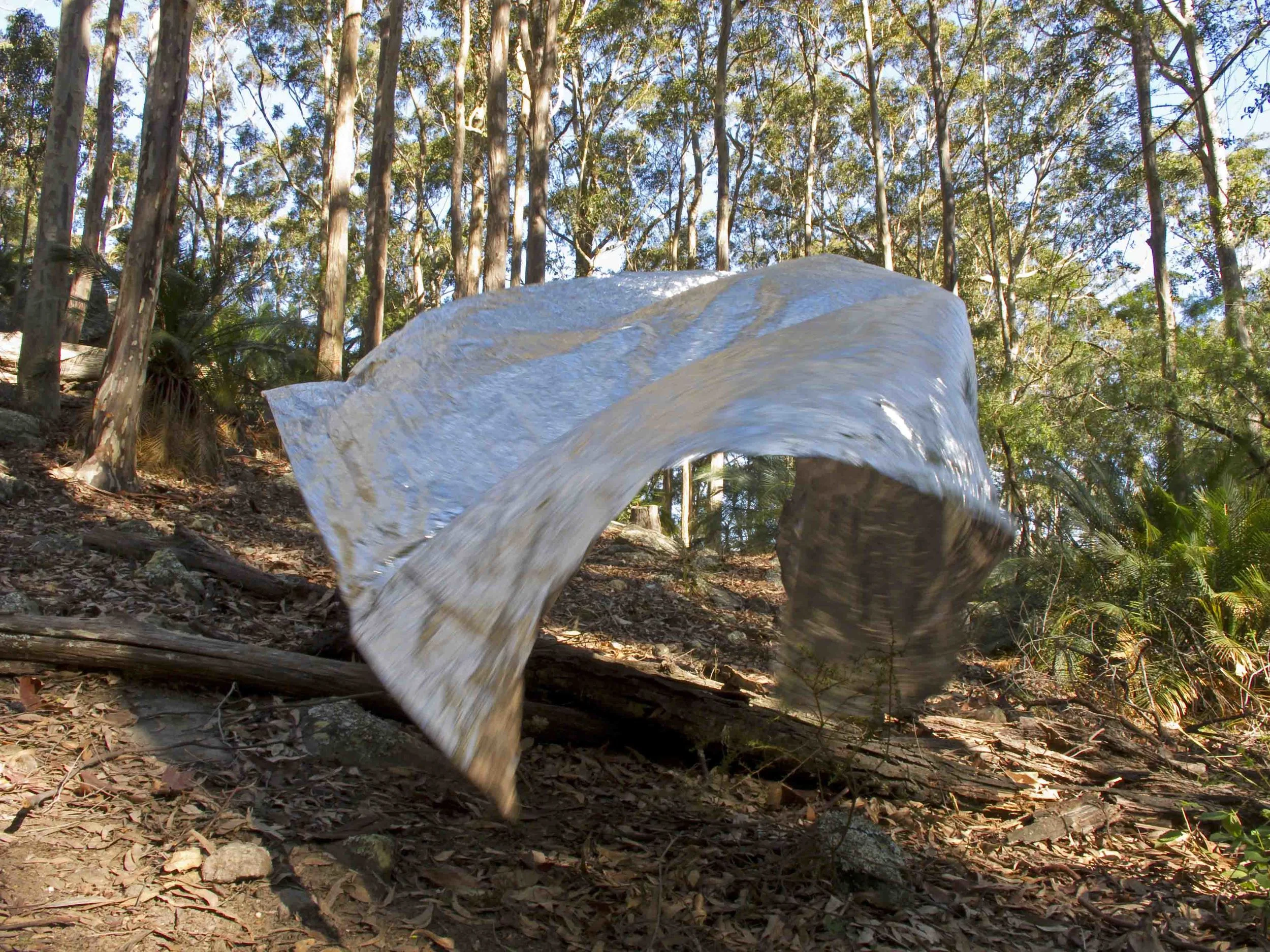
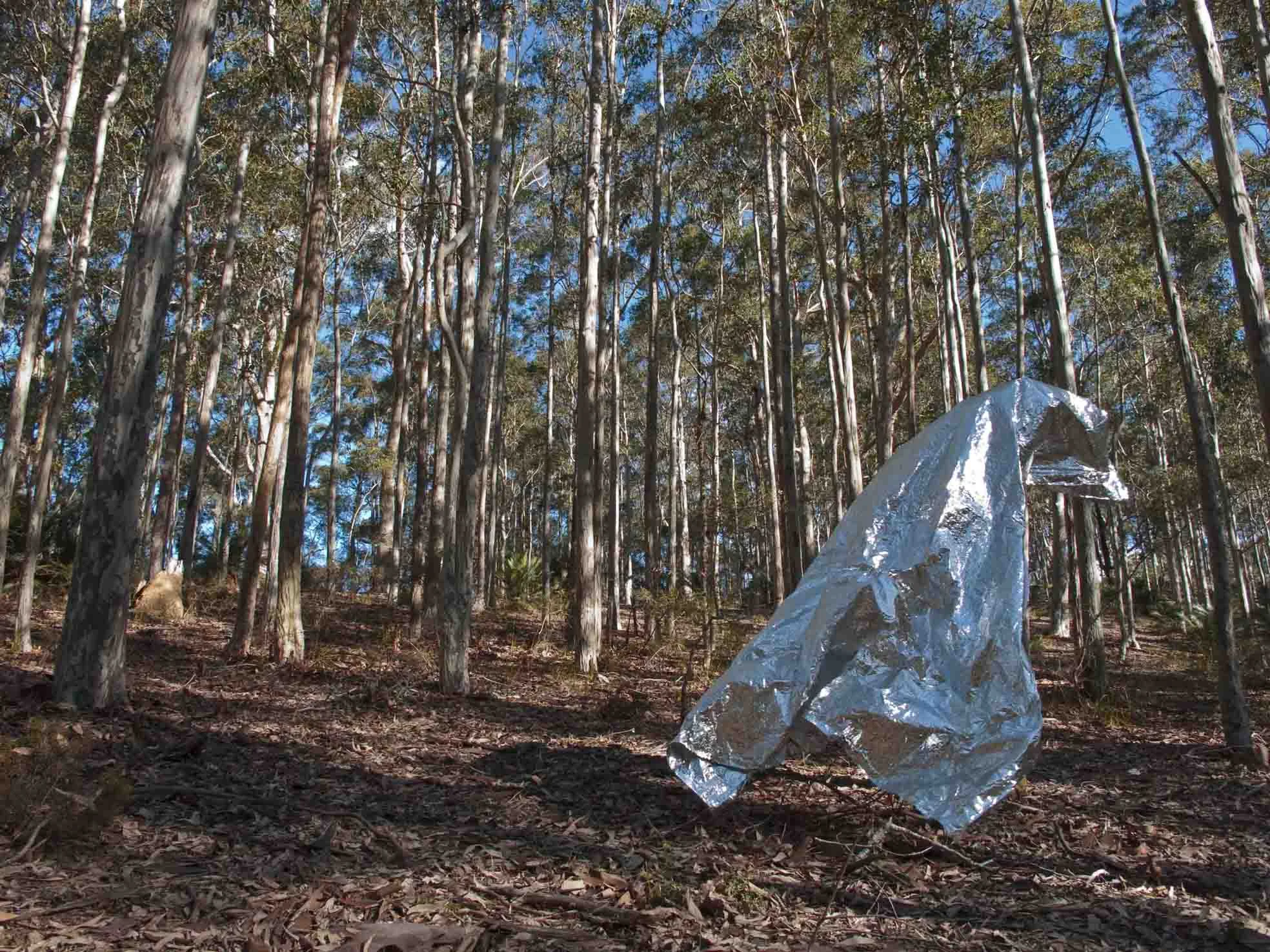
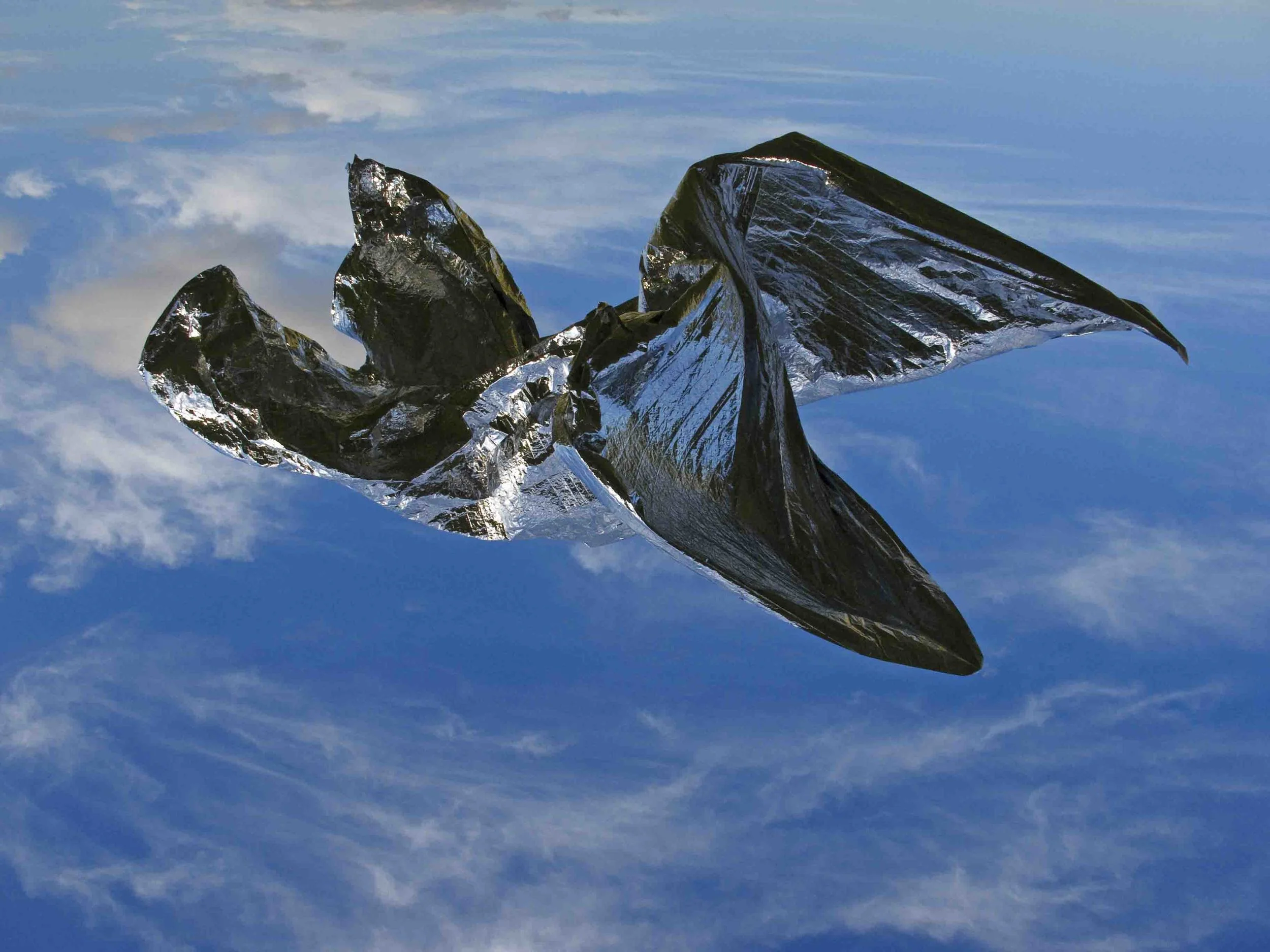
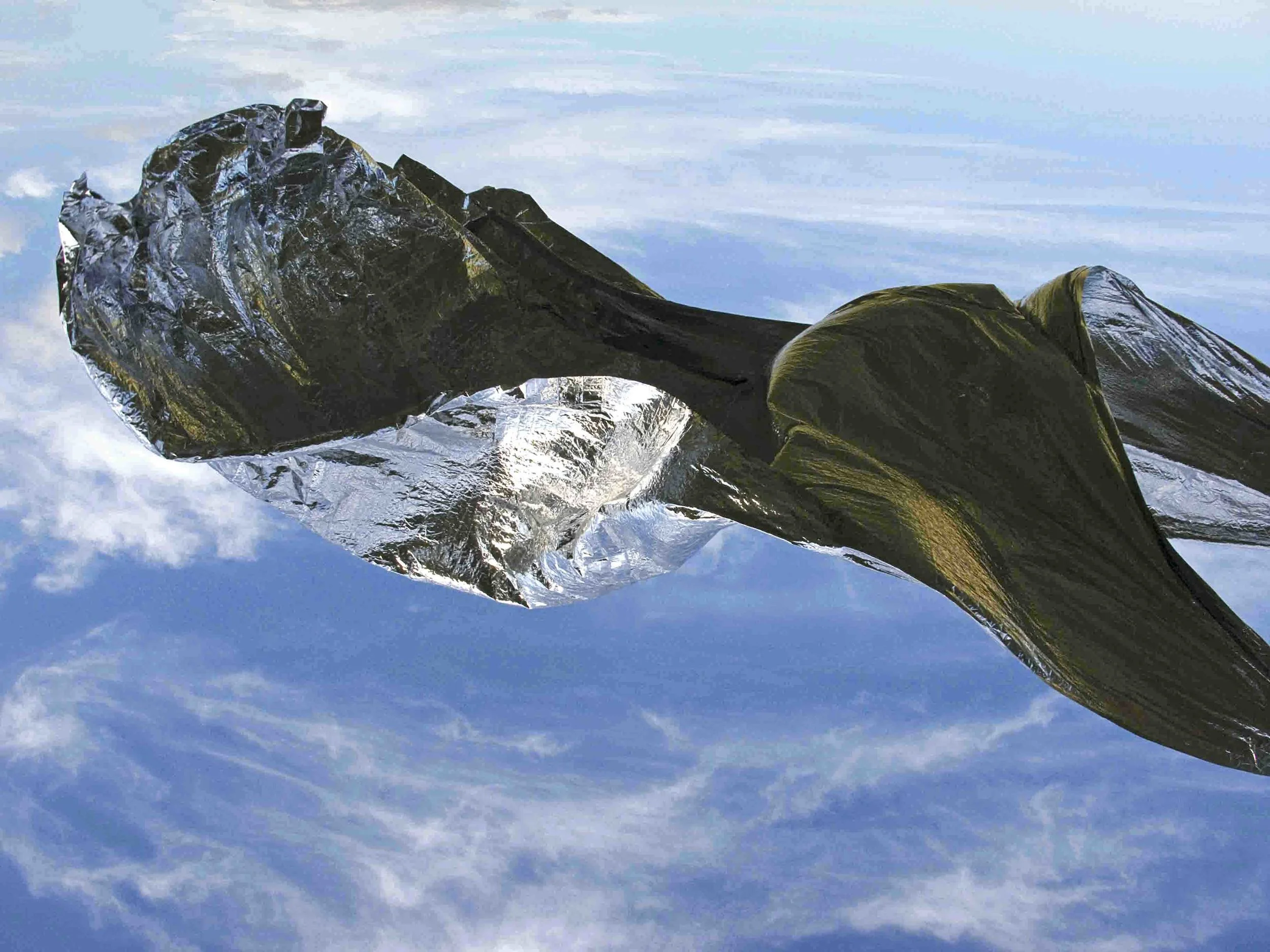
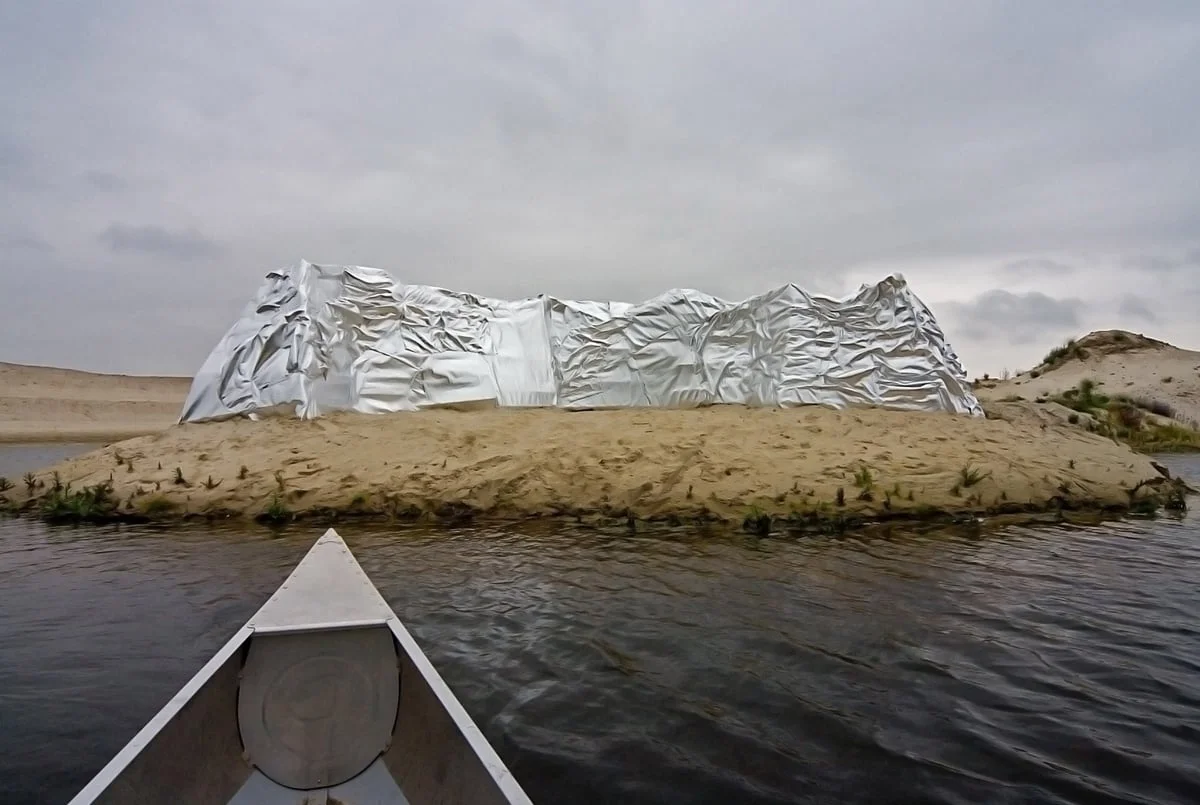
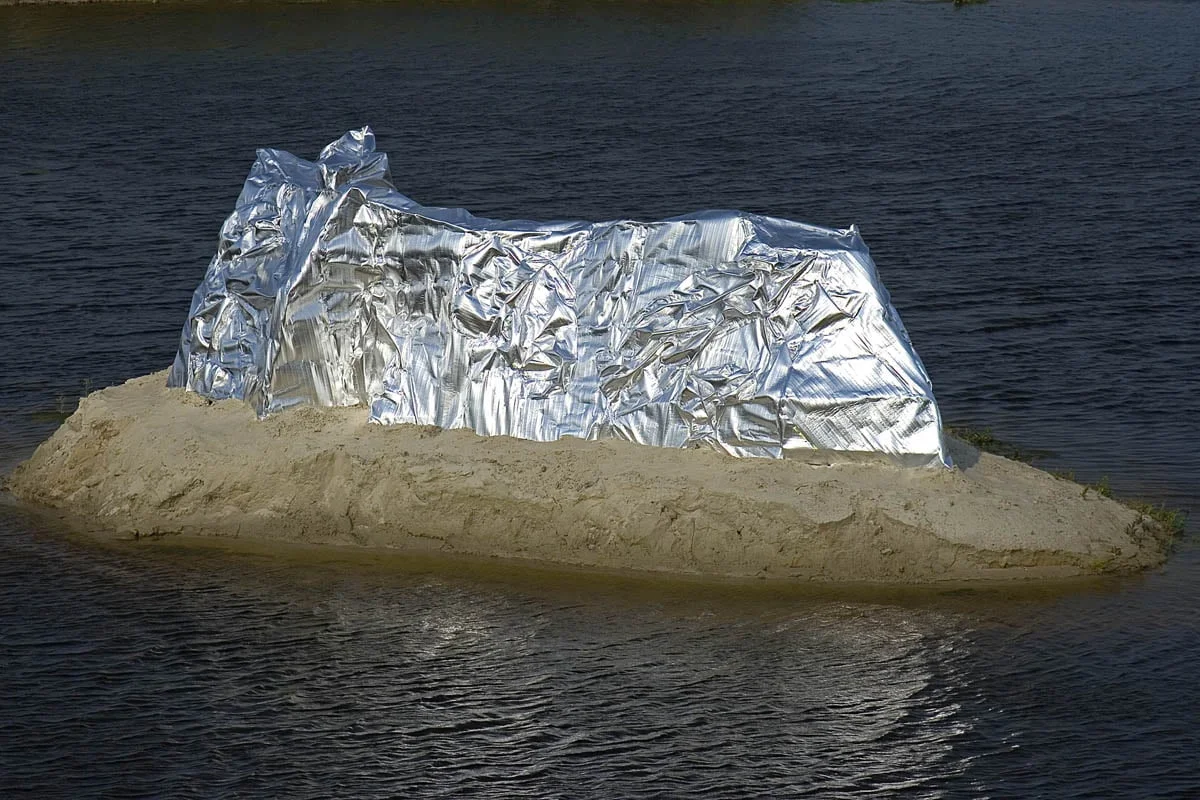
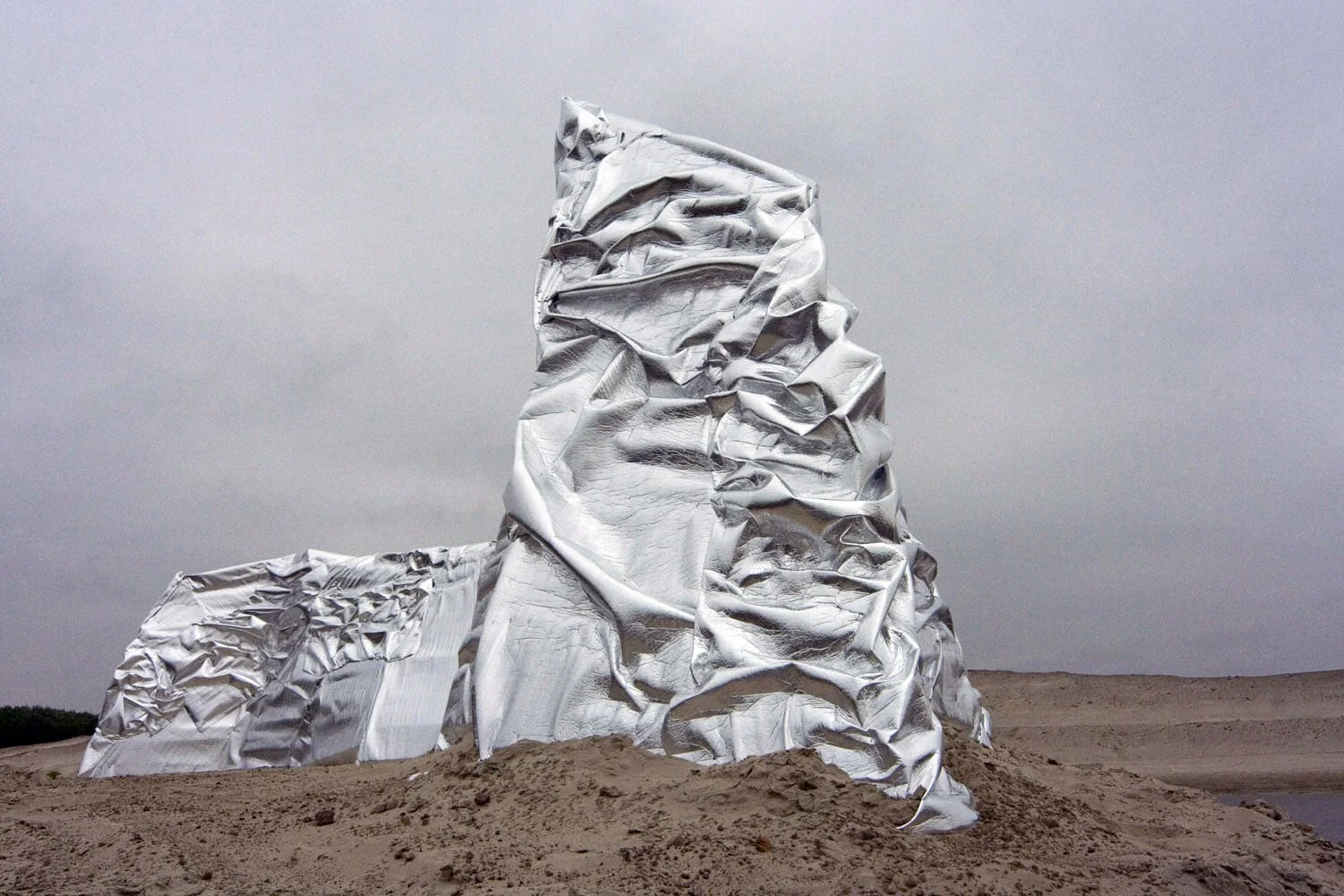
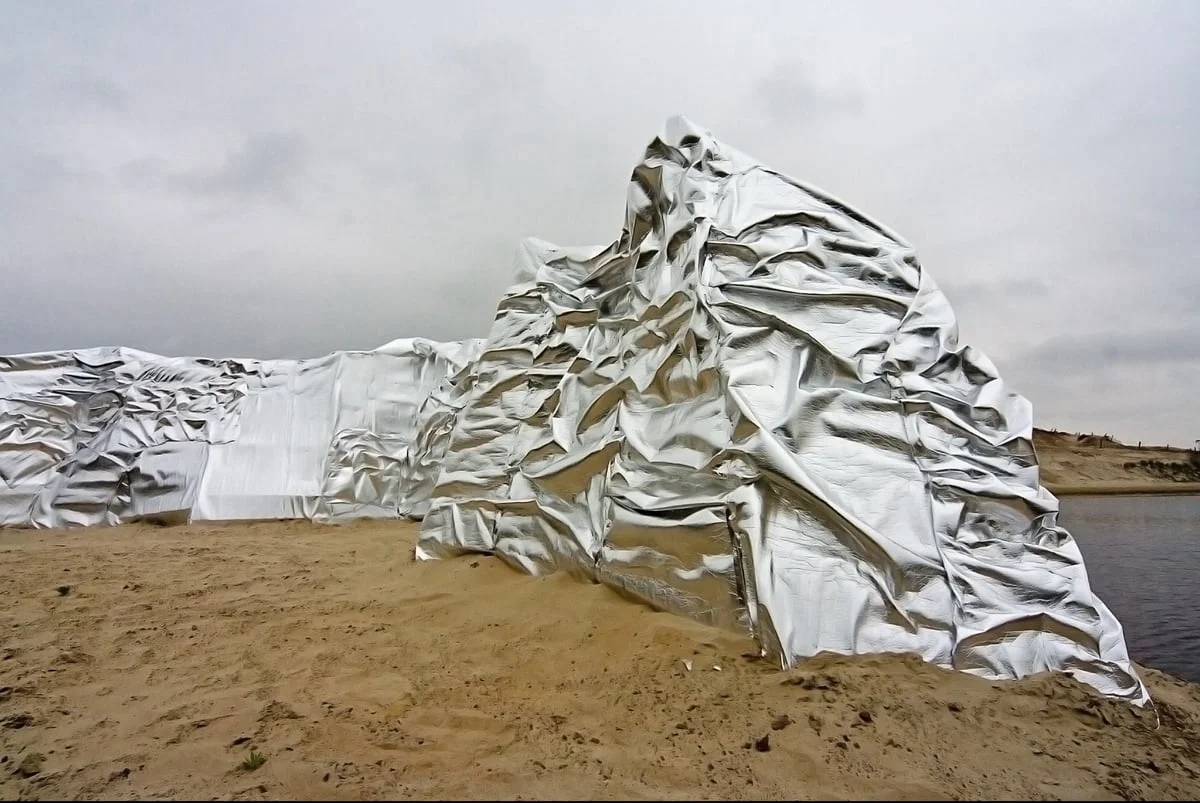
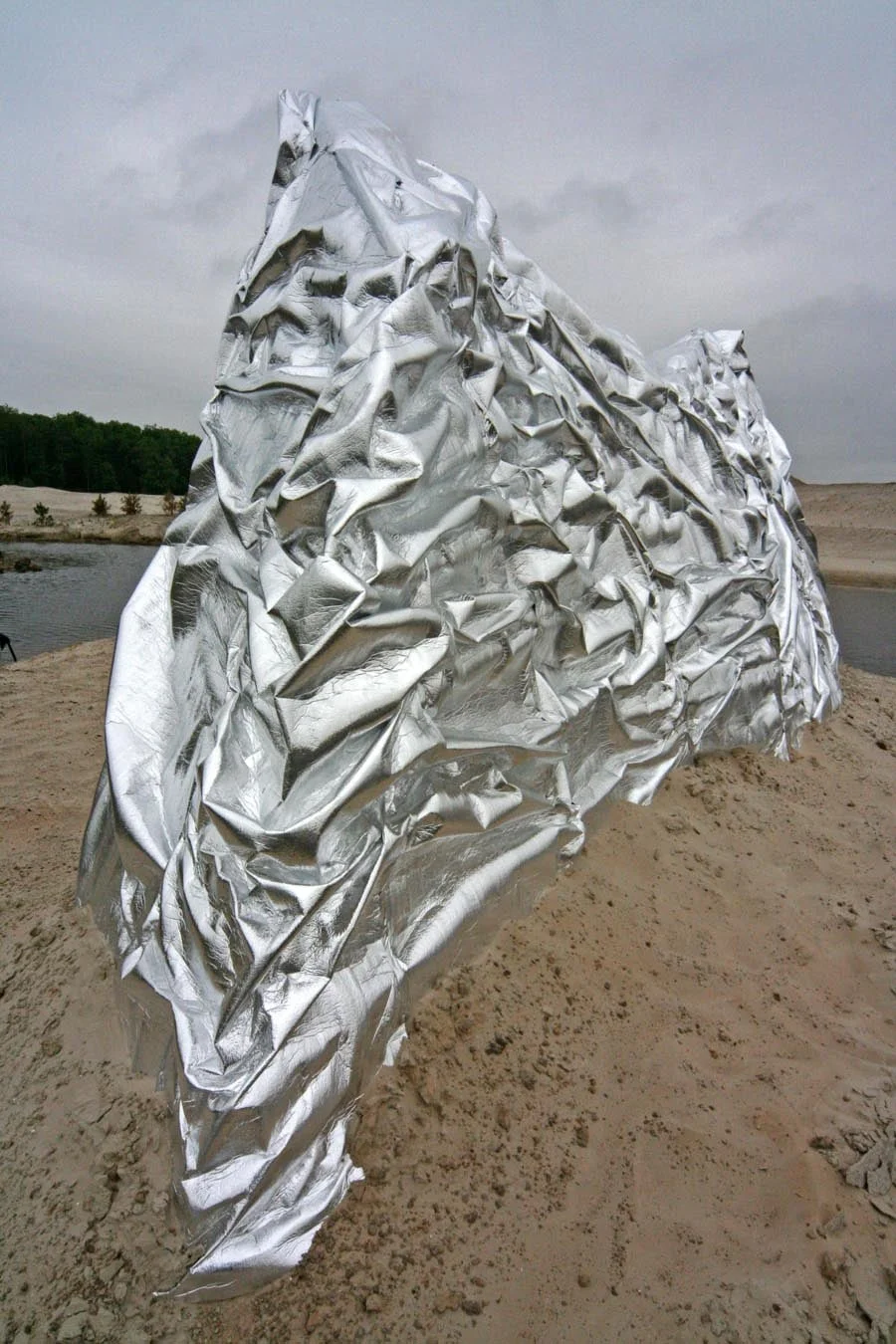
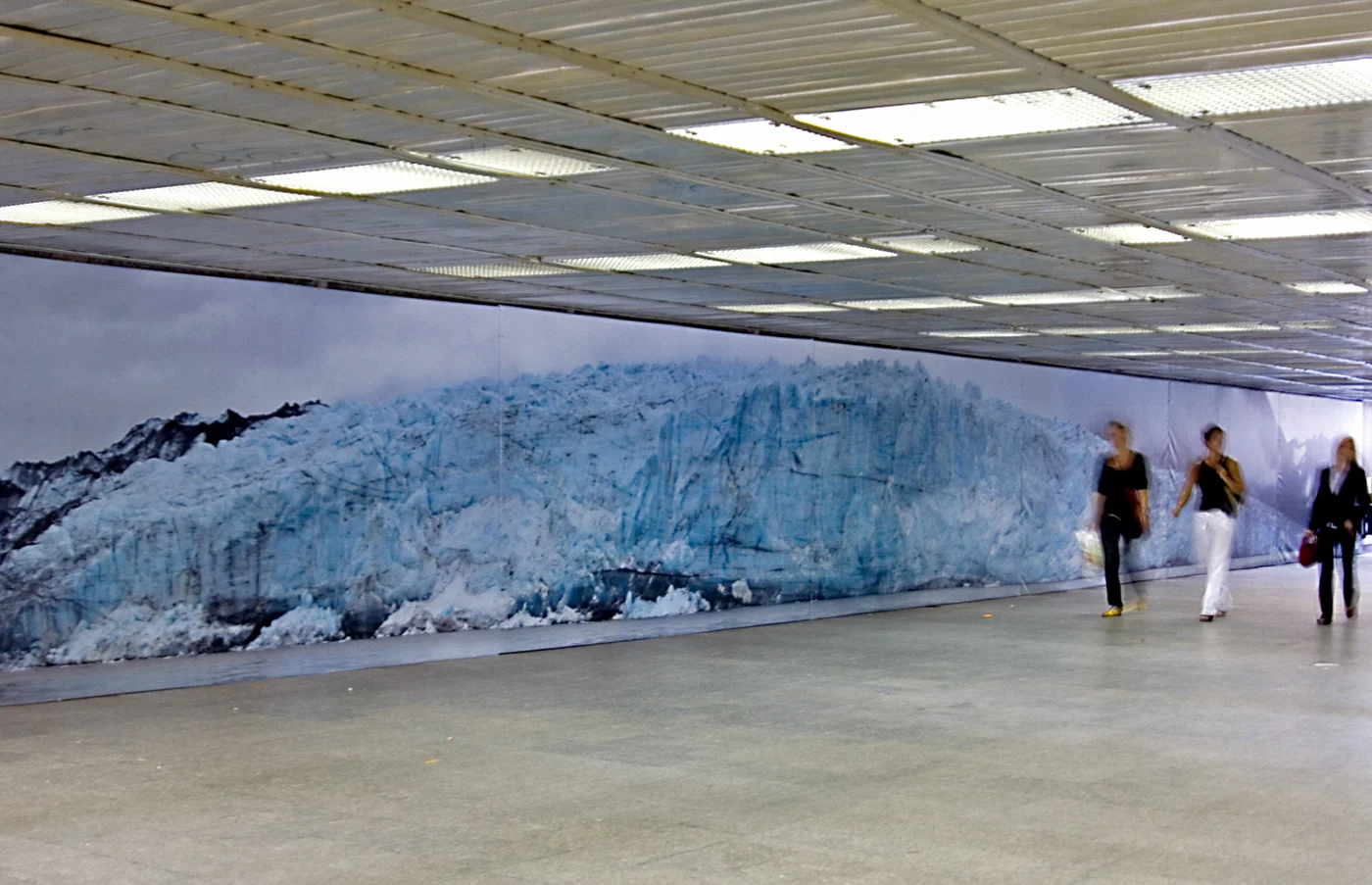
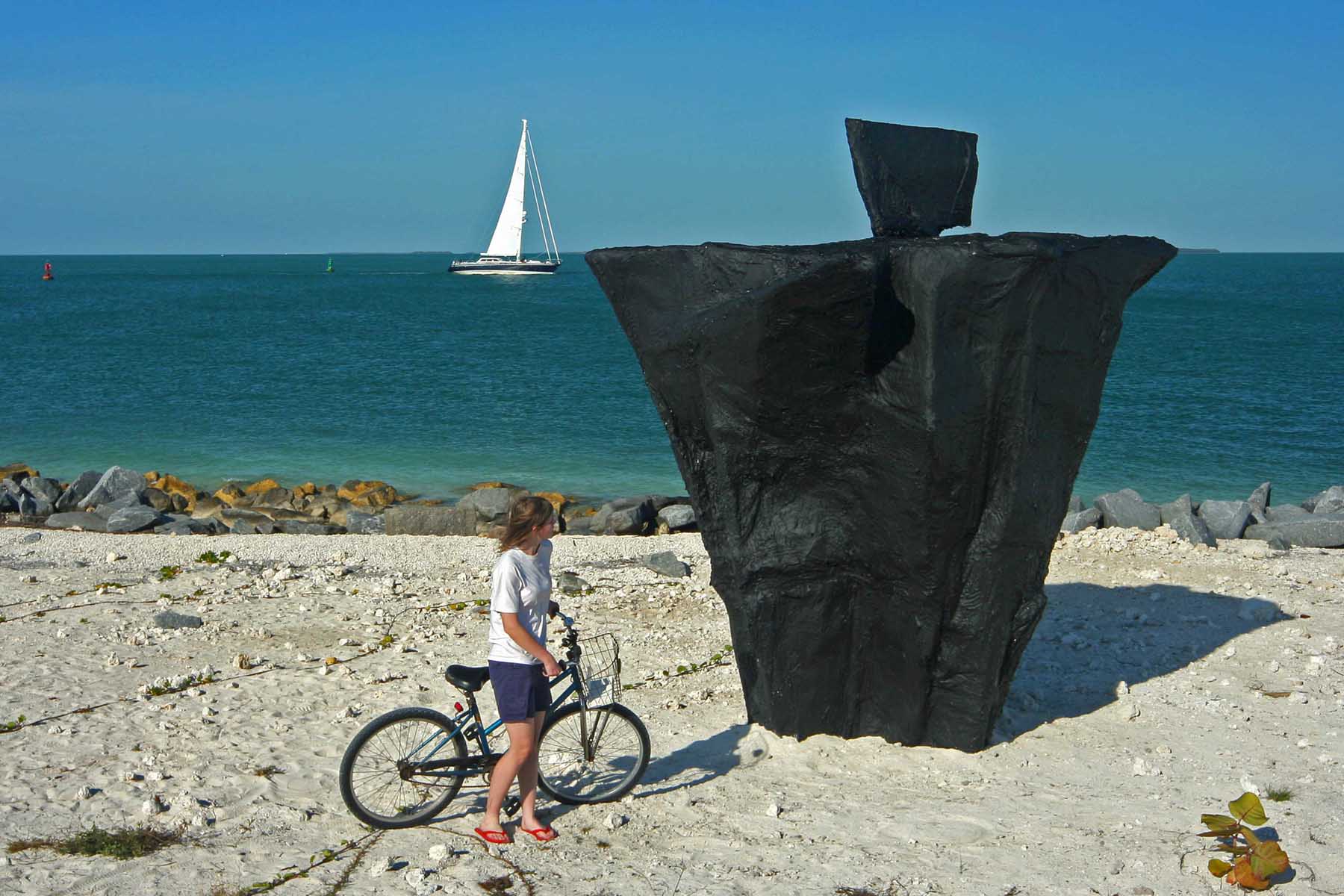
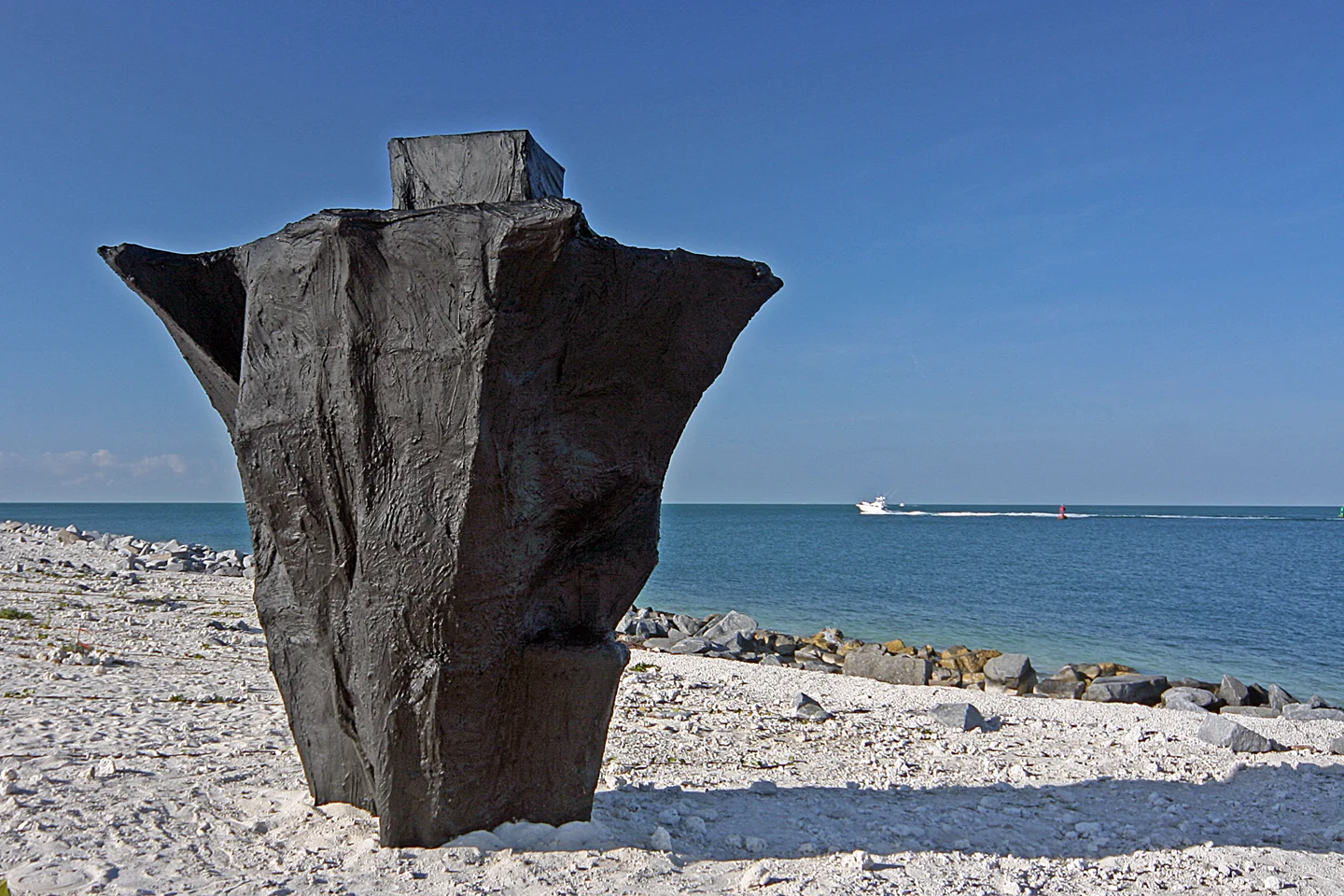
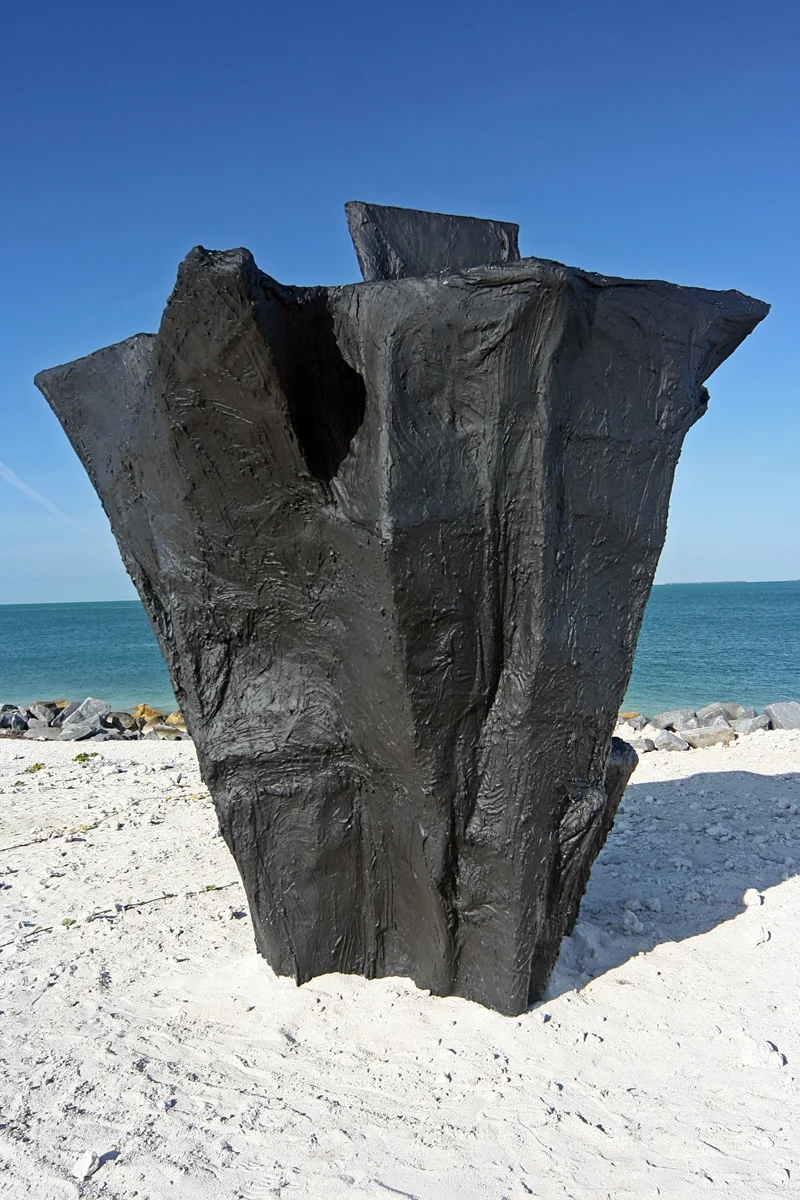
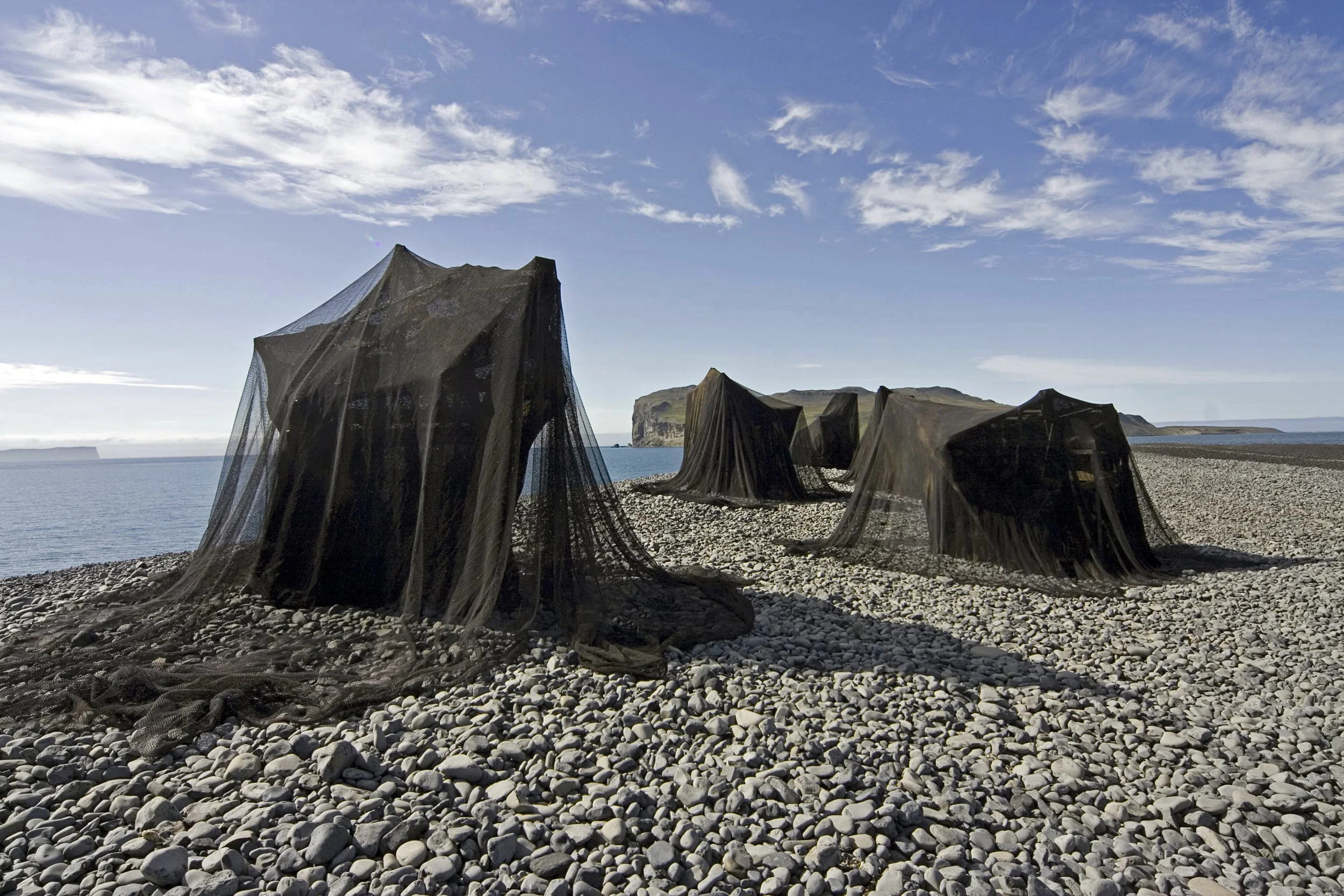
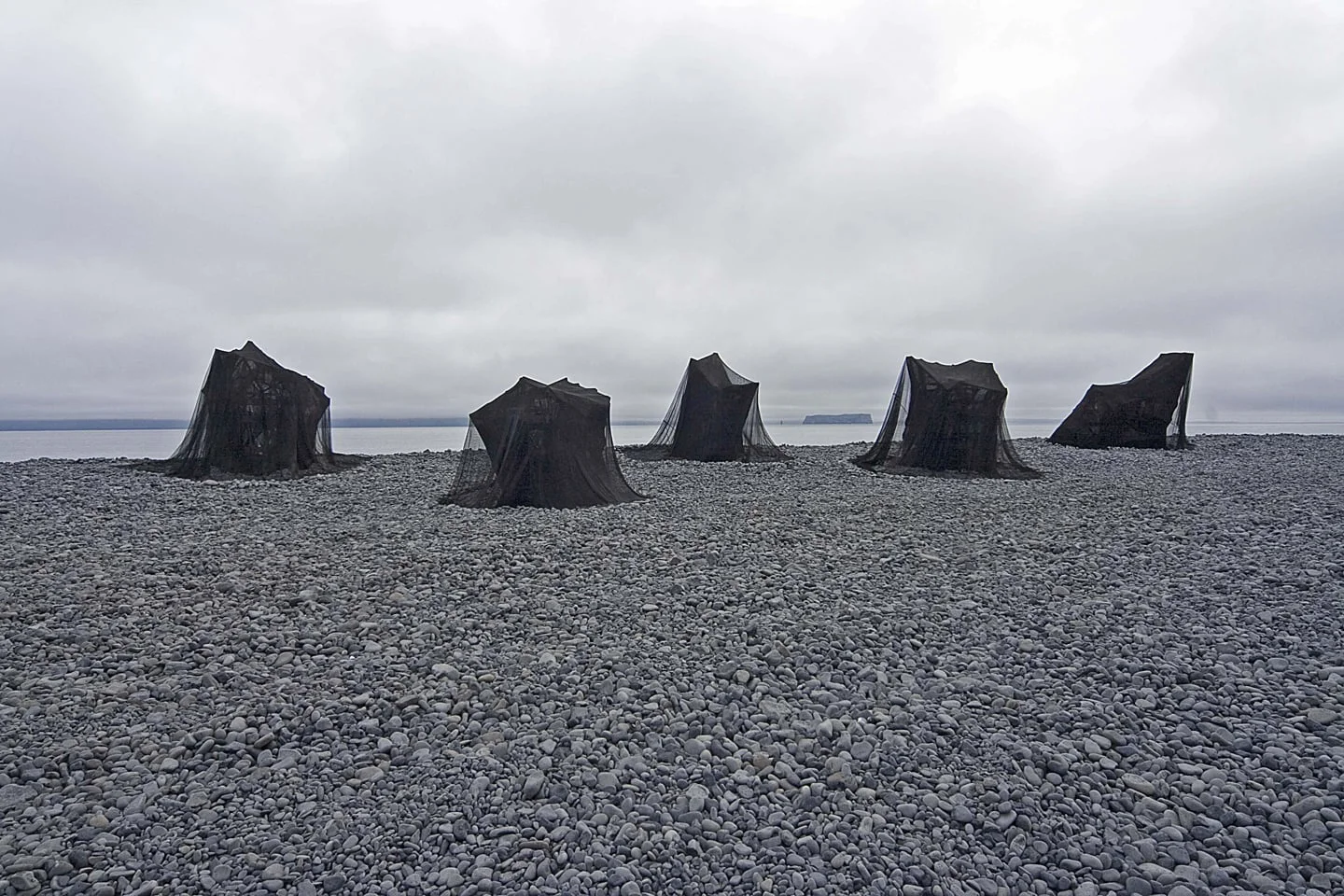
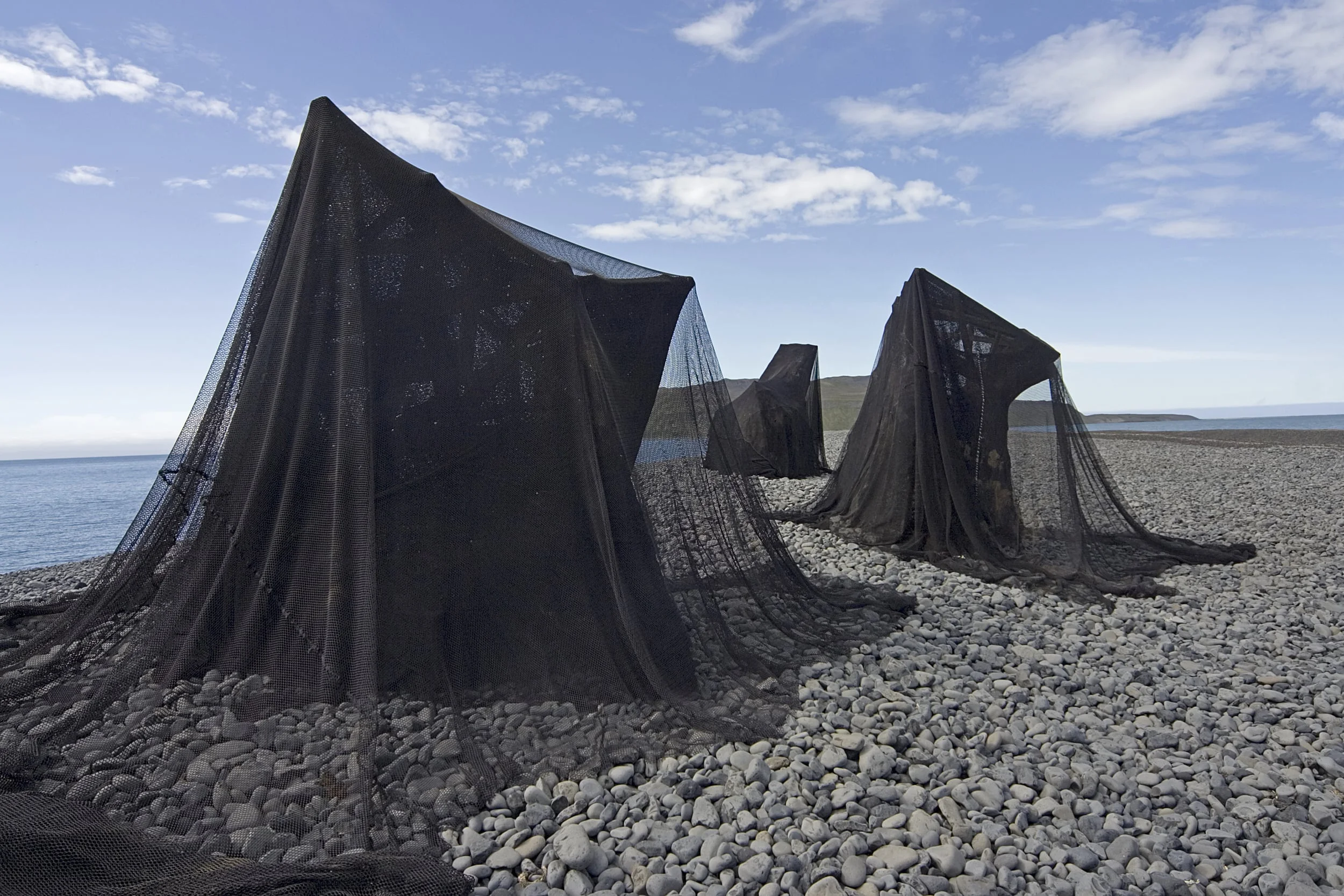
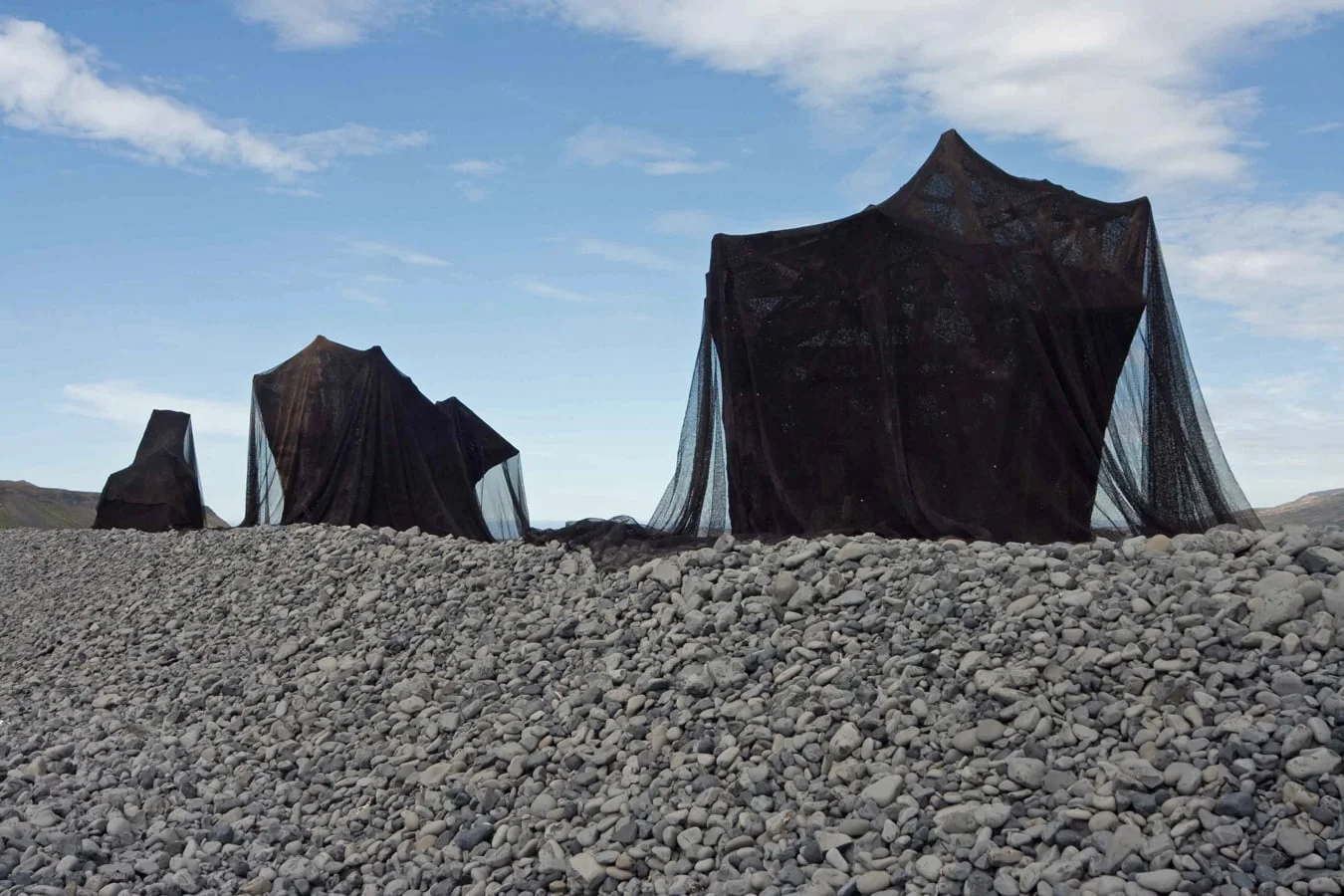
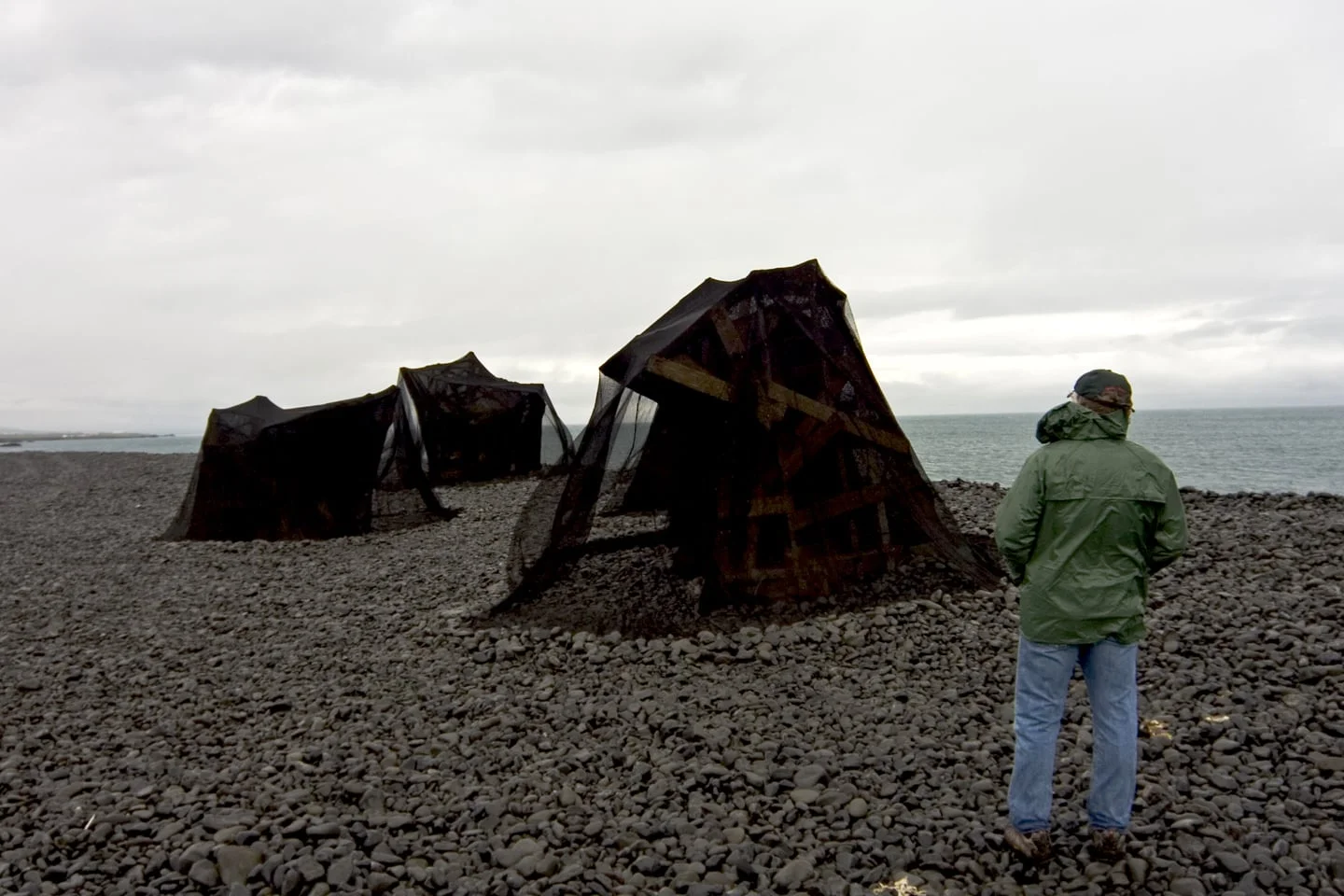
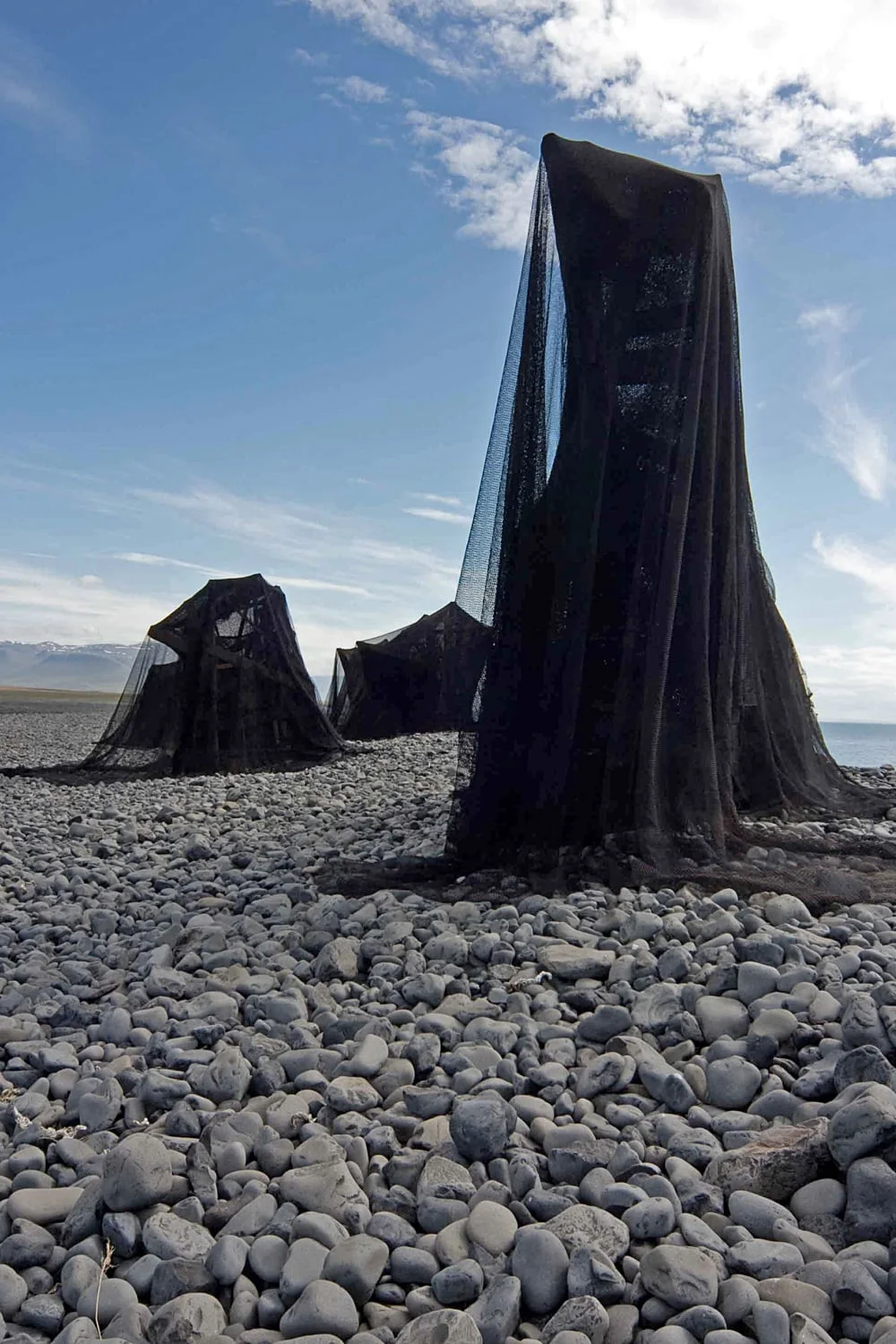
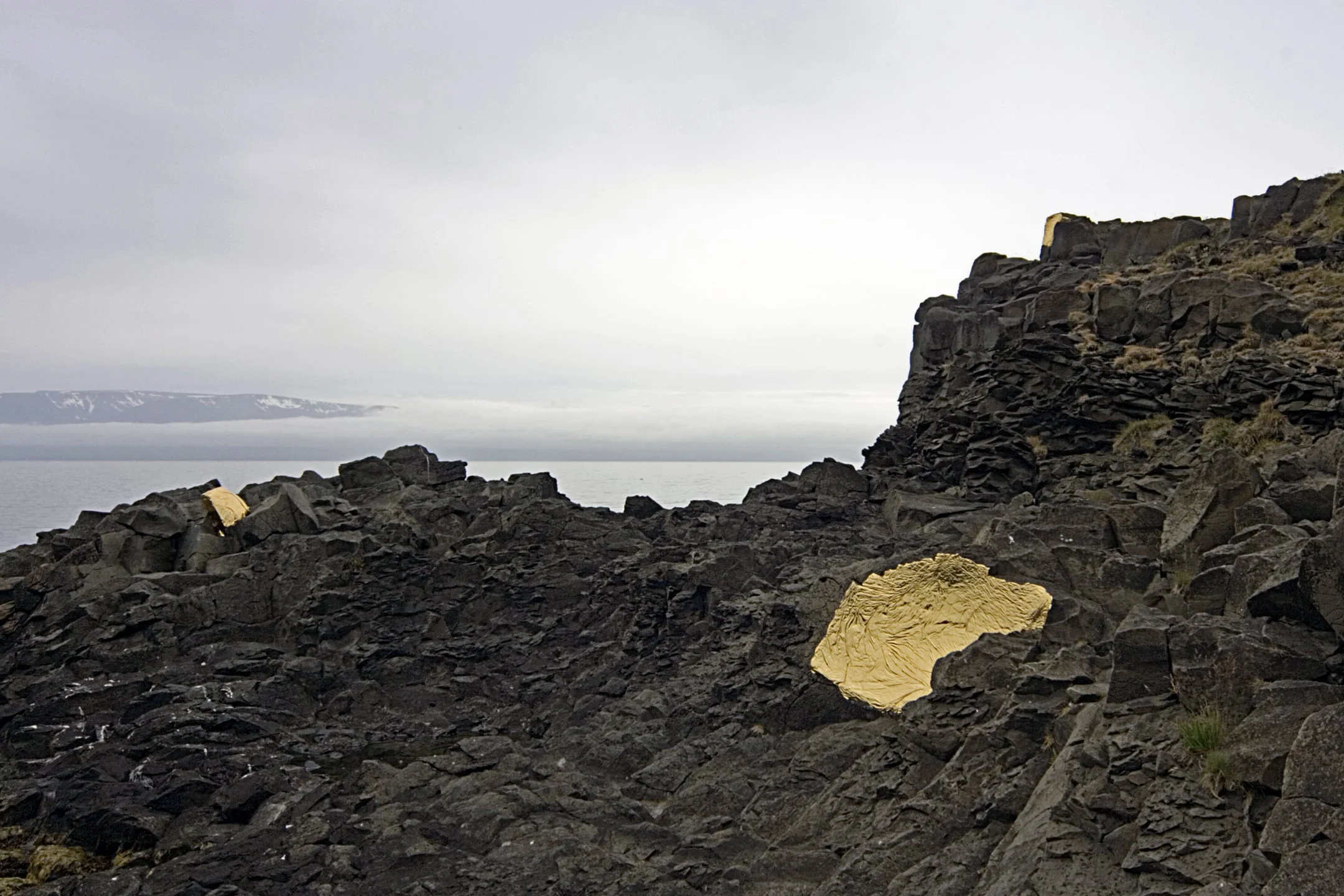
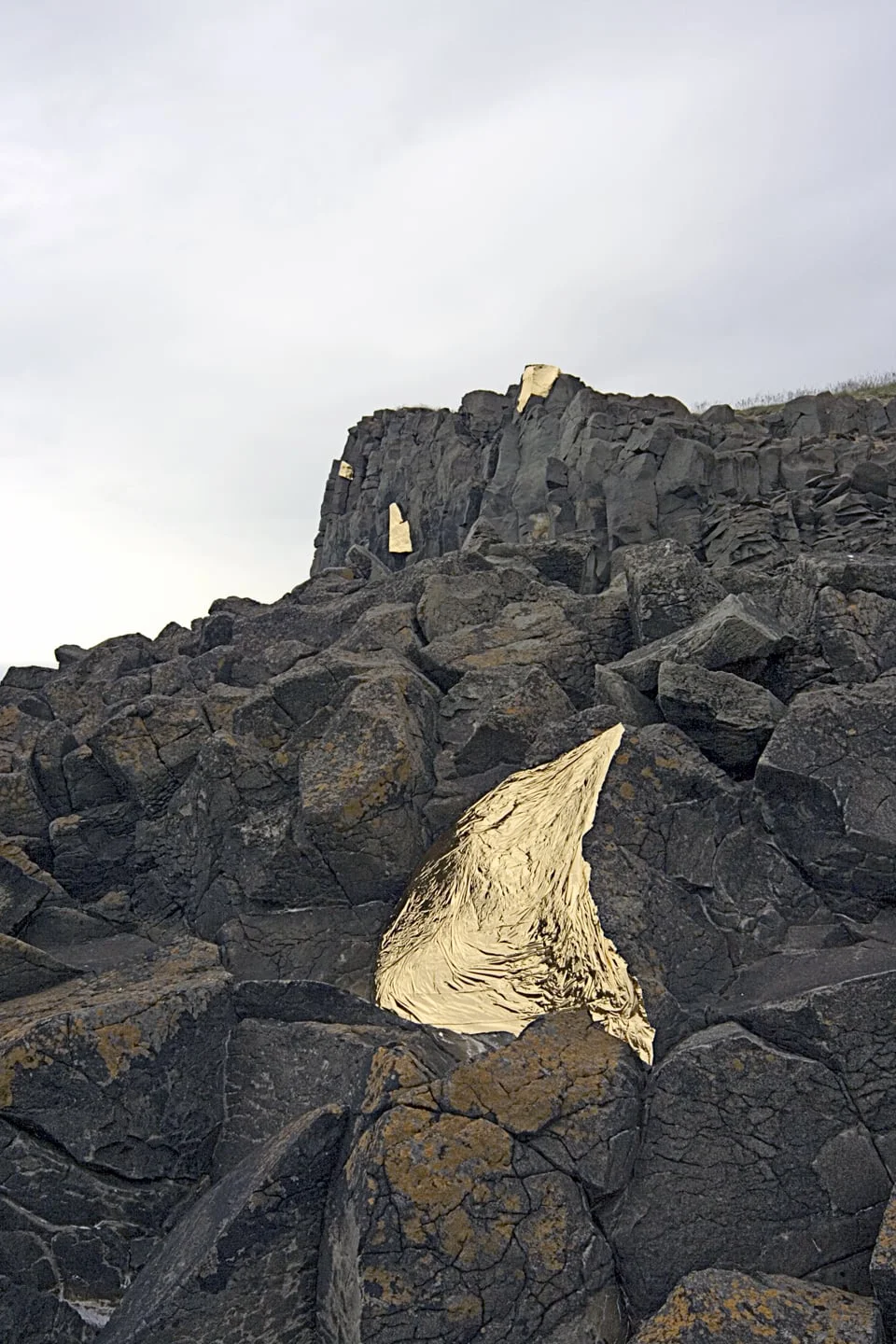
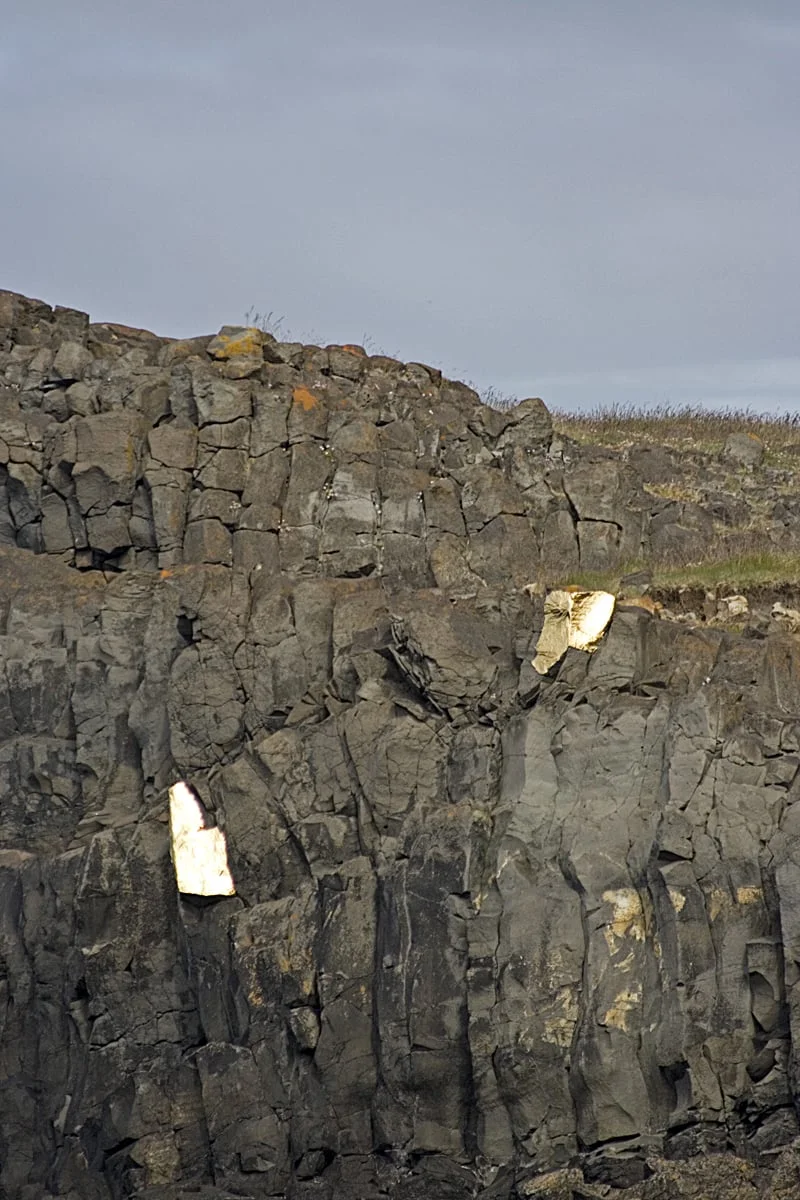
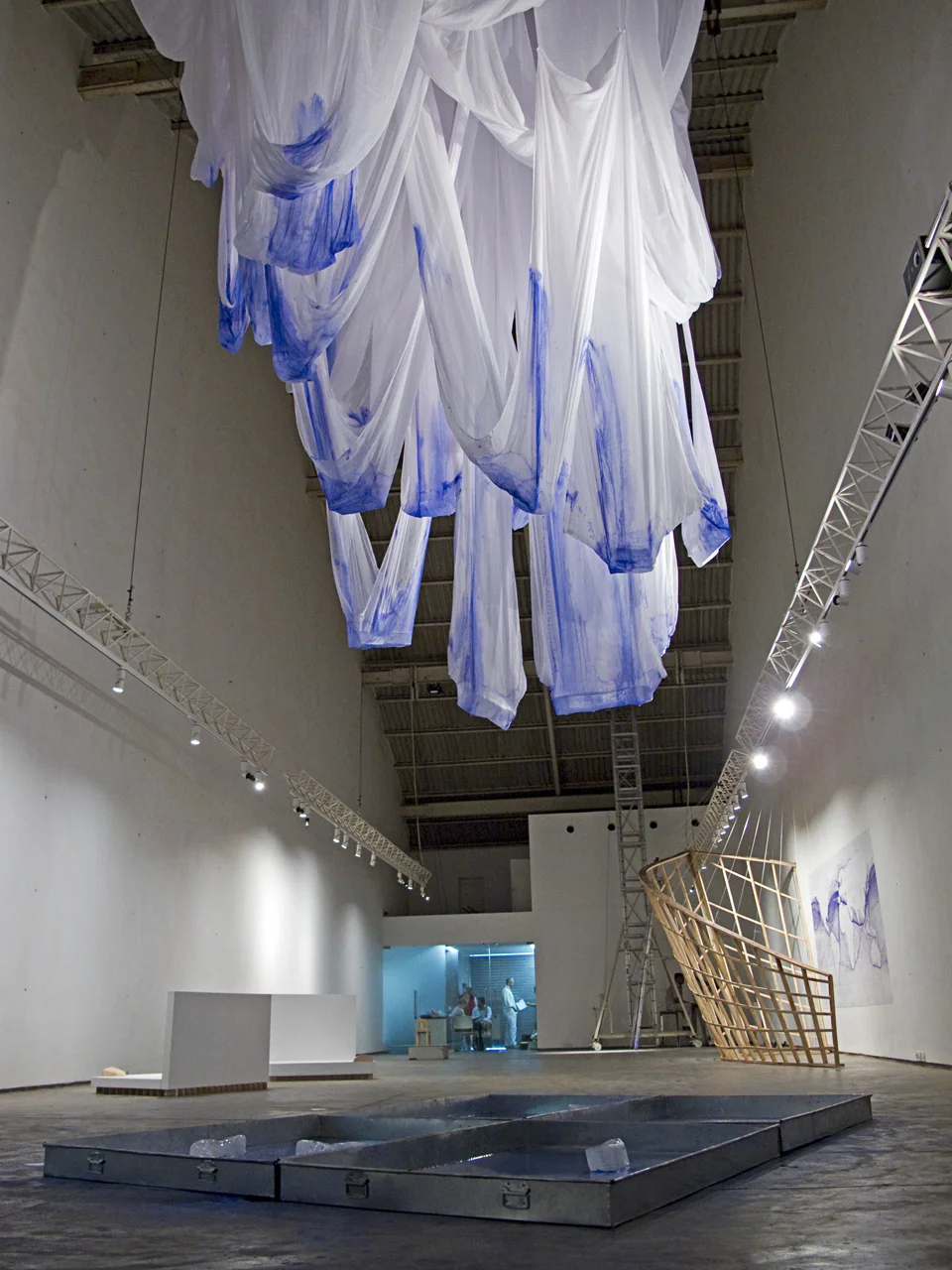
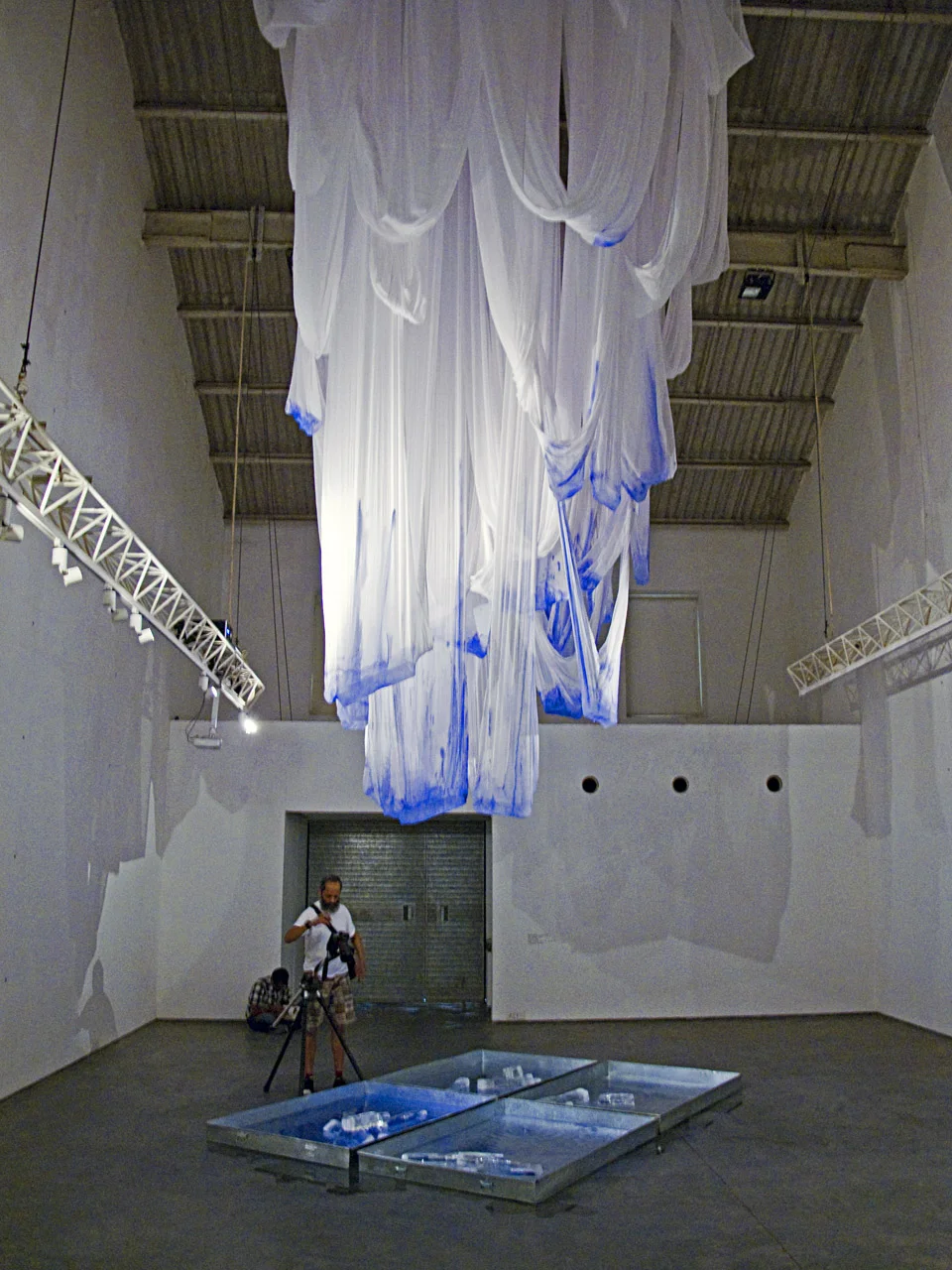
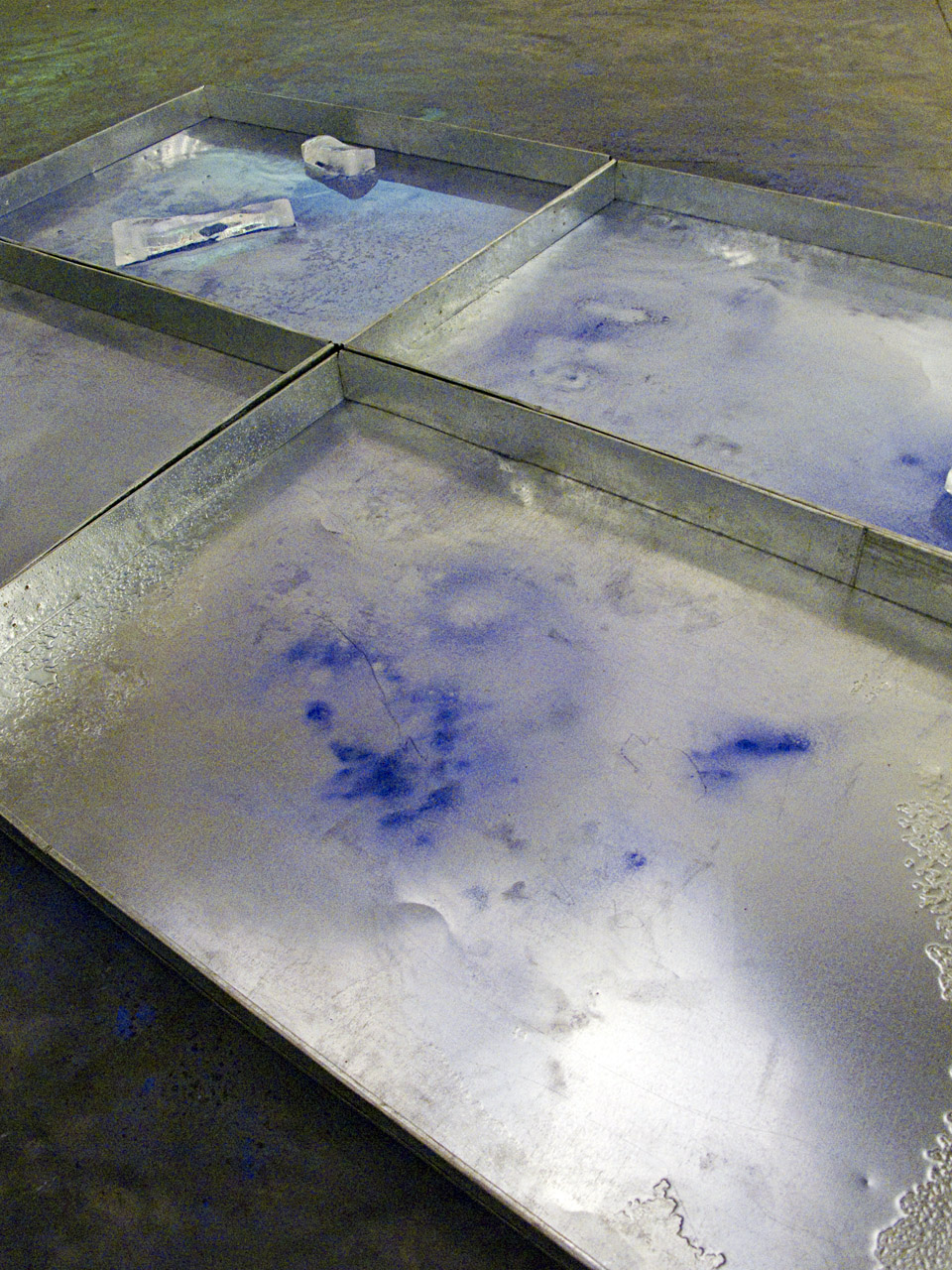
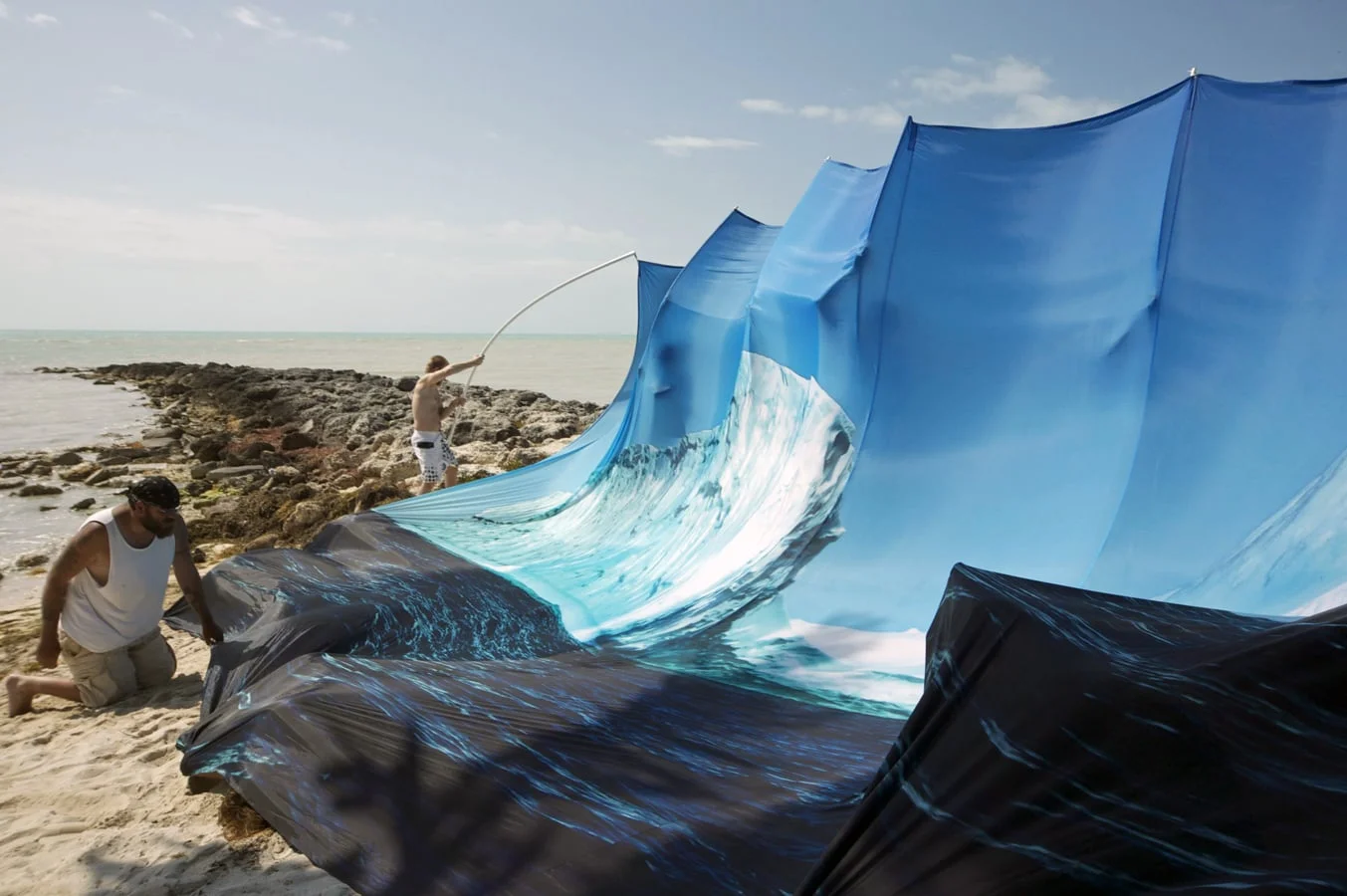
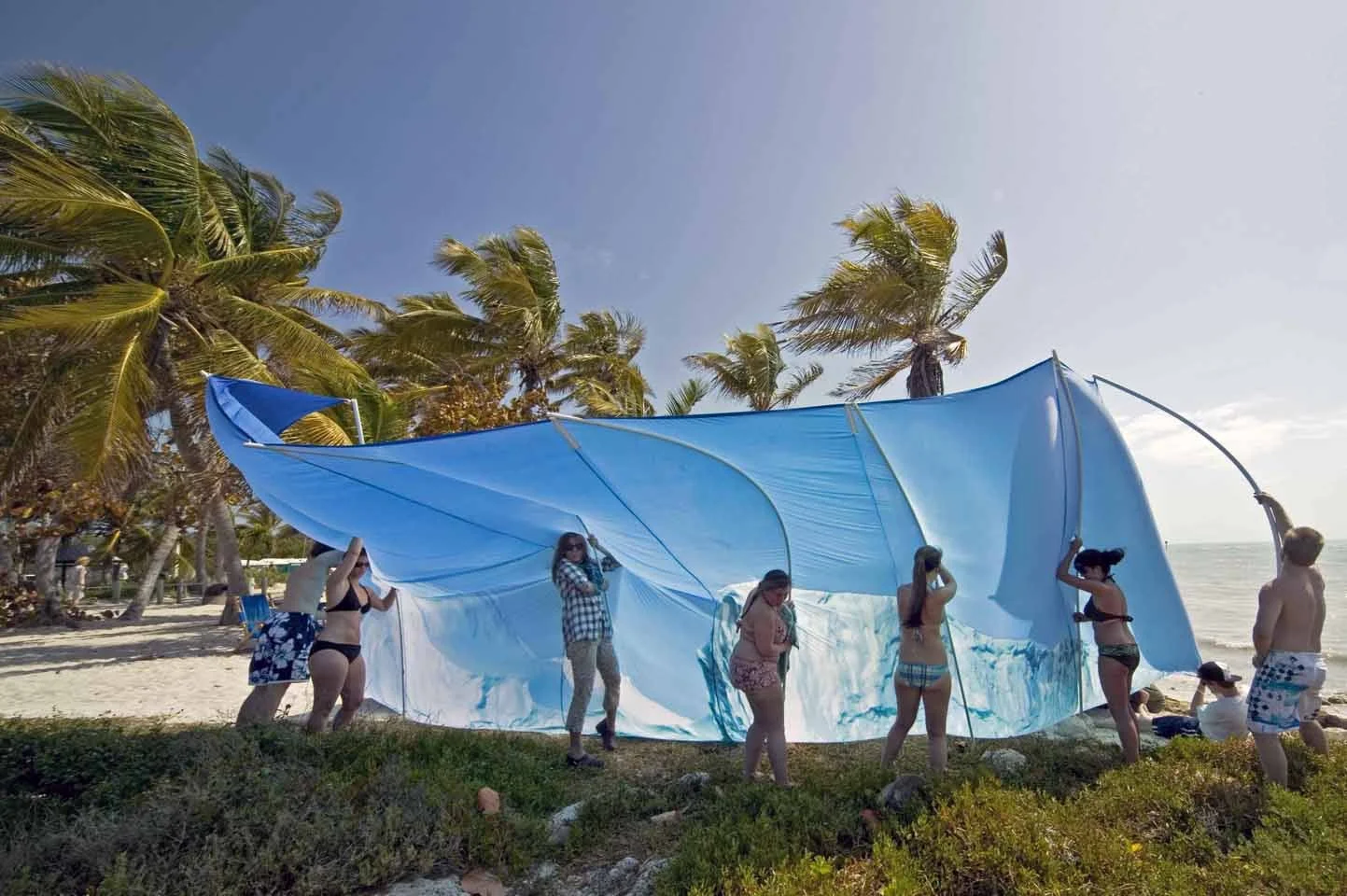
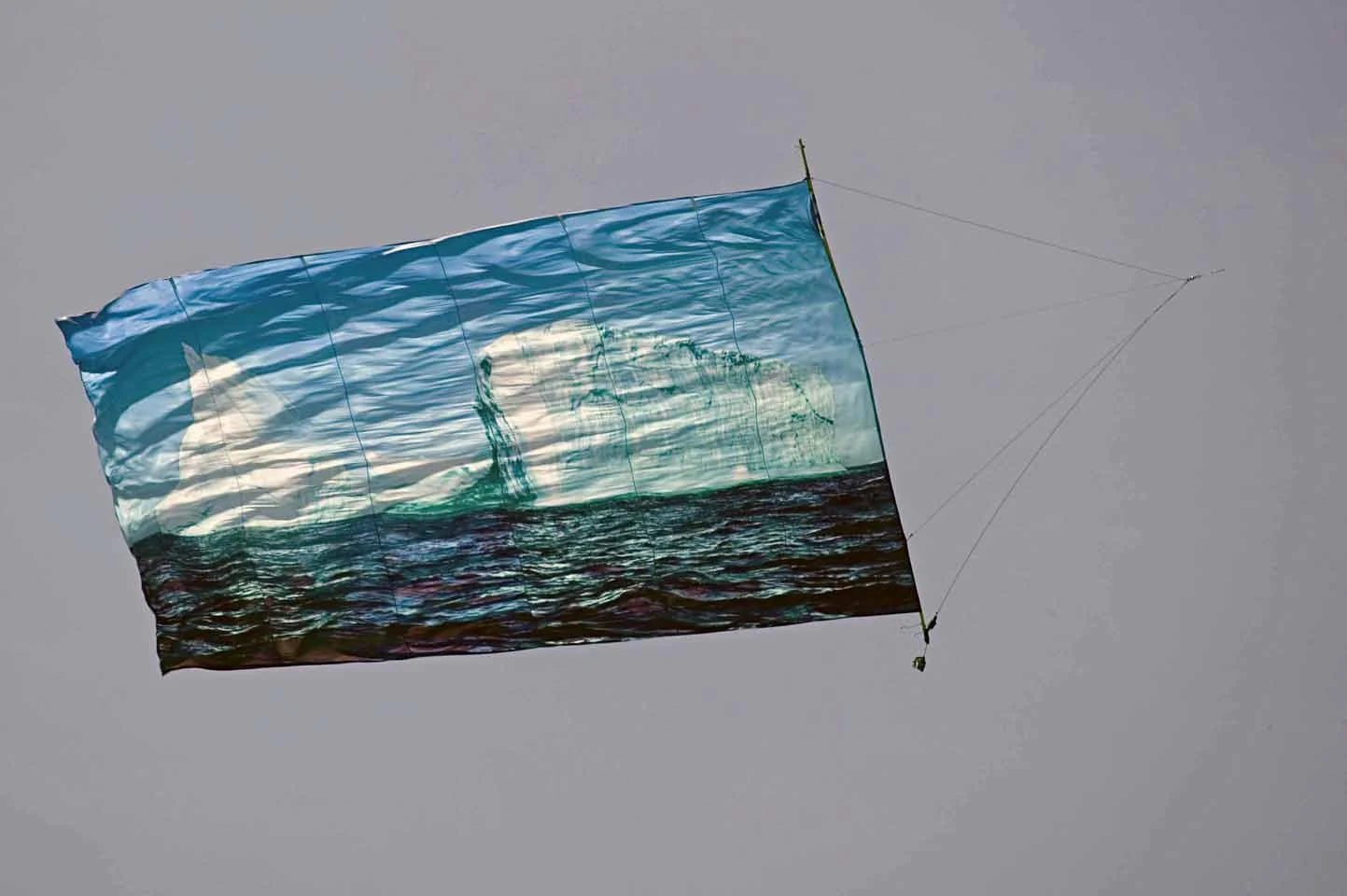
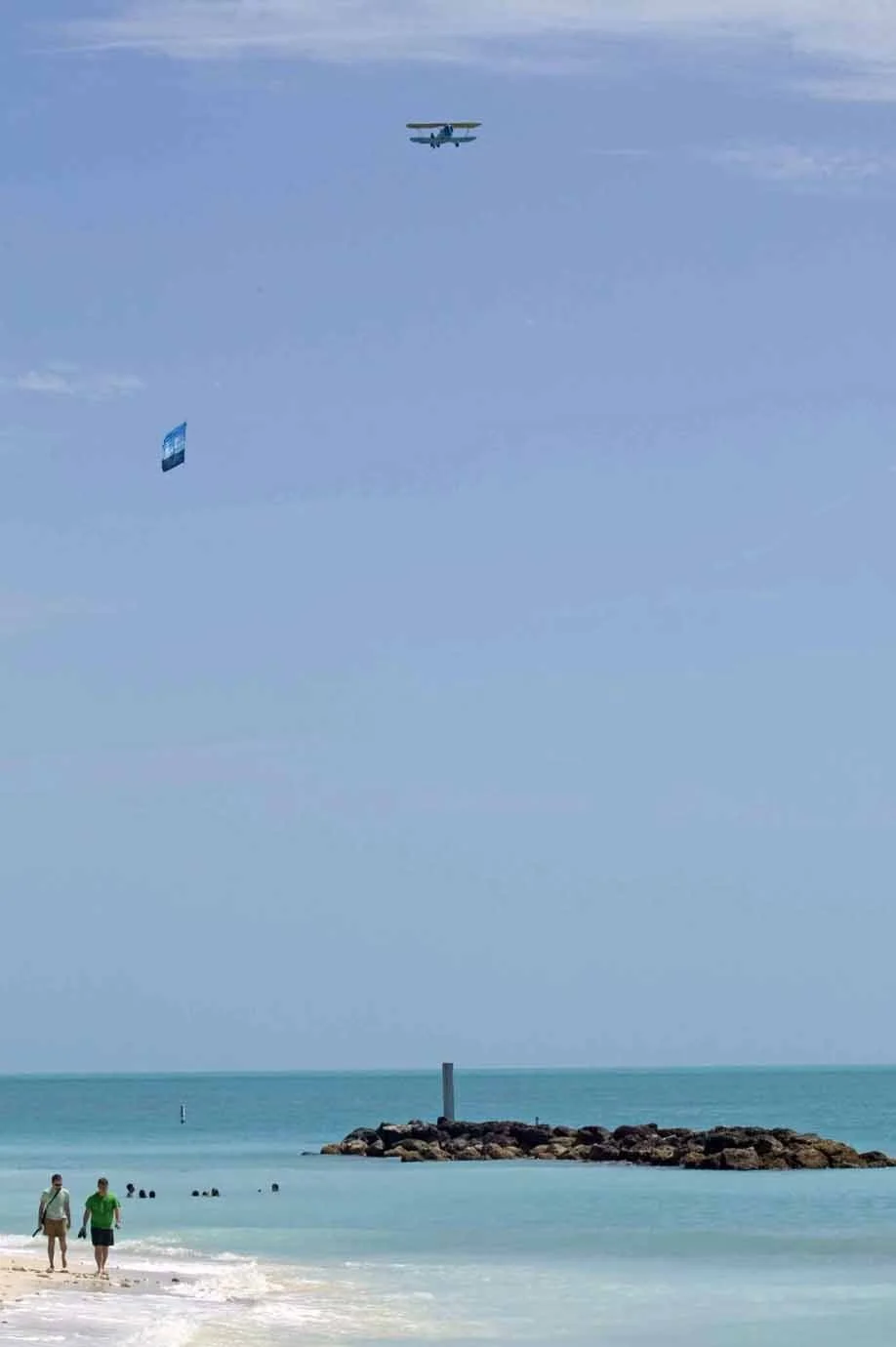
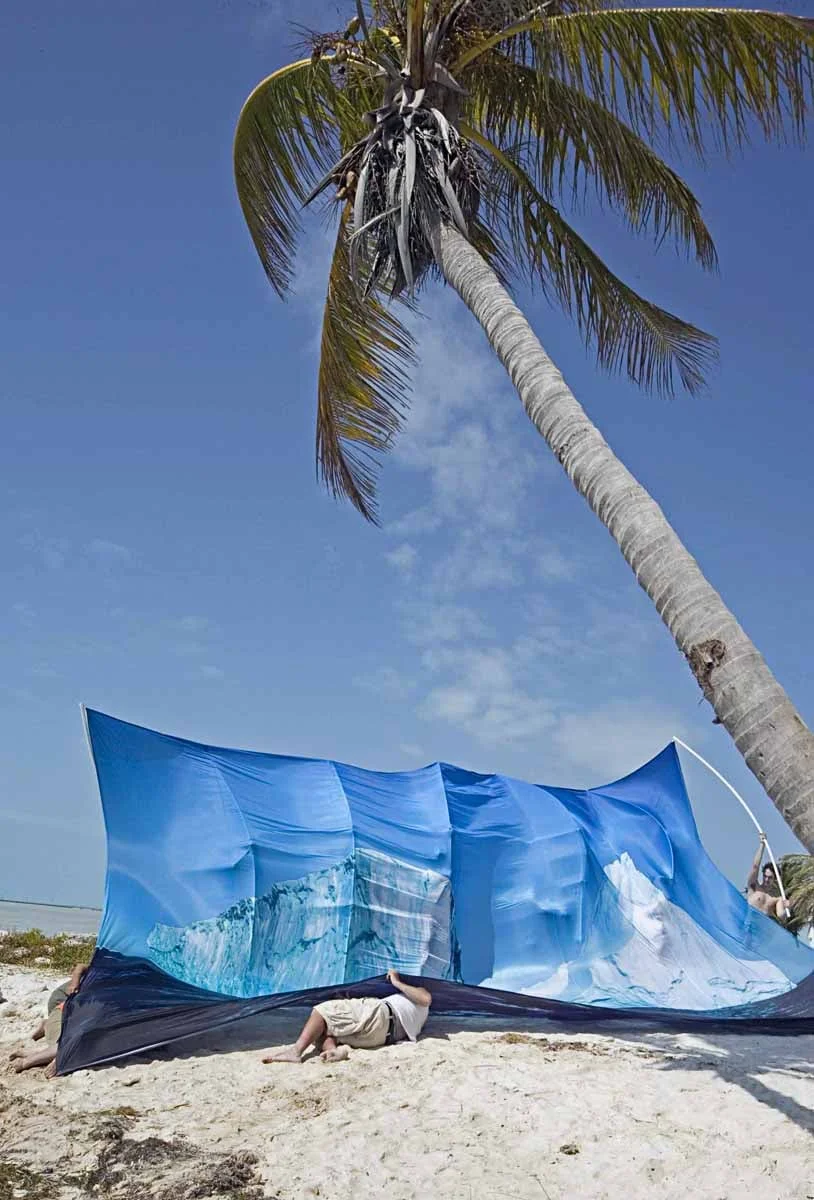
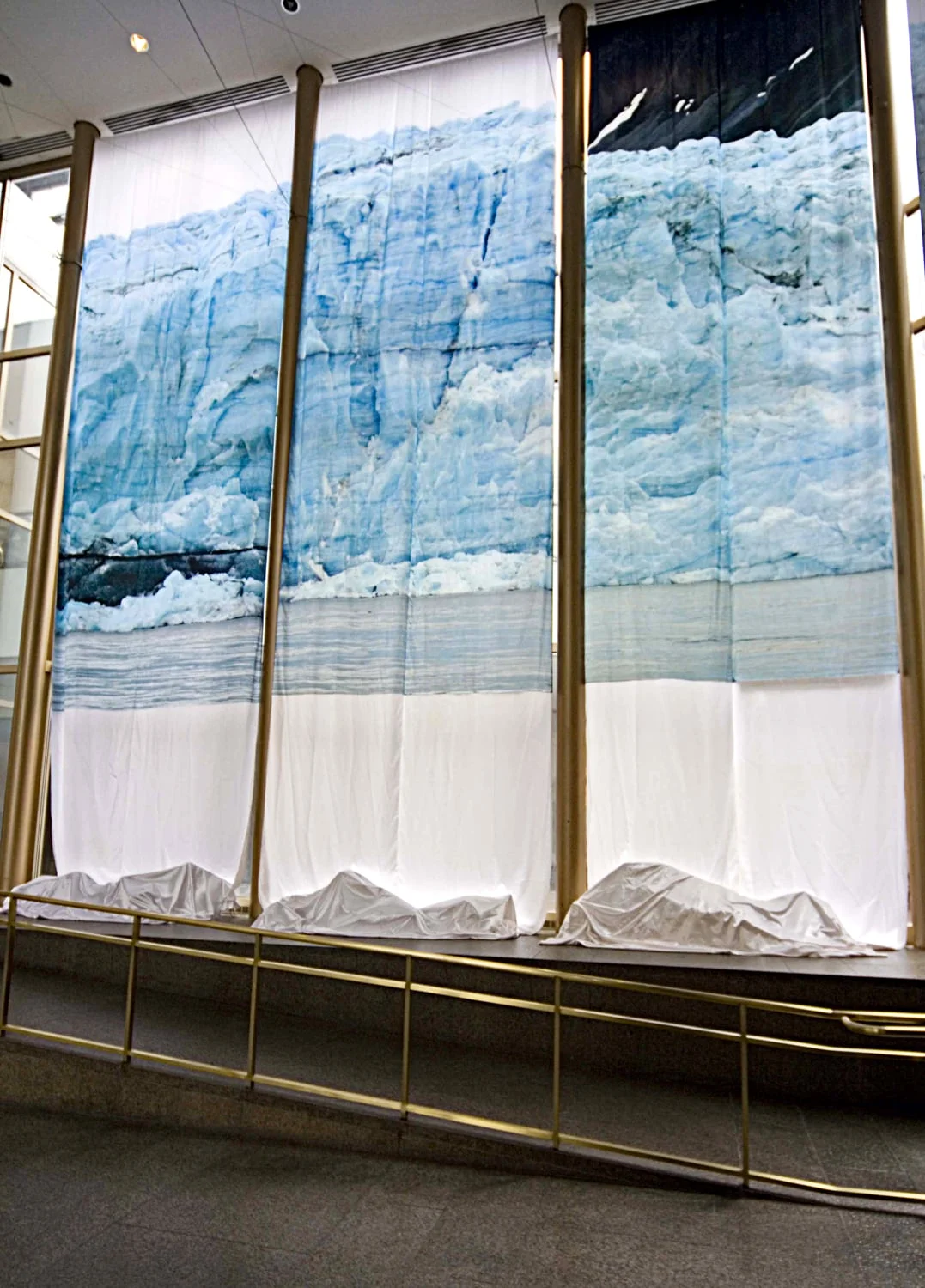
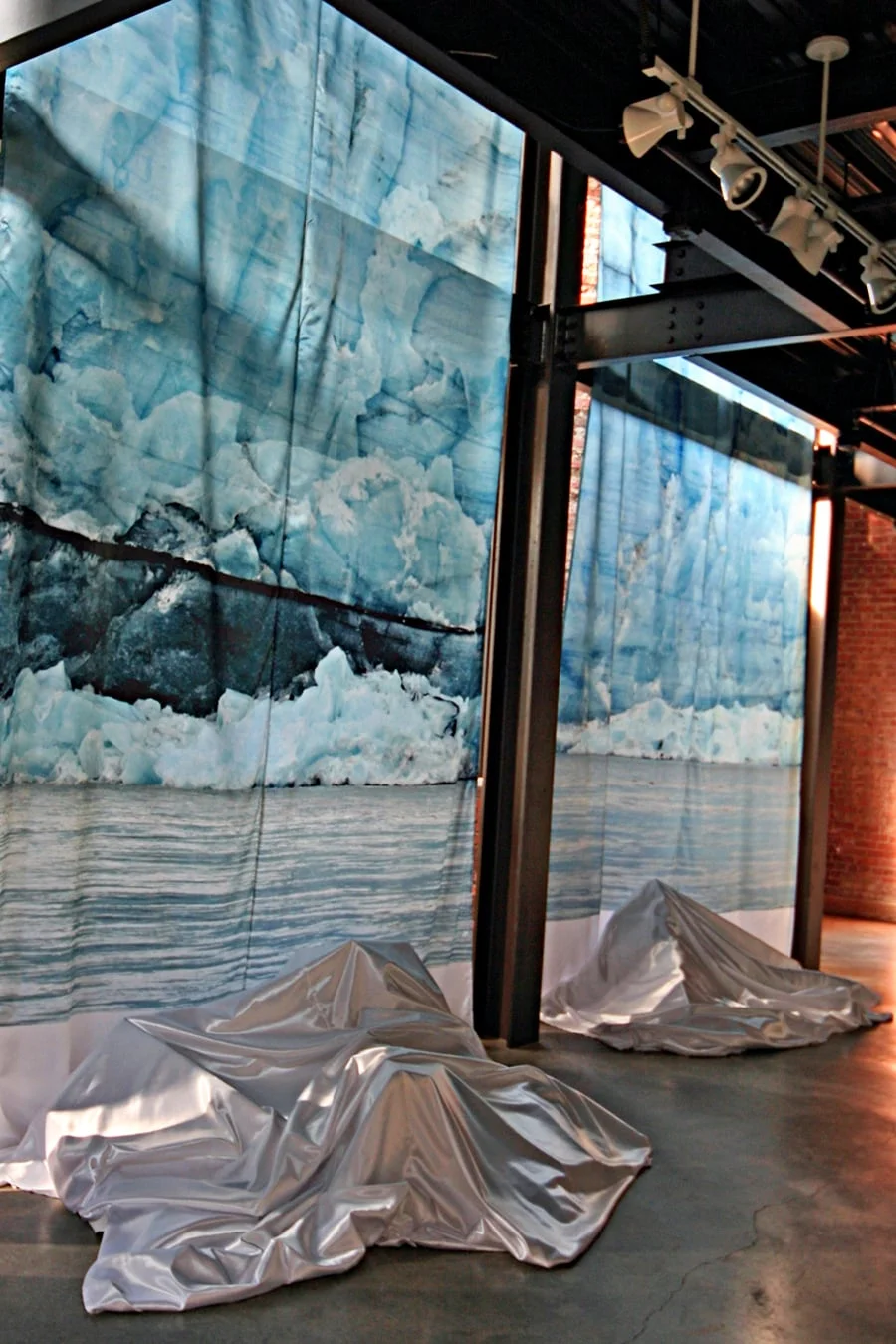
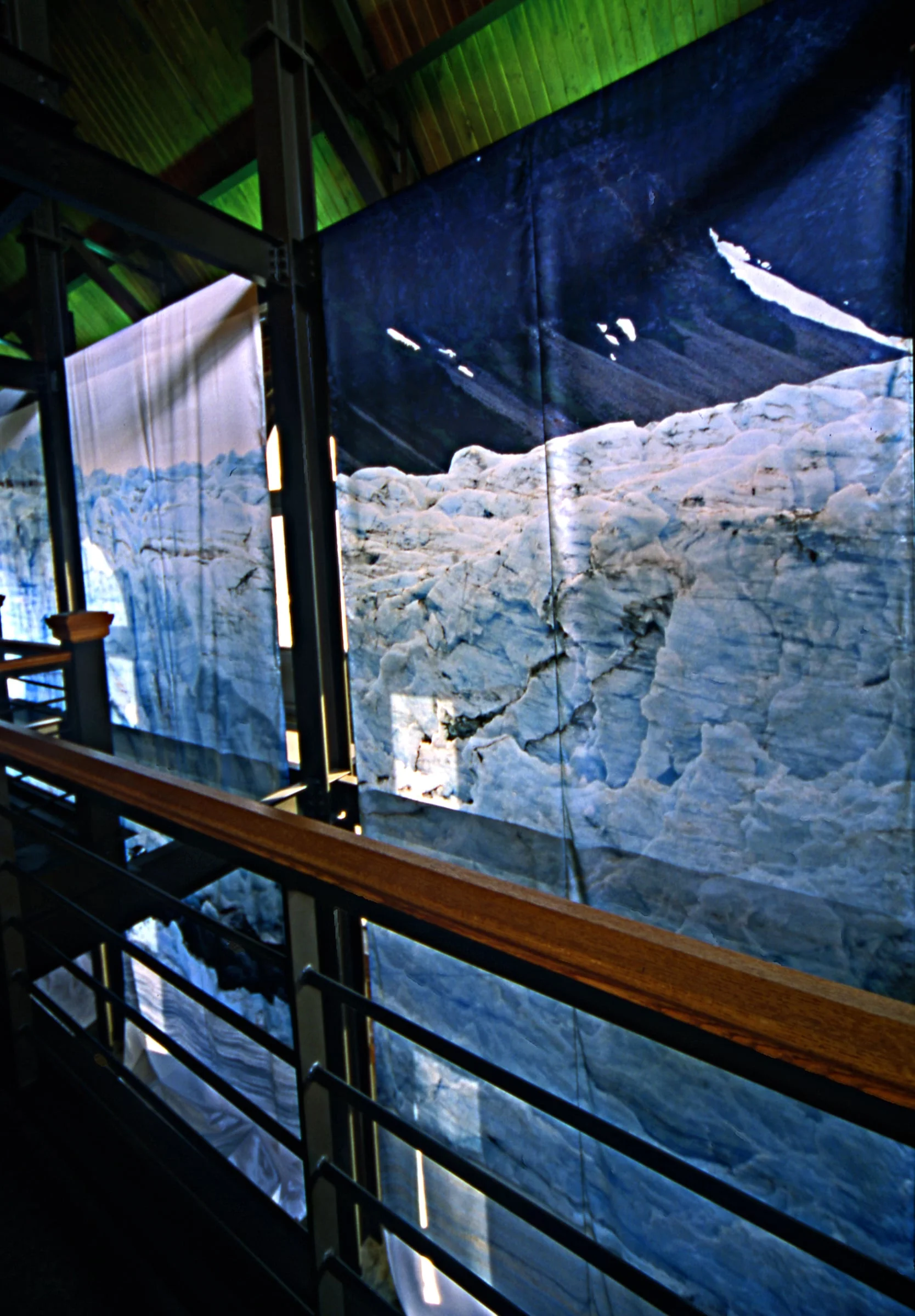
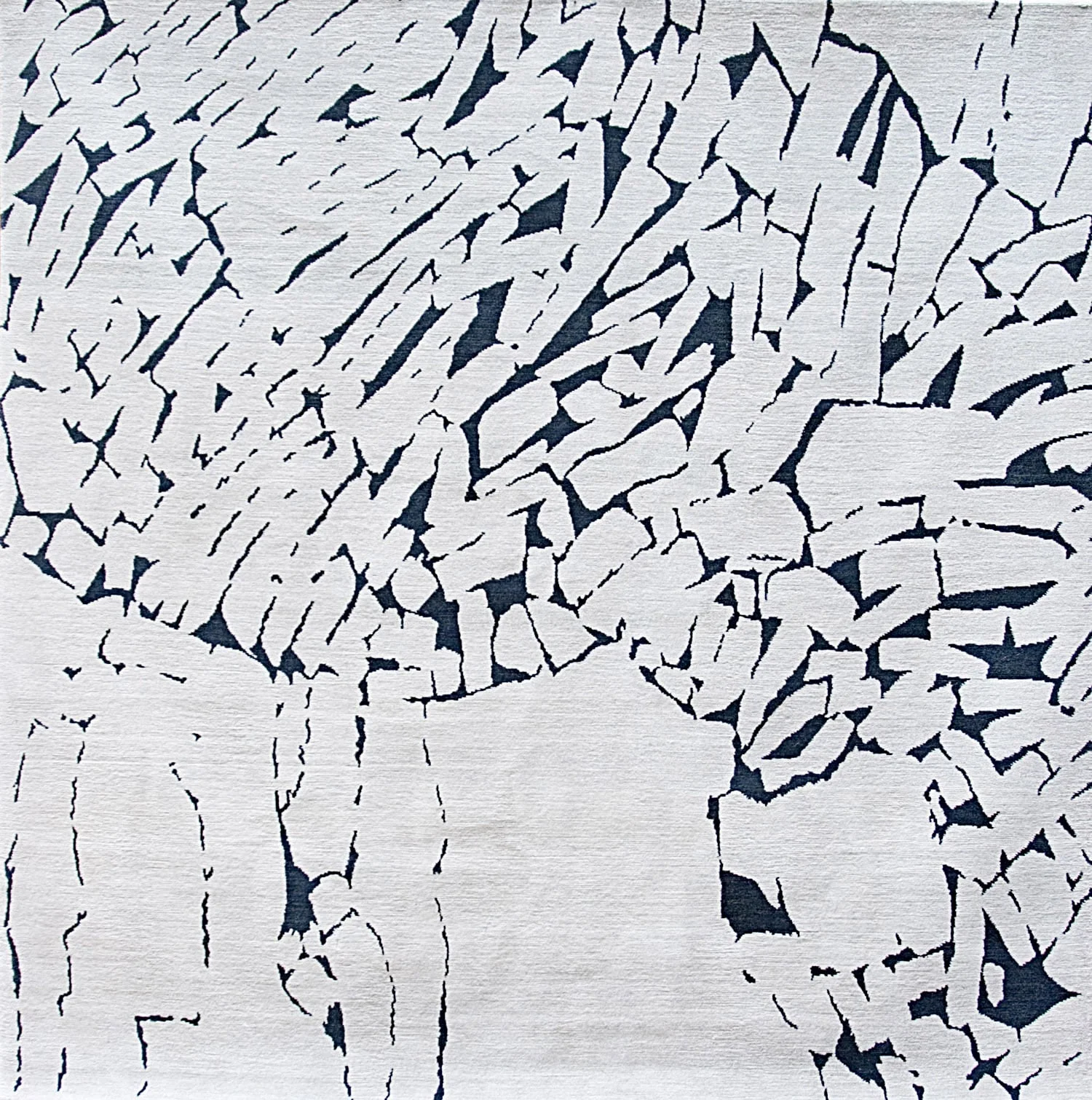
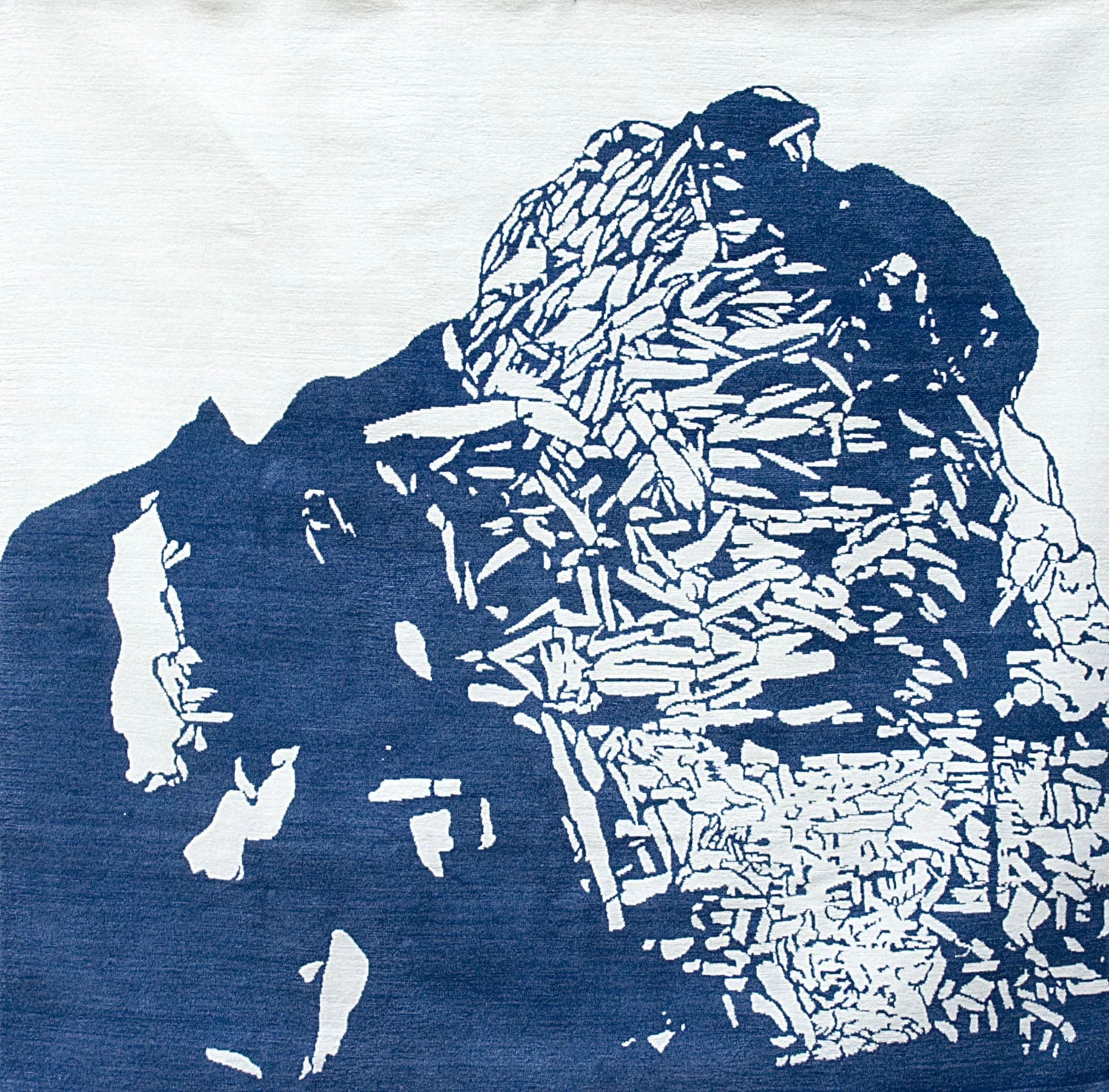
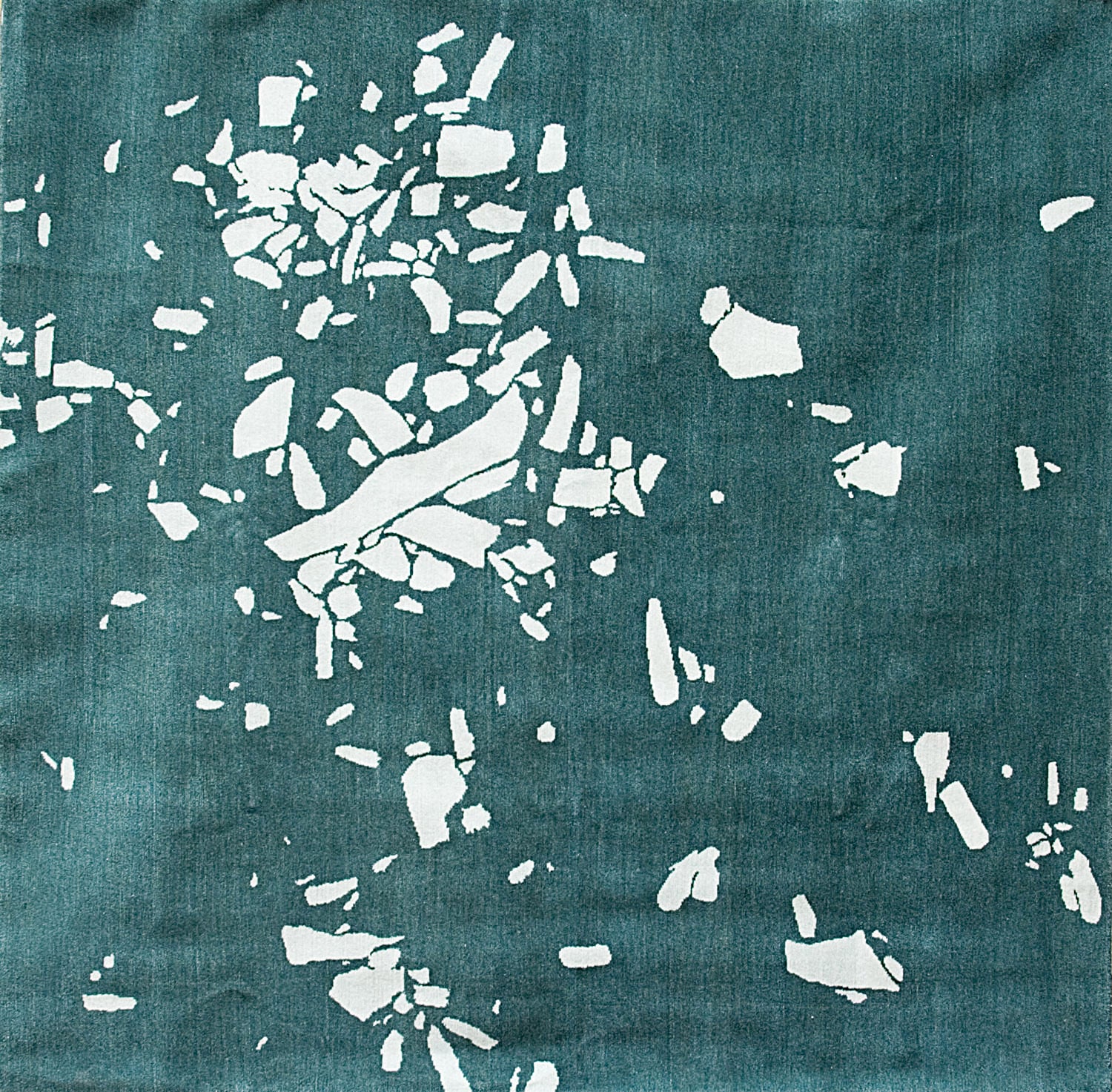
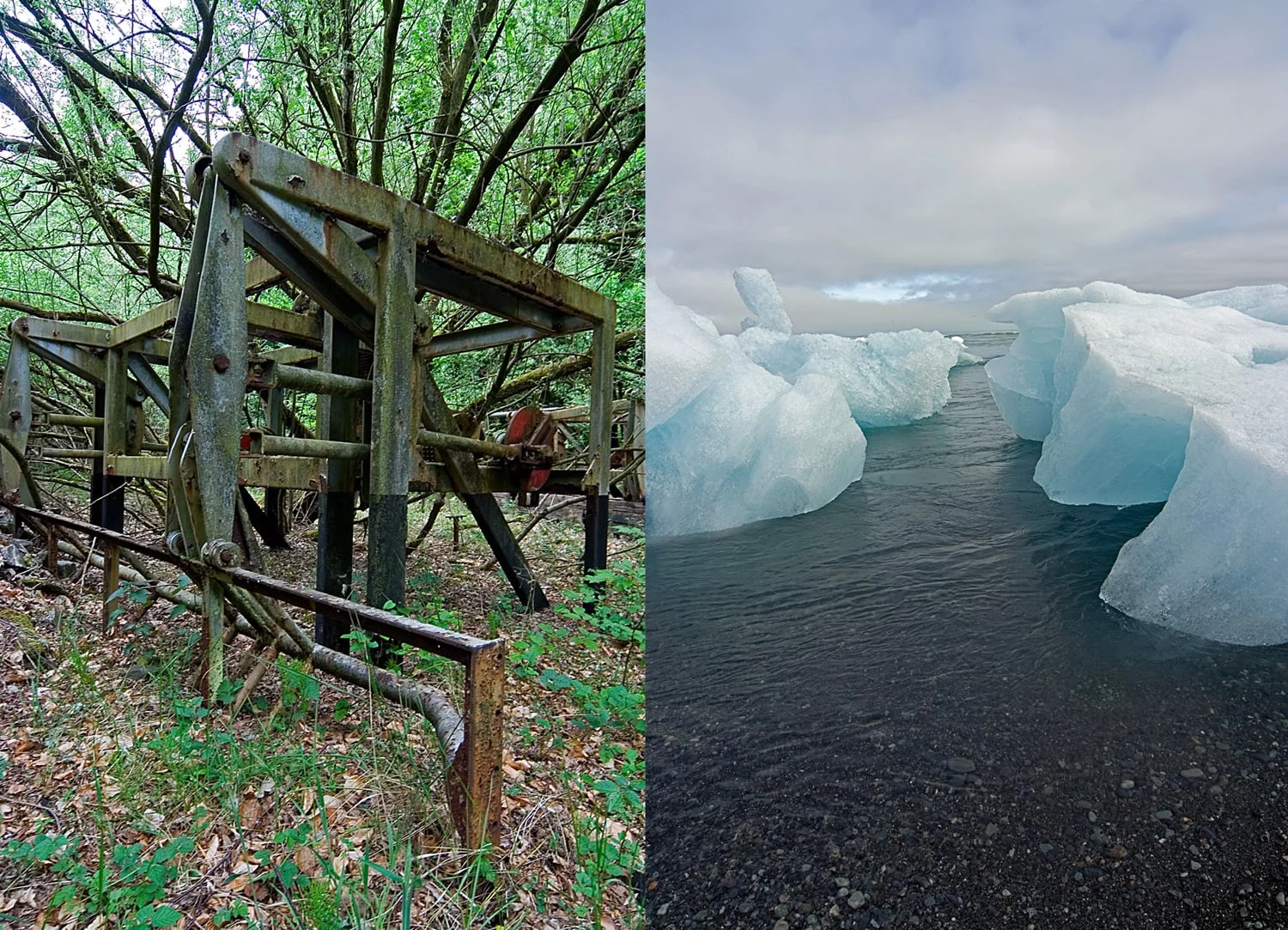
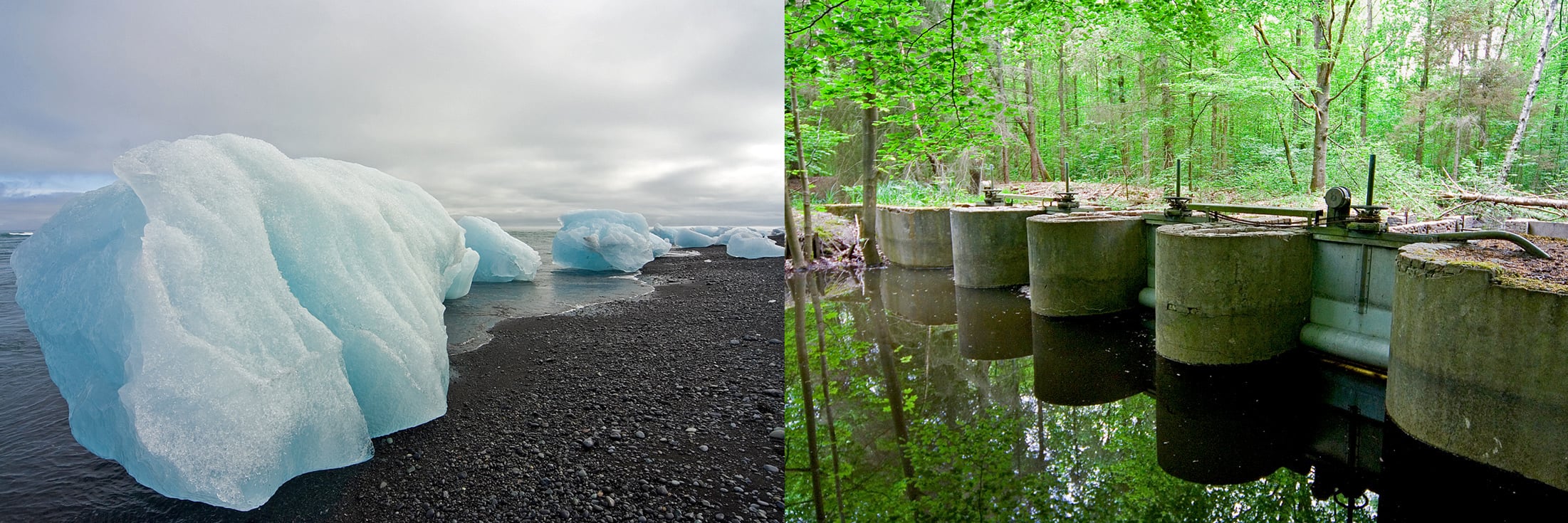
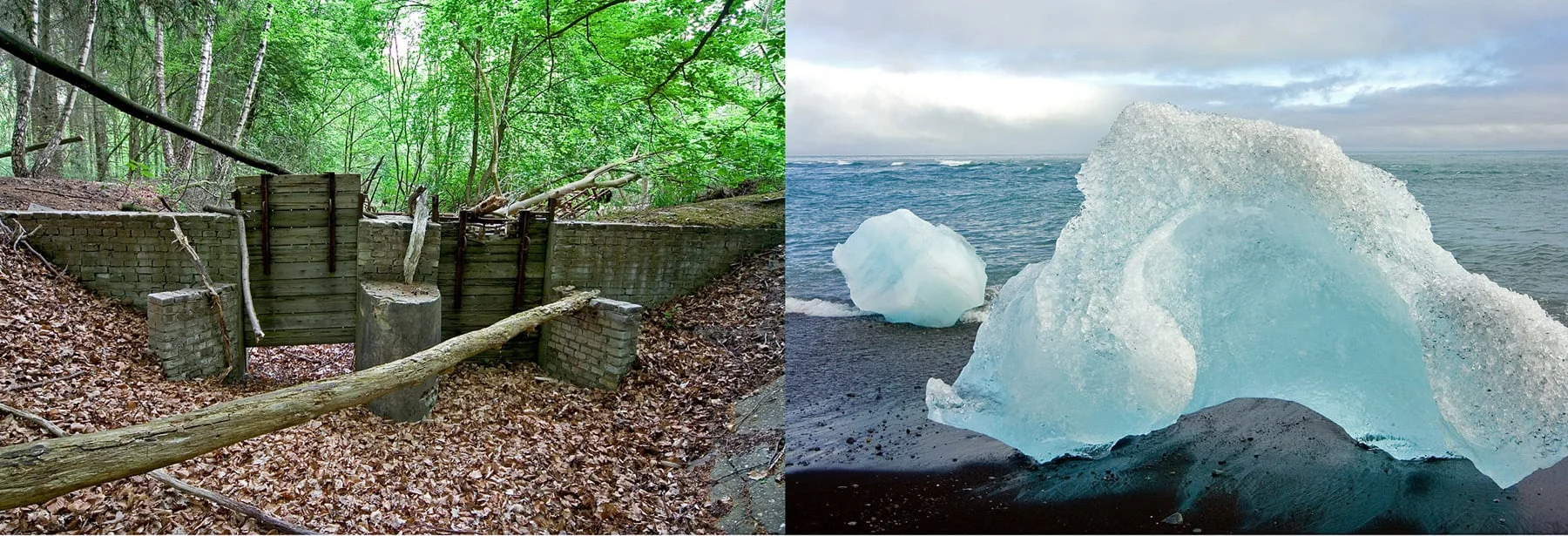
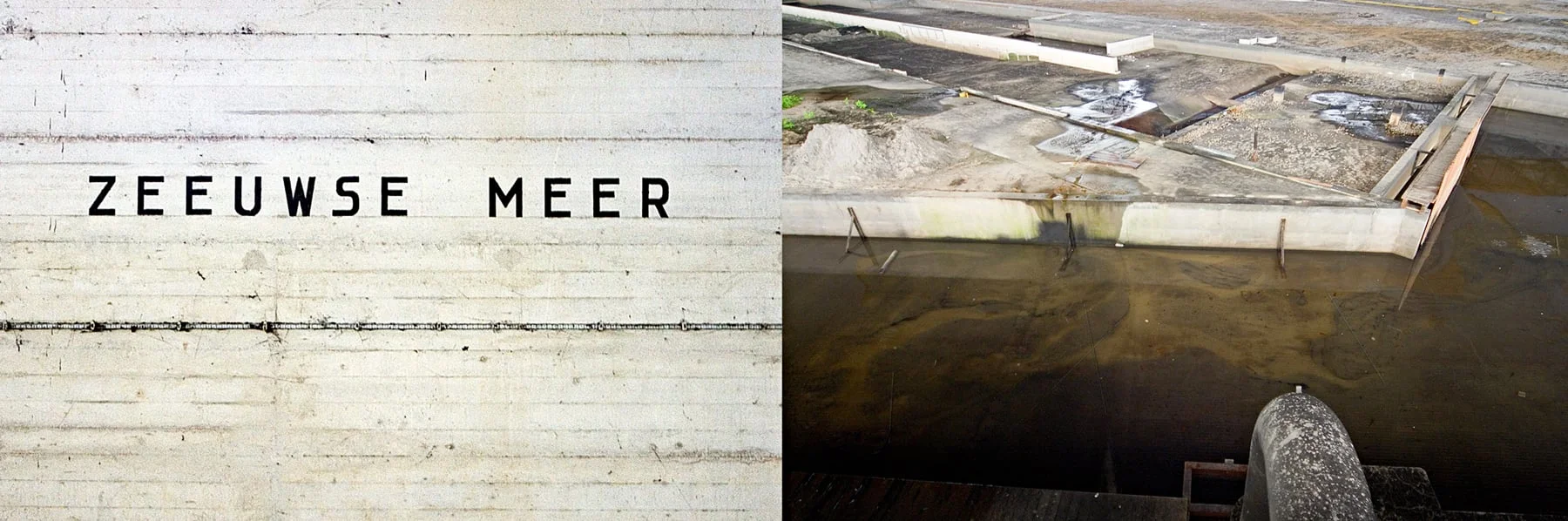
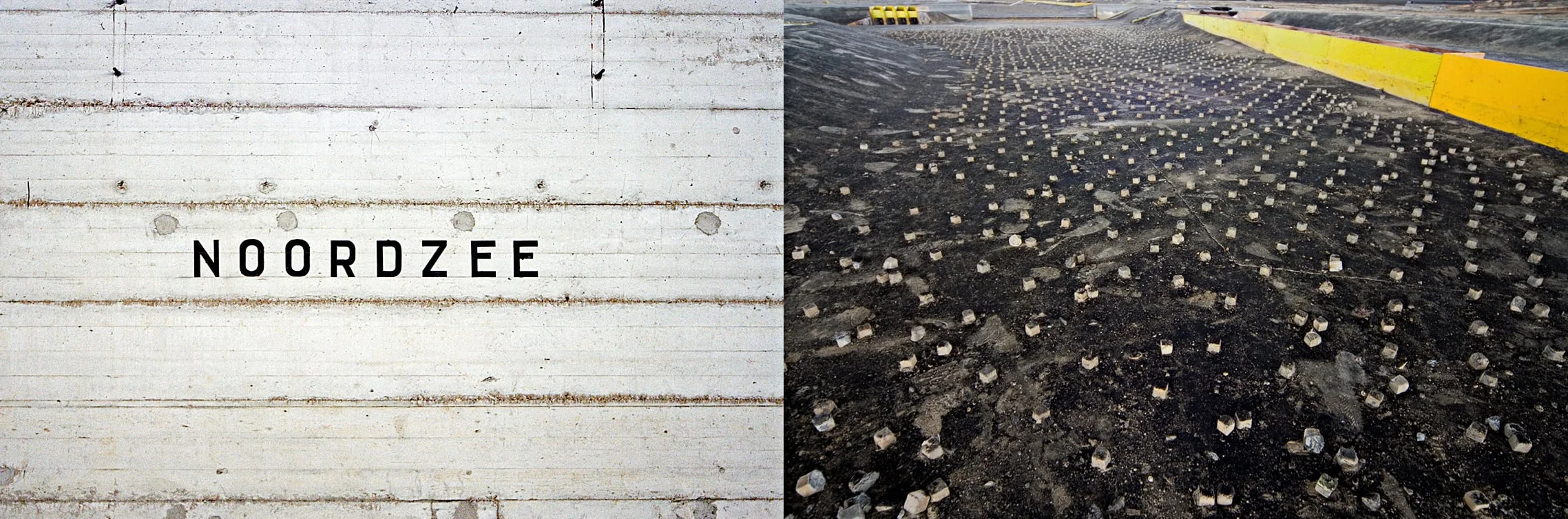
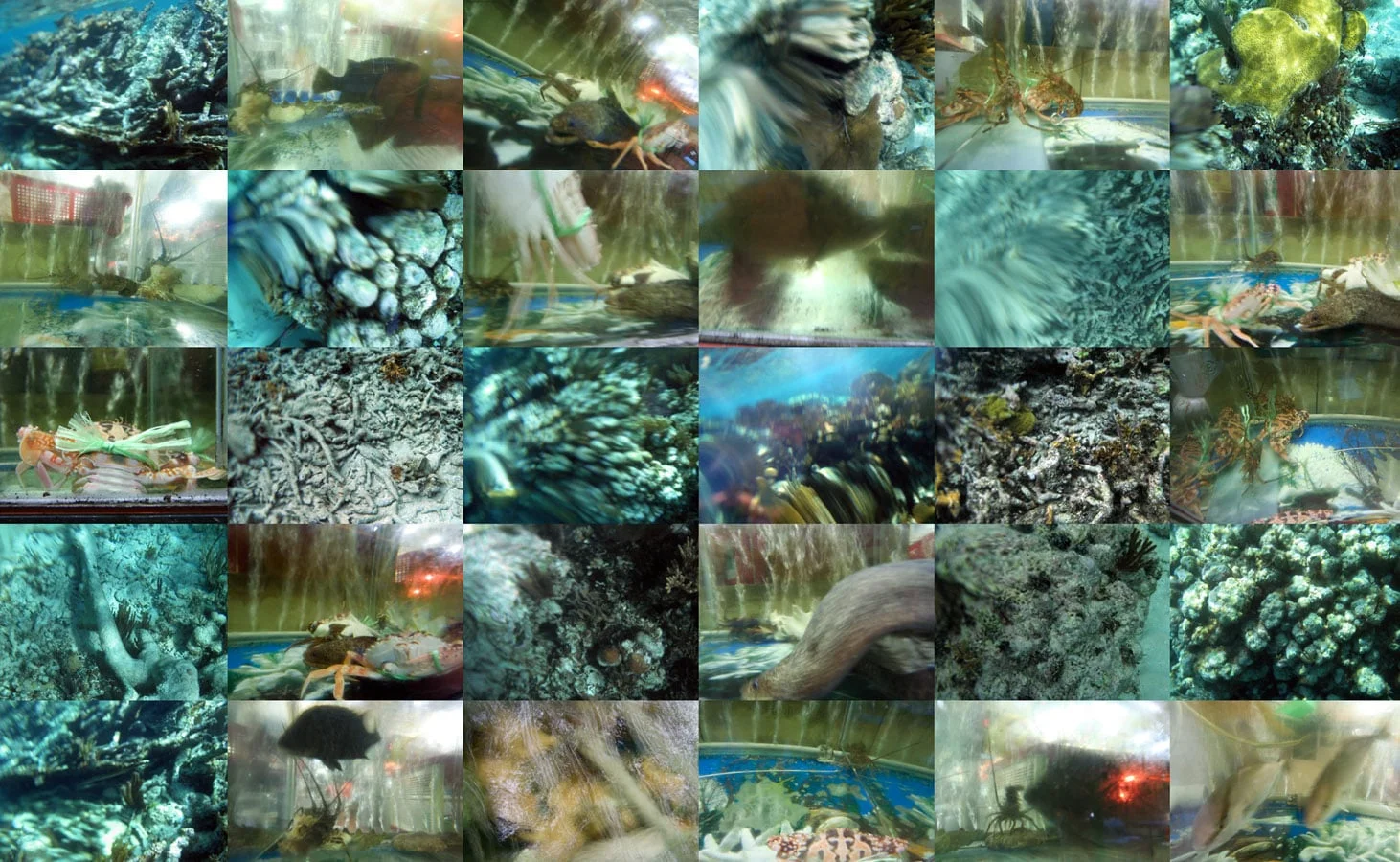
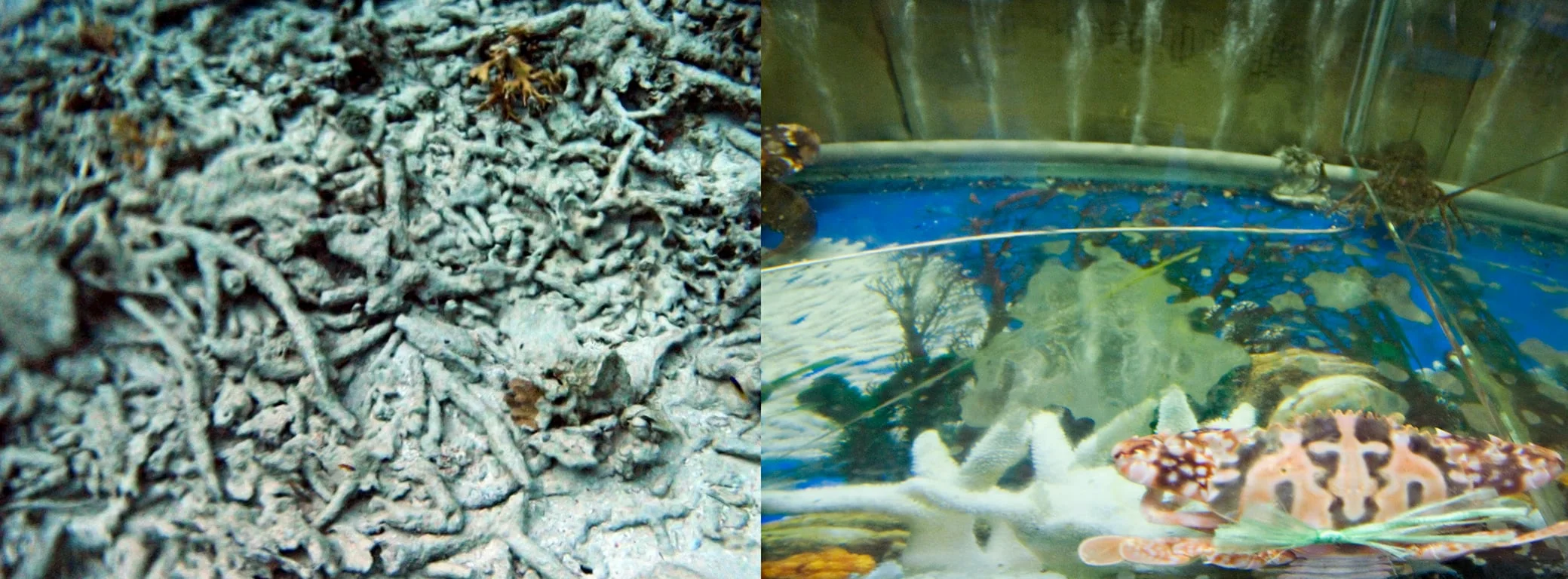
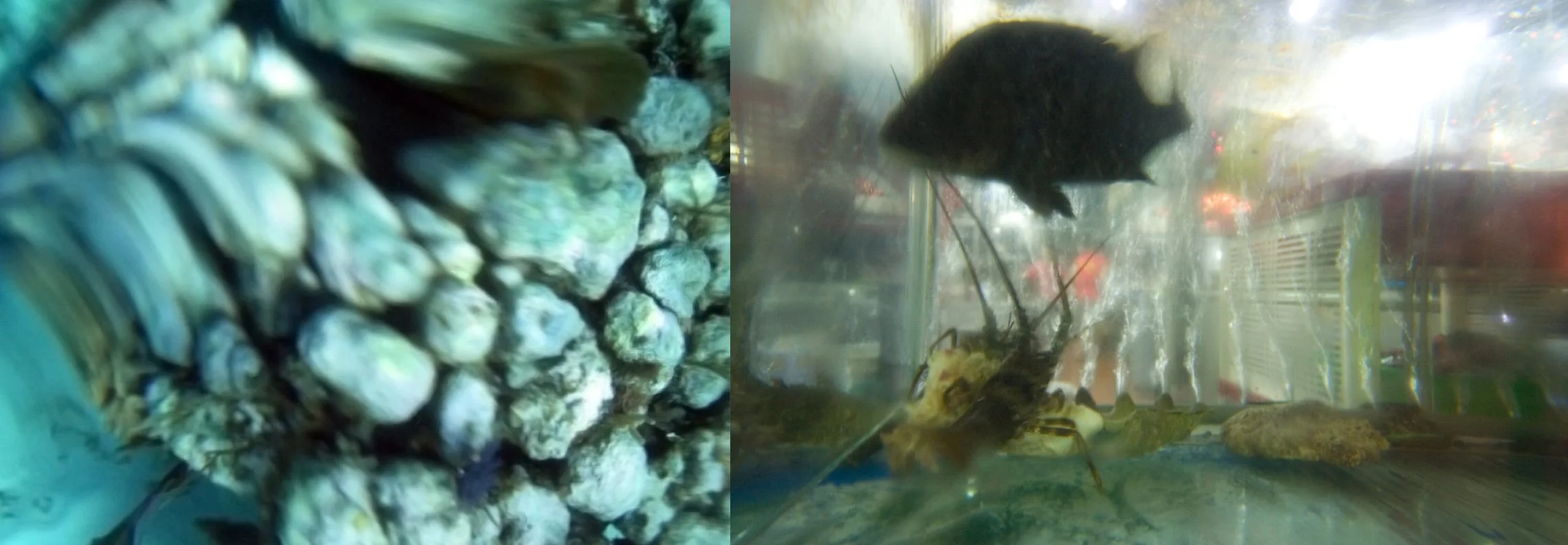
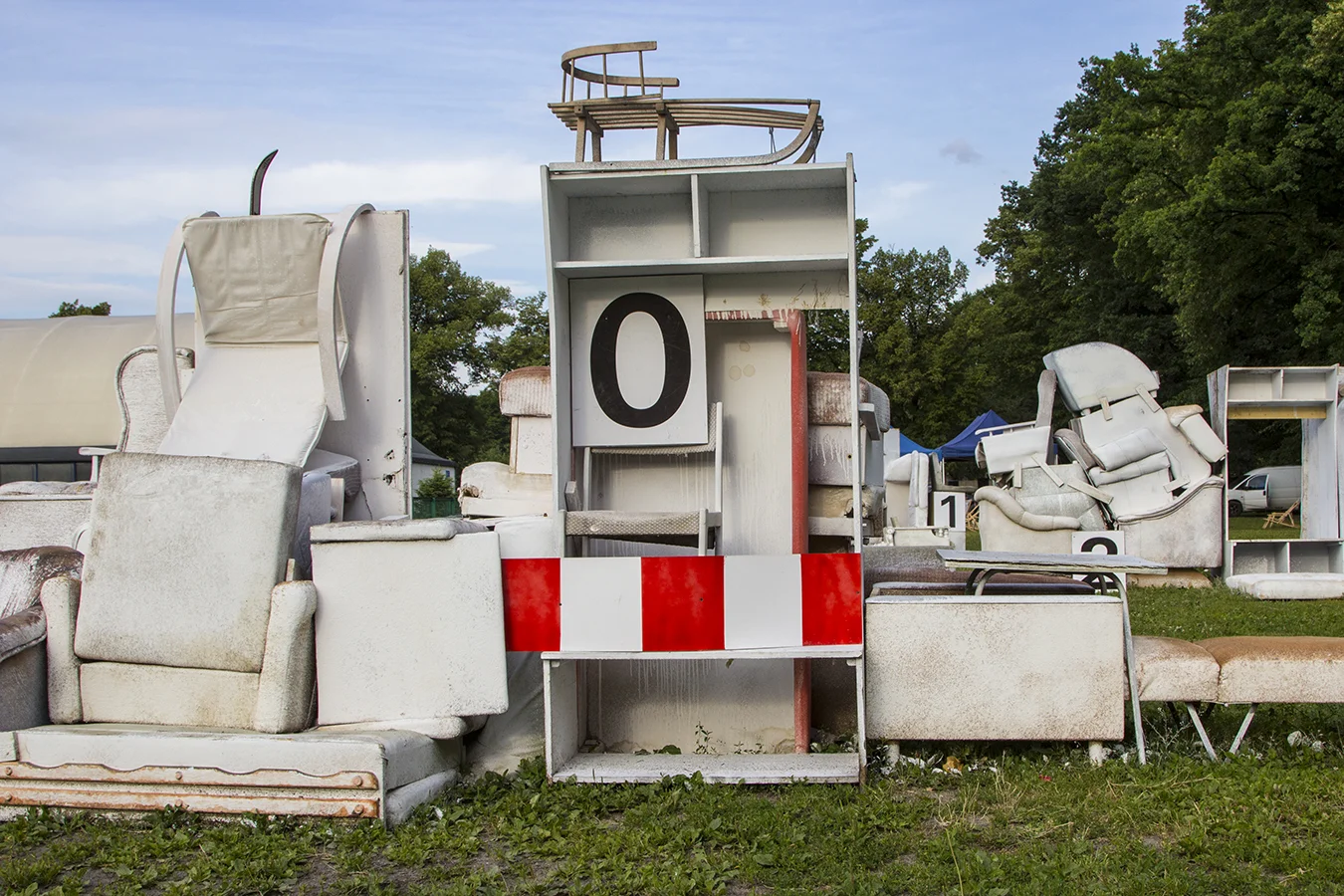
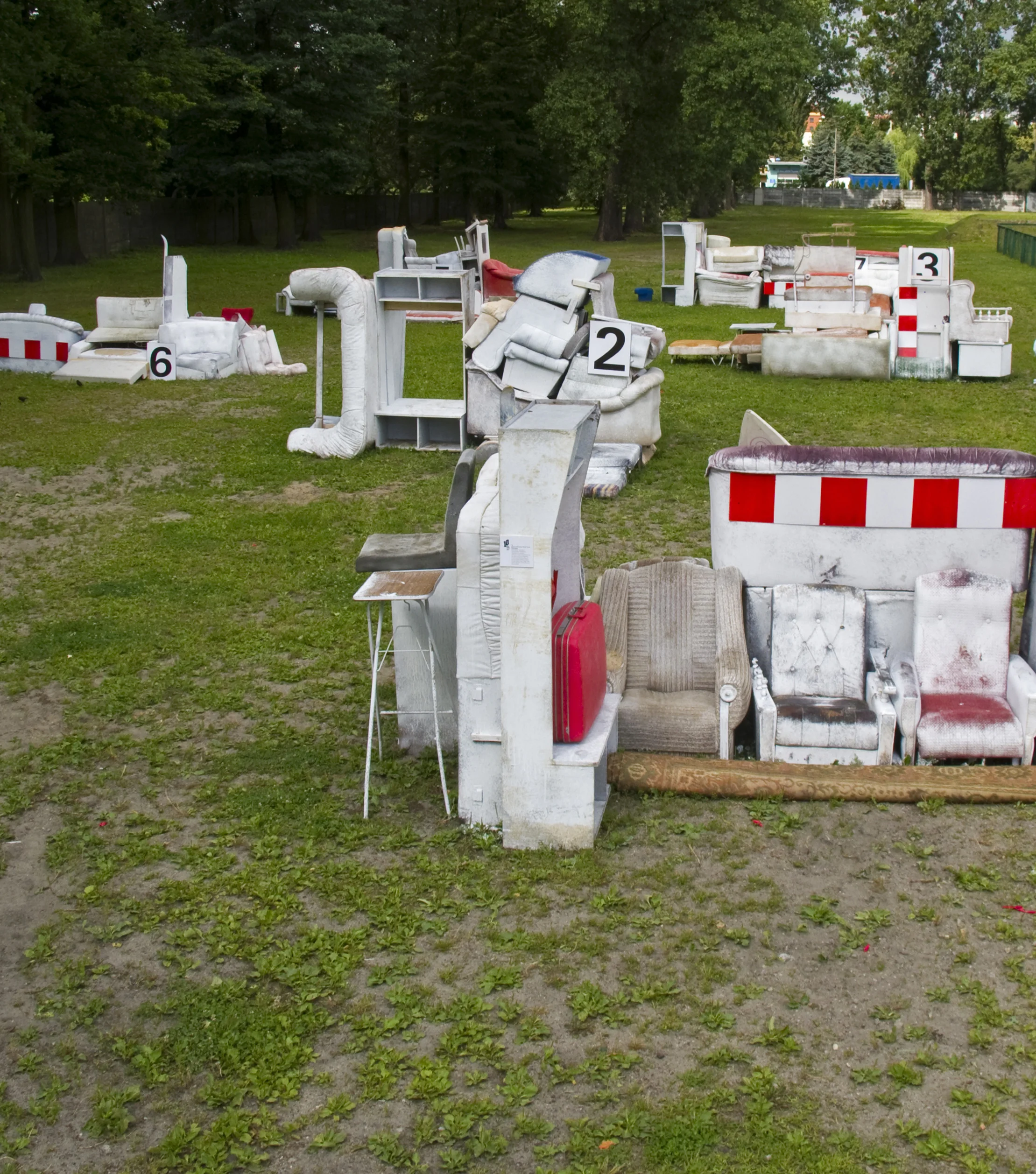
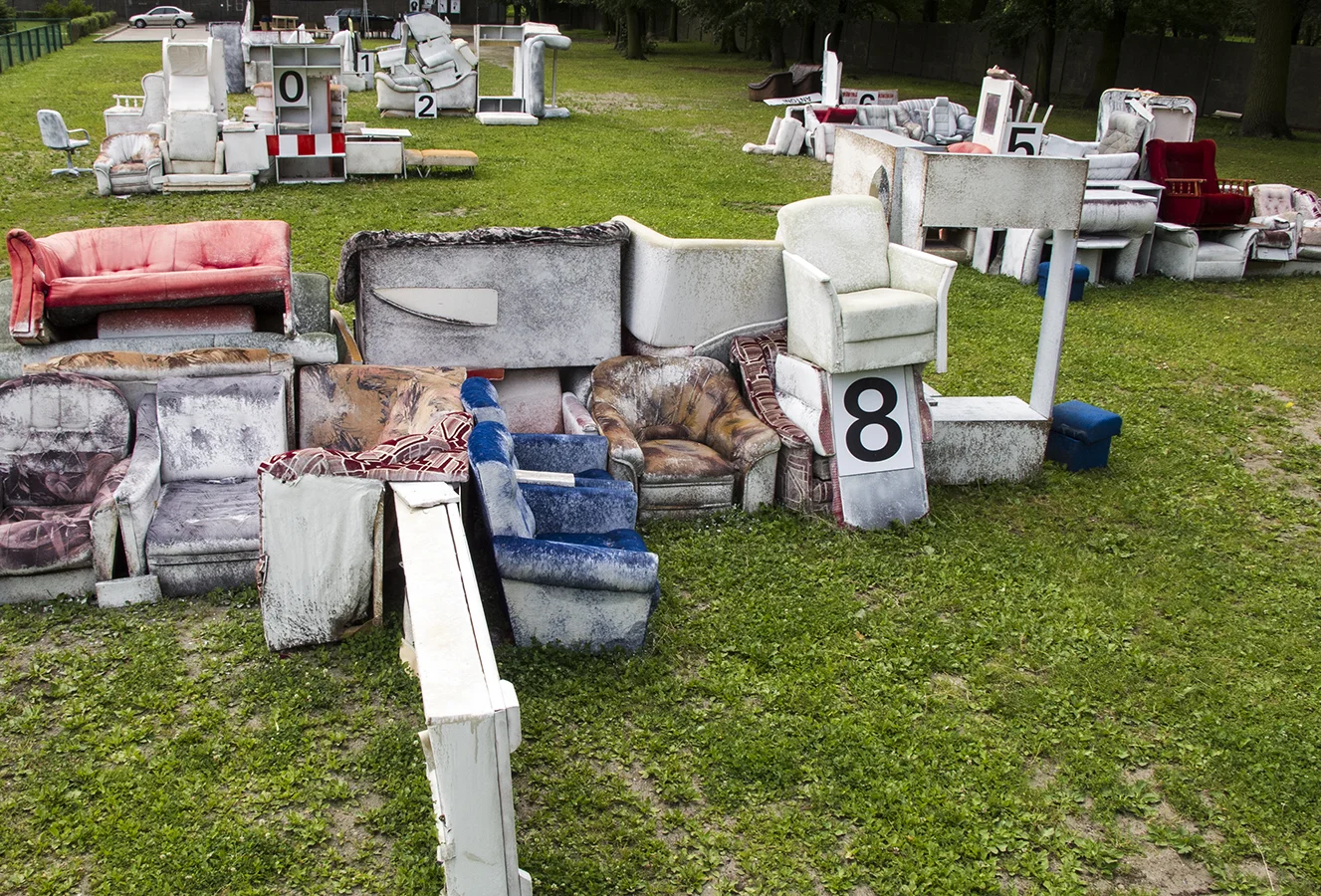
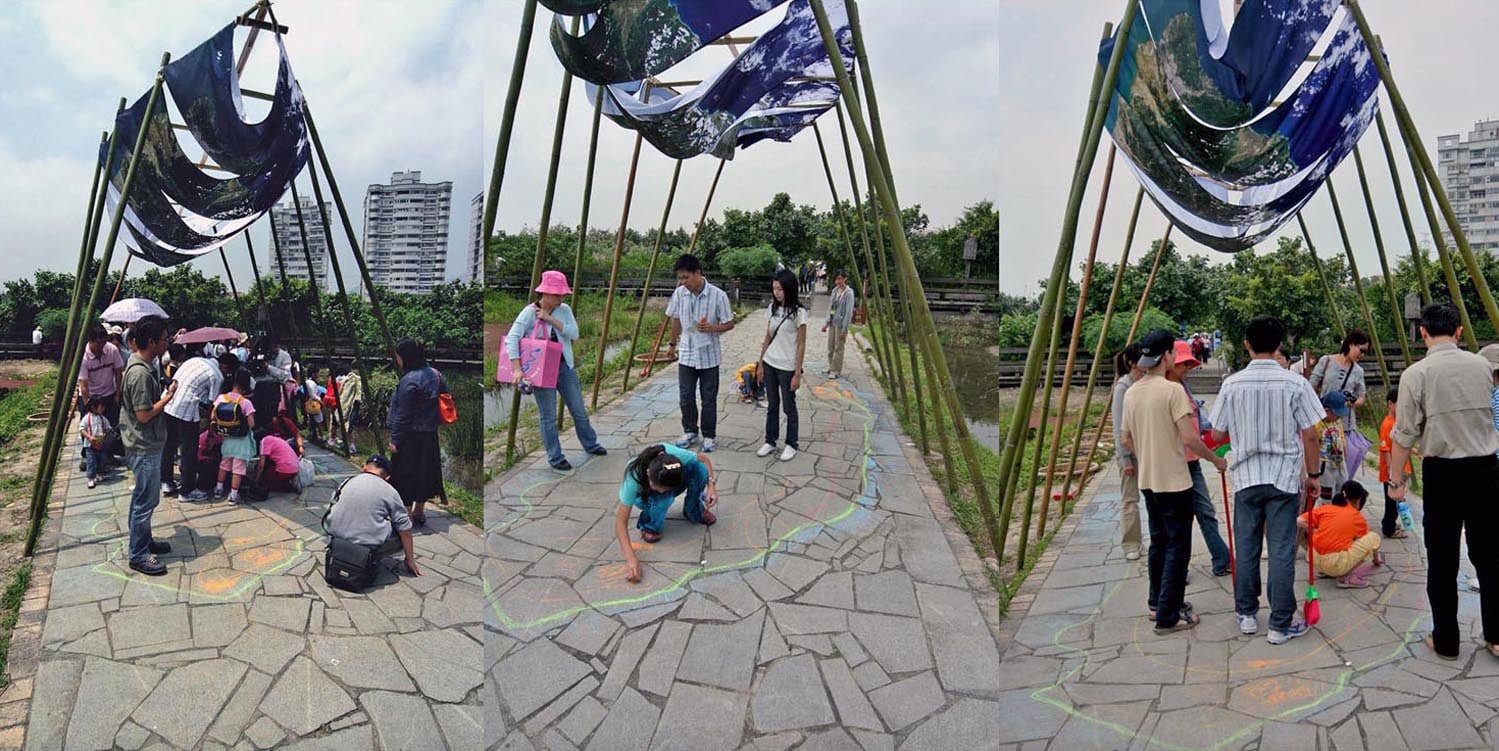
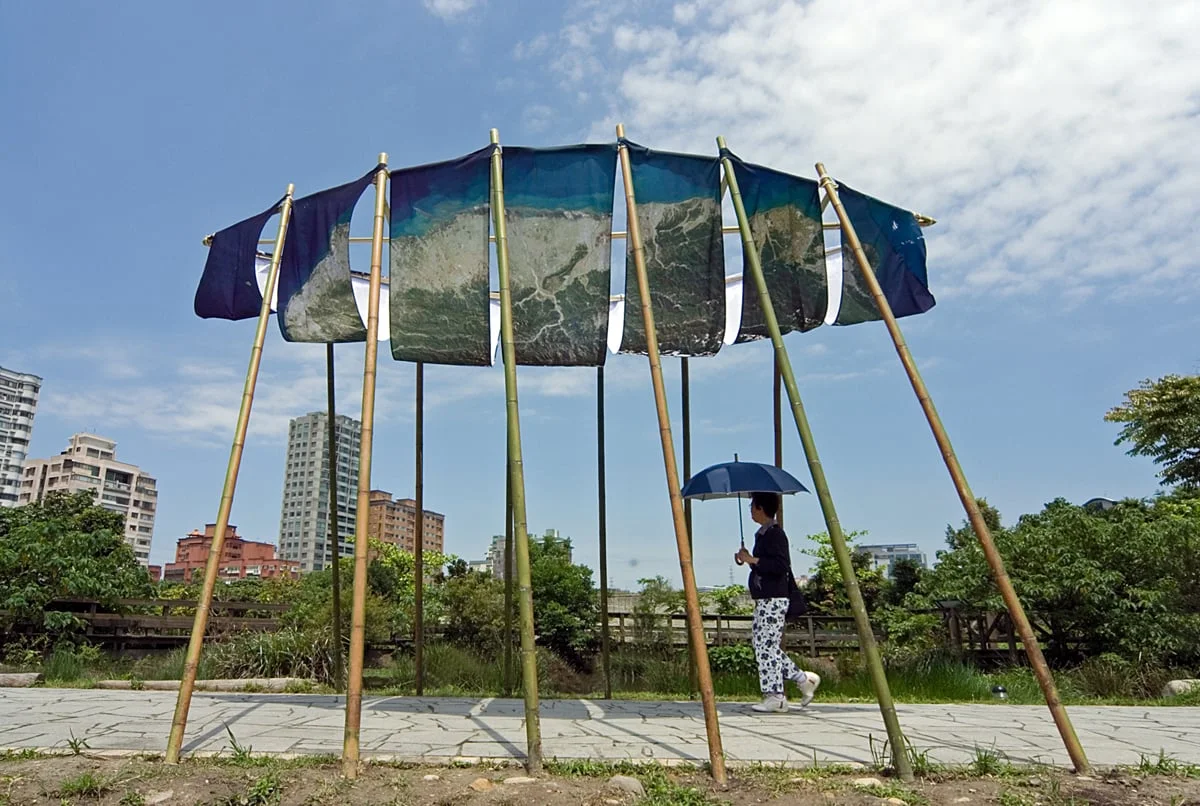
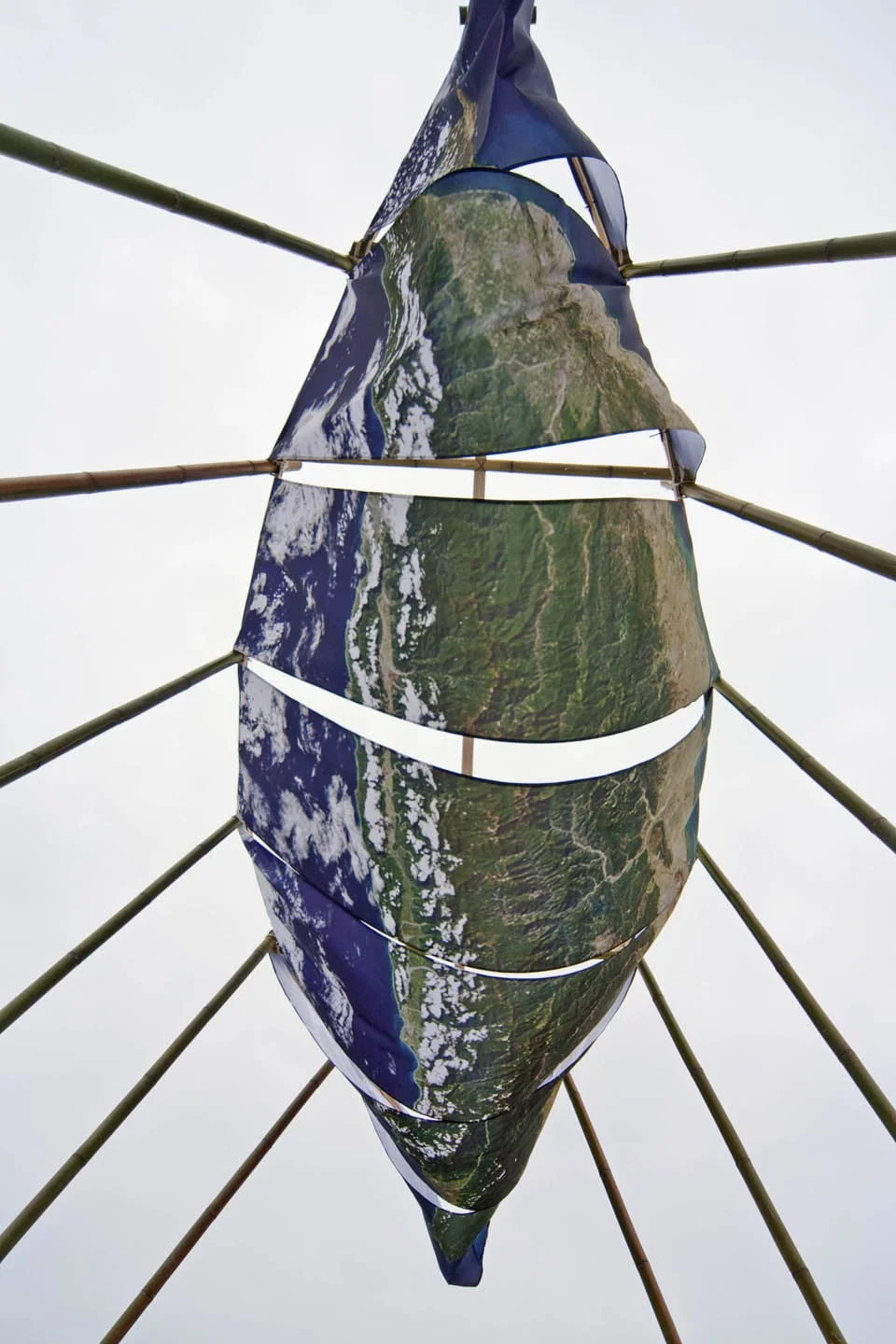
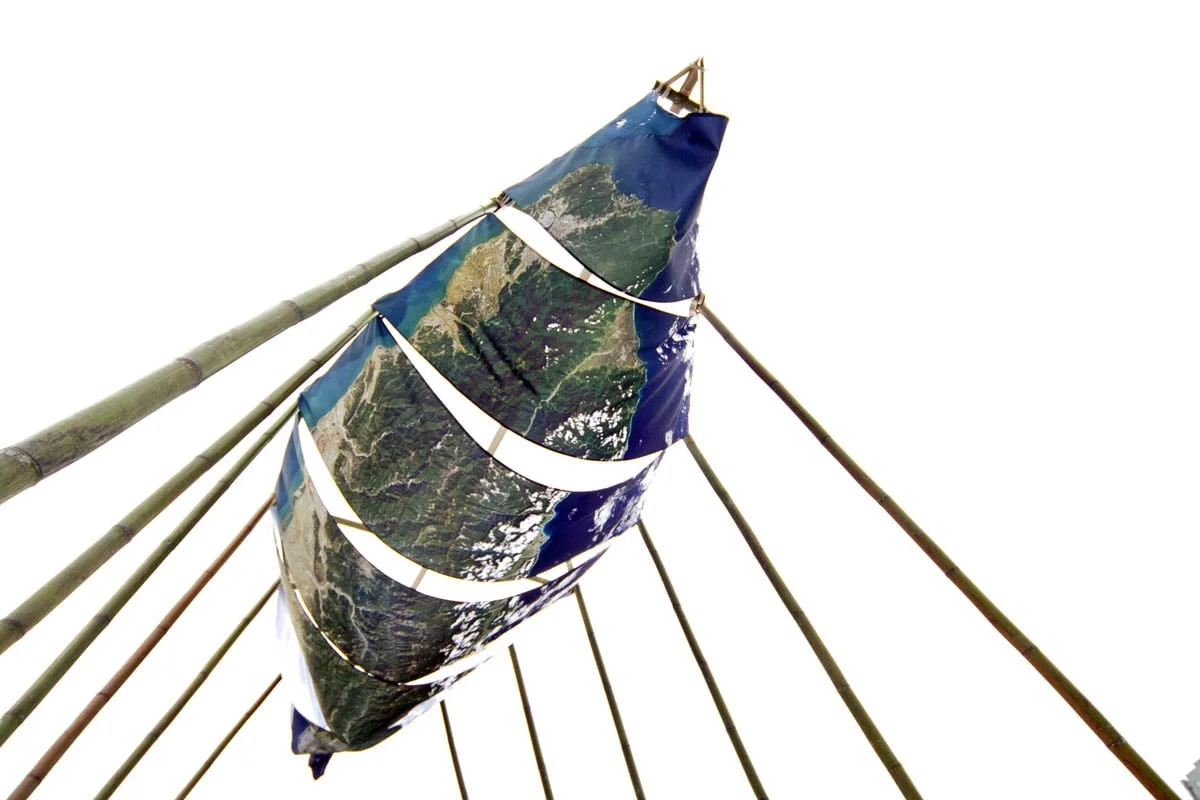
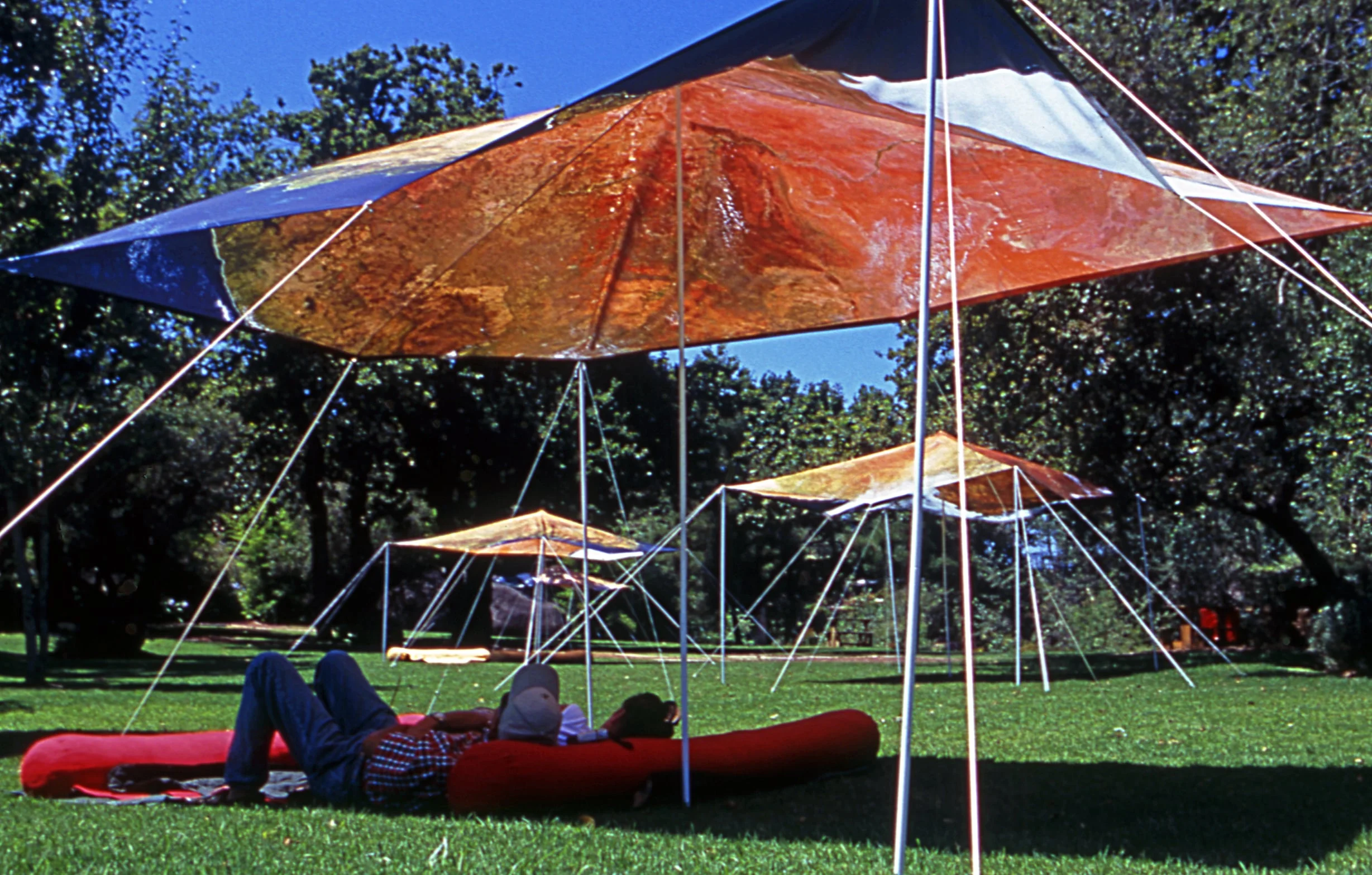
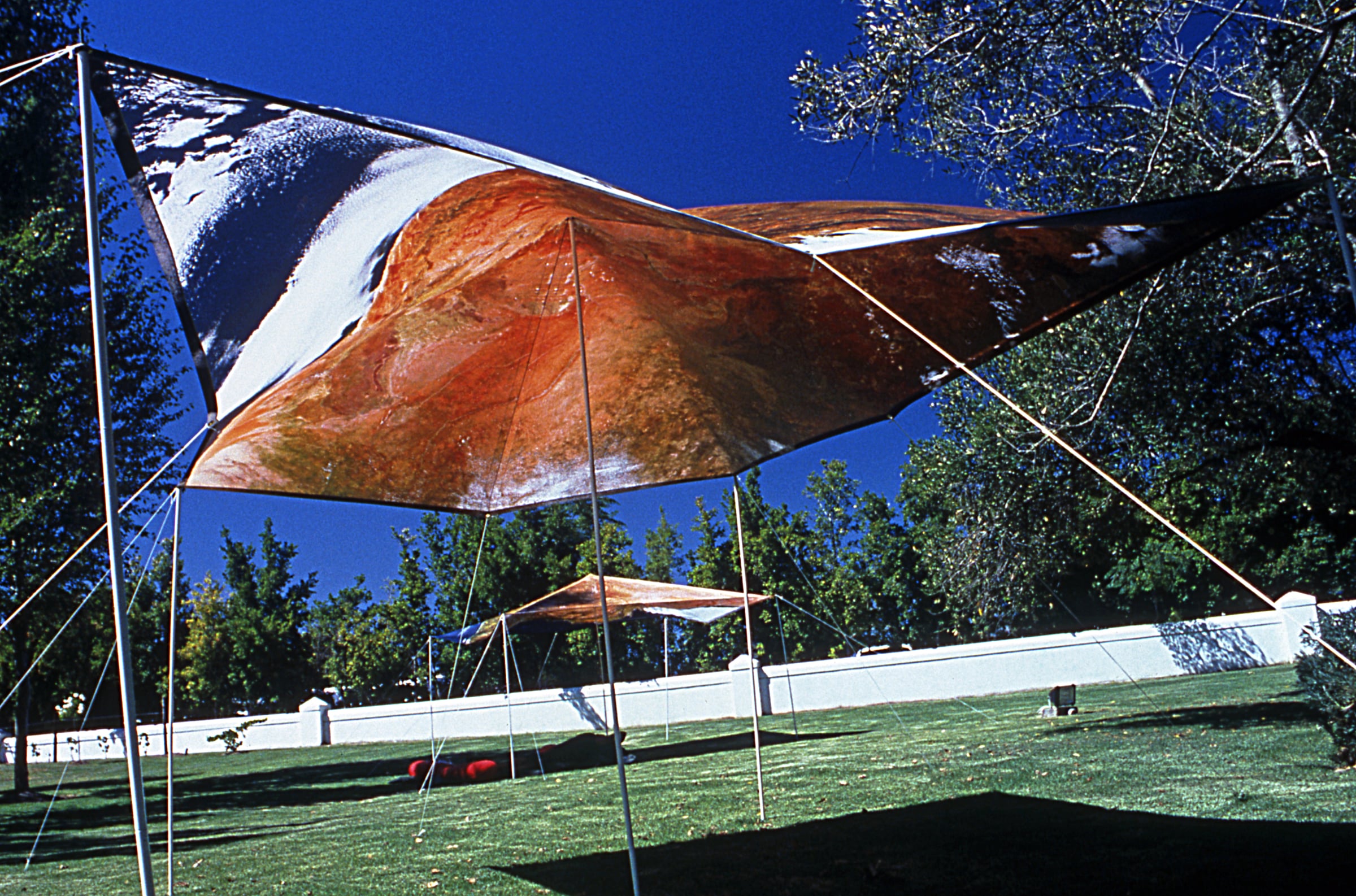
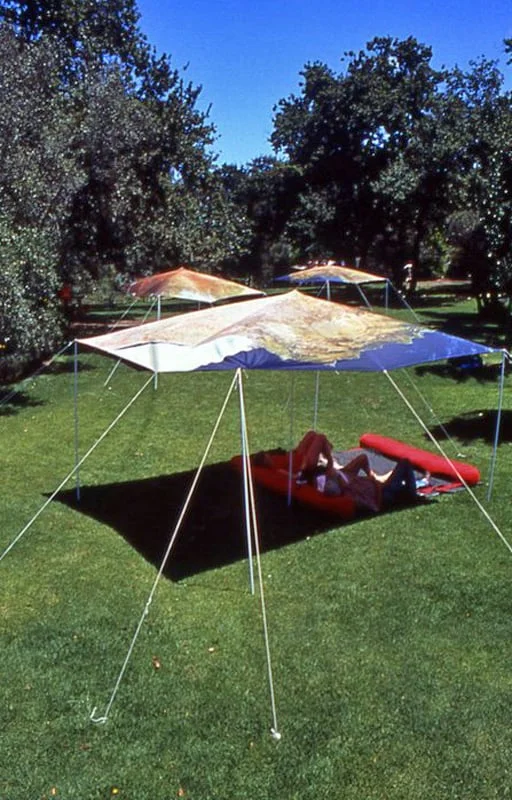
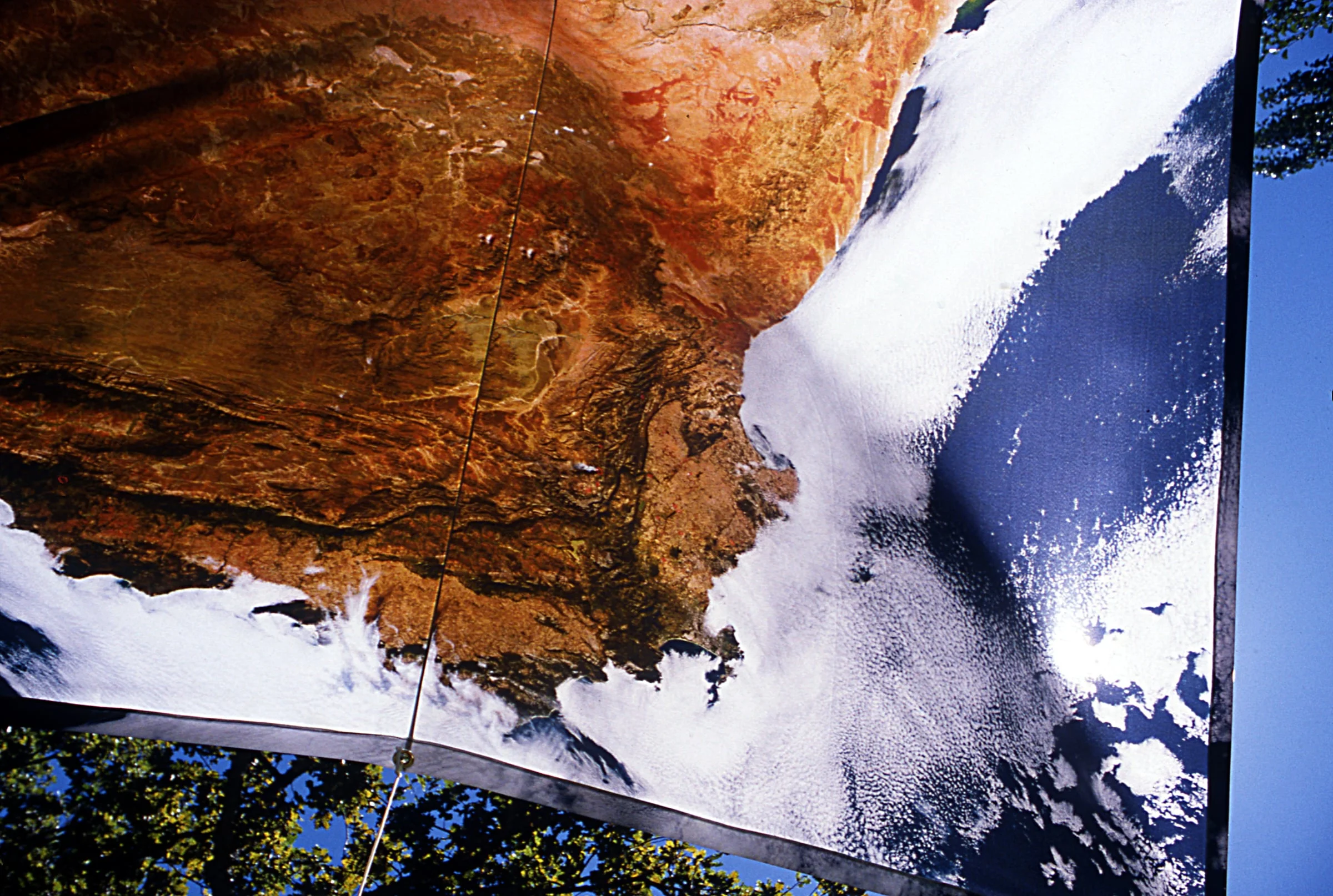
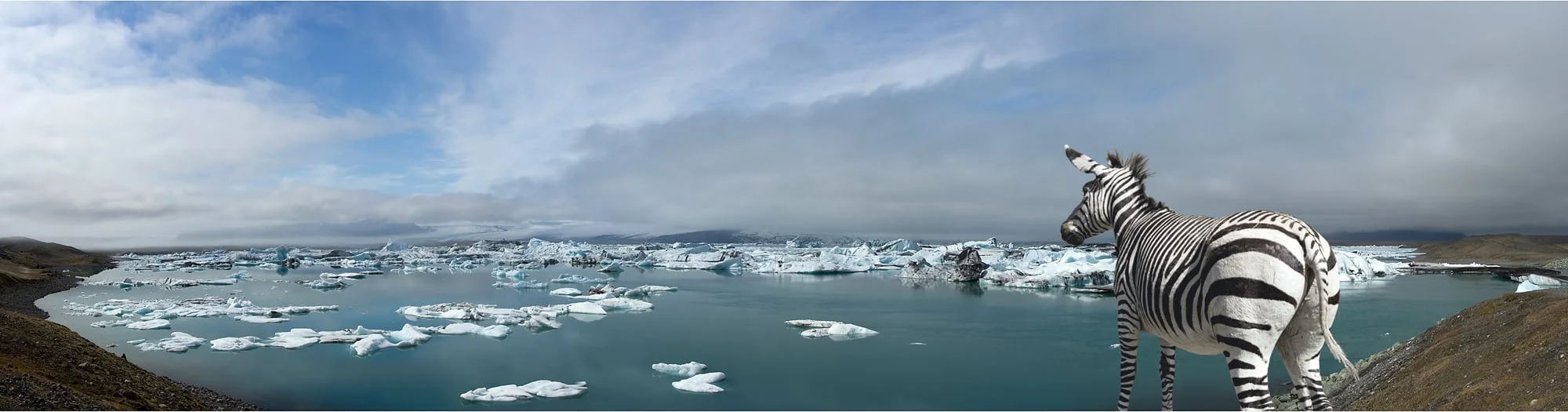
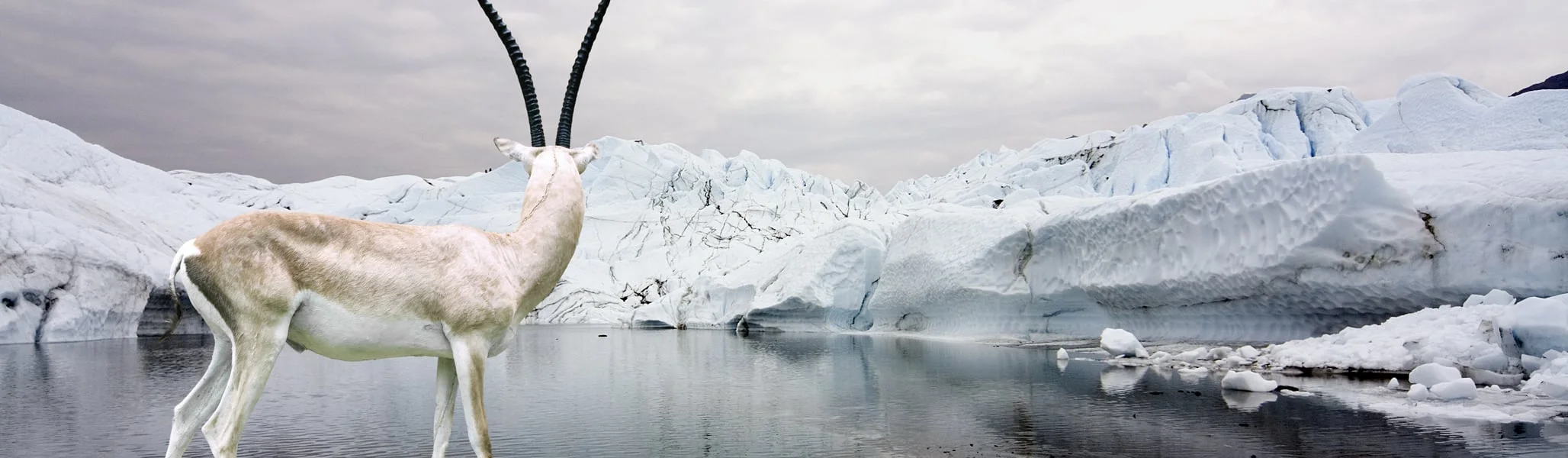
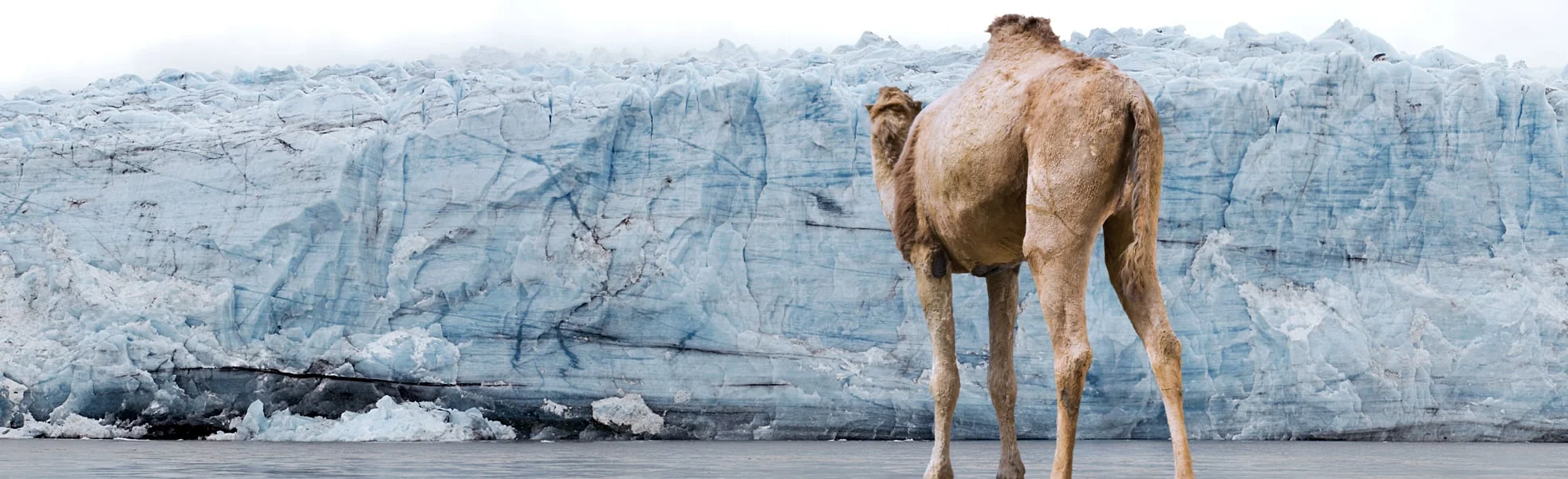
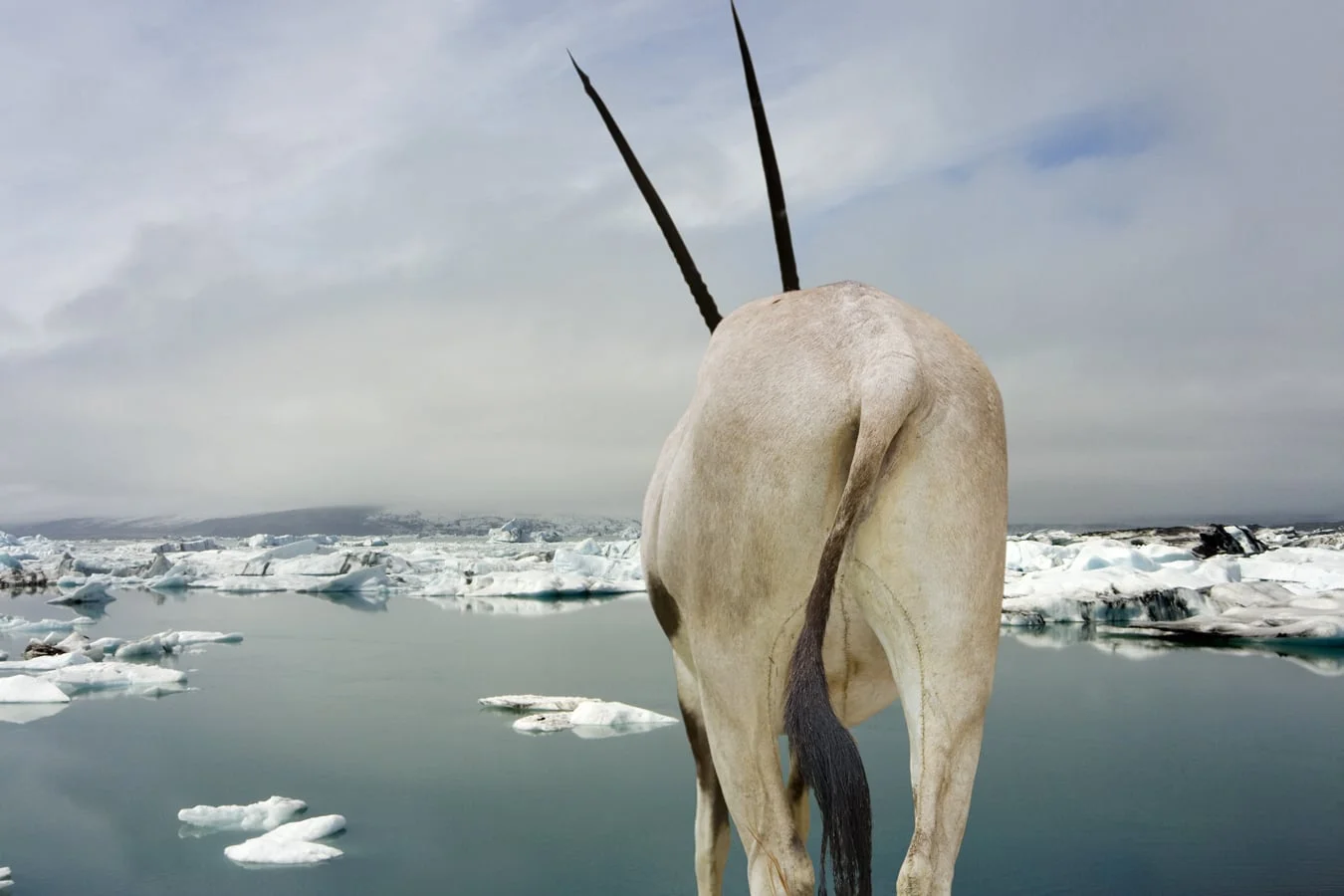
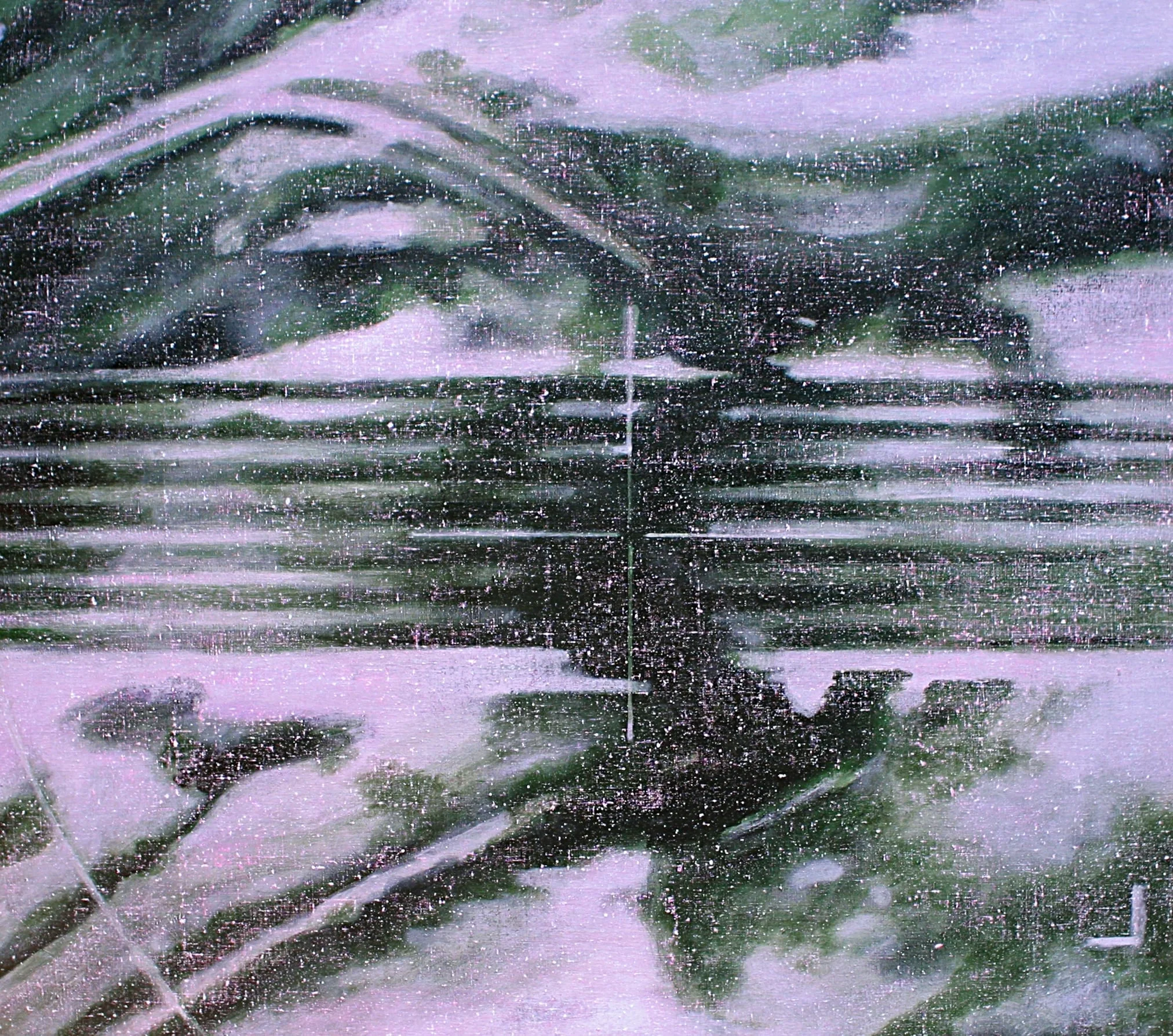
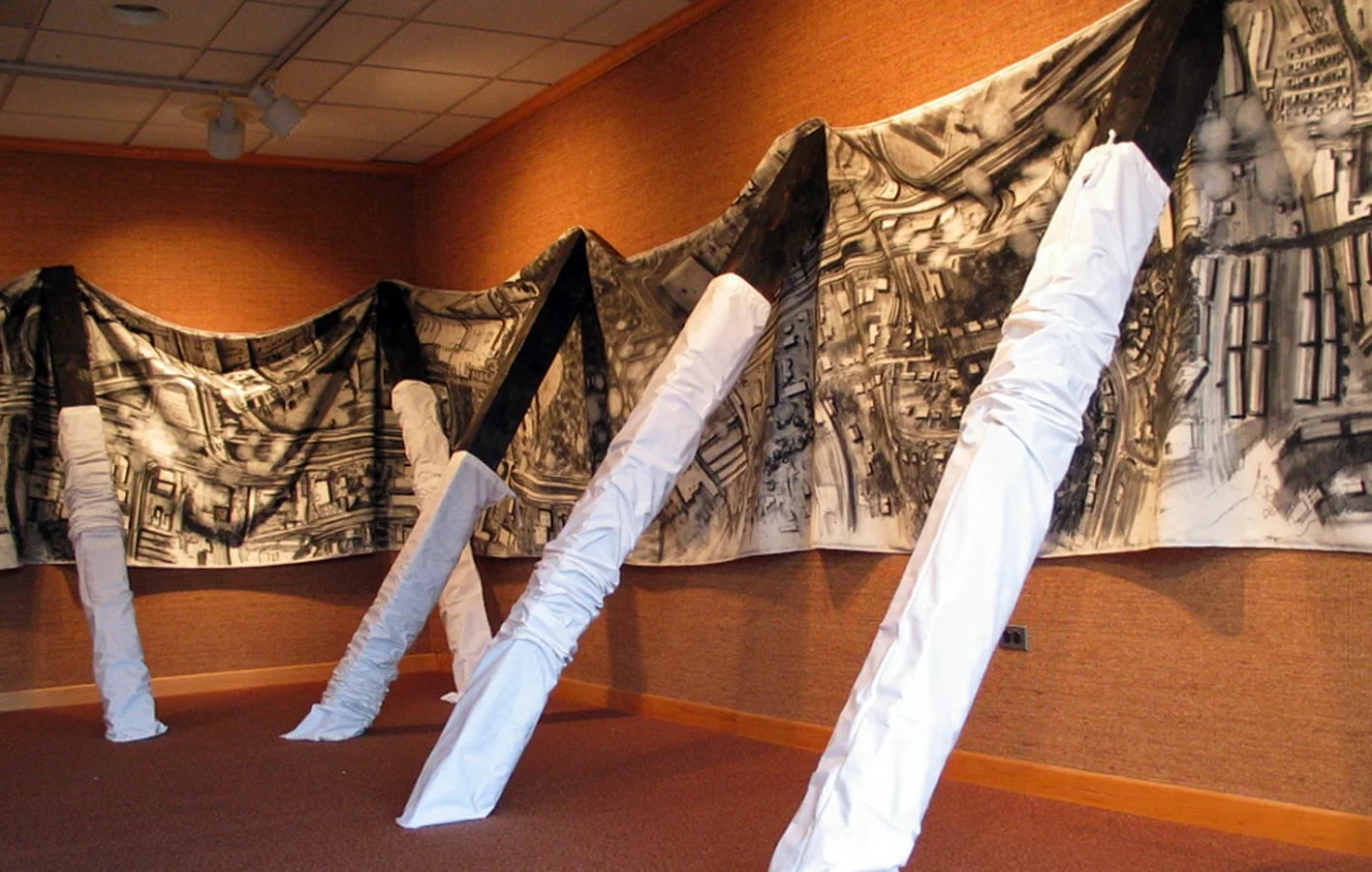
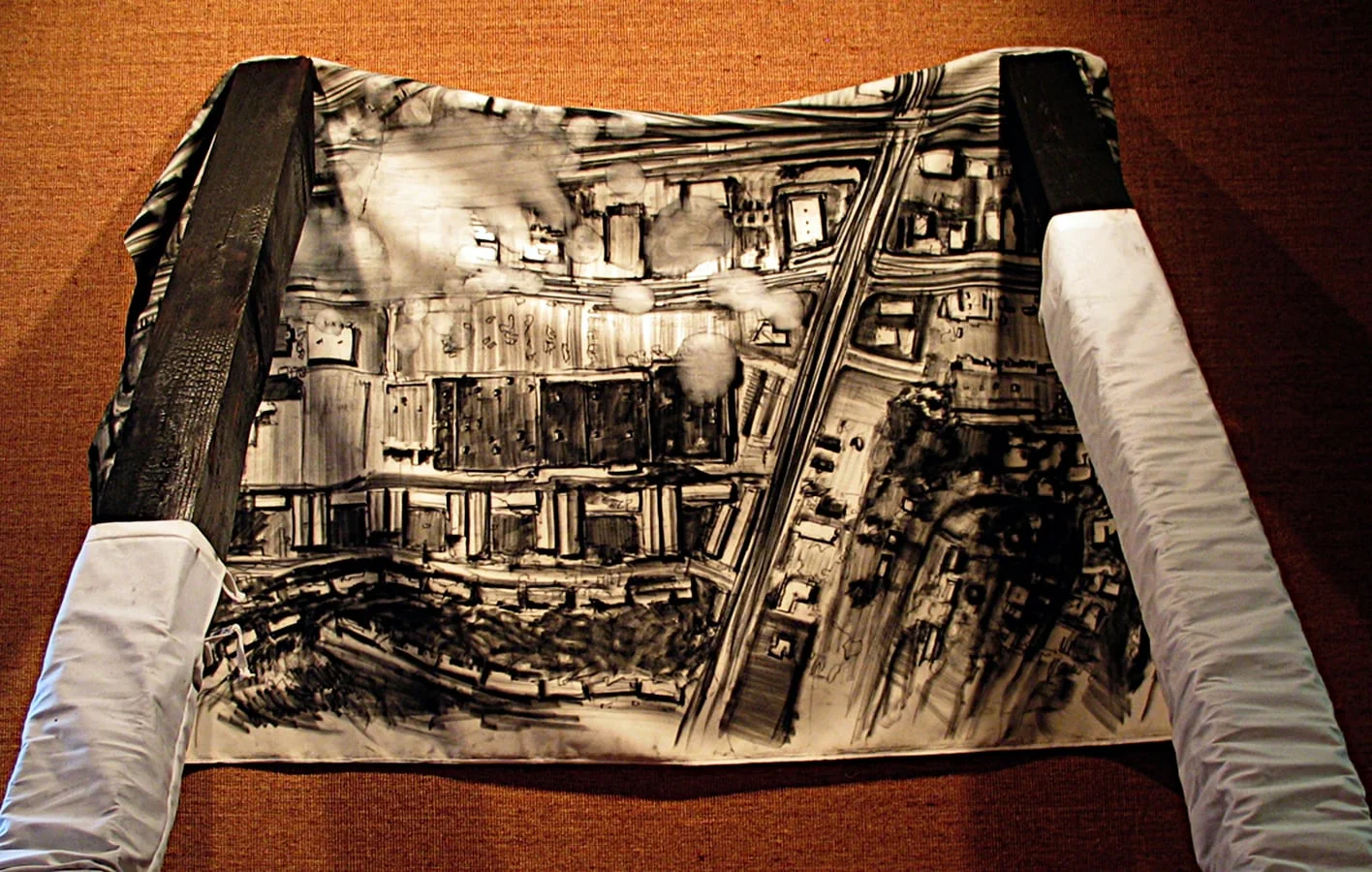
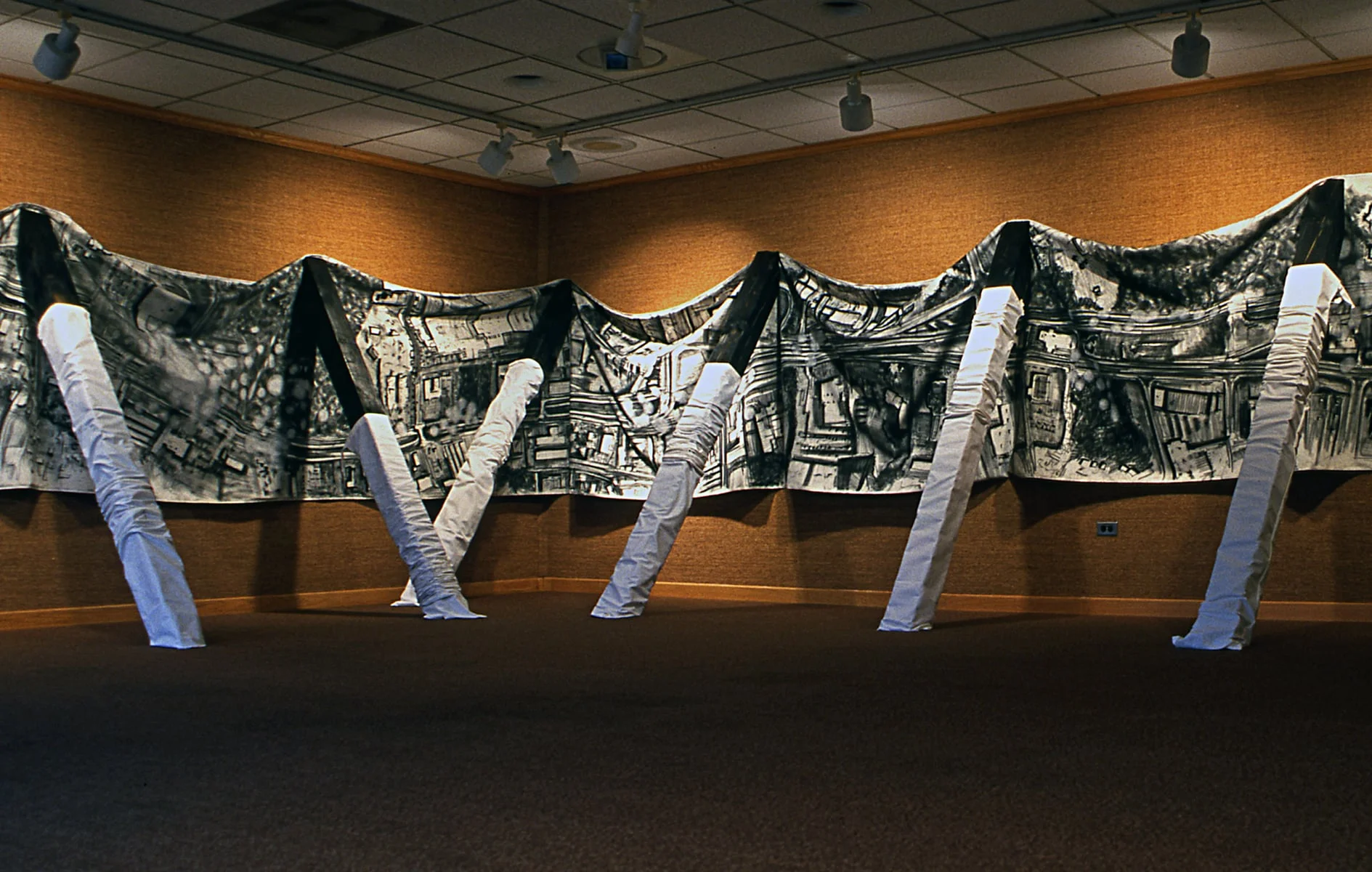
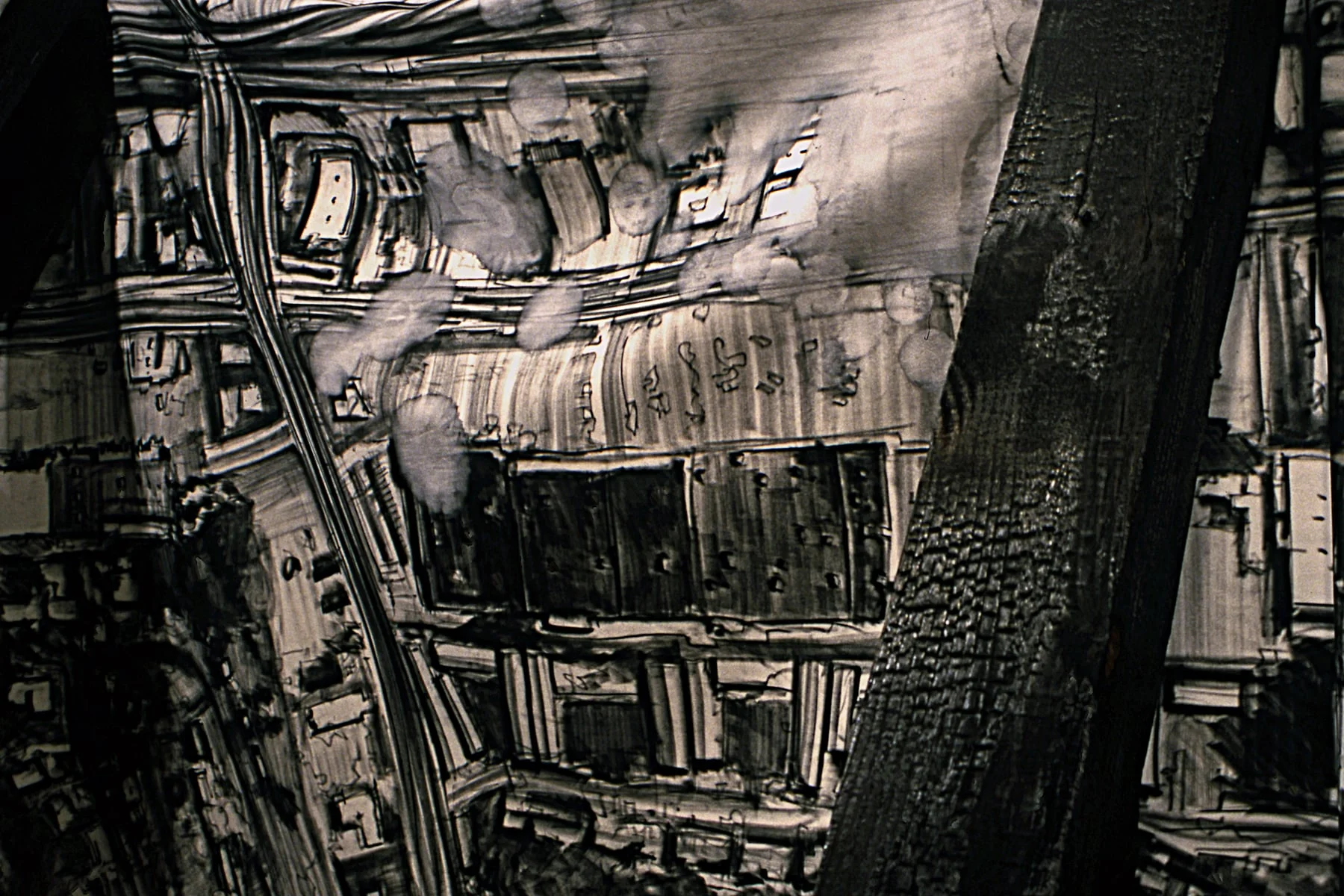
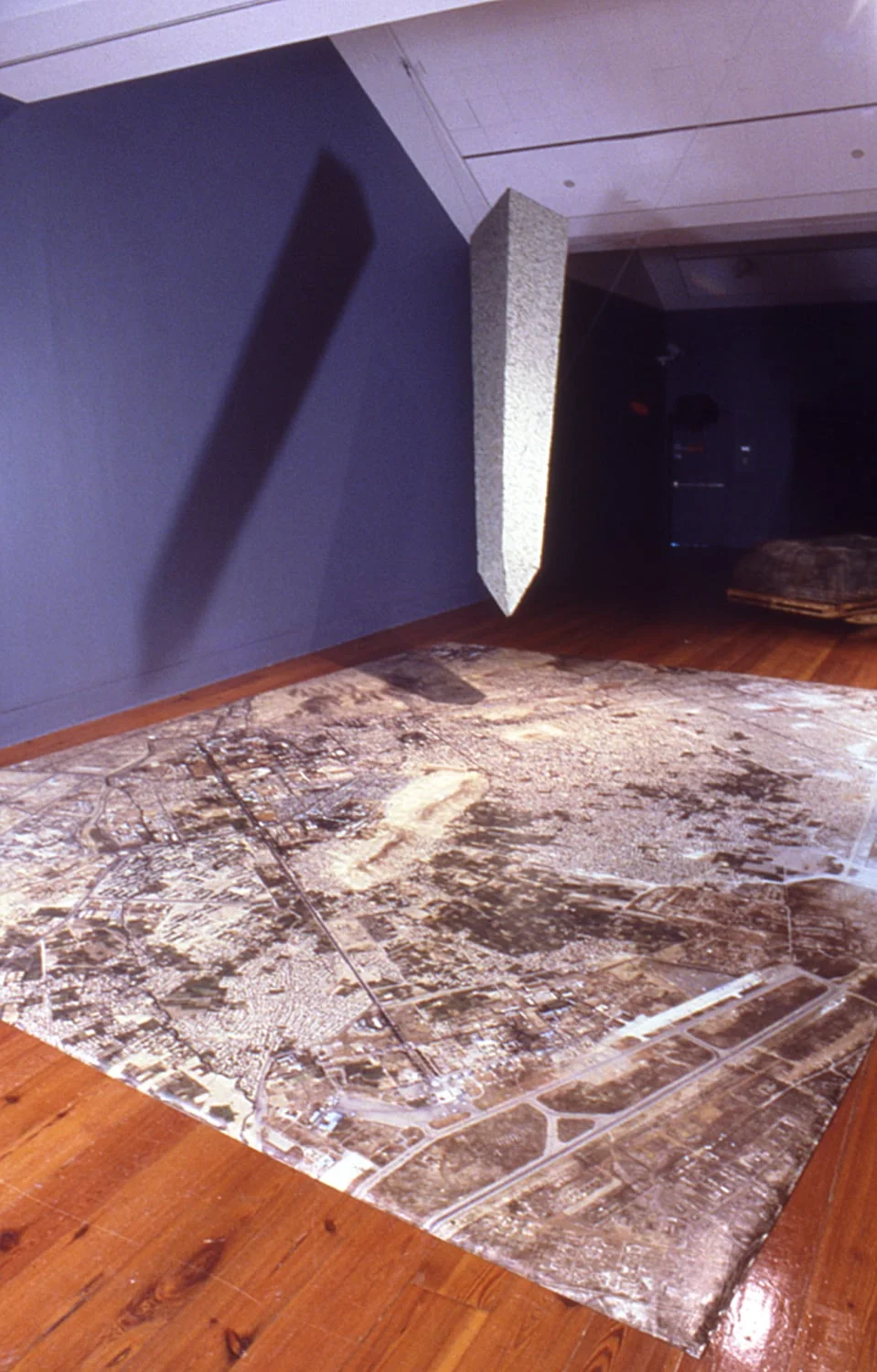
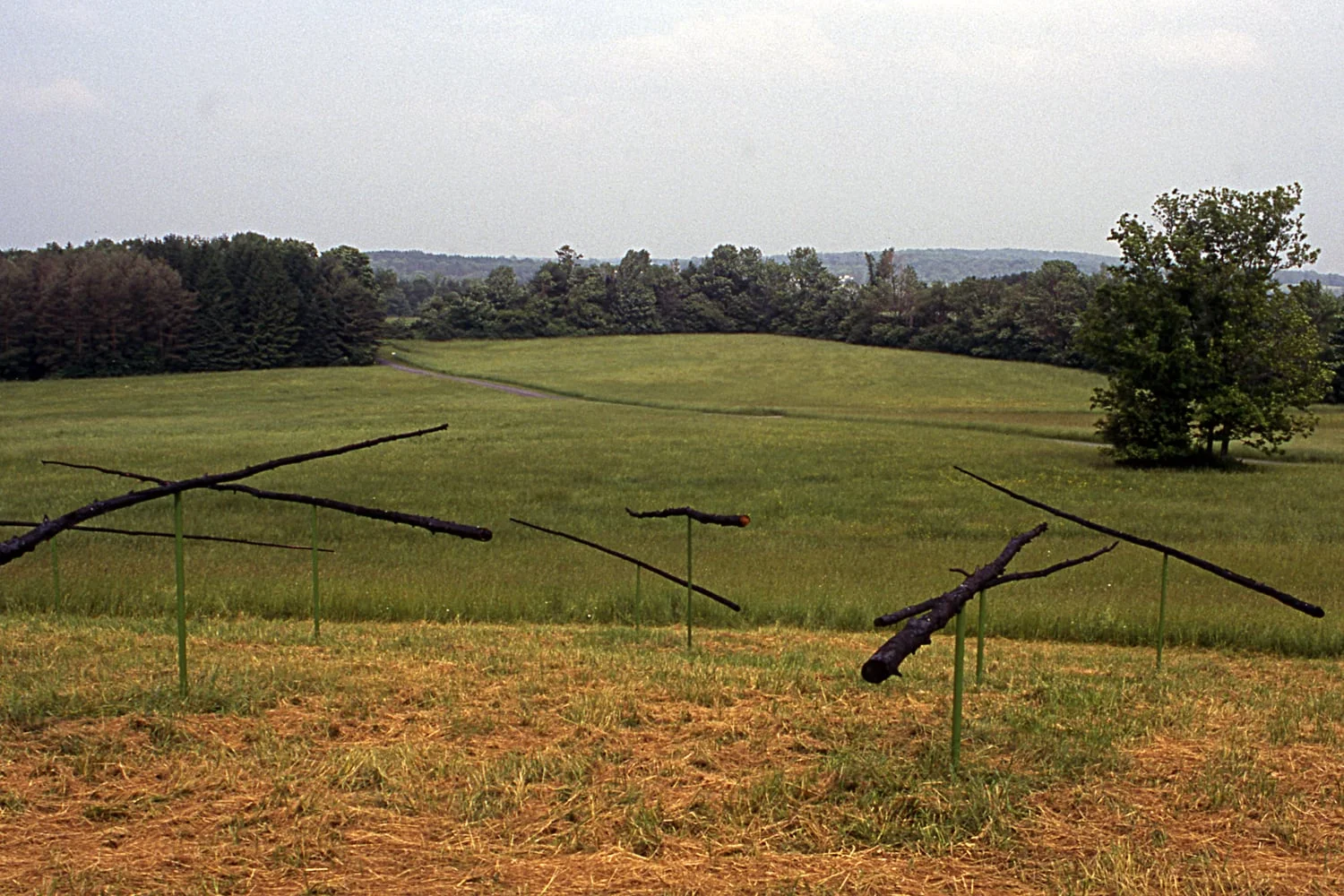
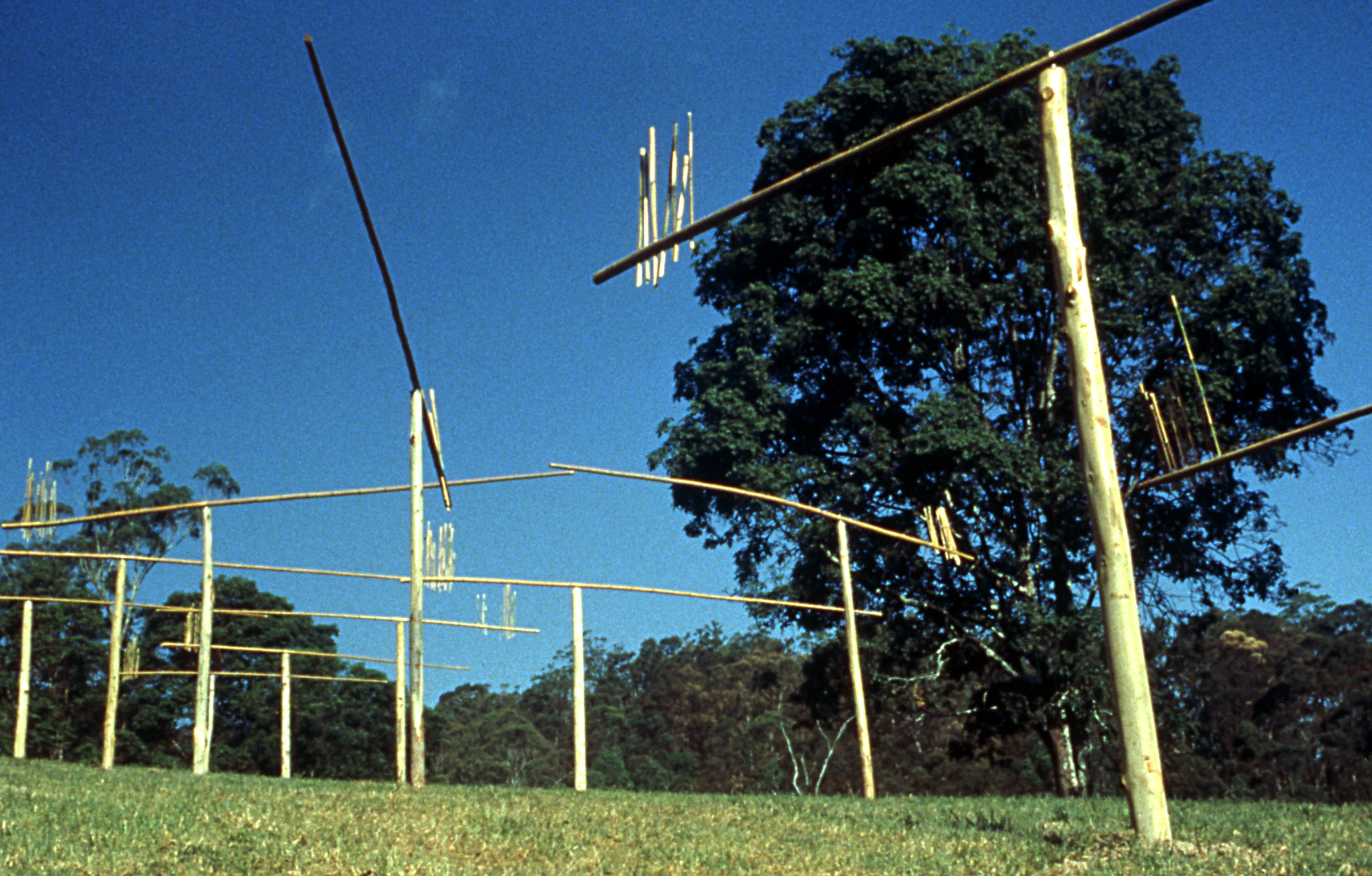
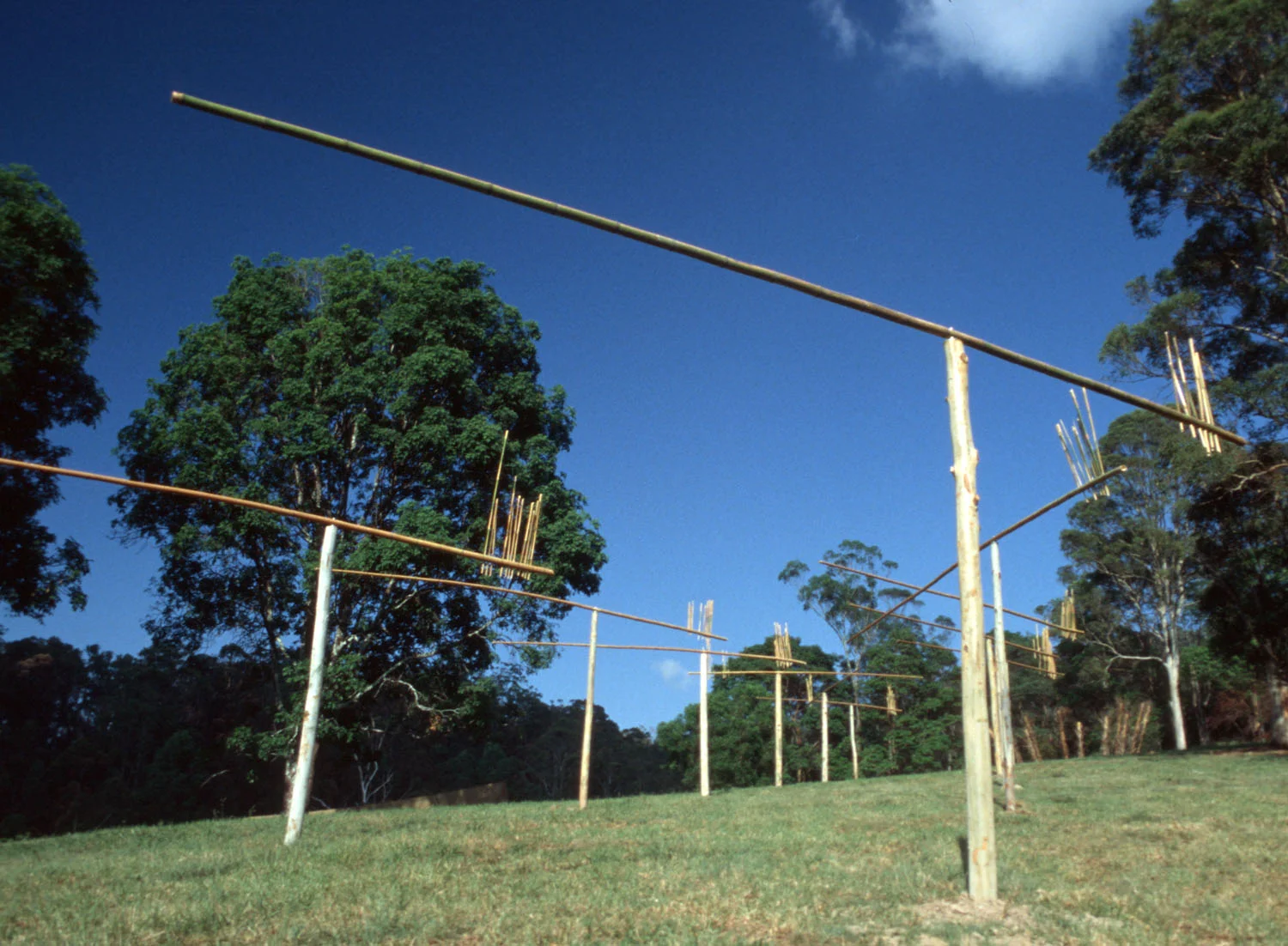
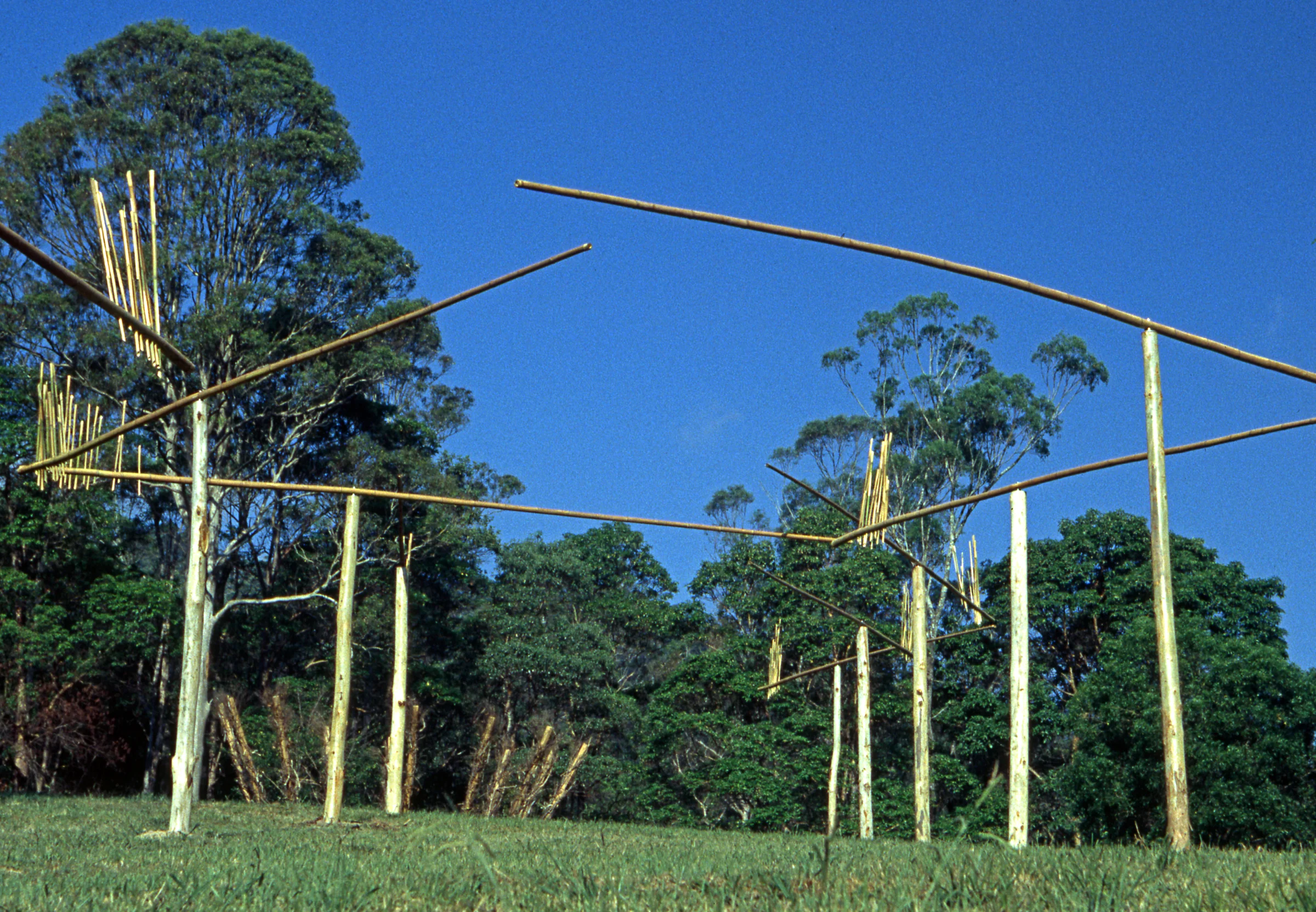
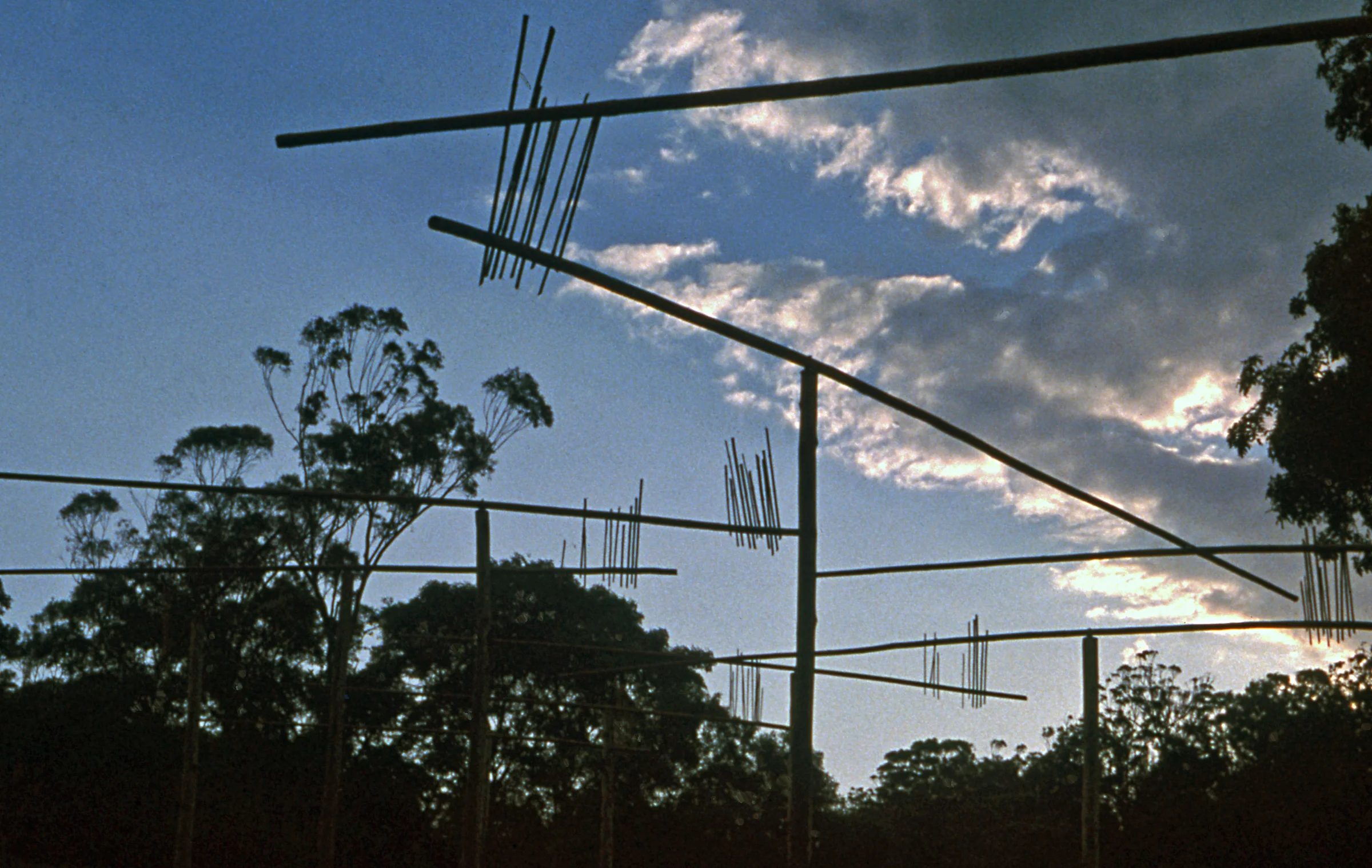
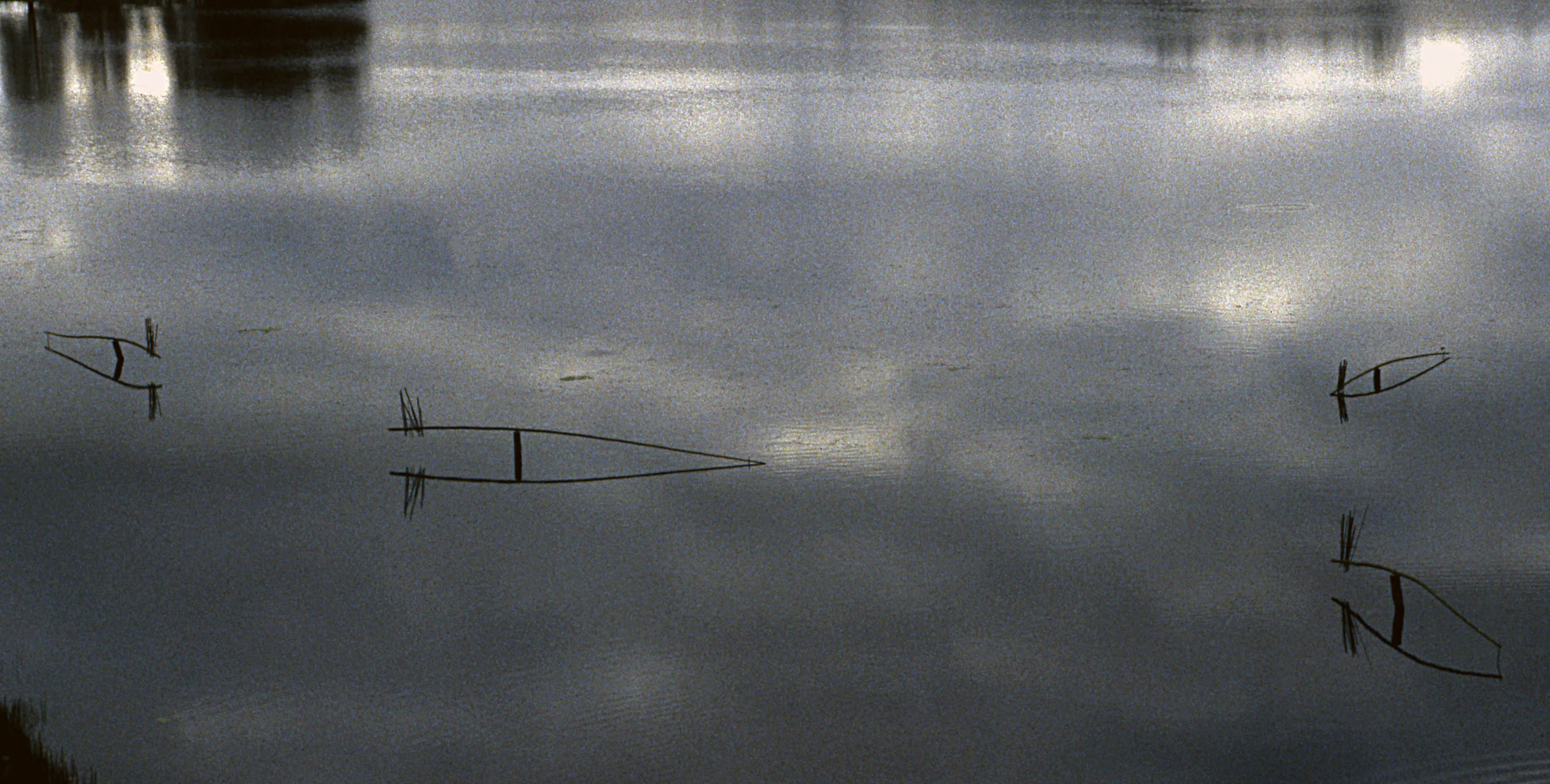
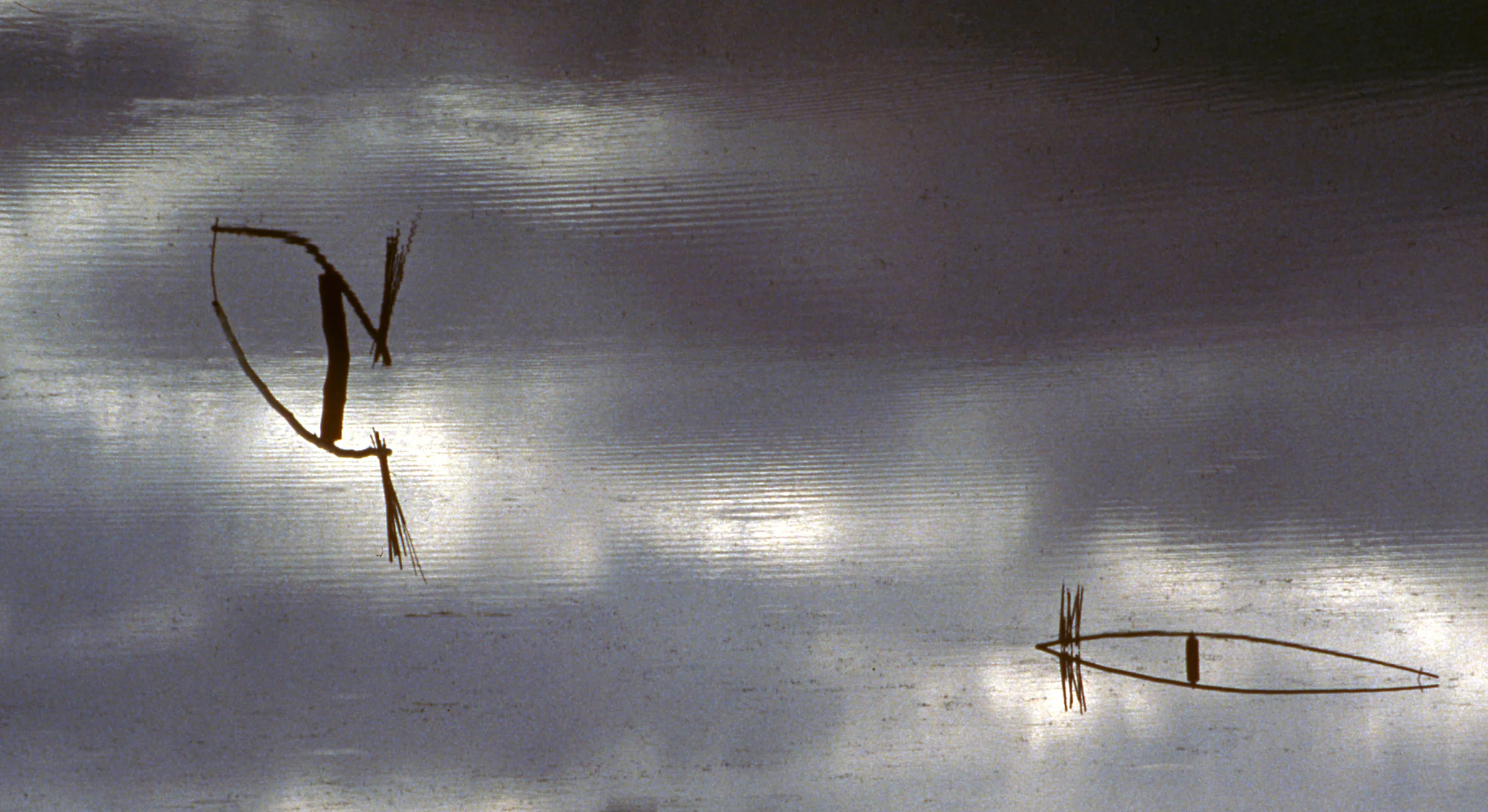
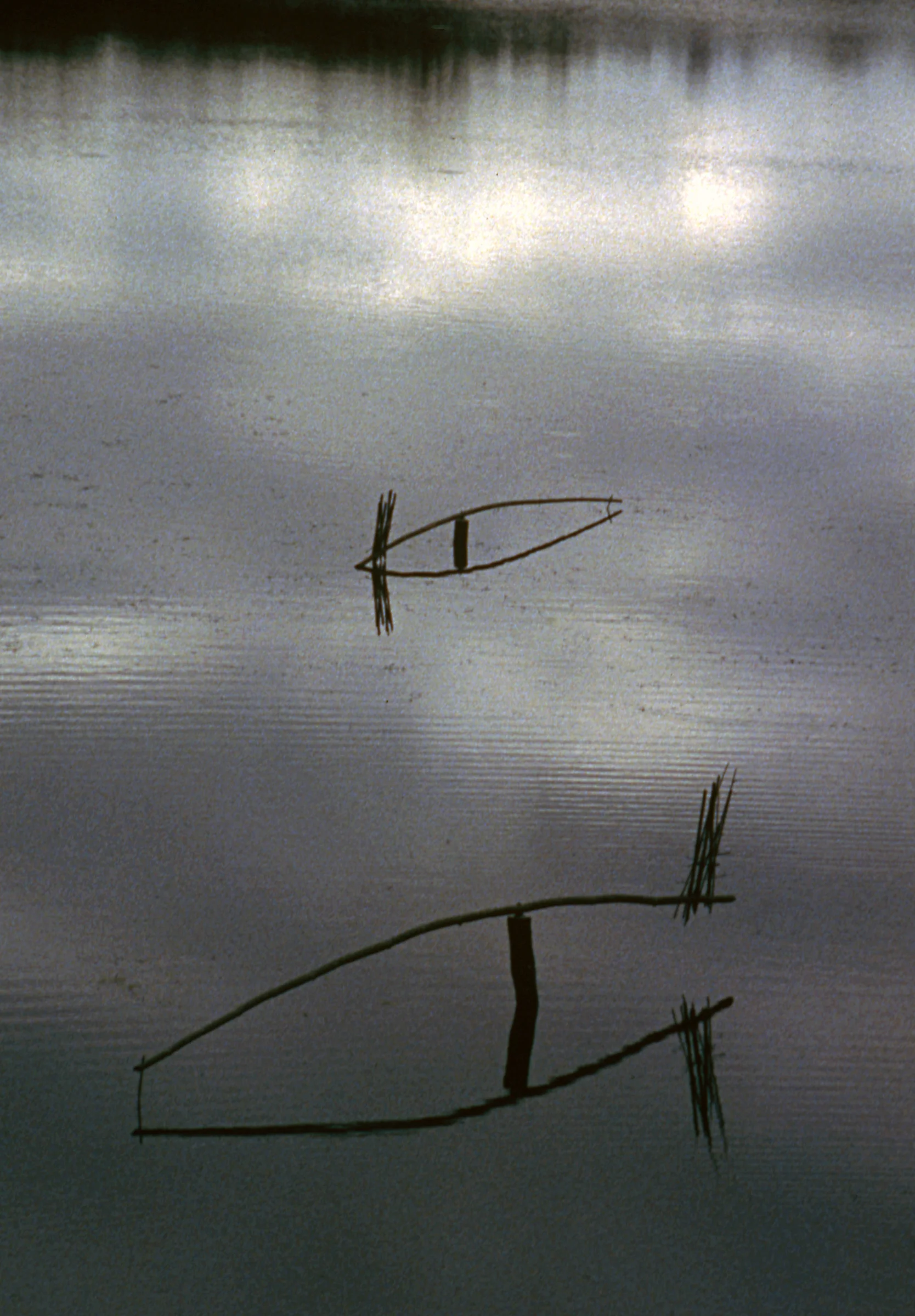
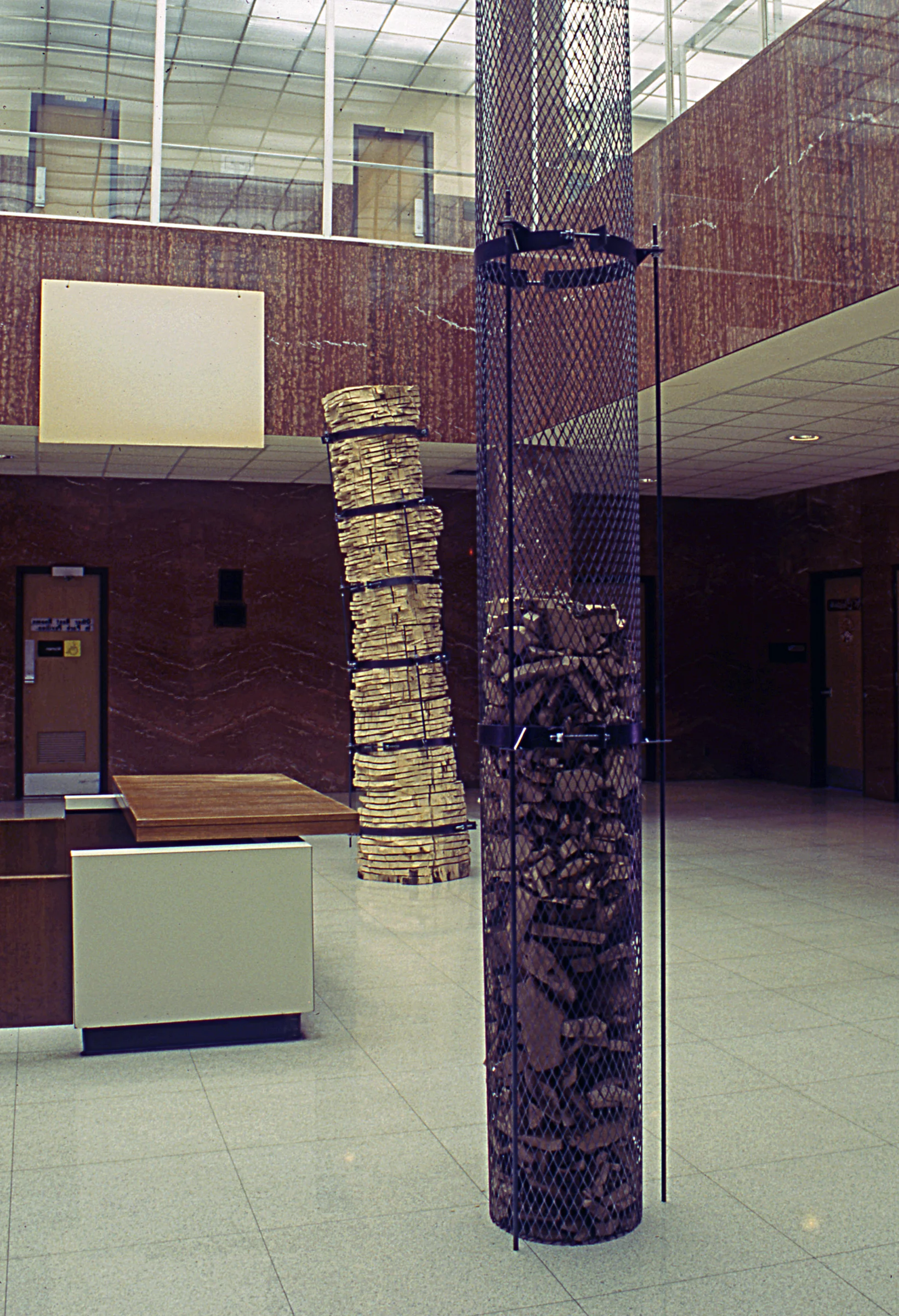
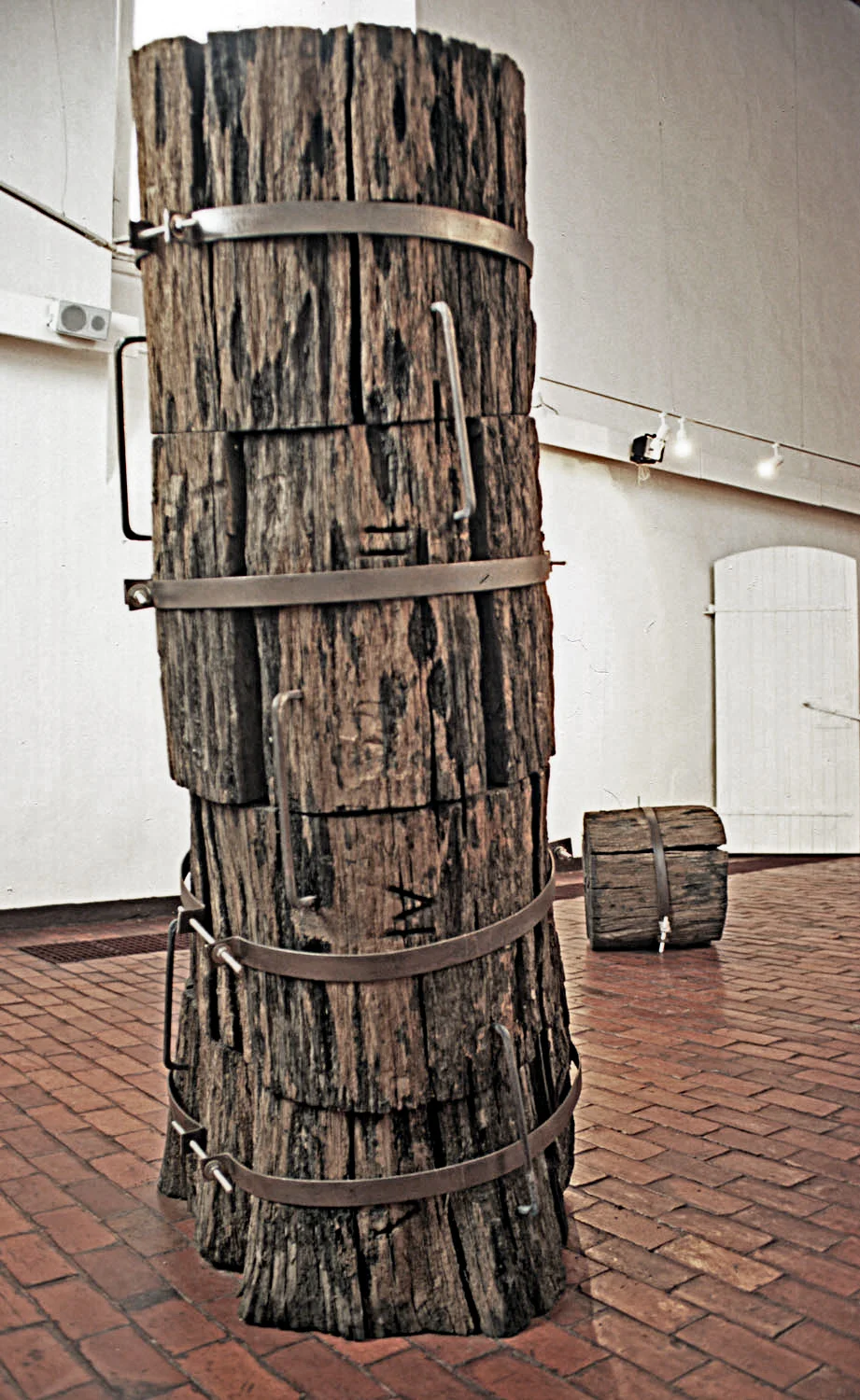
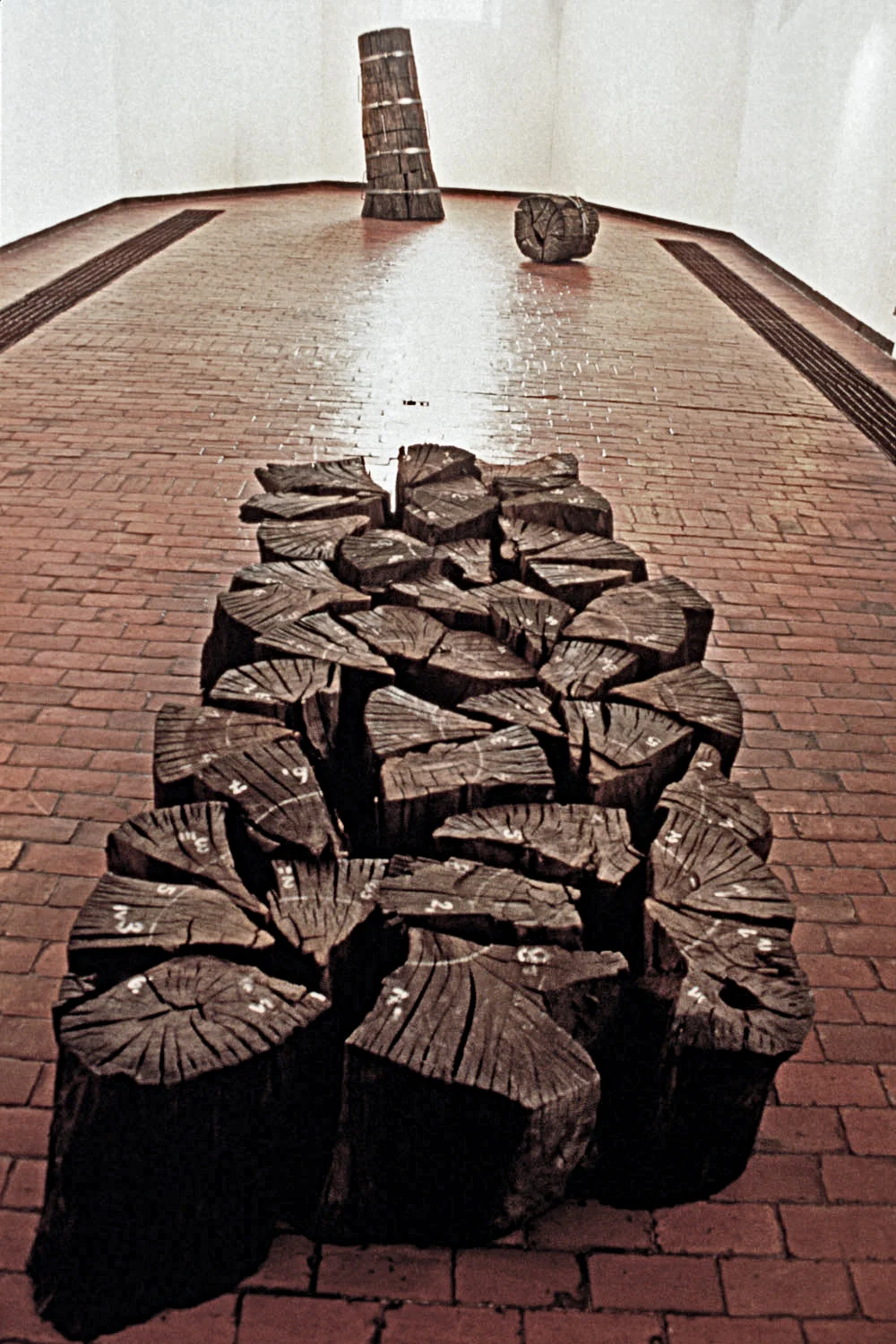
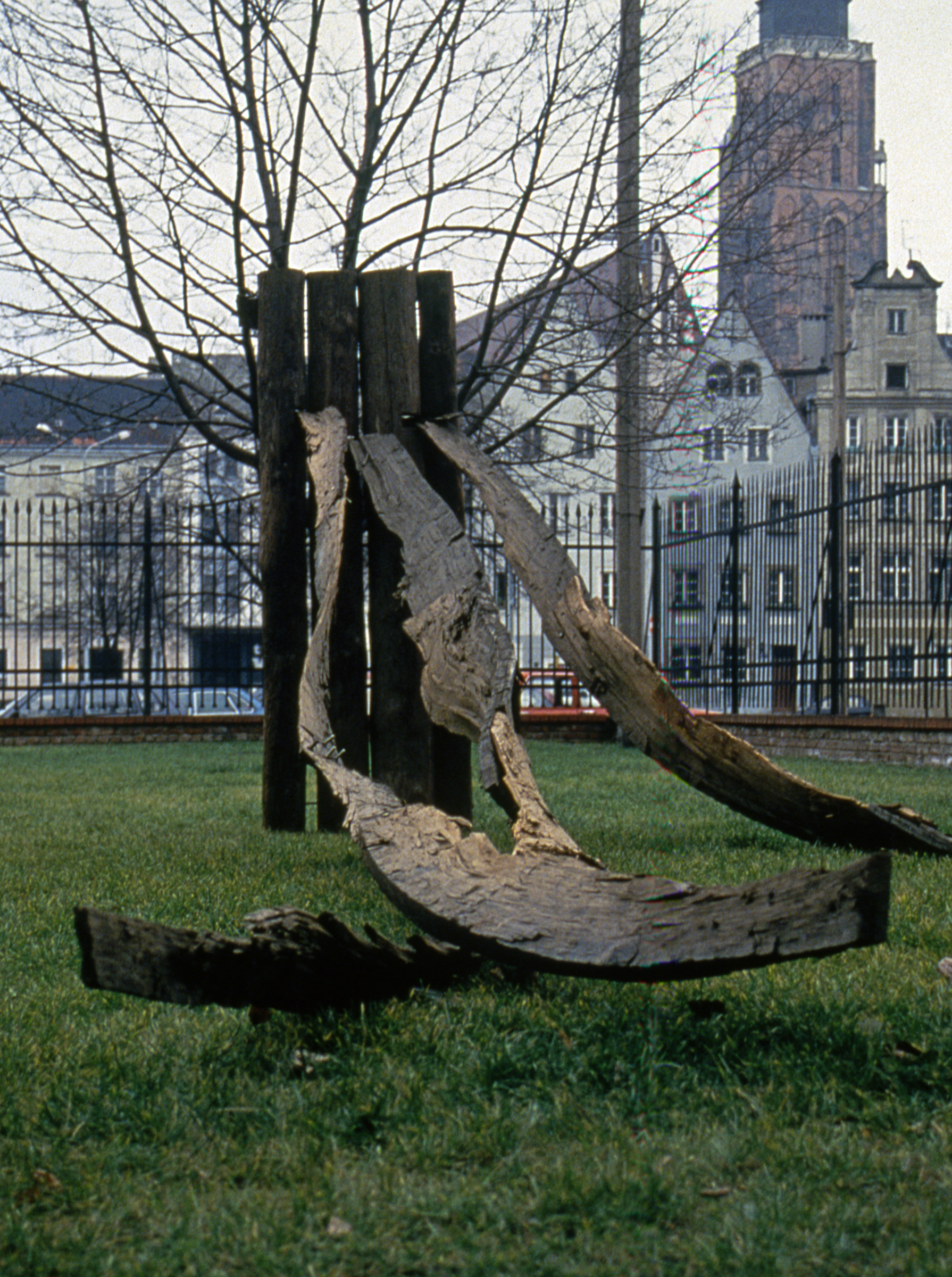
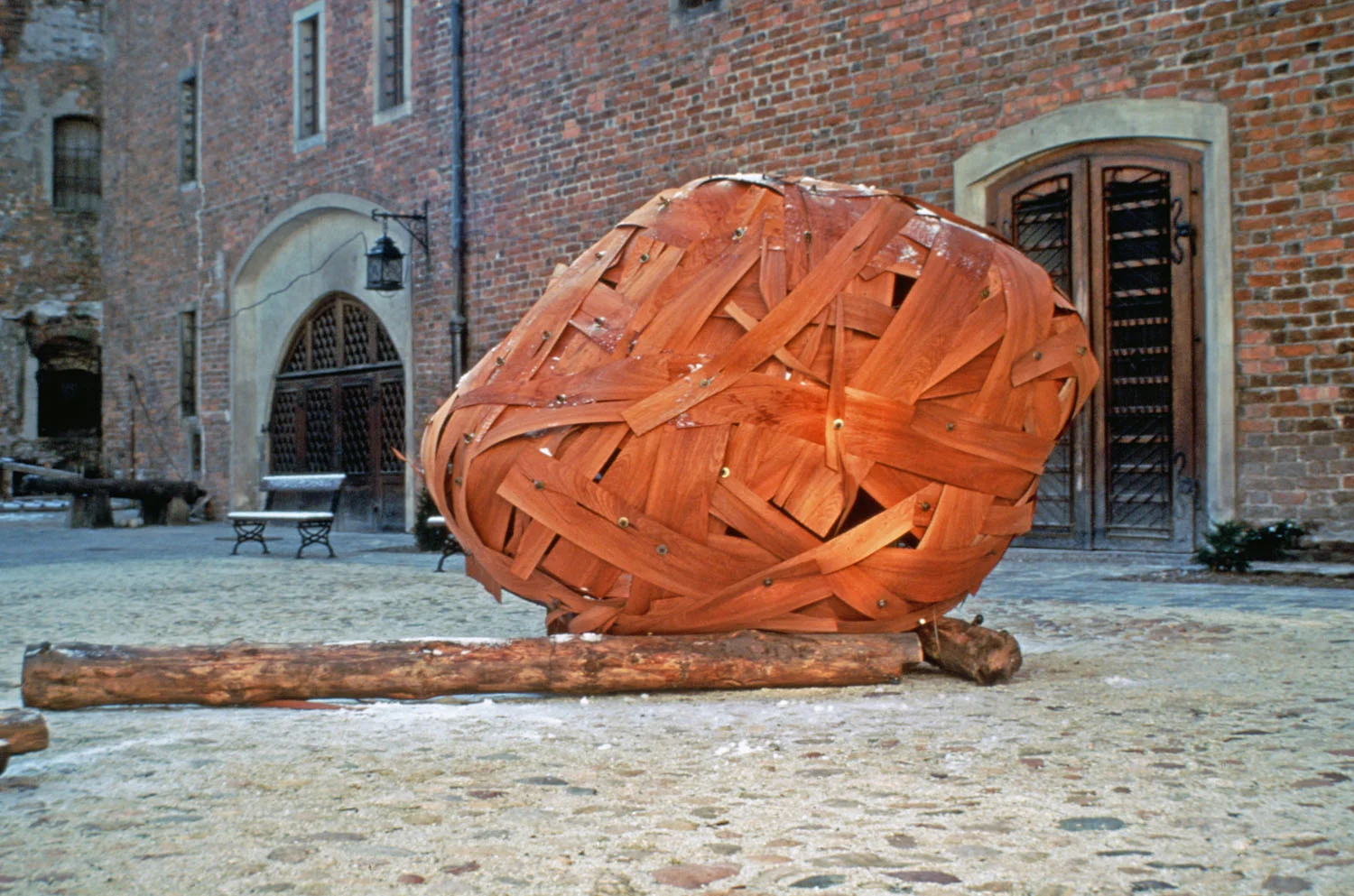
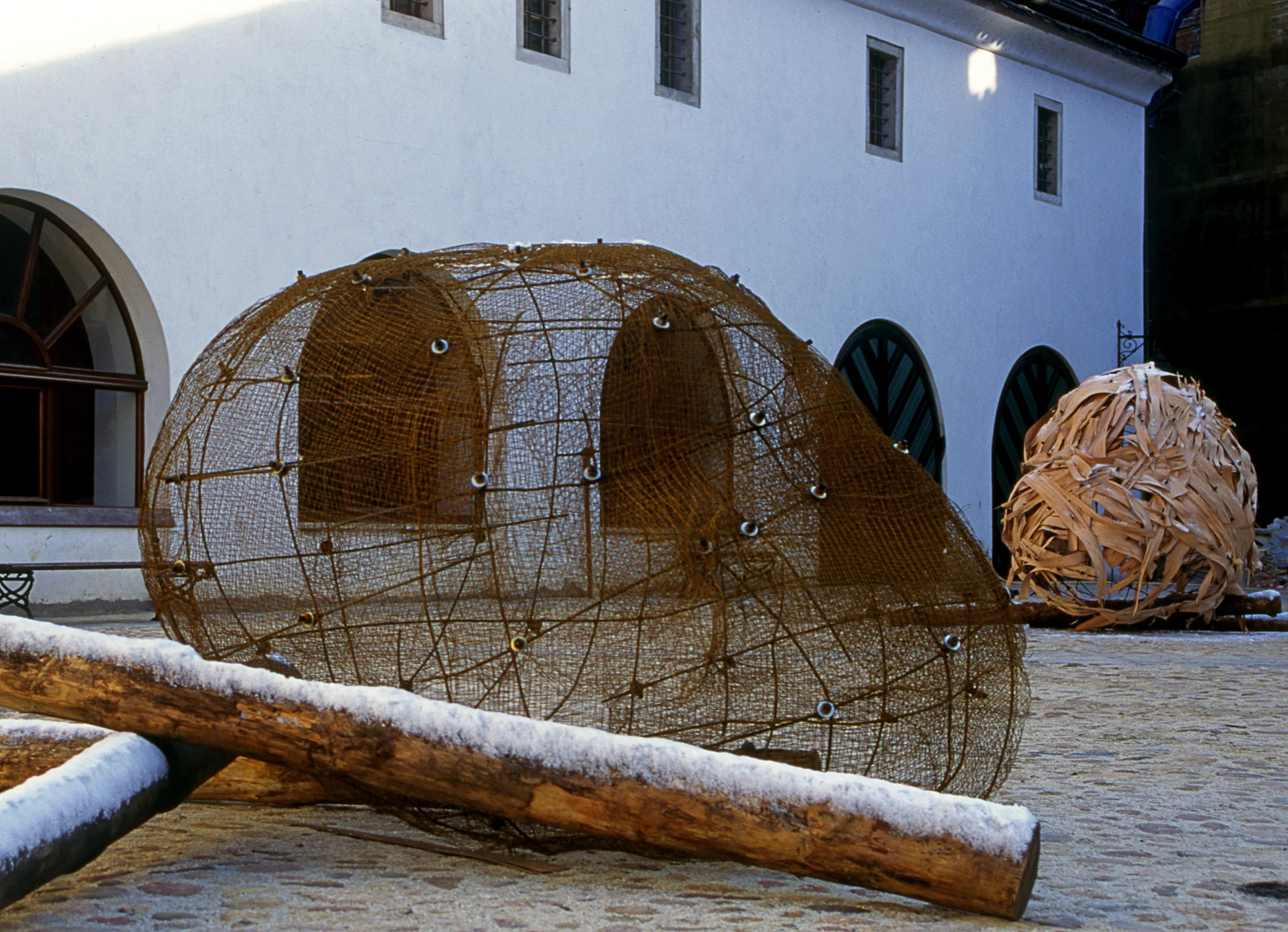
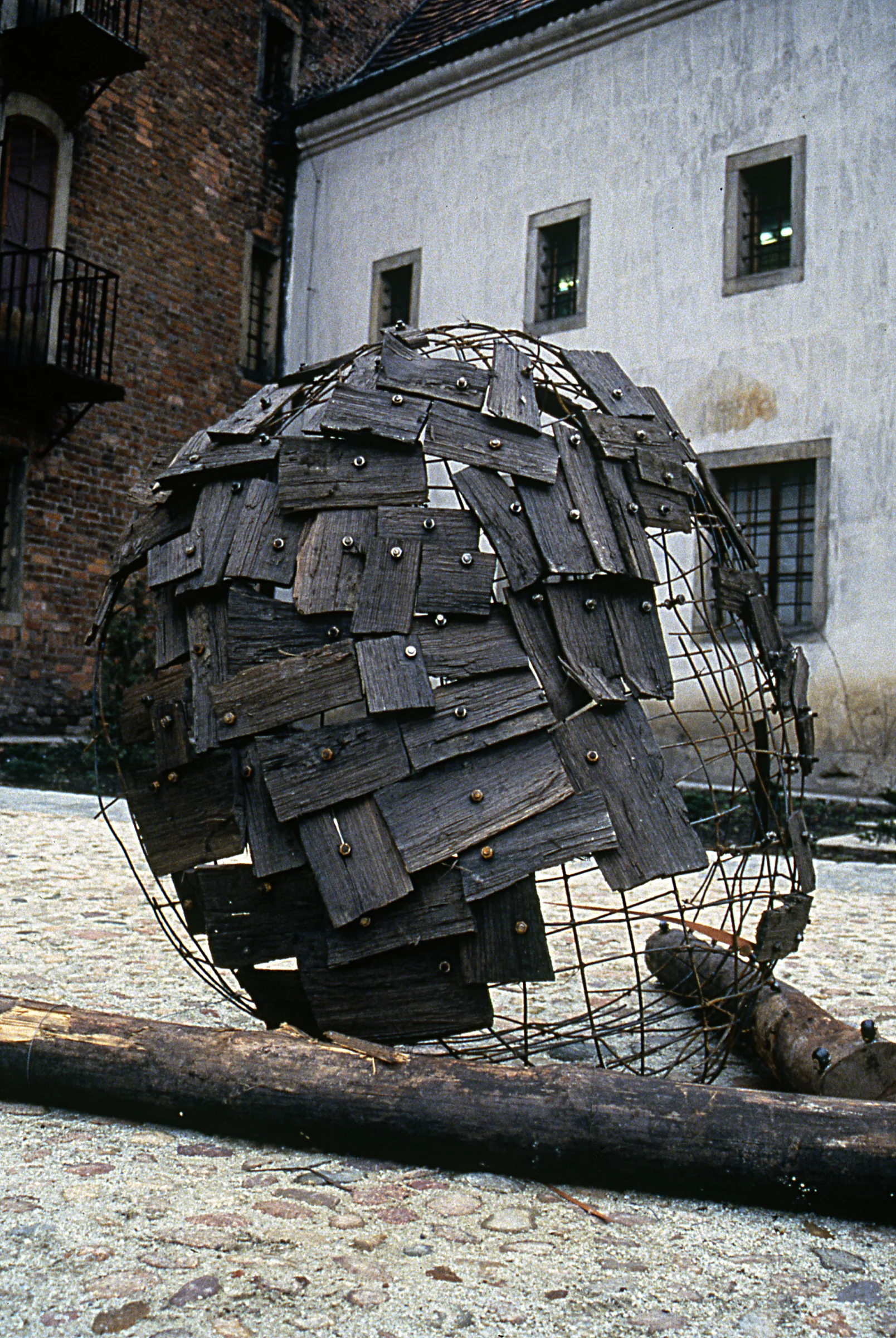
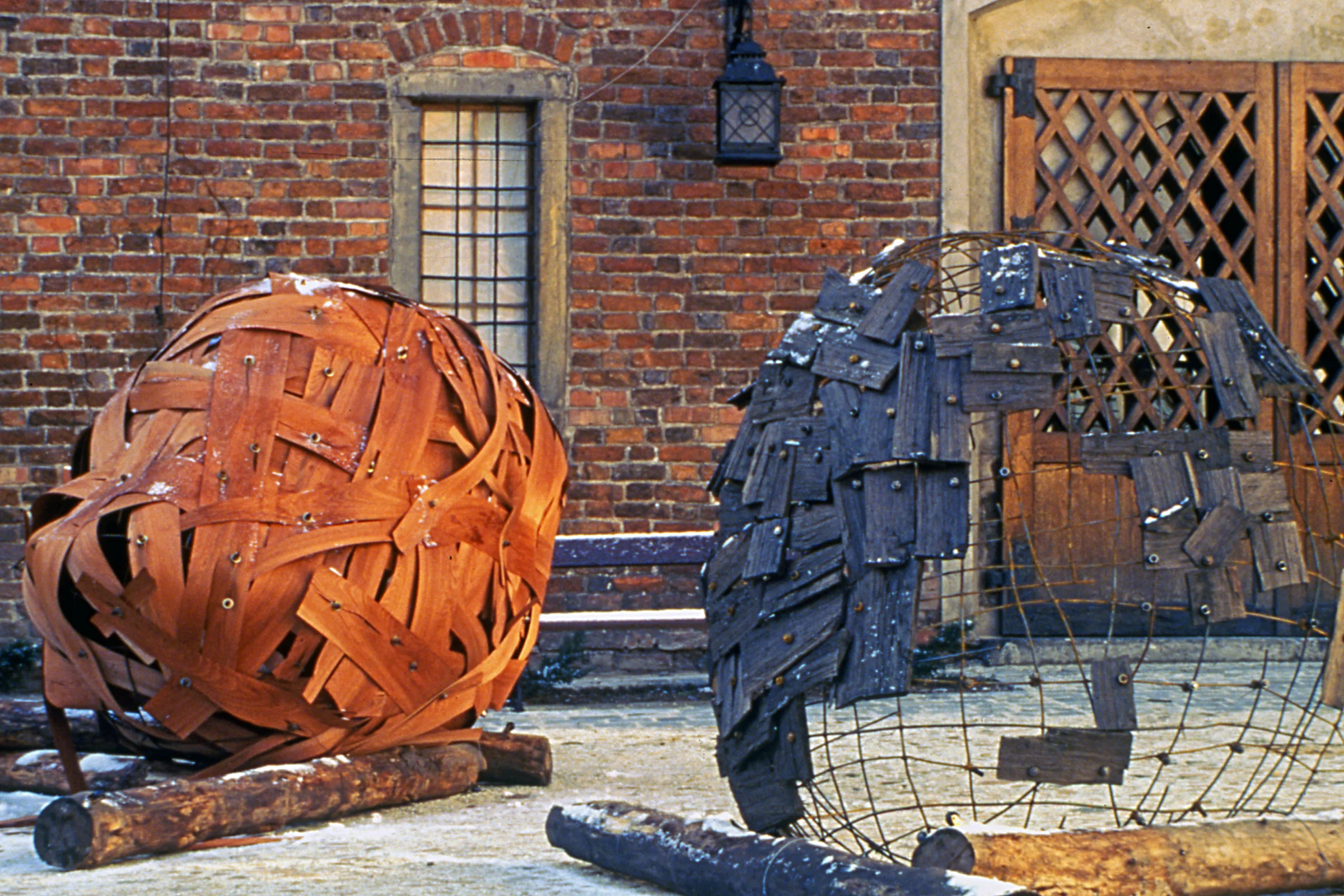
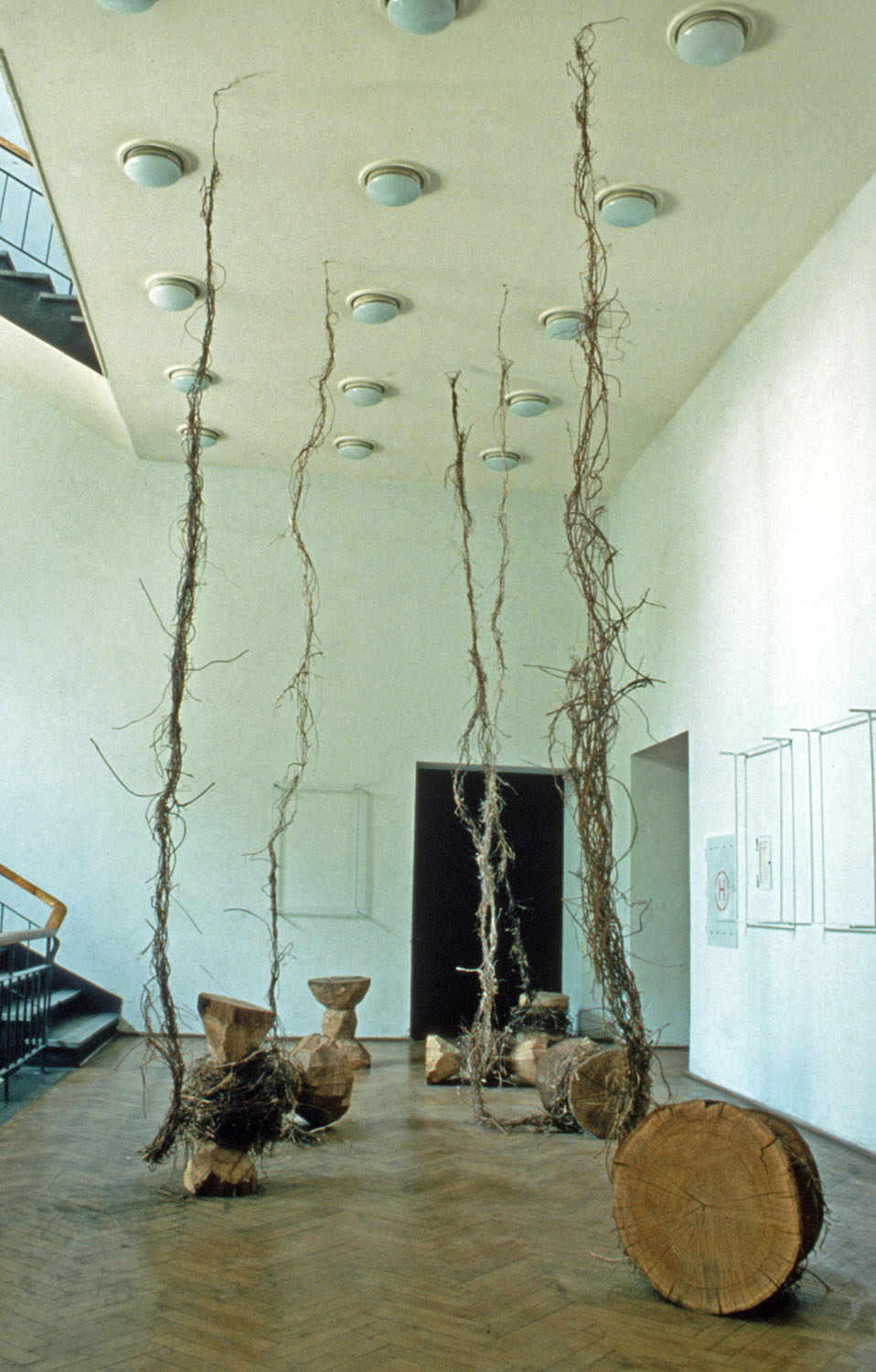
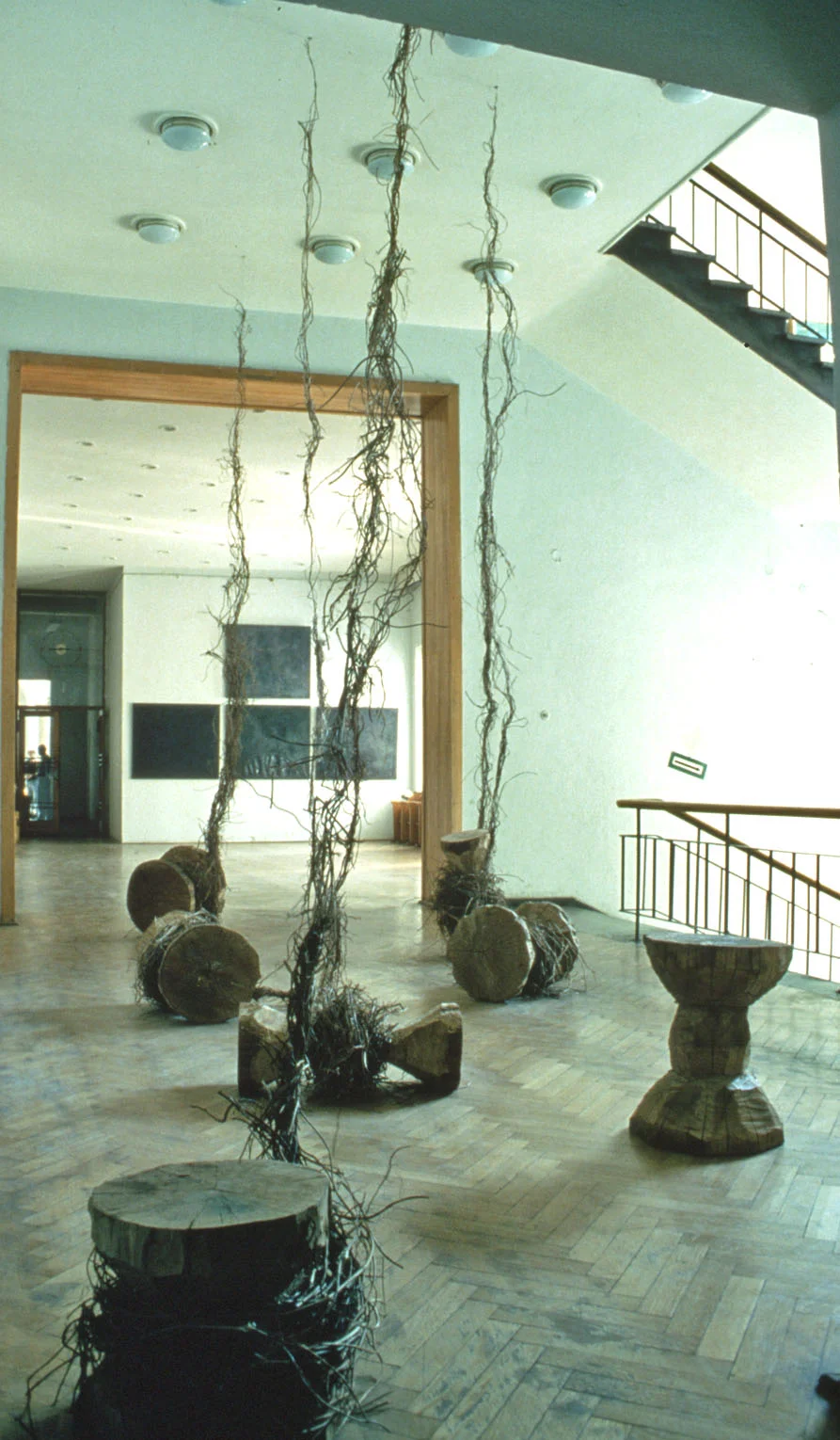
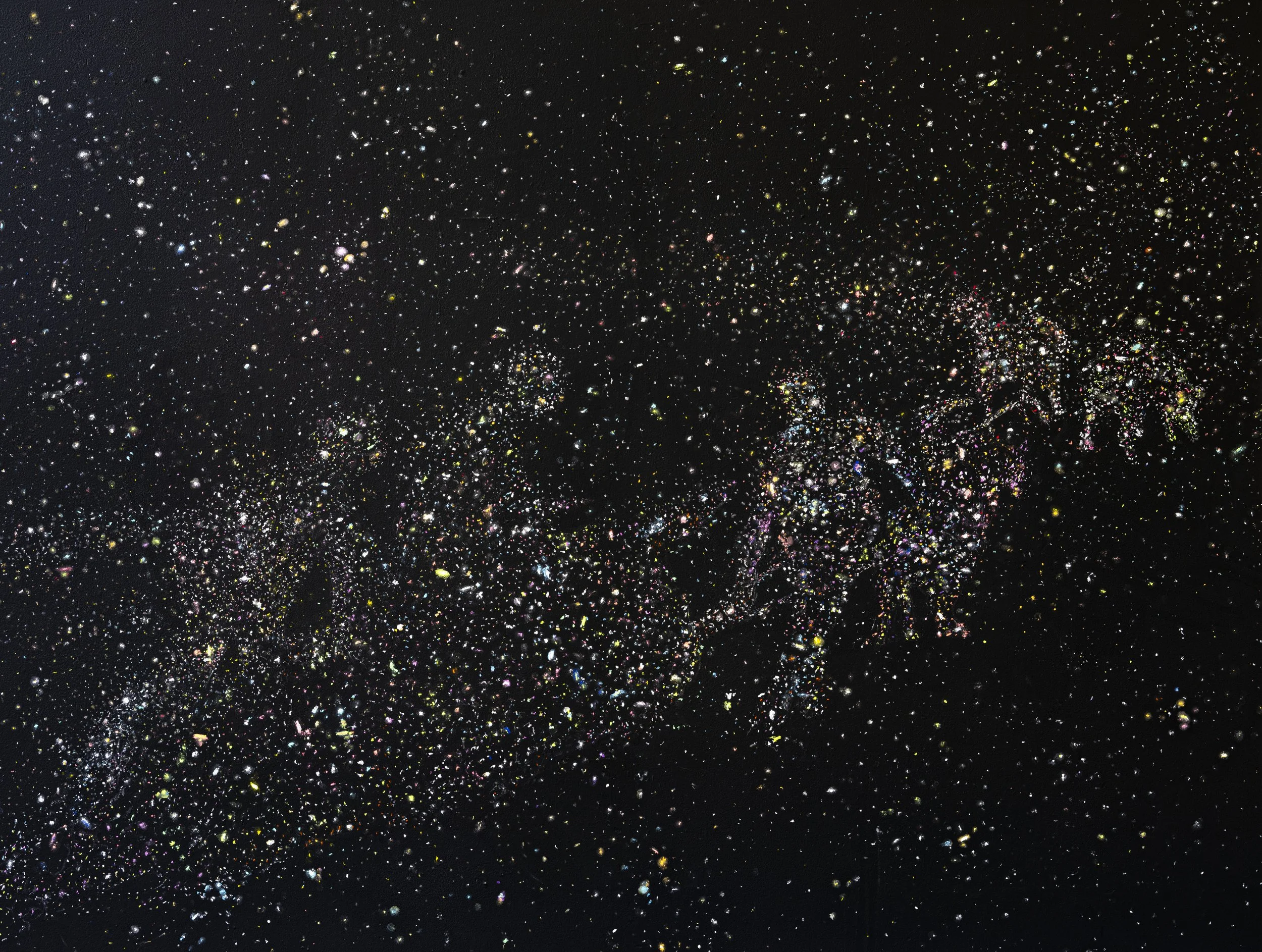
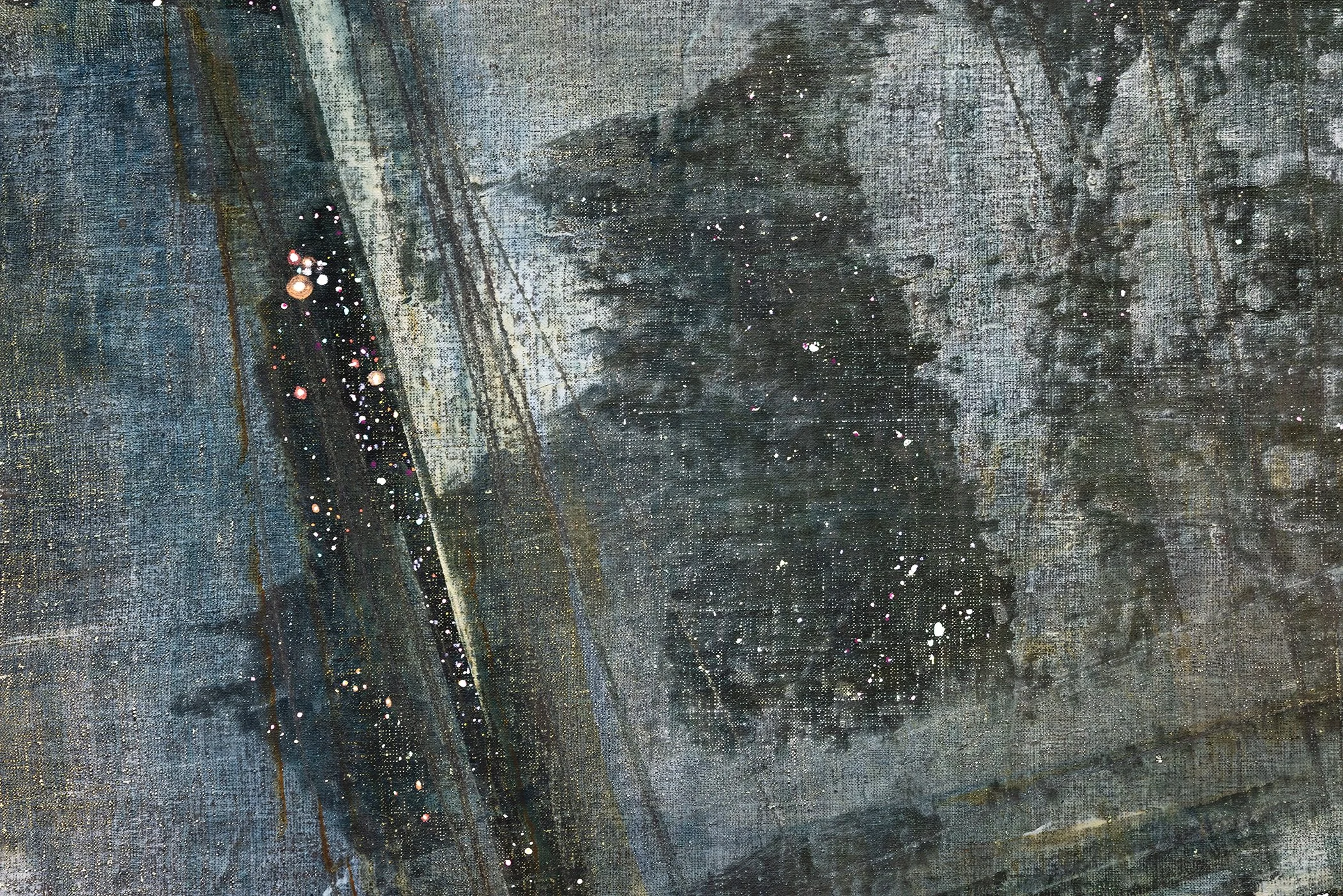
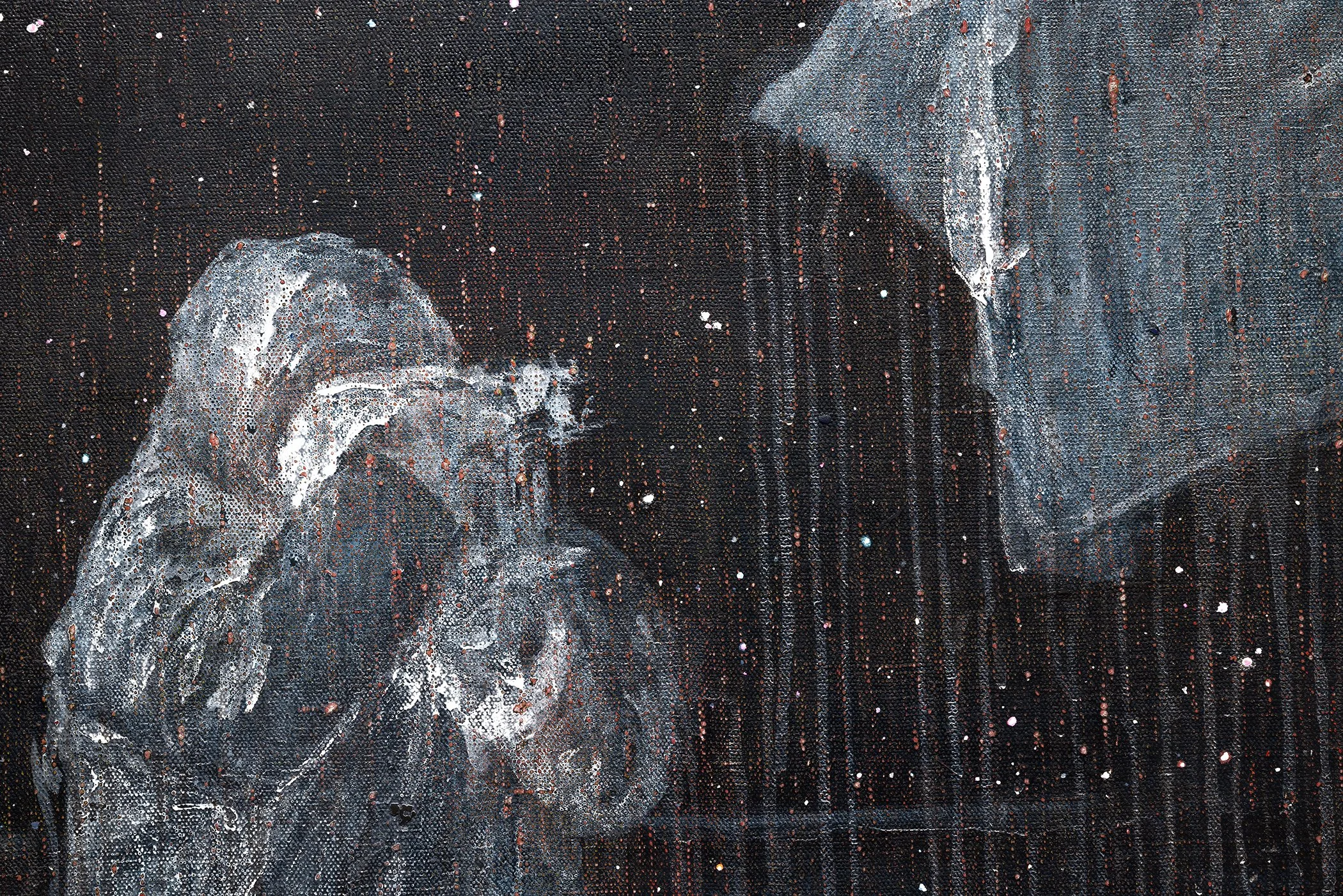
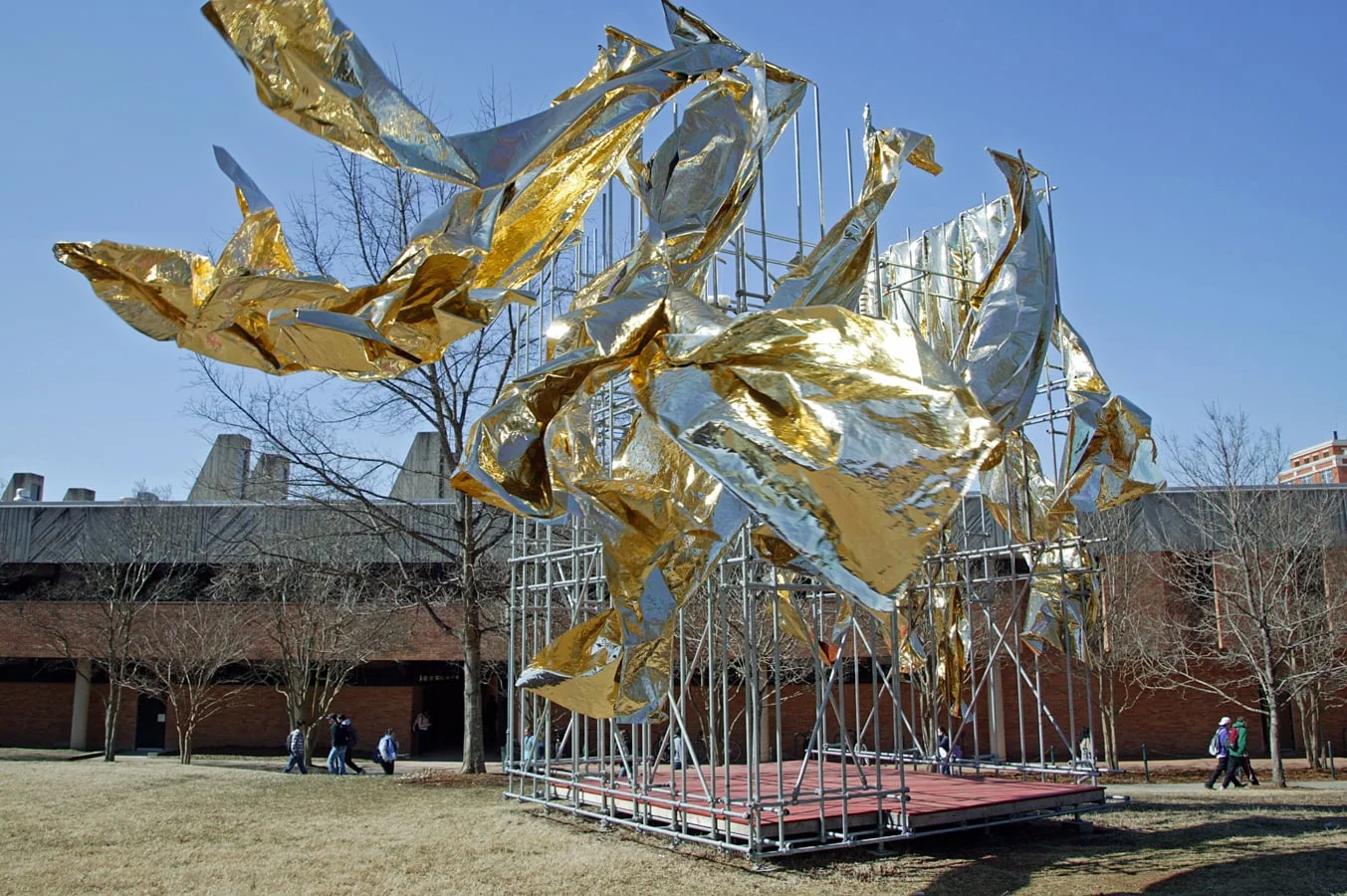
Mare Liberum*, Reimagined, 2024 multi media installation, Crystal Cove Conservancy, part of Transformative Currents: Art and Action in the Pacific Ocean,Mare Liberum*, Reimagined. Marek Ranis and Maja Godlewska
Mare Liberum – for millennia, the Earth’s oceans have been free for all, available for trade,
travel, and exploitation, now reclaimed as a “shared space” for all to be stewards, to contribute
to their survival and conservancy.
Mare Liberum is an immersive physical and VR installation with
An art project that highlights and celebrates existing environmental networks in Southern
California and Orange County and their interest in kelp and ocean conservancy. The project is
focused on science and community action, sublime beauty and scientific discovery, researchers,
educators, artists and activists, including Indigenous peoples. Mare Liberum, Reimagined will
provide inspiring examples and points of access to participation and agency for all, regardless of
background and prior opportunities, to be engaged in ocean conservancy and in the well-being of kelp.
Paradoxically, a XVII-century concept of freedom of the seas, Mare Liberum (meaning “free for
all to use”) still lingers in the popular perception of the world’s oceans, seen as an endless,
inexhaustible global resource. The Pacific Ocean is the largest and the deepest among them,
covering 30% of Earth’s surface, and it is now also becoming a momentous symbol of the
staggering environmental changes we humans have been causing.
Our artistic project aims at reimagining Mare Liberum. We postulate to reclaim this term, with a
new meaning. Now the ocean, a vulnerable and already injured living entity, is for all to
consider becoming its stewards, to participate in conservation efforts, and to take collective
action to save it.
Professors’ Art Installation Plunges Viewers into a Kelp Forest
By Meg Whalen,
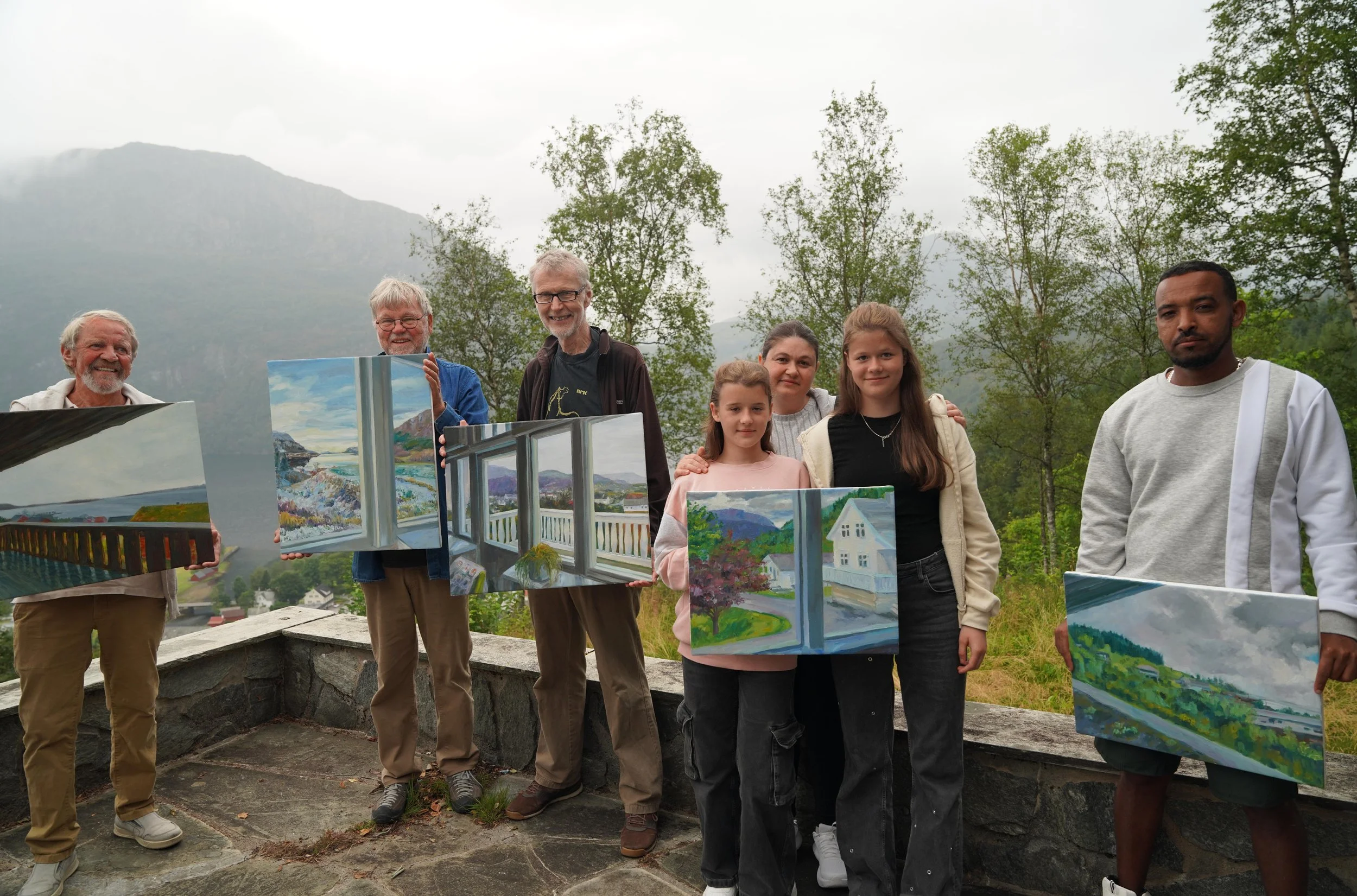
From the moment art professors Maja Godlewska and Marek Ranis joined the Art and Action in the Pacific Ocean creative cohort, they knew they were outsiders. Organized by Cassandra Coblentz, former curator at the Orange County Museum of Art in California, the project draws together artists from the Pacific Rim whose work engages those waters. As natives of Poland and longtime Charlotte residents, the two “were really oddballs from the beginning,” said Godlewska.
But both artists have demonstrated time and again their abilities to connect deeply to a place and a cause, sometimes devoting years to research and relationship-building in faraway lands as they create work that reflects the depth of their discoveries.
Godlewska, for example, has spent stretches of time in Tasmania, on the island of Mauritius, and traveling to national parks throughout the United States, developing multiple series of large-scale paintings, mixed-media canvases, and works on paper. Ranis has more than two decades of work in the Arctic North, with residencies in Iceland, Greenland, Alaska, and Norway, and a multifaceted body of artworks that consider how climate change is affecting that vast region.
So when Coblentz approached Ranis after hearing him present at a conference about climate change and subsequently invited the two artists (they are husband and wife) to participate in Transformative Currents: Art and Action in the Pacific Ocean, they began by going to southern California to not only research the land and sea, but more importantly, to learn about the conservation efforts that are underway.
In research trips in 2021 and 2022, they met with scientists from the University of California Irvine and the founder of the environmental nonprofit Get Inspired. They visited the Crystal Cove State Park and learned about the Crystal Cove Conservancy and “how important it is to the local community,” said Godlewska. At a symposium at the Orange County Museum of Art, they met “incredible artists from Hawaii and New Zealand and people from indigenous tribes in southern California” who were all “stewards of the Pacific Ocean.”
And they encountered the kelp forests just off the state park’s coast. “We kind of became obsessed with the kelp,” Godlewska said. “It’s a very strange creature.”
A type of marine algae, kelp consumes carbon dioxide and produces oxygen and serves as both habitat and nourishment for a wide range of sea life. But rising water temperatures are jeopardizing the kelp forests that grow under the ocean’s surface – in some cases just 100 feet out from the California shore.
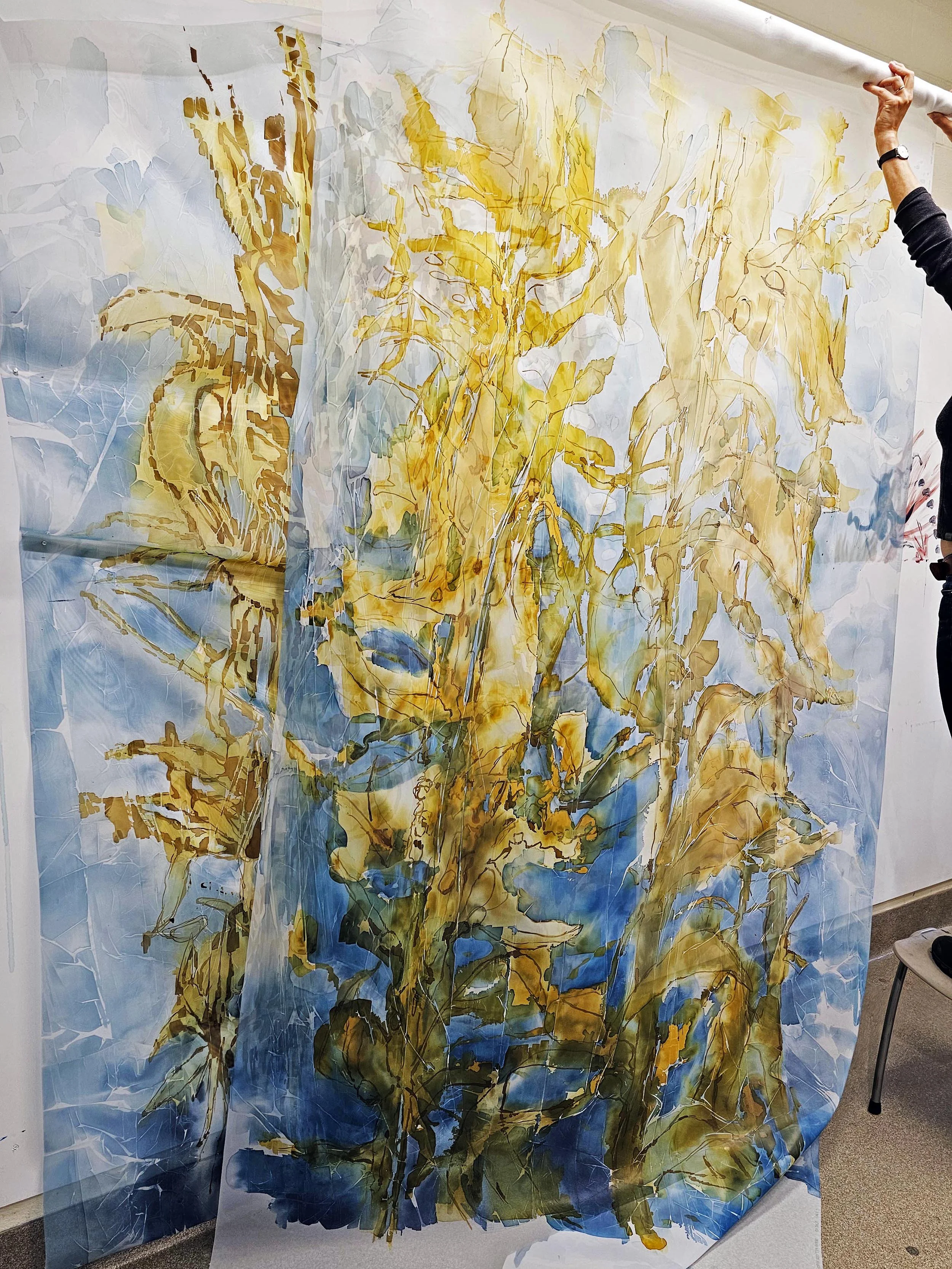
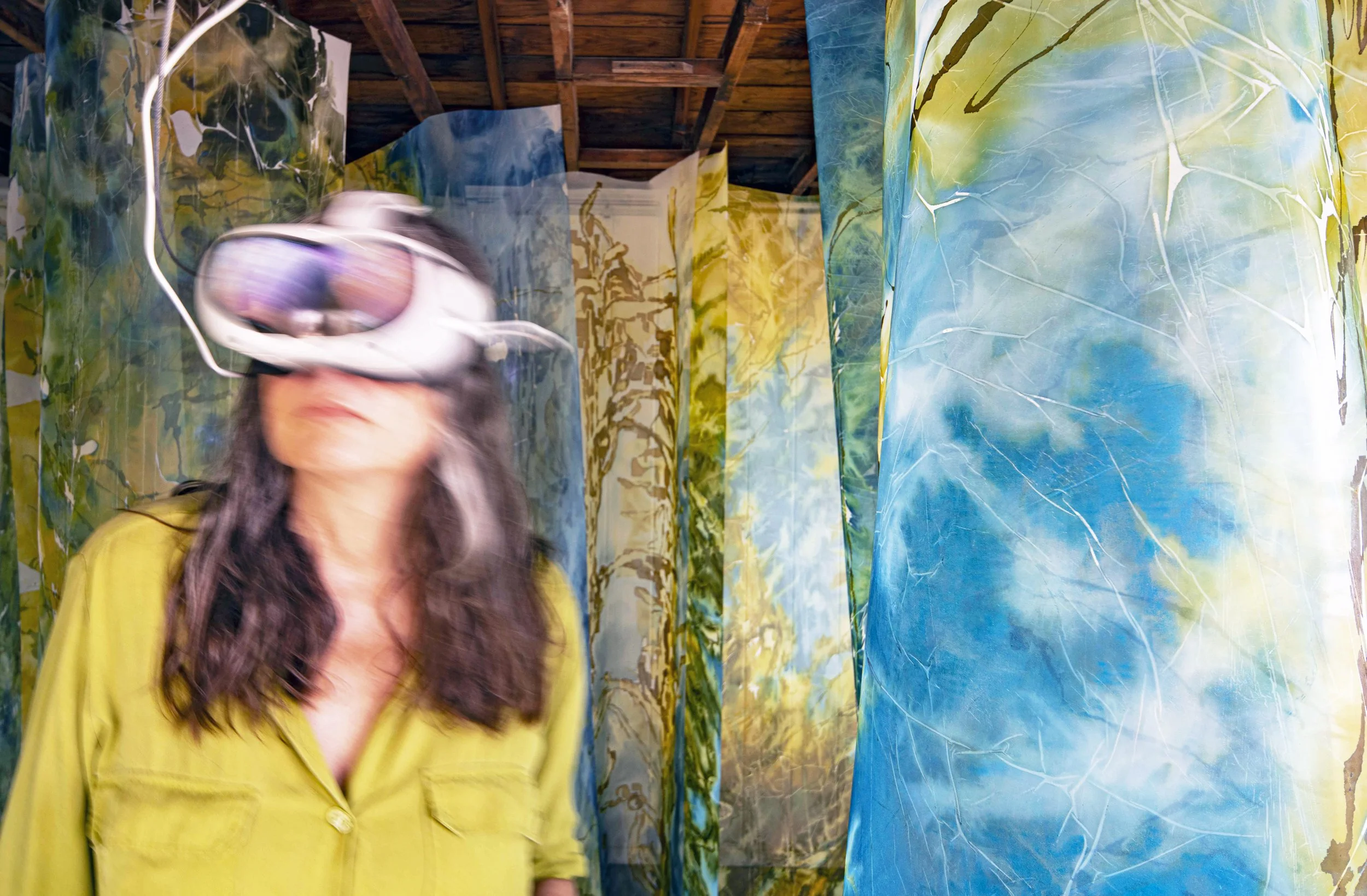
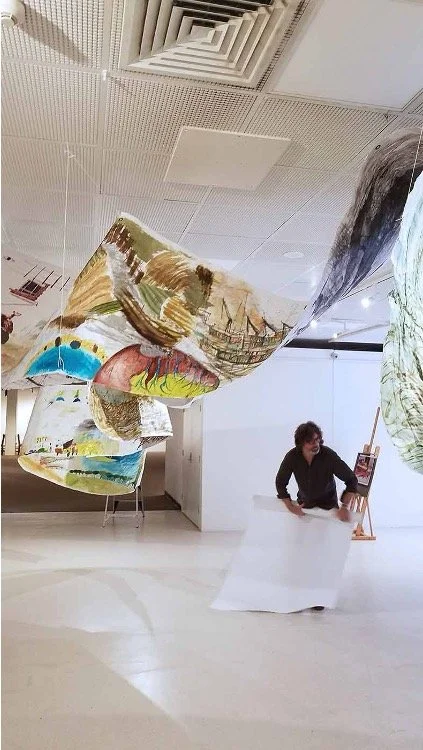
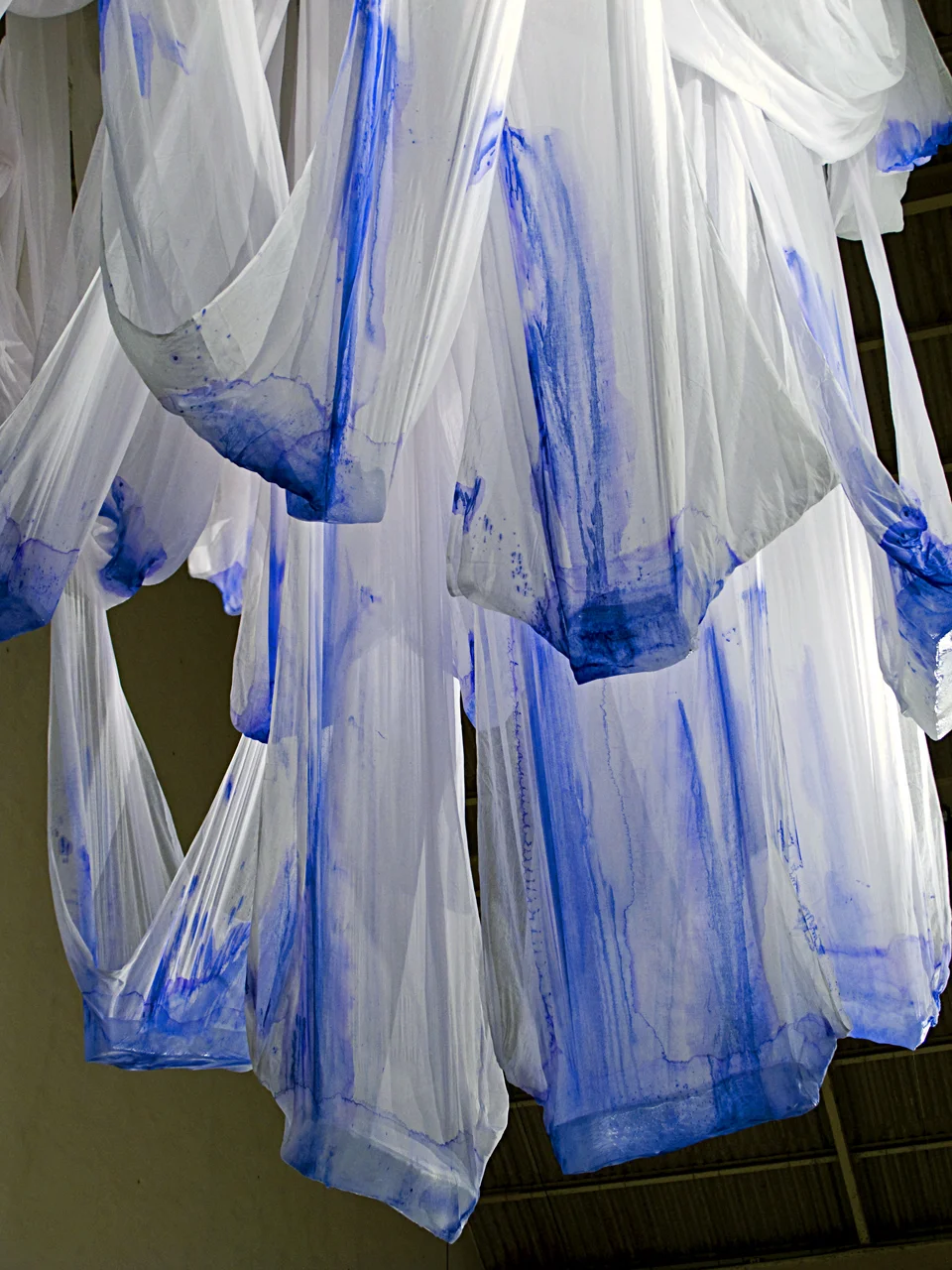
The artists’ fascination with kelp resulted in “Mare Liberum, Reimagined,” an immersive multimedia installation.
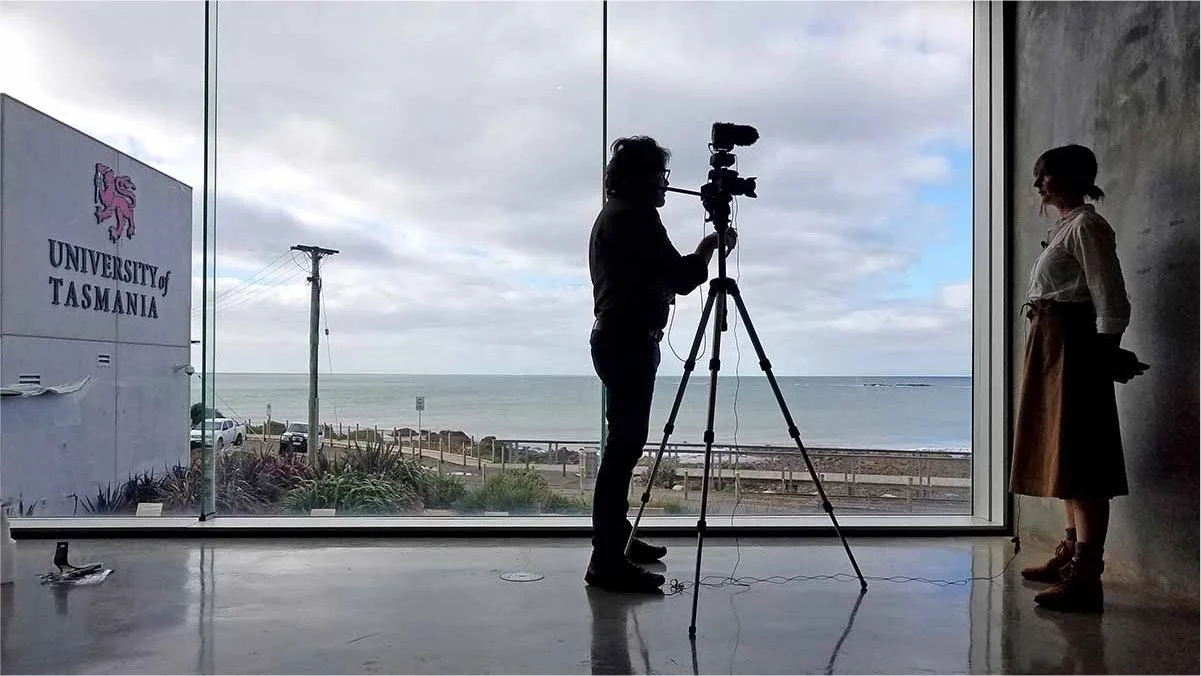
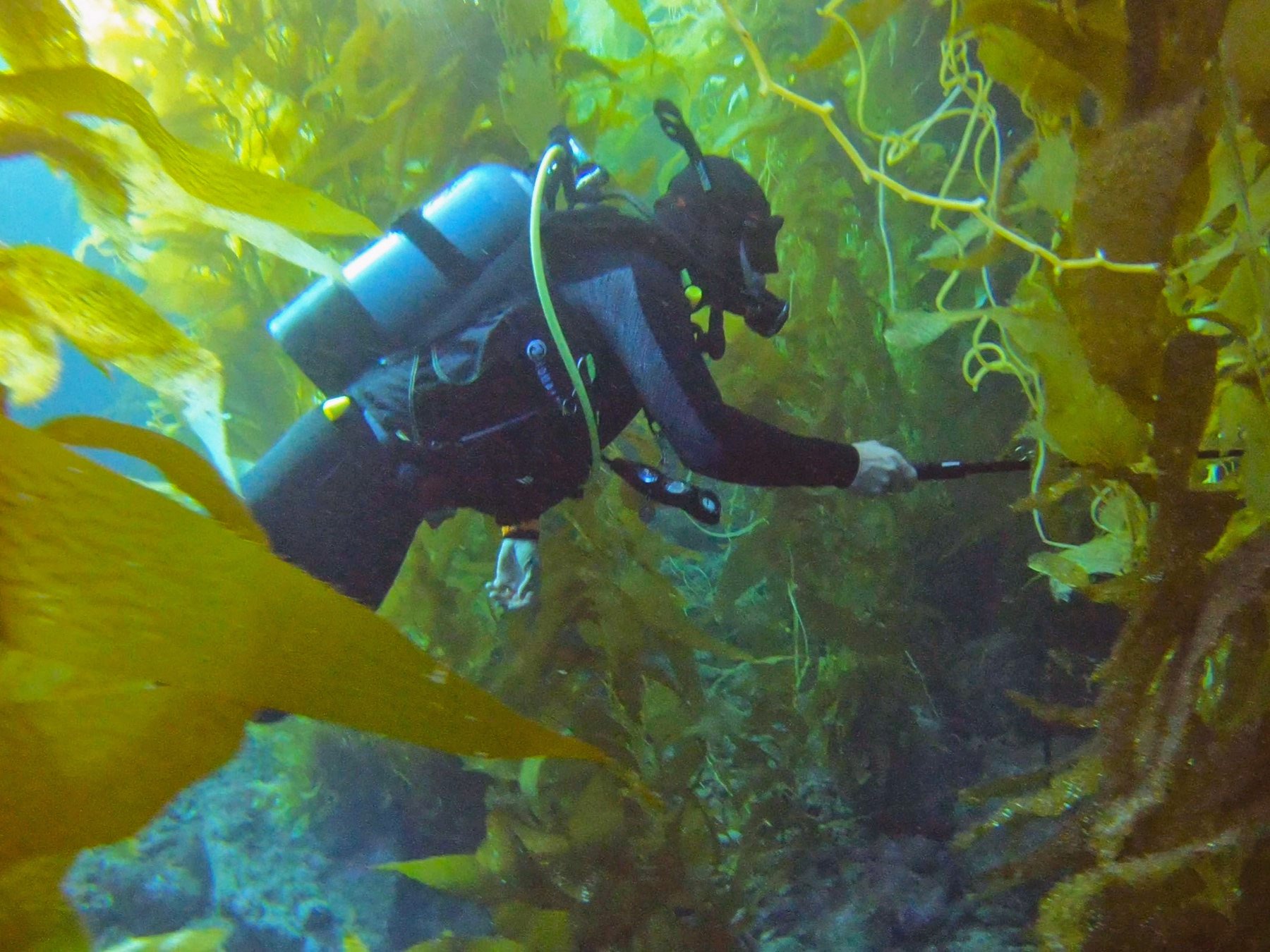
In 2023, supported in part by a Faculty Research Grant, Ranis returned to California to go scuba diving, using a 360-degree underwater video camera to film the kelp forest as he swam through it.
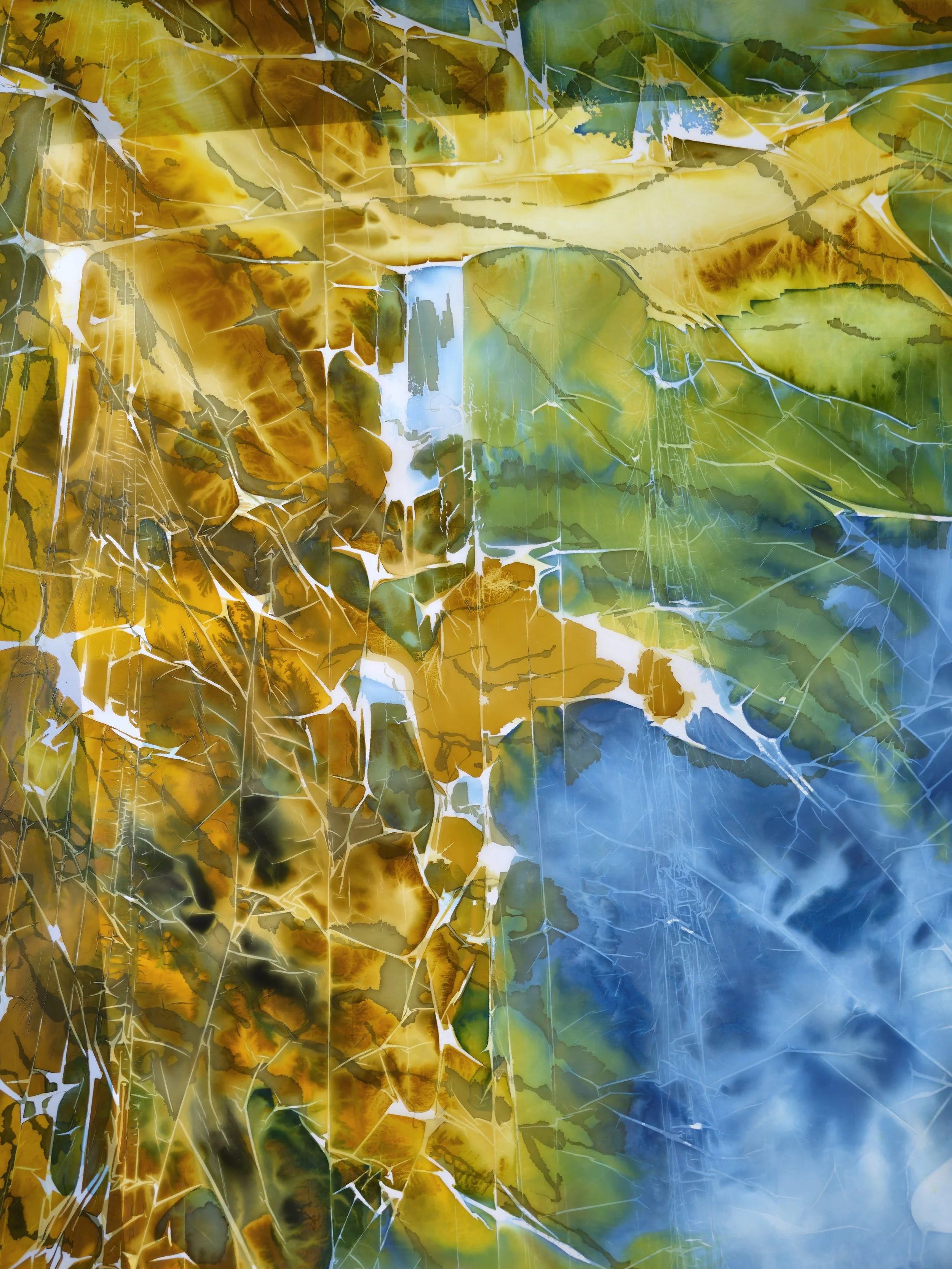
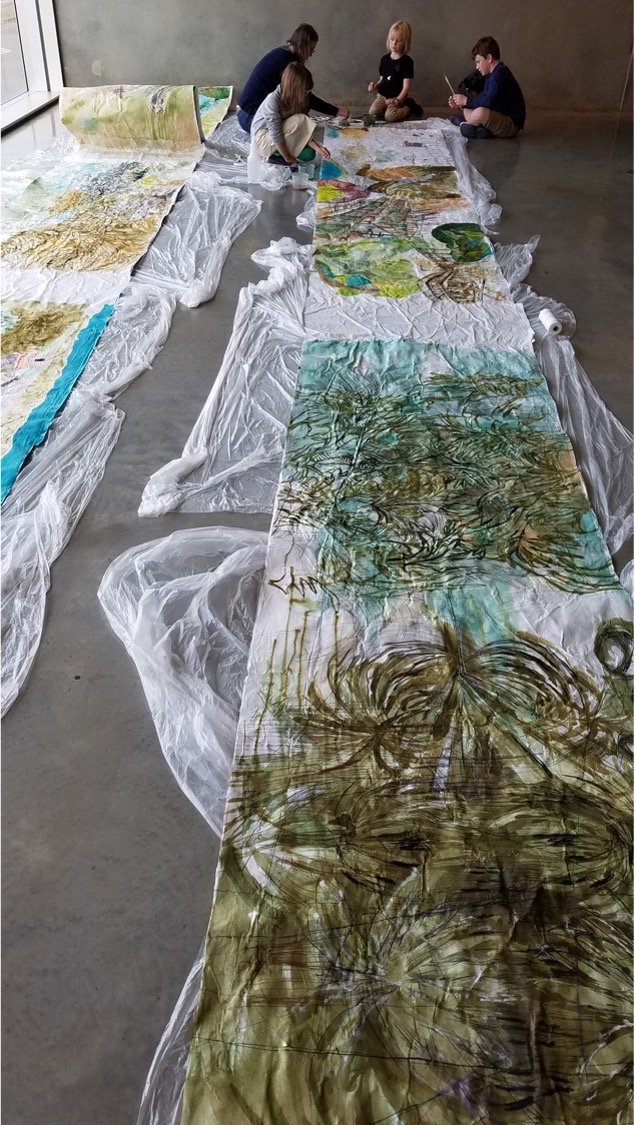
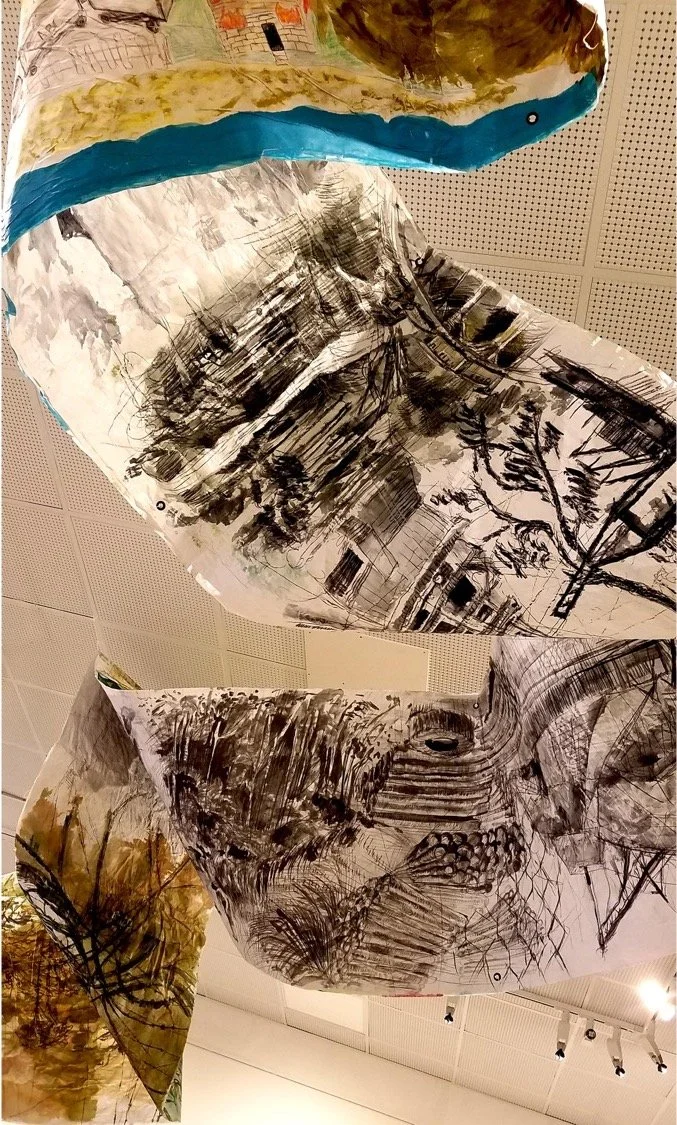
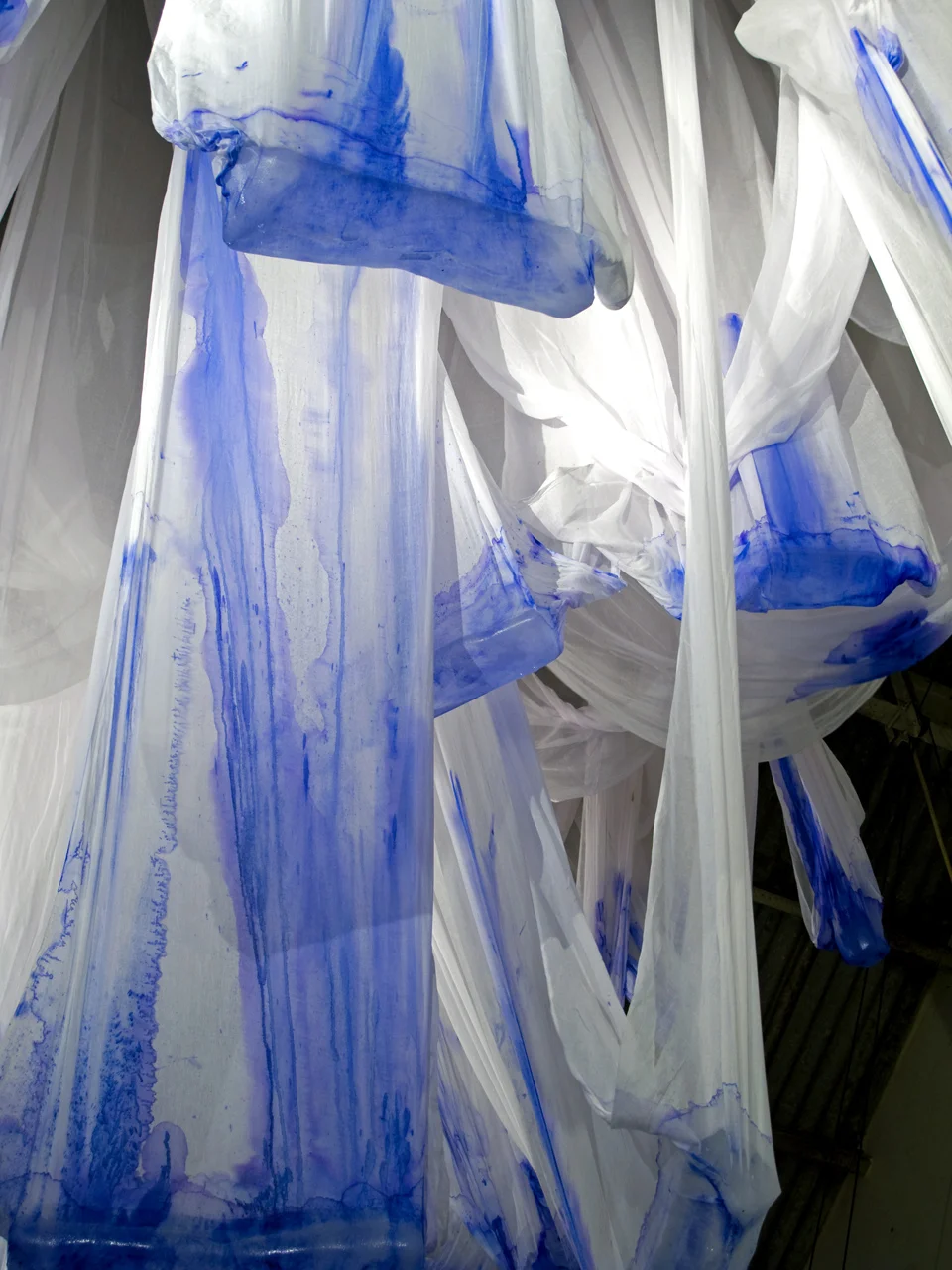
Afterward, he and Godlewska painted long mesh panels that hang from a ceiling installation to become a fabricated kelp forest.
Suspended amidst the painted panels are four virtual reality headsets. Put one on, and you’re immediately under water, navigating through the glowing kelp. In this VR oceans cape, you can also see and hear the marine conservation experts that Ranis and Godlewska consulted, as they explicate this fragile and vital ecosystem: University of Southern California environmental scientist Diane Kim, Get Inspired founder Nancy Caruso, oceanographer Captain Charles Moore, and Erick Valdez, education manager at San Diego Coastkeeper.
“Bringing art and science together in the way Maja and Marek’s ‘Mare Liberum, Reimagined’ does, allows people to understand the issues we face in protecting places like Crystal Cove State Park and the importance of protecting habitats like kelp forests in new ways,” Kate Wheeler, president and CEO of Crystal Cove Conservancy told the Newport Beach Independent.